Percutaneous Nephrolithotomy (PCNL) is an advanced minimally-invasive surgical procedure used to remove large or complex kidney stones that cannot pass naturally or need surgical removal. At Graphic Era Hospital, Dehradun, PCNL surgery is performed using state-of-the-art imaging and surgical technology to ensure precision, safety, and effective stone removal. The hospital’s expert urology team is supported by experienced anaesthesiologists, skilled nursing staff, and a dedicated post-surgery care unit, ensuring comprehensive patient care from diagnosis to recovery. This approach helps patients achieve long-term relief from kidney stone complications while minimising discomfort and hospital stay.
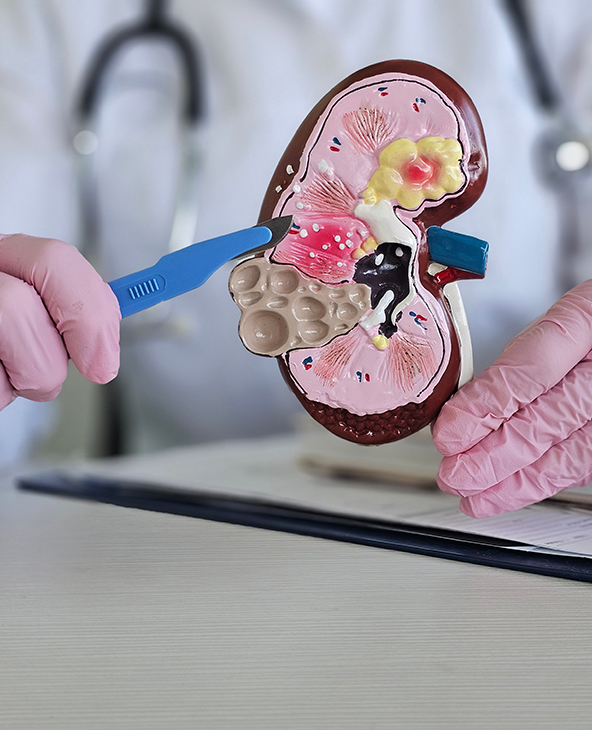
What is Percutaneous Nephrolithotomy (PCNL) Surgery?
Percutaneous Nephrolithotomy, commonly called PCNL surgery, is a minimally invasive procedure used to remove kidney stones that are too large, numerous, or complex to be treated with simpler methods such as medication, shock wave therapy, or ureteroscopy.
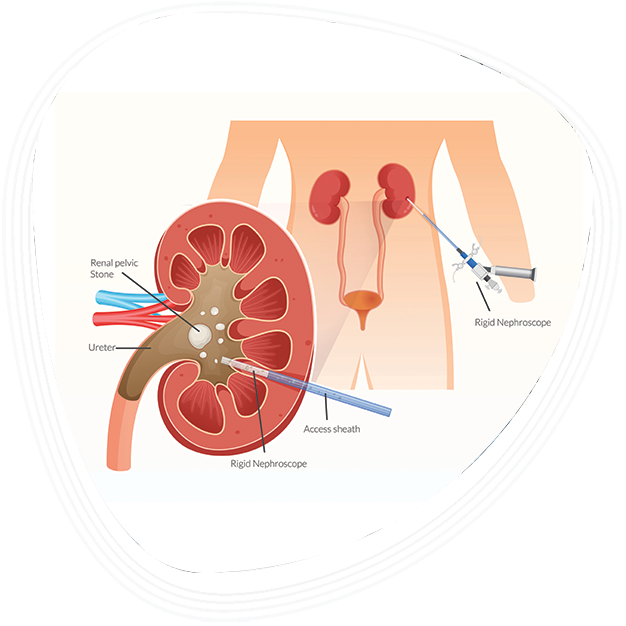
In this surgery, a small incision is made in the back to create a direct pathway into the kidney. A thin instrument called a nephroscope is then used to locate and remove the stones. Because of its precision and effectiveness, PCNL is often recommended for stones larger than 2 cm, multiple stones, or stones lodged deep within the kidney or ureter.
Schedule Your Appointment with
Our Expert Doctors
We are dedicated to driving lasting, positive transformation in healthcare management through innovation and patient-centered solutions.
PCNL Surgery Procedure Performed at Graphic Era Hospital
At Graphic Era Hospital, PCNL surgery is performed by experienced urologists using advanced imaging and minimally invasive techniques, ensuring greater accuracy, reduced pain, and quicker recovery compared to traditional open surgery. The procedure is usually carried out under general anaesthesia and involves three main stages:
- Before surgery: Patients undergo blood tests, urine tests, and advanced imaging such as ultrasound or CT scan to confirm the size and location of the stones. Our specialists also review medical history, discuss anaesthesia, and provide guidance on pre-surgery preparations.
- During surgery: A small incision is made in the back to access the kidney directly. Using advanced imaging, a thin tube and a specialised instrument called a nephroscope are inserted to break and remove the stones. In some cases, a temporary stent or drainage tube may be placed to help the kidney heal.
- After surgery: Patients are monitored in our dedicated recovery unit. Pain management, infection prevention, and hydration support are provided by our skilled nursing team. Most patients stay in the hospital for 1–2 days before being discharged with detailed recovery instructions.
Benefits of Percutaneous Nephrolithotomy (PCNL) Surgery
PCNL surgery is one of the most effective treatments for large or complex kidney stones. Compared to traditional open surgery, it offers several advantages that improve both safety and recovery. Benefits of the surgery include:
- Minimally invasive approach: Only a small incision is required, which means less pain and faster healing.
- High success rate: Effective in removing large, multiple, or difficult-to-reach stones in a single procedure.
- Shorter hospital stay: Most patients are discharged within a couple of days.
- Quick recovery: Patients can usually return to normal routines faster than with open surgery.
- Preserved kidney function: By removing stones safely and precisely, the procedure reduces the risk of long-term kidney damage.
- Lower recurrence risk: Advanced imaging and surgical precision ensure thorough removal of stones, reducing the chances of regrowth.
Why Choose Graphic Era Hospital for PCNL Surgery in Dehradun?
At Graphic Era Hospital, we understand that the thought of undergoing kidney stone surgery can be stressful. That is why our focus is on combining advanced medical expertise with compassionate support, ensuring every patient feels safe and cared for throughout their treatment journey. To deliver the best outcomes, we bring together three core strengths:

Experienced Urology Specialists: Our team of highly skilled urologists has extensive experience in performing PCNL surgery, especially for large or complex kidney stones. Each case is carefully evaluated to create a personalised treatment plan.

Advanced Technology and Minimally Invasive Surgery: We use high-resolution imaging, precision instruments, and minimally invasive techniques to remove stones with accuracy. This means smaller incisions, reduced pain, and faster recovery compared to traditional open surgery.

Comprehensive Post-Surgery Care and Support: From skilled nursing care in our recovery units to long-term follow-up, dietary advice, and stone-prevention counselling, we provide complete care to support patients through healing and beyond.
Recovery After PCNL Surgery
Recovery from PCNL surgery is usually quicker than with traditional open kidney stone surgery, thanks to its minimally invasive nature. At Graphic Era Hospital, our specialists and nursing staff provide detailed recovery guidance to ensure safe healing and long-term relief.
What to expect during recovery:
- Hospital Stay: Most patients remain in the hospital for 1–2 days for observation and pain management.
- Drainage or Stent: A temporary tube or stent may be placed to help the kidney heal, usually removed after a short period.
- Returning to Routine: Light activities can often be resumed within a week, with complete recovery usually achieved in 2–4 weeks.
- Follow-up Care: Regular check-ups and imaging are scheduled to monitor kidney function and ensure no stones remain.
- Lifestyle Advice: Patients receive counselling on hydration, diet, and preventive measures to reduce the risk of future stone formation.
Risks and Complications of PCNL Surgery
Like any surgical procedure, PCNL surgery carries some risks, but with experienced specialists and advanced facilities at Graphic Era Hospital, these risks are carefully minimised. Most patients recover without any major issues.
Possible risks and complications include:
- Bleeding: Some bleeding is common, though significant blood loss is rare.
- Infection: Treated with antibiotics and preventive care.
- Injury to kidney or nearby organs: Very rare, but possible during the procedure.
- Discomfort or fever: Temporary side effects that usually resolve with medication.
- Need for additional procedures: In uncommon cases, a second treatment may be needed if all stones are not cleared in one session.
Top Kidney Stone Treatments at Graphic Era Hospital
- Percutaneous Nephrolithotomy (PCNL)
- Ureteroscopy (URS)
- Extracorporeal Shock Wave Lithotripsy (ESWL)
- Laser Stone Surgery
- Laparoscopic Stone Removal
Patient Stories



Blog


Frequently Asked Questions (FAQs)
Is PCNL a major surgery?
PCNL is considered a minimally invasive surgery, but it is still a major procedure compared to non-surgical treatments. At Graphic Era Hospital, it is performed with advanced technology to ensure safety and faster recovery.
How long does PCNL surgery take?
The procedure usually takes 1–3 hours, depending on the size, number, and location of kidney stones.
How painful is PCNL surgery?
Since PCNL is performed under anaesthesia, patients do not feel pain during the procedure. Some discomfort may occur after surgery, but this is managed with medications and proper care.
What is the recovery time after PCNL surgery?
Most patients recover within 2–4 weeks. Light activities can often be resumed within a few days, while complete healing takes a little longer.
Does PCNL surgery require a stent?
Yes, in most cases a stent or drainage tube may be placed to help the kidney heal. It is usually removed once recovery is underway.
What are the risks of percutaneous nephrolithotomy?
Risks include bleeding, infection, or the need for additional procedures, though these are rare. At Graphic Era Hospital, experienced urologists take every precaution to minimise risks.
How much does PCNL surgery cost in Dehradun?
The cost of PCNL surgery may vary depending on the complexity of the case, hospital stay, and additional procedures. For accurate cost details, patients can contact Graphic Era Hospital Dehradun directly.
Where can I get the best PCNL surgery near me in Uttarakhand?
Graphic Era Hospital in Dehradun is among the leading centres for minimally invasive kidney stone surgery, with expert urologists and advanced facilities.
Which hospital offers minimally invasive kidney stone surgery near me in Dehradun?
Graphic Era Hospital offers a full range of kidney stone treatments, including PCNL, ureteroscopy, laser surgery, and lithotripsy, ensuring patients receive the most suitable option.
What is the success rate of PCNL surgery?
PCNL has a very high success rate, especially for large or complex stones, often clearing them in a single procedure. Success depends on stone size, number, and overall kidney health.
 Emergency 24×7 : 1800 889 7351