Children with surgical conditions require specialised care that considers their age, stage of development, and unique medical needs. The Department of Paediatric Surgery at Graphic Era Hospital, Dehradun, provides comprehensive evaluation, surgical treatment, and follow-up care for newborns, infants, children, and adolescents. From congenital abnormalities and hernias to gastrointestinal, urinary, and thoracic conditions, the team follows a child-centred approach to ensure safe and effective care. Supported by modern surgical facilities, paediatric anaesthesia, and dedicated neonatal and paediatric care services, the hospital aims to make every stage of treatment as comfortable and reassuring as possible for children and their families.
What is Paediatric Surgery?
Paediatric surgery is a specialised branch of medicine that focuses on the surgical treatment of health conditions affecting newborns, infants, children and adolescents. It includes the diagnosis, surgical management and follow-up of congenital conditions present at birth, as well as illnesses, injuries and emergencies that may develop during childhood.
Because children’s bodies are still growing, their surgical needs are different from those of adults. Paediatric surgeons are specially trained to consider a child’s age, size, stage of development and overall health while planning treatment. They may use minimally invasive techniques or conventional open surgery, depending on the condition and what is safest for the child.

When Should You Consult a Paediatric Surgeon for Your Child?
Some surgical conditions in children require timely medical attention. Early assessment by a specialist can help prevent complications and improve treatment outcomes. Parents should consult a paediatric surgeon at Graphic Era Hospital if their child has any of the following signs:
Persistent or Severe Abdominal Pain: Abdominal pain that keeps returning or becomes worse, especially when accompanied by vomiting, fever or changes in bowel movements, should be assessed by a specialist. It may be caused by appendicitis, intestinal obstruction or another condition that requires surgical care.
A Visible Lump or Swelling: Any unexplained lump in the groin, abdomen, neck or scrotum should be examined, particularly if it appears or becomes larger when the child cries, coughs or strains.
Suspected Hernia or Hydrocele: A bulge in the groin or around the navel, or swelling in the scrotum of a male infant, may indicate a hernia or hydrocele. A paediatric surgeon can confirm the condition and determine whether surgery is required.
Undescended Testes: If one or both testes have not moved into the scrotum by the time a baby is six months old, the child should be evaluated by a paediatric surgeon. Timely treatment can help reduce the risk of long-term complications.
Difficulty Passing Urine or a Weak Urine Stream: Difficulty urinating or a weak urine stream in a male infant or child may indicate a condition such as posterior urethral valves or narrowing of the urethra. These symptoms require prompt specialist assessment.
Congenital Abnormalities Noticed at Birth: Structural abnormalities detected at birth or during an antenatal ultrasound, such as abdominal wall defects, oesophageal atresia or intestinal malformations, require immediate evaluation by a paediatric surgeon.
Repeated Vomiting in Infants: Persistent or forceful vomiting in a newborn or young infant may be a sign of pyloric stenosis, intestinal obstruction or another condition requiring surgical treatment.
Abdominal or Urinary Tract Injury: A child who has suffered a significant injury to the abdomen or urinary tract due to a fall, accident or sports injury should receive urgent medical assessment to rule out damage to the internal organs.
Doctors Available

Why Choose Graphic Era Hospital for Paediatric Surgery?

Dedicated Paediatric Surgical Expertise : Our paediatric surgeons care for newborns, infants, children and adolescents with a wide range of surgical conditions. From hernia repair and orchidopexy to complex congenital abnormalities and emergency surgery, each treatment plan is based on the child’s age, development, condition and overall health.

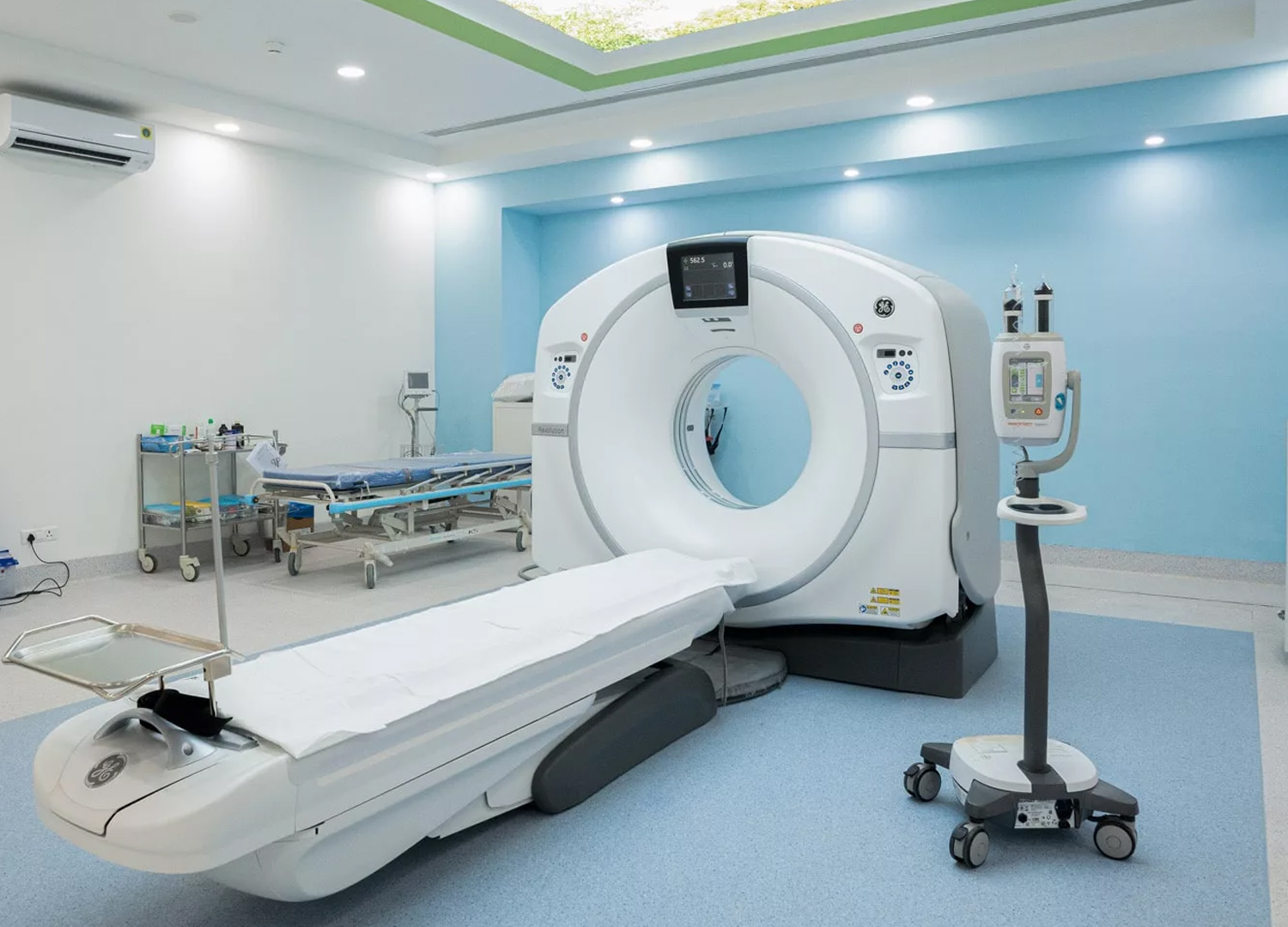
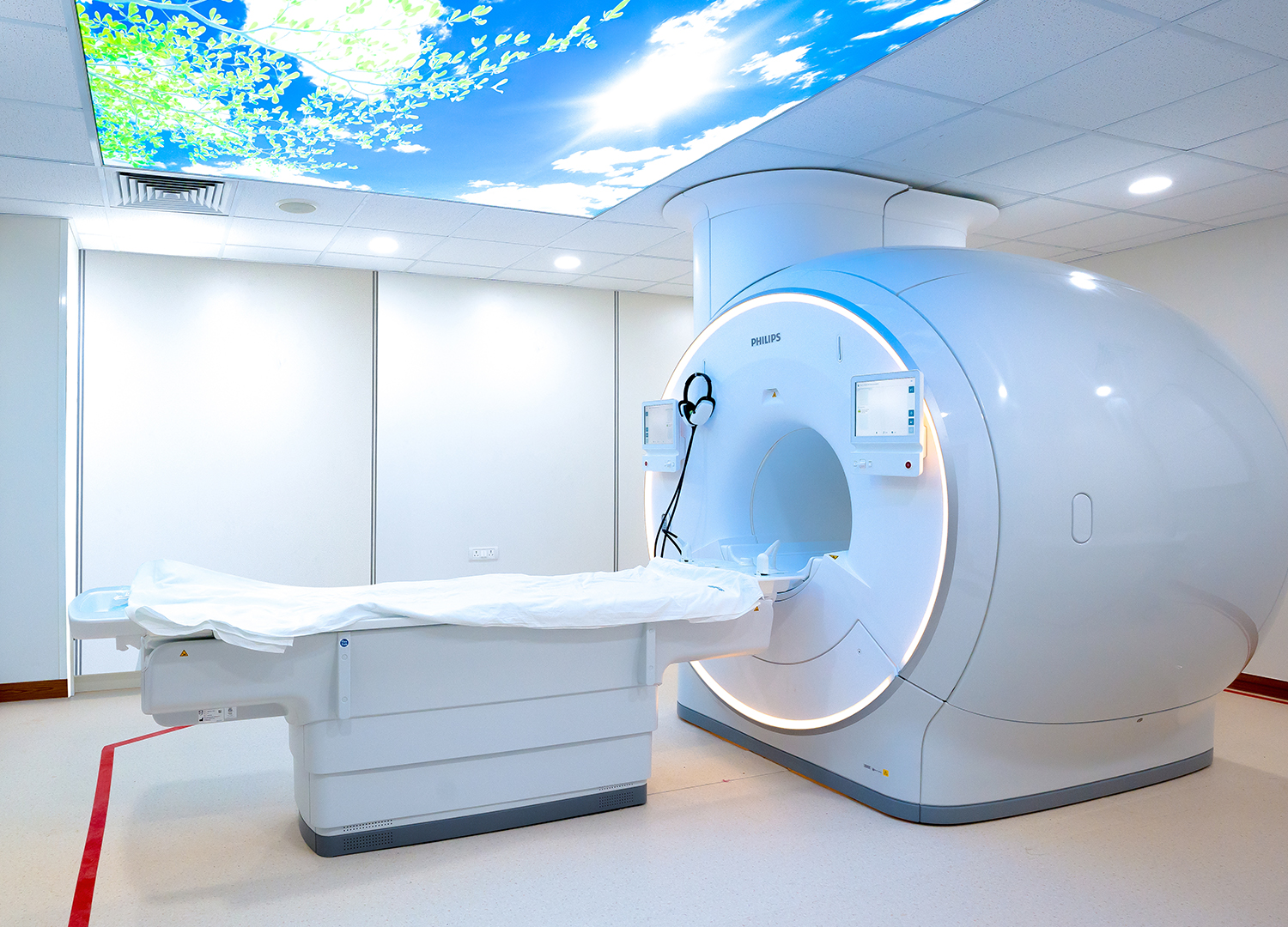
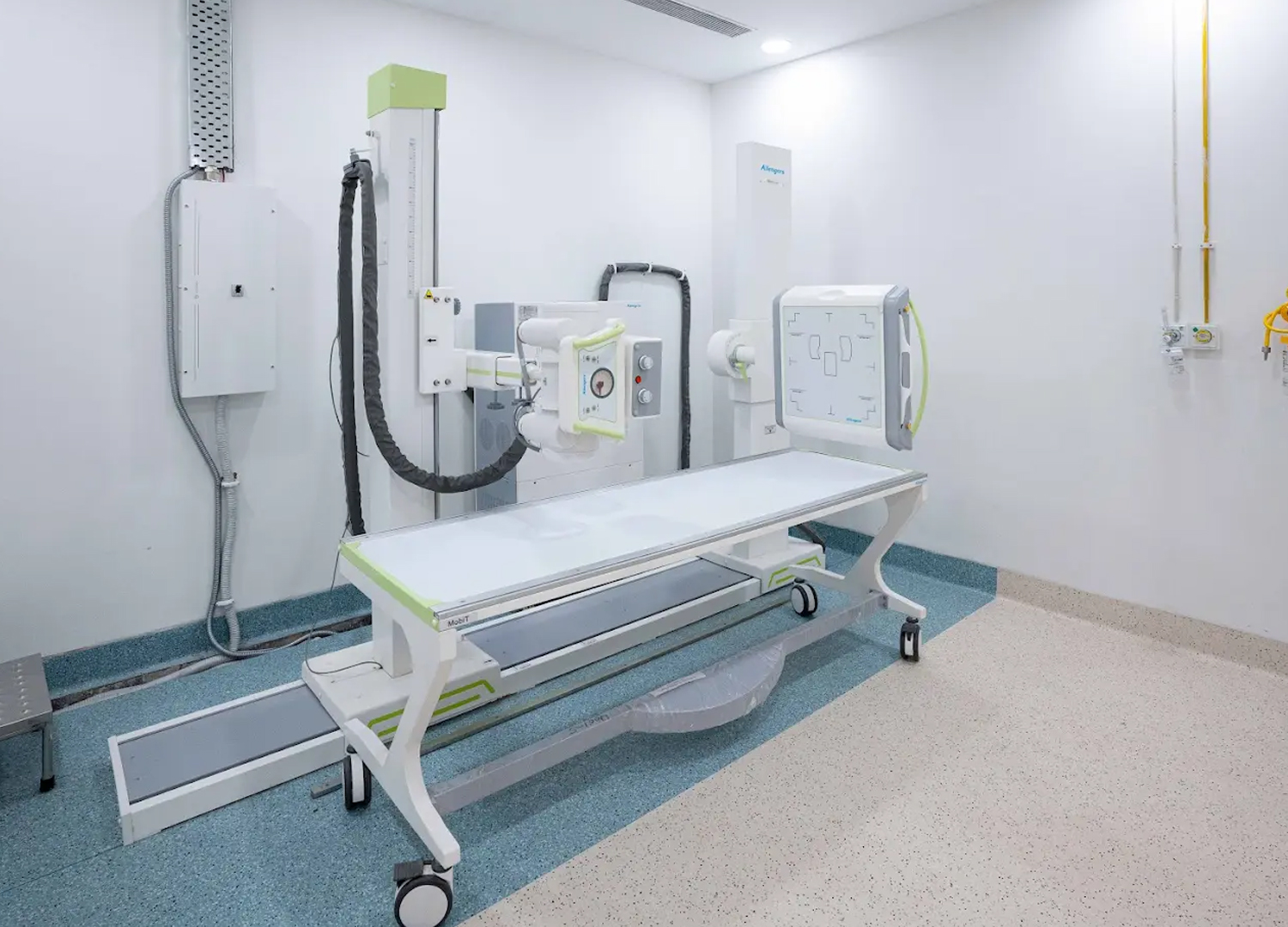
Advanced Surgical and Neonatal Support : We provide child-focused surgical facilities, neonatal support and age-appropriate monitoring for infants and children. Our capabilities include laparoscopic, thoracoscopic, endoscopic and open surgery, allowing the surgical approach to be selected according to the child’s condition. Surgical planning is supported by in-house diagnostic facilities, including advanced CT, MRI and digital X-ray systems. Newborns and critically ill babies can also receive specialised post-operative care from our neonatology team and Level 3 NICU.

Multidisciplinary and Family-Centred Care : Our paediatric surgeons work closely with paediatricians, neonatologists, gastroenterologists, nephrologists, anaesthesiologists, emergency specialists and physiotherapists when a child requires care from multiple departments. This coordinated approach allows evaluation, surgery and recovery support to be provided within the same hospital. We also keep parents informed throughout the treatment journey, from the initial consultation and pre-operative counselling to discharge and follow-up. Clear guidance on the procedure, expected recovery and home care helps families feel prepared and supported at every stage.
Paediatric Conditions Treated at Graphic Era Hospital
The paediatric surgical team at Graphic Era Hospital treats a wide range of conditions affecting newborns, infants, children and adolescents. These include congenital abnormalities present at birth, gastrointestinal and urinary conditions, chest disorders, childhood tumours, injuries and surgical emergencies.
Care is coordinated with paediatricians, neonatologists, anaesthesiologists, paediatric specialists, emergency physicians and rehabilitation teams according to the child’s condition and treatment needs.
Neonatal and Congenital Conditions
Some conditions identified during pregnancy or soon after birth require early assessment and surgical care. Graphic Era Hospital provides paediatric surgical support for newborns with conditions such as:
- Oesophageal atresia with or without tracheo-oesophageal fistula
- Congenital diaphragmatic hernia
- Congenital lobar emphysema
- Duodenal, jejunal and ileal atresia
- Intestinal malrotation with or without volvulus
- Meconium ileus
- Necrotising enterocolitis
- Meconium plug syndrome or small left colon syndrome requiring surgery
- Hirschsprung’s disease
- Anorectal malformations
- Omphalocele or exomphalos
- Gastroschisis
- Patent vitellointestinal duct
- Meckel’s diverticulum
- Sacrococcygeal teratoma
Newborns with complex surgical conditions may require stabilisation, intensive monitoring and nutritional or breathing support before and after surgery. Care is therefore planned in coordination with the neonatology team and Level 3 NICU.
Abdominal and Gastrointestinal Conditions
The department treats common and complex conditions affecting the stomach, intestines and digestive tract, including:
- Appendicitis
- Hypertrophic pyloric stenosis
- Intussusception
- Intestinal obstruction
- Bowel adhesions
- Intestinal perforation
- Meckel’s diverticulum
- Gastro-oesophageal reflux requiring surgical management
- Conditions requiring feeding access through a gastrostomy
- Damaged or diseased bowel requiring resection
- Conditions requiring temporary or permanent colostomy or ileostomy
Treatment depends on the cause and severity of the condition. Some children may be treated through minimally invasive surgery, while open surgery may be required for extensive disease, damaged bowel or an emergency.
Hepatobiliary Conditions
Paediatric surgeons also manage selected conditions affecting the liver, bile ducts and gallbladder. These may include:
- Biliary atresia
- Choledochal cysts
- Liver cysts
- Gallbladder conditions requiring surgery
These conditions often require detailed imaging and coordinated care involving paediatric gastroenterology, radiology and other relevant specialists.
Paediatric Urological Conditions
Surgical conditions affecting the kidneys, ureters, bladder, urethra and genital organs may be present from birth or become apparent as the child grows. The department treats conditions such as:
- Hypospadias
- Undescended testes
- Hydrocele
- Vesicoureteric reflux
- Pelvi-ureteric junction obstruction
- Posterior urethral valves
- Congenital abnormalities affecting the ureters
- Selected kidney conditions requiring removal of part or all of a kidney
- Foreskin-related conditions requiring circumcision
- Difficulty passing urine caused by structural blockage
The treatment plan is based on the child’s age, urinary symptoms, kidney function and the severity of the underlying abnormality.
Thoracic Conditions
Graphic Era Hospital provides paediatric surgical care for selected conditions affecting the lungs and chest, including:
- Empyema
- Congenital pulmonary airway malformation and other lung cysts
- Mediastinal masses
- Congenital and acquired chest conditions requiring thoracoscopic evaluation or surgery
Children with breathing difficulty, chest infection or congenital lung abnormalities may require coordinated assessment involving paediatric surgery, pulmonology, radiology and critical care.
Paediatric Tumours
The paediatric surgical team evaluates and treats selected solid tumours occurring during infancy and childhood. These may include:
- Wilms’ tumour
- Neuroblastoma
- Hepatoblastoma
- Sacrococcygeal and other teratomas
- Ovarian tumours
- Soft-tissue tumours
Treatment is planned according to the type, location and stage of the tumour. Surgery may form one part of a broader care plan involving paediatric oncology, imaging, pathology and other specialist services.
Hernias and Common Day-Care Surgical Conditions
Several common paediatric conditions can be treated through planned day-care or short-stay surgery in suitable children. These include:
- Inguinal hernia
- Umbilical hernia
- Epigastric hernia
- Hydrocele
- Foreskin-related conditions requiring circumcision
- Dermoid cysts
- Lipomas and other superficial swellings
- Children requiring central venous access for prolonged treatment
The surgeon determines whether same-day discharge is appropriate based on the child’s age, health, procedure and recovery after anaesthesia.
Head, Neck and Soft-Tissue Conditions
The department evaluates congenital and acquired swellings affecting the head, neck and soft tissues, including:
- Thyroglossal duct cysts
- Lymphangiomas
- Dermoid cysts
- Cervical masses
- Enlarged lymph nodes
- Lipomas and other soft-tissue swellings
Surgical removal may be recommended when a swelling causes symptoms, becomes repeatedly infected, increases in size or requires examination to confirm the diagnosis.
Paediatric Trauma and Surgical Emergencies
Children with abdominal, chest or soft-tissue injuries may require urgent assessment by the paediatric surgery and emergency teams. Conditions managed may include:
- Abdominal injuries requiring exploratory surgery
- Liver and splenic injuries
- Diaphragmatic injuries
- Intestinal perforation
- Internal bleeding
- Chest injuries requiring drainage
- Vascular injuries
- Acute intestinal obstruction or volvulus
Some solid-organ injuries can be managed through close monitoring when the child remains stable. Surgery or another urgent intervention may be required when there is ongoing bleeding, organ damage, bowel injury or deterioration in the child’s condition.
Top Paediatric Surgical Procedures
Neonatal Surgery
- Oesophageal Atresia Repair
- Tracheo-Oesophageal Fistula Repair
- Congenital Diaphragmatic Hernia Repair
- Congenital Lobar Emphysema Surgery
- Duodenal Atresia Repair
- Jejunal Atresia Repair
- Ileal Atresia Repair
- Ladd’s Procedure for Malrotation and Volvulus
- Meconium Ileus Surgery
- Surgery for Necrotising Enterocolitis
- Hirschsprung’s Disease Pull-Through Surgery
- Anorectal Malformation Surgery
- Colostomy for Anorectal Malformations
- Posterior Sagittal Anorectoplasty
- Omphalocele or Exomphalos Repair
- Gastroschisis Repair
- Patent Vitellointestinal Duct Surgery
- Meckel’s Diverticulum Surgery
- Sacrococcygeal Teratoma Excision
Gastrointestinal Surgery
- Appendicectomy
- Operative Reduction of Intussusception
- Pyloromyotomy
- Gastrostomy
- Fundoplication
- Bowel Resection and Anastomosis
- Colostomy and Ileostomy Creation
- Colostomy and Ileostomy Closure
- Adhesiolysis for Intestinal Obstruction
Hepatobiliary Surgery
- Kasai Portoenterostomy
- Choledochal Cyst Excision with Roux-en-Y Hepaticojejunostomy
- Liver Cyst Surgery
- Laparoscopic Cholecystectomy
Paediatric Urology
- Hypospadias Repair
- Circumcision
- Orchidopexy
- Inguinal Herniotomy
- Hydrocele Repair
- Vesicoureteric Reflux Surgery
- Surgery for Pelvi-Ureteric Junction Obstruction
- Ureteric Reimplantation
- Posterior Urethral Valve Fulguration
- Nephrectomy
- Heminephrectomy
Thoracic Surgery
- Decortication for Empyema
- Lung Cyst Resection
- Congenital Pulmonary Airway Malformation Resection
- Mediastinal Mass Excision
- Thoracoscopic Surgery
Paediatric Tumour Surgery
- Wilms’ Tumour Surgery
- Neuroblastoma Surgery
- Hepatoblastoma Surgery
- Teratoma Excision
- Ovarian Tumour Surgery
- Soft-Tissue Tumour Surgery
Trauma Surgery
- Exploratory Laparotomy
- Splenic Injury Management
- Liver Injury Management
- Diaphragmatic Injury Repair
- Chest Tube Insertion
Head, Neck and Soft-Tissue Surgery
- Thyroglossal Duct Cyst Excision
- Sistrunk Procedure
- Lymphangioma Excision
- Dermoid Cyst Excision
- Cervical Mass Surgery
- Cyst and Lipoma Excision
Common Day-Care Procedures
- Inguinal Herniotomy
- Umbilical Hernia Repair
- Epigastric Hernia Repair
- Circumcision
- Cyst and Lipoma Excision
- Central Venous Catheter Insertion
- Broviac Catheter Insertion
Minimally Invasive Surgery
- Laparoscopic Appendicectomy
- Laparoscopic Hernia Repair
- Laparoscopic Orchidopexy
- Laparoscopic Cholecystectomy
- Thoracoscopy
- Diagnostic Laparoscopy
- Diagnostic Thoracoscopy
Advanced Diagnostics & Technology
- Offers high-resolution imaging for detailed blood vessel analysis, aiding in accurate diagnosis and treatment planning.
- Delivers advanced imaging with high resolution for clear, detailed views of soft tissues, ensuring precise diagnostics.
- Provides high-quality, detailed radiographic images for accurate diagnosis with minimal exposure to radiation.
Other Specialities


Patient Stories



Blog






Frequently Asked Questions (FAQs)
When should I consult a paediatric surgeon for my child?
Consult a paediatric surgeon if the child has persistent or severe abdominal pain, repeated vomiting, difficulty passing urine, an undescended testis, or an unexplained lump or swelling in the abdomen, groin, neck or scrotum. Specialist assessment may also be needed for a suspected hernia or hydrocele, an injury involving the abdomen or urinary tract, or a congenital abnormality identified before or after birth. Timely evaluation can help prevent complications and guide appropriate treatment.
Is surgery safe for children?
Paediatric surgery is generally safe when performed by trained surgical and anaesthesia teams in an appropriately equipped hospital. However, every procedure carries some risk. Before surgery, our team carefully assesses the child’s age, health, medical history and condition, and explains the expected benefits, possible risks and recovery process to the parents.
Are minimally invasive paediatric surgeries available at Graphic Era Hospital?
Yes. We offer laparoscopic and thoracoscopic procedures for selected paediatric conditions, including appendicitis and certain hernias. When appropriate, minimally invasive surgery may offer smaller incisions, less post-operative discomfort and a faster recovery. The surgeon selects the safest approach based on the child’s age, condition and surgical needs.
Can newborns undergo surgery?
Yes. Some conditions present at birth require surgery during the newborn period. These may include oesophageal or intestinal atresia, abdominal wall defects and congenital diaphragmatic hernia. Our paediatric surgical and neonatology teams work together to stabilise the baby, plan the procedure and provide specialised care before and after surgery.
How can I prepare my child emotionally for surgery?
Explain the procedure using simple, honest and age-appropriate language. Avoid giving frightening details or making promises such as saying that nothing will hurt. Allow the child to ask questions and bring a familiar toy, blanket or comfort item to the hospital. Our team also guides parents on preparing the child according to their age and individual temperament.
How long does recovery take after paediatric surgery?
Recovery depends on the type of procedure, the child’s age, overall health and response to treatment. Children undergoing minor surgery may go home on the same day or after a short hospital stay, while complex abdominal or neonatal procedures may require longer monitoring and recovery. Before discharge, our team provides a personalised recovery plan and explains what parents can expect at home.
When can my child return to school and regular activities?
The timing depends on the procedure and the child’s recovery. The child may return to school once pain is controlled, energy levels have improved and the surgeon considers it safe. Strenuous exercise, contact sports and rough play may need to be avoided for longer. Parents receive specific activity instructions before discharge and during follow-up.
To consult our paediatric surgery team, book an appointment through the Graphic Era Hospital website, call 1800 889 7351, or visit the outpatient department.