Plastic & Reconstructive surgery is a specialised branch of surgery focused on restoring the form, function, and appearance of body structures affected by trauma, disease, congenital conditions, or previous surgical procedures. Unlike cosmetic surgery, which is primarily elective and aesthetic in intent, reconstructive surgery addresses medically significant and functionally disabling concerns, repairing damage, correcting deformities, and helping patients regain quality of life.
At Graphic Era Hospital, reconstructive surgeries are performed by experienced plastic and reconstructive surgeons with expertise in managing a wide range of conditions, including trauma-related injuries, burns, post-cancer defects, congenital abnormalities, and complex wound reconstruction. Depending on the patient’s condition, the reconstructive team may also work alongside other specialists to ensure every aspect of treatment and recovery is carefully planned. The focus remains not only on repairing damaged tissues and restoring appearance, but also on helping patients regain comfort, mobility, confidence, and overall quality of life.
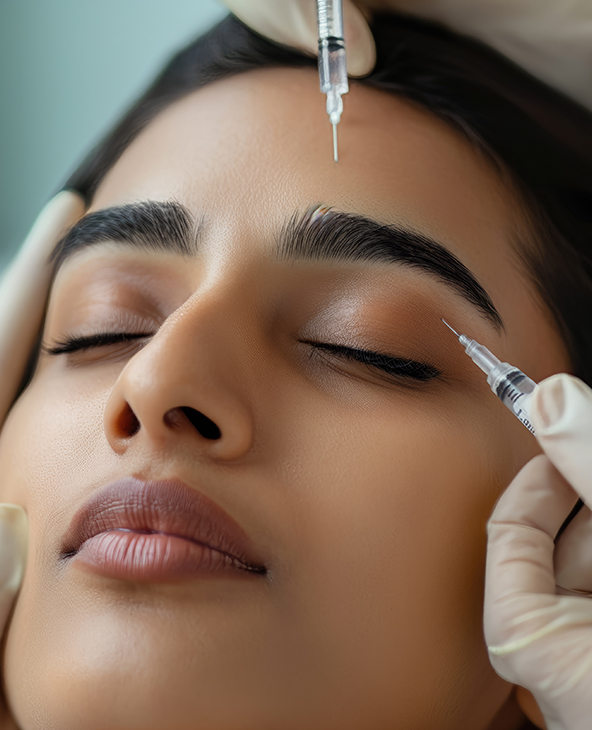
Types of Reconstructive Surgeries
Reconstructive surgery includes a broad range of procedures tailored to the patient’s condition, the area affected, and the extent of tissue damage or deformity. Some procedures focus primarily on restoring movement and function, while others aim to repair visible defects and improve appearance alongside functional recovery.
Facial Reconstructive Surgery
Facial reconstructive procedures are performed to restore the appearance and function of facial structures affected by trauma, cancer removal, congenital deformities, burns, or severe infections. These surgeries may involve reconstruction of the nose, eyelids, cheeks, jaw, lips, ears, or facial bones using grafts, implants, or tissue transfer techniques.
Breast Reconstruction Surgery
Breast reconstruction is commonly performed after mastectomy or breast cancer surgery to restore breast shape and symmetry. Reconstruction may be carried out using implants or the patient's own tissue, depending on medical suitability and personal preference. The procedure may be performed immediately after cancer surgery or at a later stage. Sometimes in cases of severe Breast enlargement also called Gigantomastia, reconstruction is done to reduce the size and weight of the breast and reshape it which relieves pressure symptoms like back pain, restores confidence, and makes life easier for the individual.
Hand and Upper Limb Reconstruction
Hand reconstruction aims to restore movement, sensation, strength, and functionality following trauma, tendon injuries, nerve damage, burns, fractures, or congenital hand abnormalities. Microsurgical techniques are often used to repair delicate nerves, blood vessels, and tendons with precision.
Burn Reconstruction Surgery
Burn injuries can lead to significant scarring, skin contractures, restricted movement, and deformities. Burn reconstructive surgery focuses on improving mobility, releasing tight scar tissue, restoring skin coverage, and improving appearance through skin grafts, flap surgery, tissue expansion, or scar revision procedures. The ultimate goal of burn reconstruction is to fully reintegrate burn survivors into their families, work environments, and communities as functional, productive, and independent individuals.
Post-Traumatic Reconstruction
Severe road accidents, industrial injuries, crush injuries, and complex fractures may cause major soft tissue and bone loss. Reconstructive procedures help restore damaged areas, cover exposed structures, and improve function through advanced tissue reconstruction techniques.
Skin Grafting Procedures
Skin grafting involves transferring healthy skin from one area of the body to another to cover wounds, burns, ulcers, or areas with tissue loss. Depending on the depth and size of the defect, split-thickness or full-thickness skin grafts may be used.
Flap Reconstruction and Microsurgery
Flap surgery involves transferring healthy tissue, skin, fat, muscle, or bone, along with its blood supply from one part of the body to another. Free flap microsurgery uses advanced techniques to reconnect blood vessels under magnification, enabling reconstruction in complex cases where local tissue is not available.
Scar Revision Surgery
Scar revision procedures aim to reduce the appearance of scars, improve skin flexibility, and restore function in areas where scars cause poor cosmesis, discomfort or restricted movement. Treatment options may include surgical revision, Serial Excision, skin grafting, flap coverage.
Lower Limb Reconstruction
Lower limb reconstruction may be required after trauma, diabetic wounds, infections, or tumour removal. These procedures focus on preserving limb function, improving wound healing, and restoring mobility using grafts, flaps, or microsurgical tissue transfer.
Maxillofacial and Craniofacial Reconstruction
Injuries or conditions affecting the face, jaw, skull, or orbit may require complex reconstructive procedures involving facial fracture repairs, Orbital Reconstruction, bone grafting, and/or soft tissue repair.
When is Reconstructive Surgery Recommended?
Reconstructive surgery is advised when a structural or functional abnormality significantly affects a patient's health, mobility, appearance, or quality of life. It is not performed for purely cosmetic purposes, but rather to address genuine medical needs. At Graphic Era Hospital, reconstructive surgery is recommended in the following situations:
- Post-Surgical Defects After Cancer Removal: Patients who have undergone tumour excision, particularly of the breast, head, neck, or skin, may require reconstruction to restore the appearance and function of the affected site.
- Traumatic Injuries: Severe injuries involving tissue loss, complex fractures, or nerve and vascular damage resulting from accidents, falls, or industrial incidents often require reconstructive intervention.
- Burn Injuries: Extensive burns affecting significant body surface area, particularly those causing functional limitation due to scar contractures, require reconstructive procedures to restore movement and appearance.
- Congenital Abnormalities: Children born with structural deformities, such as cleft lip and palate, hand abnormalities, or craniofacial conditions, benefit from early reconstructive surgery to support normal development and function.
- Chronic Wounds and Non-Healing Ulcers: Wounds that fail to heal with conservative management, particularly in patients with diabetes or vascular disease, may require reconstructive techniques such as flap coverage to achieve closure.
- Hand and Nerve Injuries: Injuries affecting tendons, nerves, or blood vessels in the hand may lead to loss of movement or sensation. Reconstructive surgery can help restore functionality and improve hand strength and coordination.
- Lymphedema After Cancer Treatment: Patients who develop lymphedema following cancer surgery or radiotherapy may be candidates for reconstructive lymphatic procedures to manage swelling and improve limb function.
- Loss of a Body Part or Digit: Traumatic amputation of fingers, toes, or other structures may be addressed through replantation or reconstructive procedures to restore as much function as possible.
- Scar Contractures and Deformities: Severe scars, especially after burns or trauma, may tighten the skin and limit movement around joints or facial structures. Reconstructive procedures help release these contractures and improve mobility.
- Post-Infection or Post-Inflammatory Defects: Serious infections involving the skin, soft tissue, or bones, such as necrotising fasciitis, can result in tissue loss requiring reconstructive surgery to restore coverage and support healing.
- AV Fistula creation: Patient having Chronic Kidney disease on regular dialysis or having requirement of dialysis in the future will benefit from the creation of an AV Fistula in the upper limb as an easy access for dialysis.
Schedule Your Appointment with
Our Expert Doctors
We are dedicated to driving lasting, positive transformation in healthcare management through innovation and patient-centered solutions.
Things to Know Before Reconstructive Surgery
Preparing for reconstructive surgery involves more than scheduling a procedure. A thorough medical evaluation, detailed surgical planning, and realistic recovery expectations are essential to achieving the best possible outcome. At Graphic Era Hospital, patients undergo a comprehensive pre-surgical assessment to understand the extent of the condition, overall health status, and the most suitable reconstructive approach.
- Some Procedures May Require Multiple Stages: Complex reconstruction is sometimes performed in stages rather than a single operation. Larger defects, severe trauma, burns, or microsurgical procedures may require more than one surgery to achieve the desired functional and structural outcome.
- Smoking and Alcohol Cessation: Smoking significantly reduces blood supply to tissues and can increase the risk of delayed healing, infections, graft failure, and surgical complications. Patients are advised to stop smoking at least four to six weeks before surgery. Alcohol intake should also be minimised in the weeks preceding the procedure.
- Existing Medical Conditions Must Be Disclosed: Conditions such as diabetes, hypertension, vascular disease, bleeding disorders, or immune-related illnesses can affect healing and recovery. Patients should inform the surgical team about all ongoing treatments, medications, allergies, and previous surgeries.
- Medication Review and Adjustment: Patients are asked to disclose all medications, supplements, and herbal remedies. Blood-thinning medications such as aspirin or warfarin may need to be paused before surgery under medical guidance.
- Fasting Instructions: Patients will be given specific fasting instructions before surgery, typically requiring abstinence from food and drink from midnight on the night before any major procedure. However, a large percentage of these procedures can be done in local or regional anaesthesia for which no fasting may be required.
- Nutrition Plays an Important Role in Healing: Adequate nutrition supports wound healing and recovery after surgery. Patients may be advised to maintain a protein-rich diet and manage conditions such as anaemia or nutritional deficiencies before undergoing major reconstruction.
- Recovery Time Varies Depending on the Procedure: Minor reconstructive procedures may involve a short recovery period, while major surgeries involving grafts, flaps, or microsurgery may require hospitalisation, rehabilitation, and longer follow-up care.
- Physiotherapy or Rehabilitation May Be Needed: Some reconstructive procedures, particularly those involving the hands, limbs, face, or joints, may require physiotherapy, occupational therapy, or rehabilitation exercises after surgery to restore movement and function effectively.
- Emotional and Psychological Support May Be Helpful: Patients recovering from trauma, burns, cancer surgery, or visible deformities may experience emotional distress or anxiety. Reconstructive surgery often plays an important role in improving confidence and emotional well-being alongside physical recovery. Psychological support is available where needed.
Why Choose Graphic Era Hospital for Reconstructive Surgery

Experienced Surgeons: The gynaecology team is trained in performing ovarian cyst removal procedures across a range of cases, from routine to complex. This experience supports accurate assessment, careful surgical planning, and precise removal of the cyst with attention to preserving healthy ovarian tissue.

Integrated Multidisciplinary Care : Graphic Era Hospital offers a complete reconstructive care pathway under one roof, coordinating across Oncology, Orthopaedics, Neurosurgery, Ophtalmology and Physiotherapy. Patients move seamlessly from diagnosis through surgical intervention, in-patient care, and post-operative rehabilitation, without the need for multiple referrals across facilities.

Patient-Centred Approach Focused on Functional and Aesthetic Outcomes : Every case is approached with an understanding of the patient’s individual goals, concerns, and expectations. Detailed pre-operative consultations, honest discussions about anticipated outcomes, and structured follow-up ensure patients are fully informed throughout. Surgical planning prioritises the best possible balance between functional restoration and aesthetic improvement, helping patients regain confidence, independence, and quality of life.
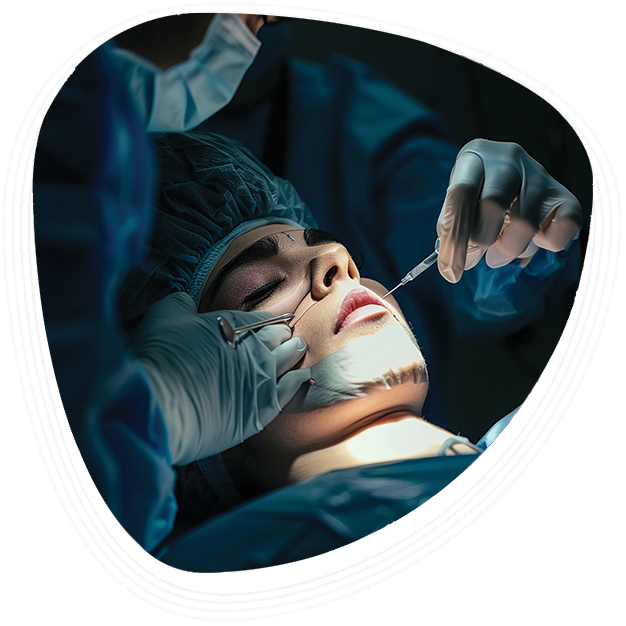
Difference Between Reconstructive and Cosmetic Surgery
Although reconstructive and cosmetic surgeries may use similar surgical techniques, their purpose and medical indications are fundamentally different. Understanding this distinction helps patients and families make informed decisions about care.
Reconstructive Surgery
Reconstructive surgery is performed to restore normal function and appearance after trauma, burns, congenital abnormalities, infections, cancer surgery, or medical conditions that cause tissue damage or deformity. These procedures are medically necessary and aim to improve mobility, protect body structures, reduce pain or discomfort, and support physical recovery. Common examples include:
- Breast reconstruction after mastectomy
- Burn reconstruction and scar contracture release
- Cleft lip and palate repair
- Hand reconstruction after injury
- Skin grafting for wounds and ulcers
- Facial reconstruction after trauma or tumour removal
Cosmetic Surgery
Cosmetic surgery is performed primarily to enhance or alter appearance in individuals who do not have a medical defect or functional problem. These procedures are elective and focused mainly on aesthetic improvement. Common examples include:
- Rhinoplasty for appearance enhancement
- Liposuction
- Facelift surgery
- Cosmetic breast augmentation
- Eyelid reshaping and tummy tuck procedures
In reconstructive surgery, improving function remains the primary objective. Restoring the ability to speak, eat, walk, move limbs, close eyelids, or heal wounds safely is often more important than cosmetic appearance alone. That said, improving appearance also plays an important role in emotional recovery and quality of life.
Note - Reconstructive procedures performed for medical reasons are often covered under health insurance policies, whereas cosmetic surgeries performed purely for aesthetic purposes are usually not covered. Coverage depends on the specific condition, treatment indication, and insurance policy terms. Patients are advised to confirm coverage with their insurer before proceeding.
Reconstructive Surgery at Graphic Era Hospital: The Procedure and Aftercare
The nature of a reconstructive surgery procedure varies considerably depending on the type, site, and extent of reconstruction required. The following outlines the general process:
- Pre-Operative Planning and Marking: Before surgery, the surgeon reviews imaging results, marks the surgical site, and explains the planned procedure in detail. For flap surgeries, the donor site is also assessed and marked.
- Anaesthesia: Most reconstructive procedures are performed under general anaesthesia. Depending on the nature and extent of the surgery, regional anaesthesia may be used in selected cases. The anaesthesia team monitors the patient throughout the procedure.
- Surgical Execution: The procedure is carried out using techniques appropriate to the reconstruction required, whether direct closure, skin grafting, local or regional flap transfer, or free flap microsurgery. The operating team works methodically to achieve the planned reconstruction with precision.
- Wound Closure and Dressing: After reconstruction, wounds are carefully closed in layers. Drains may be placed where required to prevent fluid accumulation. Dressings are applied to protect the operative site.
- Duration: Operative time varies significantly depending on complexity. Simple reconstructions may take one to two hours, while complex free flap surgeries may take six to ten hours or more.
How the Procedure is Performed
The nature of a reconstructive surgery procedure varies considerably depending on the type, site, and extent of reconstruction required. The following outlines the general process:
- Pre-Operative Planning and Marking: Before surgery, the surgeon reviews imaging results, marks the surgical site, and explains the planned procedure in detail. For flap surgeries, the donor site is also assessed and marked.
- Anaesthesia: Most reconstructive procedures are performed under general anaesthesia. Depending on the nature and extent of the surgery, regional anaesthesia may be used in selected cases. The anaesthesia team monitors the patient throughout the procedure.
- Surgical Execution: The procedure is carried out using techniques appropriate to the reconstruction required, whether direct closure, skin grafting, local or regional flap transfer, or free flap microsurgery. The operating team works methodically to achieve the planned reconstruction with precision.
- Wound Closure and Dressing: After reconstruction, wounds are carefully closed in layers. Drains may be placed where required to prevent fluid accumulation. Dressings are applied to protect the operative site.
- Duration: Operative time varies significantly depending on complexity. Simple reconstructions may take one to two hours, while complex free flap surgeries may take six to ten hours or more.
Post-Procedure Care and Recovery
Recovery after reconstructive surgery varies according to the procedure performed. The following general guidance applies:
- Wound Care: The surgical team provides specific instructions on dressing changes, drain management, and signs of infection to watch for.
- Activity Restrictions: Depending on the site of surgery, patients may need to avoid certain movements or activities for a period to protect the reconstruction and allow healing.
- Physiotherapy and Rehabilitation: For procedures involving the limbs, hand, or face, physiotherapy begins as soon as clinically appropriate to restore movement and function.
- Pain Management: Adequate pain control is provided in hospital and on discharge, with clear guidance on appropriate medications and their use.
- Scar Management: Scars continue to mature over several months. Silicone therapy, pressure garments, massage, laser therapy, or secondary scar revision may be recommended in selected cases.
- Nutrition and Healing: Adequate protein and calorie intake supports wound healing. Dietary guidance is provided where appropriate.
- Follow-Up Appointments: All patients receive a structured schedule of follow-up consultations to monitor recovery, assess the reconstruction, and address any concerns.
- Report Concerning Symptoms Promptly: Any signs of wound breakdown, infection, significant swelling, or change in sensation should be reported to the hospital team without delay.
Top Reconstructive Procedures Offered at Graphic Era Hospital
- Breast Reconstruction After Mastectomy (Implant-Based and Autologous)
- Free Flap Microsurgery ( Latissimus Dorsi Flap, ALT Flap, RAFF Flap)
- Split-Thickness and Full-Thickness Skin Grafting
- Local and Regional Flap Reconstruction
- Burn Scar Revision and Release of Contractures
- Cleft Lip and Palate Repair
- Hand Replantation
- Tendon and Nerve Repair
- Tissue Expansion
- Maxillofacial and Craniofacial Reconstruction
- Orbital and Eyelid Reconstruction
- Head and Neck Reconstruction After Tumour Excision
- Chronic Wound and Pressure Sore Reconstruction
- Congenital Hand Deformity Correction
- Ear Reconstruction (Microtia Repair)
- Abdominal Wall Reconstruction
- Lower Limb Reconstruction
- AV Fistula creation
Key Conditions Treated Through Reconstructive Surgery at Graphic Era Hospital
- Post-Mastectomy Breast Defects
- Head and Neck Cancer Defects Following Tumour Excision
- Burn Injuries and Hypertrophic Scarring
- Traumatic Tissue Loss and Complex Lacerations
- Congenital Deformities (Cleft Lip and Palate, Syndactyly, Microtia)
- Diabetic Foot Ulcers and Chronic Non-Healing Wounds
- Pressure Sores (Decubitus Ulcers)
- Necrotising Soft Tissue Infections
- Traumatic Amputation and Digit Loss
- Peripheral Nerve Injuries
- Facial Trauma and Maxillofacial Injuries
- Orbital Fractures and Eyelid Defects
- Hypertrophic and Keloid Scarring
- Hidradenitis Suppurativa (Advanced Stage)
- Scar Contractures Restricting Joint Movement
- Exposed Bone or Tendon Defects
Patient Stories


Blog



World Breastfeeding Week 2026: Common Challenges New Mothers Face and How to Overcome Them






Frequently Asked Questions (FAQs)
Is reconstructive surgery the same as cosmetic surgery?
No. Reconstructive surgery is performed to restore function and appearance following disease, injury, or congenital abnormality, and is medically indicated. Cosmetic surgery, by contrast, is elective and focused primarily on enhancing appearance in individuals without a medical condition. At Graphic Era Hospital, reconstructive procedures are planned based on clinical need and aimed at meaningful improvement in the patient’s quality of life.
Is reconstructive surgery painful?
Some discomfort, swelling, and soreness are expected after surgery, but pain is usually well managed with medications and supportive care. Recovery experiences vary depending on the complexity of the procedure and the patient’s overall health.
How long does recovery take after reconstructive surgery?
Recovery time varies considerably depending on the type and extent of the procedure. Minor reconstructions may involve a recovery of one to two weeks, while complex procedures such as free flap surgery or multi-stage reconstruction may require several months of recovery and rehabilitation. The surgical team provides a personalised recovery timeline during the pre-operative consultation.
Will I need more than one surgery?
In some cases, particularly for complex deformities, burns, or post-cancer reconstruction, a staged approach involving multiple planned procedures may be required. The full reconstruction plan is discussed with the patient at the outset so that expectations are clear from the beginning of treatment.
Will reconstructive surgery completely remove my scars?
Scars cannot usually be removed completely, but reconstructive surgery can significantly improve scar appearance, skin flexibility, and functional limitations caused by scarring. Surgeons use careful planning and advanced techniques to minimise visible scarring as much as possible, and ongoing scar management is part of the recovery programme.
Can reconstructive surgery restore normal appearance completely?
The goal of reconstructive surgery is to achieve the best possible functional and aesthetic outcome. While complete restoration may not always be possible in severe cases, modern reconstructive techniques can produce substantial and life-changing improvement. The surgical team provides an honest assessment of expected outcomes before proceeding.
Are reconstructive surgeries performed under general anaesthesia?
Most reconstructive procedures are performed under general anaesthesia to ensure patient comfort and allow the surgical team to work with precision. Smaller or more localised procedures may be suitable for regional or local anaesthesia in selected cases. The anaesthesia team will assess each patient individually and explain the planned approach.
What are the risks associated with reconstructive surgery?
As with any surgical procedure, reconstructive surgery carries potential risks, including infection, bleeding, wound healing issues, scarring, and anaesthetic complications. In complex procedures such as free flap surgery, there is also a risk of flap failure. The surgical team at Graphic Era Hospital takes all appropriate precautions to minimise risk and discusses the specific risks relevant to each procedure with the patient in advance.
Is reconstructive surgery covered by insurance?
Many reconstructive procedures performed for medical reasons are covered under health insurance policies, whereas cosmetic procedures performed purely for aesthetic purposes are usually not. Coverage depends on the specific procedure, medical indication, and insurance provider terms. Patients are advised to confirm their coverage with their insurer prior to scheduling surgery.
Can reconstructive surgery be performed on children?
Yes. Many reconstructive procedures, particularly for congenital conditions such as cleft lip and palate, ear abnormalities, and hand deformities, are most appropriately performed during childhood. The timing of surgery is carefully planned based on the child’s stage of development and the nature of the condition. The team works closely with parents and paediatric specialists to ensure the safest and most effective approach.
How can I book a consultation for reconstructive surgery at Graphic Era Hospital?
You can book an appointment through the hospital website, by calling 1800-889-7351, or by visiting the outpatient department directly. Our team will assist you in scheduling a consultation with the appropriate specialist at the earliest available slot.
 Emergency 24×7 : 1800 889 7351