A bladder cancer diagnosis can bring many questions about the stage of the disease, available treatment options and what to expect next. At Graphic Era Hospital, Dehradun, patients with bladder cancer receive comprehensive evaluation and treatment through a coordinated approach involving urologists, oncologists, radiologists, pathologists and other specialists as required.
Treatment is planned according to the type, stage and grade of the cancer, along with the patient’s overall health and individual clinical needs. Depending on these factors, care may include endoscopic procedures, surgery, intravesical therapy, chemotherapy, immunotherapy or other treatments where appropriate. The focus remains on providing timely, personalised care while supporting patients and their families throughout diagnosis, treatment and follow-up.
What is Bladder Cancer?
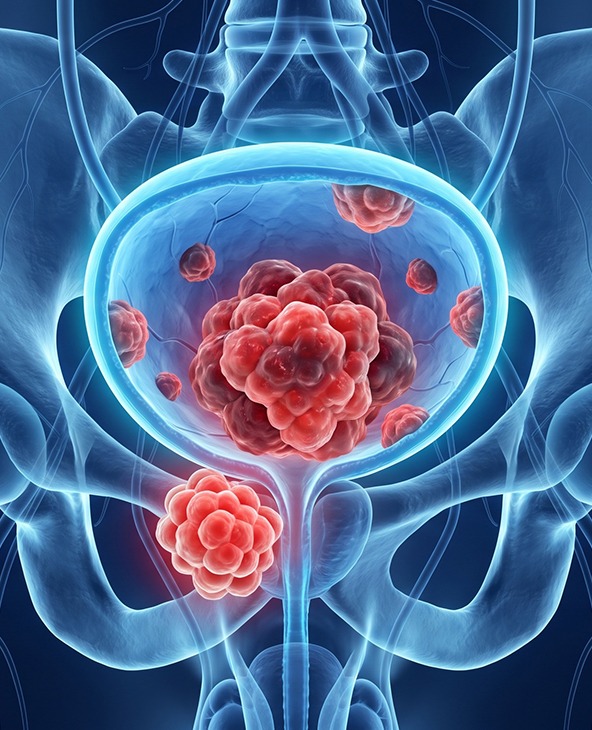
Bladder cancer develops when abnormal cells in the bladder begin to grow uncontrollably. The bladder is a hollow organ in the lower abdomen that stores urine before it leaves the body. Most bladder cancers begin in the urothelial cells that form the inner lining of the bladder.
As the cancer grows, it may remain confined to the inner layers of the bladder or extend into the muscle wall and surrounding tissues. This is why bladder cancer is often described as either non-muscle-invasive or muscle-invasive, a distinction that plays an important role in deciding the treatment approach.
What are the Types of Bladder Cancer?
Bladder cancer can develop from different types of cells in the bladder lining. The type of cancer helps doctors understand how the disease may behave and plays an important role in planning treatment.
Urothelial Carcinoma
Urothelial carcinoma, also known as transitional cell carcinoma, is the most common type of bladder cancer. It begins in the urothelial cells that line the inside of the bladder and other parts of the urinary tract.
Squamous Cell Carcinoma
Squamous cell carcinoma is a less common form of bladder cancer that begins in the thin, flat cells lining the bladder. It may be associated with long-term irritation or inflammation of the bladder.
Adenocarcinoma
Adenocarcinoma is a rare type of bladder cancer that develops from gland-forming cells in the bladder lining.
Bladder cancer is also commonly described according to how deeply it has grown into the bladder wall. Non-muscle-invasive bladder cancer (NMIBC) has not reached the bladder muscle, while muscle-invasive bladder cancer (MIBC) has grown into the muscle layer or beyond. This distinction is especially important because it strongly influences the treatment approach.
What Increases the Risk of Bladder Cancer?
The exact reason why bladder cancer develops is not always known. However, certain factors can increase the likelihood of developing the disease. Having one or more of these risk factors does not mean that a person will definitely get bladder cancer.
Tobacco Use
Smoking is one of the most important risk factors for bladder cancer. Harmful chemicals in tobacco smoke can enter the bloodstream, pass through the kidneys and collect in the urine, where they may damage cells lining the bladder over time.
Workplace and Chemical Exposure
Long-term exposure to certain industrial chemicals may increase bladder cancer risk. This can be relevant for people working in industries involving dyes, rubber, leather, textiles, paints, printing and some other chemical-related occupations.
Chronic Bladder Irritation
Long-standing bladder irritation associated with recurrent infections, bladder stones or prolonged catheter use has been linked with an increased risk of certain types of bladder cancer.
Previous Cancer Treatment
Previous treatment with certain chemotherapy medicines, such as cyclophosphamide, to the pelvic region may increase the risk of developing bladder cancer later in life.
Age, Sex and Family History
The risk of bladder cancer increases with age and the disease is more common in men than in women. A personal or family history of bladder or other urothelial cancers may also increase risk in some people.
What are the Symptoms of Bladder Cancer?
Bladder cancer may cause urinary symptoms, although many of these can also occur with more common conditions such as urinary tract infections, bladder stones or an enlarged prostate. One of the most common early signs is blood in the urine, which may appear pink, red or brown and can sometimes come and go.
Other symptoms may include:
- Needing to urinate more often than usual
- A sudden or frequent urge to urinate
- Pain or burning while passing urine
- Difficulty urinating or a weak urine stream
- Needing to urinate several times during the night
When bladder cancer is more advanced, some people may also experience lower back pain, loss of appetite, unexplained weight loss, fatigue, swelling in the feet or bone pain.
When Should You Consult a Doctor?
Blood in the urine should always be medically evaluated, even if it occurs only once or disappears on its own. Persistent changes in urination, pain while passing urine or difficulty urinating should also be checked so the underlying cause can be identified.
Doctors Available


Why Choose Graphic Era Hospital for Bladder Cancer Treatment?
Choosing the right urology hospital can make all the difference in recovery and long-term health. At Graphic Era Hospital, our specialists use a patient-first approach, emphasising safety, comfort, and the highest standards of care. Here’s why we stand out:

Experienced Specialists: Our urologists are leaders in their field, with years of experience in treating complex urological conditions. They stay abreast of the latest developments in urological care, ensuring that patients receive expert, evidence-based treatments tailored to their needs. Our team is committed to compassionate and professional care, helping patients feel reassured and supported throughout their journey.

Comprehensive Diagnostic and Treatment Support : From urine tests, cystoscopy and imaging to surgery, systemic therapy and other cancer treatments where appropriate, patients can access coordinated diagnostic and treatment support under one roof. The treatment approach is planned according to the stage, grade and clinical features of the disease.

Personalised and Coordinated Cancer Care : Every bladder cancer case is different, and treatment decisions depend on factors such as the patient’s overall health, tumour characteristics and individual clinical needs. Our care team works closely with patients and families to explain the diagnosis, discuss treatment options and support them through treatment, recovery and follow-up.

How is Bladder Cancer Diagnosed?
If bladder cancer is suspected, diagnosis usually begins with a review of the patient’s symptoms, medical history and risk factors, followed by tests to check the urinary tract and examine the bladder more closely. The investigations recommended can vary depending on the clinical findings.
Urine Tests
A urine sample may be checked for blood, infection or abnormal cells. In some cases, urine cytology is used to look for cancer cells under a microscope.
Cystoscopy
Cystoscopy allows the urologist to look directly inside the bladder using a thin tube fitted with a light and camera. It helps identify suspicious areas and may also allow tissue samples to be taken when needed.
Transurethral Resection of Bladder Tumour (TURBT)
If a bladder tumour is found, TURBT may be performed to remove the visible tumour and obtain tissue for laboratory examination. The biopsy findings help confirm the diagnosis and determine how deeply the cancer has grown into the bladder wall.
Imaging Tests
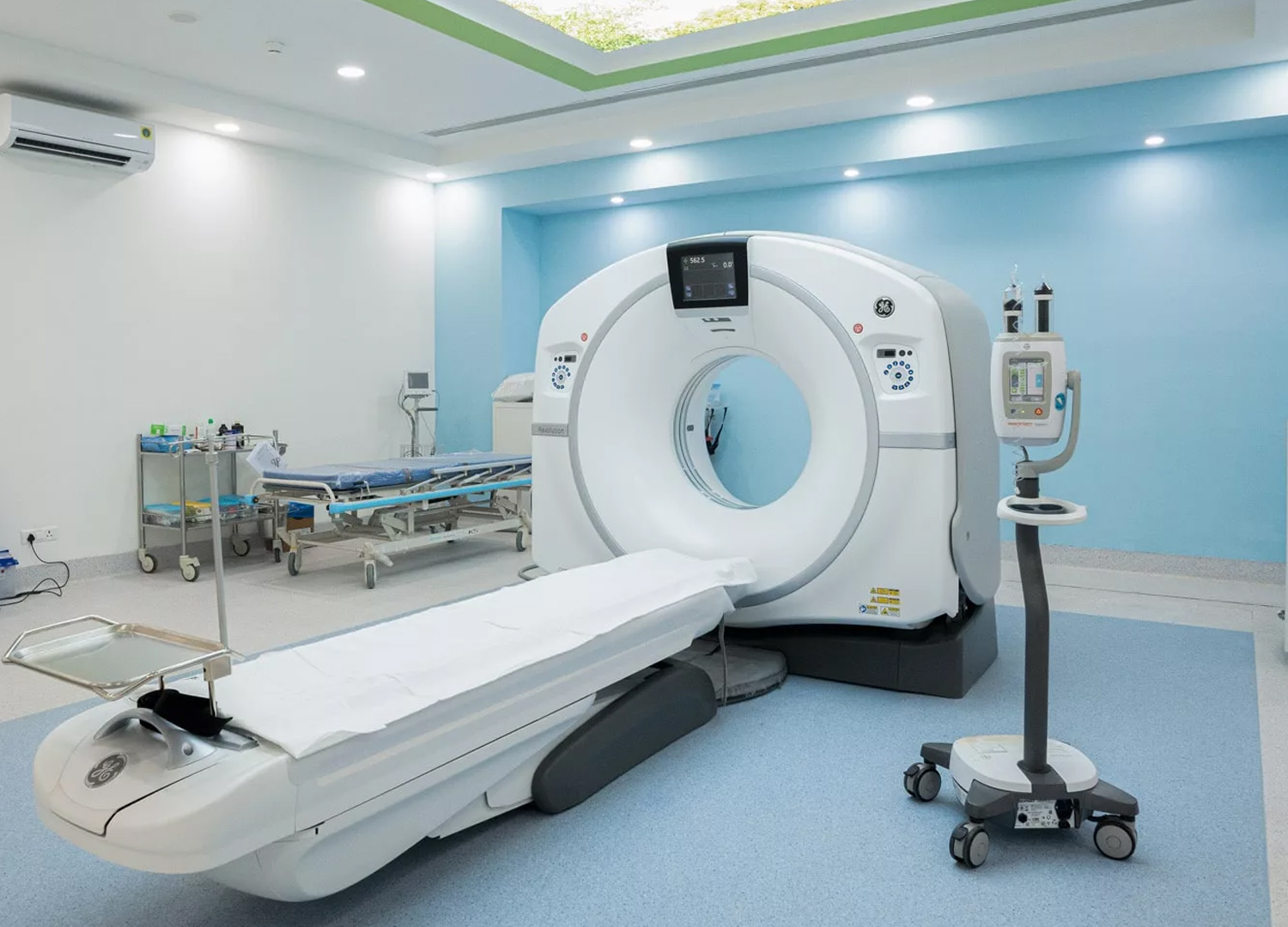
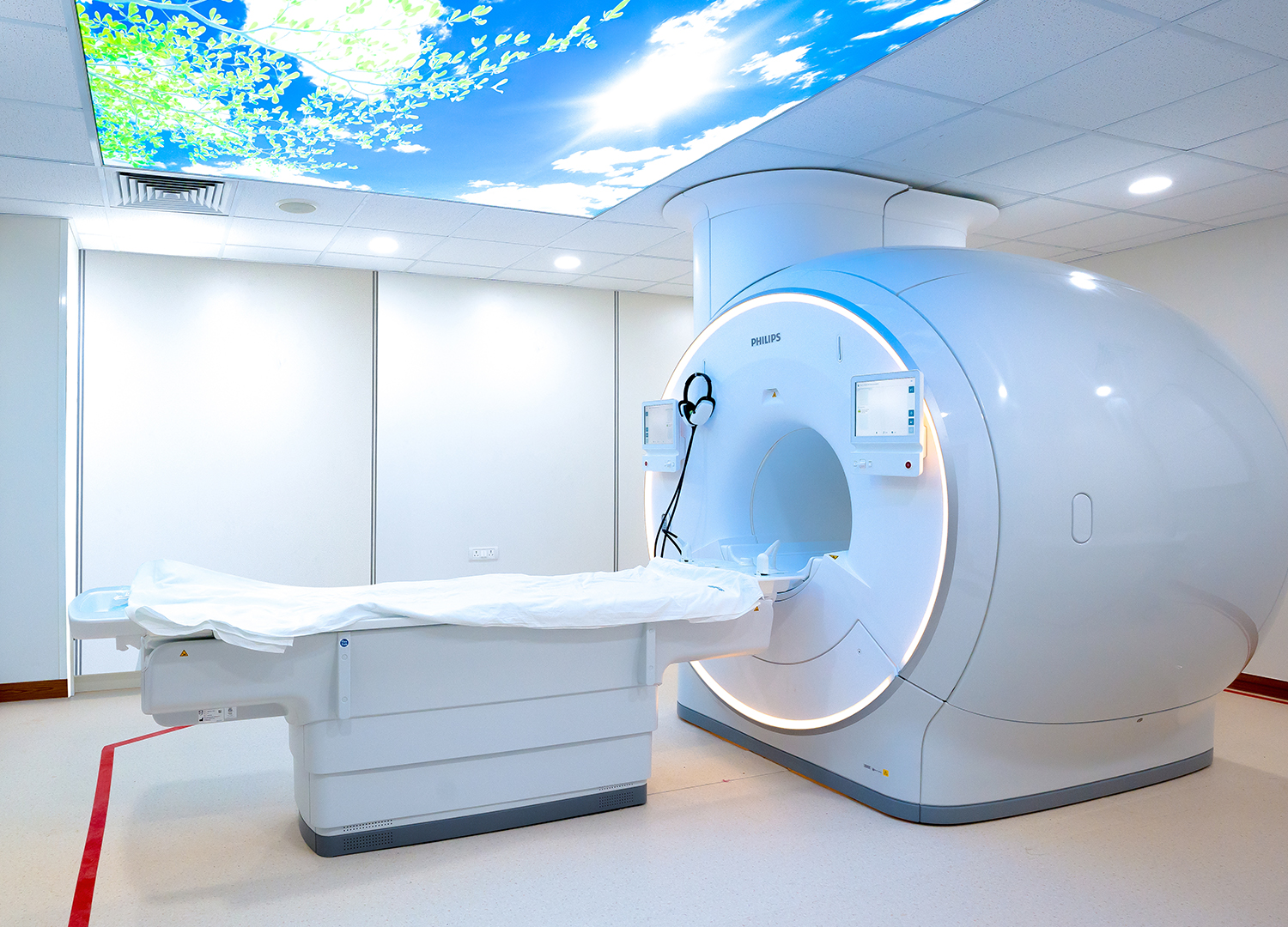
CT scans , MRI or other imaging tests may be recommended to assess the urinary tract and determine whether the cancer has spread beyond the bladder. These findings also help doctors establish the stage of the disease and plan treatment.
What are the Stages of Bladder Cancer?
Bladder cancer is staged according to how deeply the cancer has grown into the bladder wall and whether it has spread to nearby lymph nodes or other parts of the body. Knowing the stage helps doctors understand the extent of the disease and plan the most appropriate treatment.
Stage 0
The cancer is limited to the inner lining of the bladder and has not invaded the bladder wall. This includes non-invasive papillary tumours and carcinoma in situ.
Stage I
The cancer has grown into the connective tissue beneath the bladder lining but has not reached the muscle layer.
Stage II
The cancer has grown into the muscle layer of the bladder. This is also described as muscle-invasive bladder cancer.
Stage III
The cancer has grown through the bladder wall into nearby tissues and may also have spread to regional lymph nodes.
Stage IV
The cancer has spread more extensively, which may include the pelvic or abdominal wall, more distant lymph nodes or organs such as the lungs, liver or bones.
Bladder cancer is also assigned a grade , which describes how abnormal the cancer cells look under a microscope. Low-grade tumours generally tend to grow more slowly, while high-grade tumours are more likely to grow and spread. Both the stage and grade are considered when planning treatment.
Bladder Cancer Treatment Options at Graphic Era Hospital
At Graphic Era Hospital, bladder cancer treatment is planned according to the type and extent of the disease, including whether the cancer is non-muscle-invasive or muscle-invasive, its stage and grade, whether it has spread, and the patient’s overall health. Our urology and oncology teams consider these factors together to determine the most appropriate treatment approach. Depending on the individual case, one or more treatments may be recommended.
Transurethral Resection of Bladder Tumour (TURBT)
TURBT is commonly used to remove visible bladder tumours through the urethra without an external incision. The procedure also provides tissue for laboratory examination, helping doctors confirm the diagnosis and assess how deeply the cancer has grown into the bladder wall. For many non-muscle-invasive bladder cancers, TURBT forms an important part of initial treatment.
Intravesical Therapy
For selected non-muscle-invasive bladder cancers, medicines may be delivered directly into the bladder through a catheter, often following TURBT. Treatment may include intravesical chemotherapy or immunotherapy such as BCG to treat remaining cancer cells and help reduce the risk of recurrence.
Bladder Cancer Surgery
Surgery may be considered when the cancer has reached the muscle layer, has a high risk of progression or requires more extensive treatment. Depending on the location and extent of the disease, this may involve removing part of the bladder in selected cases or removing the entire bladder through radical cystectomy. When the bladder is removed, urinary diversion is performed to create a new way for urine to leave or be stored in the body.
Chemotherapy
Chemotherapy may be given before surgery to shrink the tumour and improve treatment outcomes, after surgery in selected cases, or as part of treatment for advanced bladder cancer. The medicines and timing are selected according to the stage of the disease, previous treatment and the patient’s overall health.
Immunotherapy
Immunotherapy works by helping the immune system recognise and attack cancer cells. Depending on the type and stage of bladder cancer, immunotherapy may be delivered directly into the bladder or given as systemic treatment for certain locally advanced or metastatic cancers.
Targeted Therapy
For some patients with advanced bladder cancer, targeted medicines may be considered based on specific molecular characteristics of the tumour and previous treatments. Biomarker testing may therefore be recommended in selected cases to help determine whether a targeted treatment is appropriate.
Throughout treatment, the care plan may be reviewed and adjusted based on the patient’s response, follow-up findings and changing clinical needs.
Recovery and Follow-Up After Bladder Cancer Treatment
At Graphic Era Hospital, recovery and follow-up are planned according to the treatment received, the stage of the cancer and the patient’s overall health. Recovery may be relatively quicker after procedures such as TURBT, while patients undergoing major surgery, and chemotherapy or combined treatment may need a longer period of monitoring, rehabilitation and support.
Follow-up is an important part of bladder cancer care because the disease can recur, particularly in patients with non-muscle-invasive bladder cancer. Depending on the individual treatment plan, follow-up may include:
The frequency and type of follow-up are decided based on the stage, grade, treatment received and risk of recurrence. Patients are advised to attend scheduled follow-up appointments and report any new symptoms promptly.
- Regular clinical reviews
- Cystoscopy to examine the inside of the bladder
- Urine tests where appropriate
- Imaging studies when recommended
- Monitoring for new or recurrent urinary symptoms
- Rehabilitation and support after bladder surgery, where needed
Can the Risk of Bladder Cancer Be Reduced?
Not all cases of bladder cancer can be prevented, but certain steps may help lower the risk. These mainly involve reducing exposure to known risk factors and paying attention to persistent urinary problems.
- Avoid tobacco: Smoking is one of the strongest known risk factors for bladder cancer, so quitting can help reduce long-term risk.
- Follow workplace safety measures: People who work with certain industrial chemicals should use appropriate protective equipment and follow recommended safety practices.
- Seek care for persistent bladder problems: Recurrent urinary symptoms, chronic irritation or other ongoing bladder concerns should be medically assessed rather than ignored.
- Attend recommended follow-up: People who have previously been treated for bladder cancer should continue regular surveillance as advised, since recurrence can occur.
If you have concerns about your personal risk, a urologist or oncologist can review your medical history, previous treatments, occupational exposure and other relevant factors and advise whether further evaluation is needed.
Advanced Diagnostics & Technology
- Offers high-resolution imaging for detailed blood vessel analysis, aiding in accurate diagnosis and treatment planning.
- Delivers advanced imaging with high resolution for clear, detailed views of soft tissues, ensuring precise diagnostics.
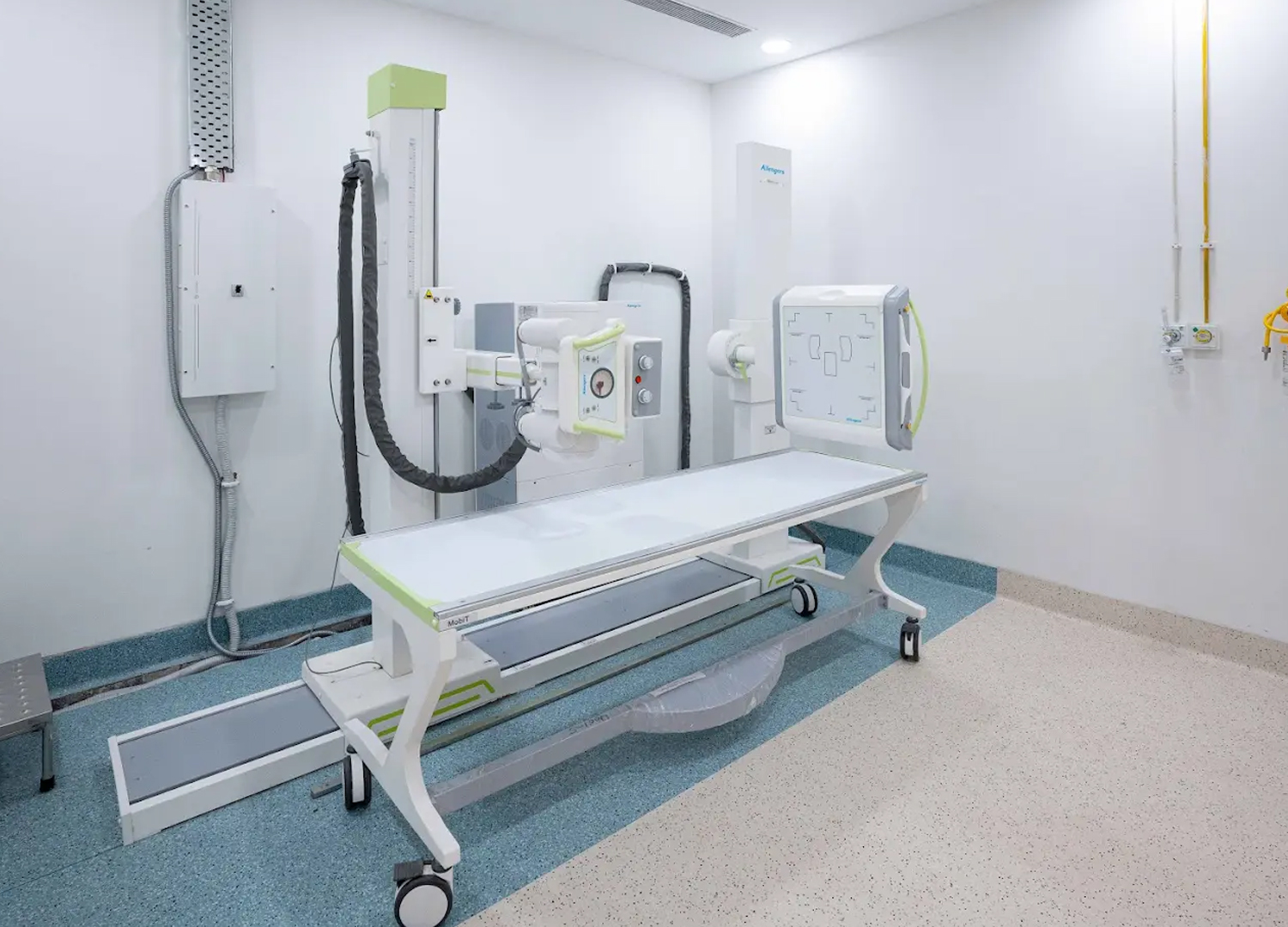
- Provides high-quality, detailed radiographic images for accurate diagnosis with minimal exposure to radiation.
Other Specialities


Patient Stories





Blog






Frequently Asked Questions (FAQs)
Is bladder cancer curable?
Bladder cancer can often be treated successfully, especially when it is detected at an early stage and has not spread beyond the bladder. The outlook depends on the type, stage, grade and overall health of the patient.
Can bladder cancer be cured if caught early?
Early-stage bladder cancer generally has more treatment options and may be managed effectively with procedures such as TURBT, intravesical therapy or surgery, depending on the type and risk of recurrence.
What is the most common treatment for bladder cancer?
The treatment depends on whether the cancer is non-muscle-invasive or muscle-invasive. TURBT is commonly used for many early bladder cancers, while more advanced disease may require surgery, chemotherapy, immunotherapy or a combination of treatments.
Are all bladder tumours cancerous?
No. Some bladder growths may be benign, while others are cancerous. Tests such as cystoscopy and biopsy help determine the nature of the tumour and guide treatment.
Can bladder cancer be inherited?
Most bladder cancers are not inherited, but certain genetic conditions and family histories can increase risk in a small number of people. A doctor may recommend further assessment when there is a strong family history of bladder or related cancers.
Is bladder cancer painful?
Bladder cancer does not always cause pain, particularly in its early stages. Blood in the urine is one of the most common early signs. Pain during urination, lower back pain or other discomfort may occur in some patients, especially as the disease progresses.
How is bladder cancer diagnosed?
Diagnosis may involve urine tests, cystoscopy, TURBT with biopsy and imaging tests such as CT or MRI. The exact investigations depend on the patient’s symptoms and initial findings.
Where can I find the best bladder cancer treatment near me in Dehradun?
If you are looking for the best bladder cancer treatment in Dehradun, Graphic Era Hospital provides evaluation and treatment through a multidisciplinary team involving urology, oncology, radiology and pathology specialists. The treatment plan is based on the type, stage and grade of the cancer, along with the patient’s overall health and clinical needs.