Affecting millions of people across all age groups and walks of life, stress has become an integral part of the much-revered fast paced, modern life. That said, chronic stress that goes untreated can lead to serious health consequences including anxiety, depression, high blood pressure, heart disease, weakened immunity, and digestive problems. At Graphic Era Hospital, we understand the impact stress can have on people’s lives and provide comprehensive care for all sorts of stress-related conditions. Our team works closely with each patient to identify stress triggers, develop healthy coping mechanisms, and help them stick to the plan. Whether someone is experiencing work-related stress, managing a major life transition, or dealing with chronic anxiety, Graphic Era Hospital provides effective coping strategies and lasting relief through compassionate care.
What is Stress?
Stress is the body’s natural reaction to any demand, change, or challenge that requires attention or action. When faced with a stressful situation, the body releases hormones like cortisol and adrenaline, triggering the “fight or flight” response that prepares us to deal with potential threats. This biological response can be helpful in short bursts, sharpening focus and boosting energy to meet immediate challenges.
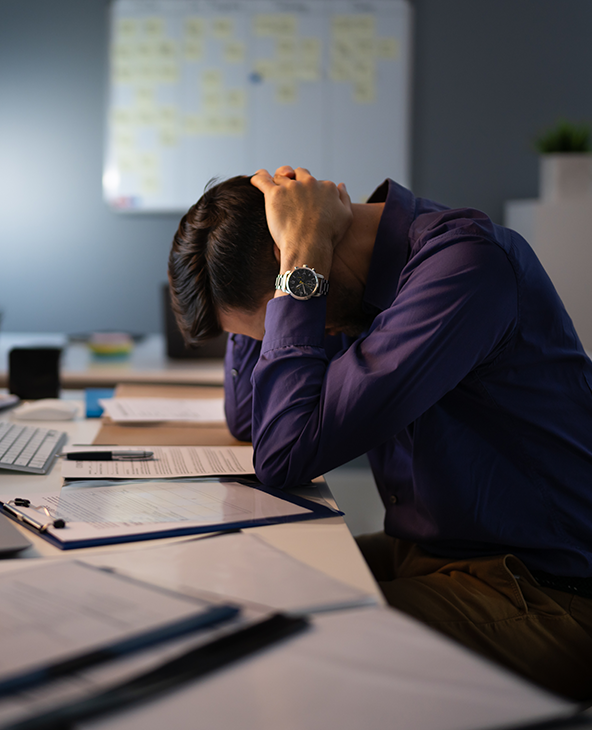
However, when stress becomes constant or overwhelming, this protective mechanism can work against overall health. Chronic stress keeps the body in a prolonged state of high alert, which over time can disrupt nearly every system in the body, from immune function and digestion to cardiovascular health and mental well-being.
Types of Stress
Stress is not the same for everyone. It can vary in duration, intensity, and impact on health. Broadly, stress can be grouped into the following types.
Acute Stress
Acute stress is short-term and develops in response to an immediate situation. It often comes from daily challenges such as meeting a deadline, giving a presentation, or dealing with a sudden argument. This type of stress usually settles once the situation passes. In small amounts, acute stress can improve focus and performance, but frequent episodes may lead to headaches, stomach upset, or irritability.
Chronic Stress
Chronic stress develops when stressful situations continue for a long time without relief. Ongoing work pressure, financial difficulties, long-term illness, or strained relationships are common causes. This type of stress can slowly affect both physical and mental health, increasing the risk of high blood pressure, sleep problems, anxiety, and low mood. Chronic stress often goes unnoticed until health issues begin to appear.
Episodic Acute Stress
Episodic acute stress occurs when acute stress happens repeatedly. It is commonly seen in people who feel constantly rushed or overwhelmed. Frequent worry, impatience, and tension are typical signs. Over time, this pattern may lead to migraines, chest discomfort, or persistent fatigue.
Causes of Stress
Stress can develop from many situations in daily life. Some causes are short-term and pass quickly, while others continue over time and affect both mental and physical health. The most common causes of stress include:
- Work-related pressure: Long working hours, heavy workload, tight deadlines, unclear job roles, or lack of job security can create constant mental pressure. Limited control over tasks, poor workplace communication, or ongoing conflict at work may further increase stress and affect sleep and concentration.
- Financial concerns: Ongoing worry about money often comes from rising living costs, debt, loan repayments, or unstable income. Financial stress can lead to constant anxiety, disturbed sleep, and difficulty managing daily responsibilities.
- Family and relationship issues: Emotional stress may develop from conflicts at home, marital problems, caregiving responsibilities, or lack of emotional support. Major life events such as separation, divorce, or loss of a loved one can intensify emotional strain.
- Health problems: Stress related to health can arise from chronic illness, long-term treatment, persistent pain, or recovery after surgery. Concern about personal health or the health of close family members can also contribute to ongoing stress.
- Academic and study pressure: Academic demands such as examinations, performance expectations, competitive environments, and career-related decisions often create stress in students. This pressure may affect confidence, focus, and sleep quality.
- Major life changes: Significant changes such as moving home, changing jobs, retirement, marriage, or becoming a parent may cause stress due to new responsibilities and adjustments, even when the change is positive.
- Environmental and social factors: External conditions like noise, traffic, overcrowding, pollution, or unsafe surroundings can lead to continuous discomfort. Social isolation, lack of community support, or pressure to meet social expectations may also increase stress levels.
- Poor lifestyle habits: Irregular sleep patterns, unhealthy diet, limited physical activity, excessive screen time, or lack of rest can reduce the body’s ability to cope with stress and worsen physical and mental fatigue.
Signs and Symptoms of Stress
Stress can affect the body and mind in different ways. Some signs appear early and may be mild, while others develop gradually when stress continues for a long time. Common signs and symptoms of stress include:
- Emotional changes: Persistent worry, irritability, restlessness, or feeling overwhelmed are common emotional signs of stress. Low mood, reduced motivation, or frequent mood swings may also develop over time.
- Mental and cognitive symptoms: Difficulty concentrating, racing thoughts, forgetfulness, or trouble making decisions often occur during periods of stress. Ongoing stress may also lead to negative thinking patterns.
- Sleep disturbances: Trouble falling asleep, waking frequently during the night, or waking too early can be linked to stress. Poor sleep may further increase fatigue and emotional sensitivity.
- Physical symptoms: Stress often presents through physical complaints such as headaches, muscle tension, neck or back pain, stomach discomfort, or changes in appetite. Some people may also experience frequent colds due to lowered immunity.
- Behavioural changes: Changes in daily habits may appear, such as overeating or loss of appetite, reduced physical activity, increased screen time, or withdrawal from social interaction.
- Heart and breathing symptoms: A fast heartbeat, chest tightness, shallow breathing, or feeling short of breath may occur during stressful periods, especially during anxiety episodes.
- Digestive issues: Stress can affect digestion, leading to bloating, acidity, nausea, constipation, or diarrhoea. These symptoms often worsen during emotionally demanding situations.
- Long-term warning signs: When stress continues without relief, symptoms such as constant fatigue, frequent illness, anxiety, or low mood may become more noticeable and interfere with daily functioning.
Why Choose Graphic Era Hospital for Stress Management and Treatment?
Choosing the right healthcare provider plays an important role in effective stress management. Here’s what sets Graphic Era Hospital apart:

Multidisciplinary mental health team: Graphic Era Hospital has experienced psychiatrists, clinical psychologists, physicians, and counsellors to address stress in a coordinated manner. This supports both emotional wellbeing and physical health, with care delivered in a setting that maintains privacy and confidentiality.

Comprehensive evaluation with integrated therapy options: We offer a complete range of services including psychotherapy, counseling, medication management, and therapeutic interventions. Individual therapy sessions, group counseling, stress reduction programs, and medical treatment are all available on-site, ensuring coordinated care without external referrals.

Supportive environment with continuity of care: A calm and structured care setting supports long-term stress management. Regular follow-ups, progress monitoring, and ongoing support help ensure continuity of care beyond the initial consultation.

Stress Management and Treatment Options Available at Graphic Era Hospital
Stress management requires a structured approach that addresses emotional, psychological, and physical symptoms. At Graphic Era Hospital, evidence-based treatment options are offered to support effective stress control and long-term wellbeing. These include:
Psychological and Talk Therapies
These therapies focus on understanding emotional triggers and stress-related thought patterns. Sessions help improve coping skills, emotional regulation, and response to daily stressors. Approaches such as counselling and structured psychological therapies are used based on clinical assessment. Therapy also supports long-term emotional resilience and behavioural change.
Mindfulness and Relaxation-Based Therapies
Mindfulness-based approaches help calm the stress response and improve awareness of thoughts and emotions. Techniques may include guided breathing, meditation, and body awareness practices. These therapies support relaxation, reduce physical tension, and improve emotional balance. Regular practice may help manage ongoing stress more effectively.
Behavioural and Coping Skills Training
This approach focuses on practical strategies to manage stress in everyday life. Training may include time management, problem-solving skills, and techniques to handle demanding situations. Behavioural guidance helps reduce stress build-up and supports healthier daily routines. These skills play an important role in long-term stress control.
Medications
Medical treatment may be advised when stress leads to significant emotional or physical symptoms. Medications may be prescribed to manage anxiety, low mood, or sleep disturbances when clinically required. Treatment is carefully monitored to ensure safety and effectiveness. Medication is usually combined with psychological support.
Health Risks of Chronic, Untreated Stress
When stress continues for long periods without proper management, it can affect multiple systems in the body. Chronic, untreated stress is associated with the following health risks:
- Heart and blood pressure problems: Long-term stress may increase heart rate and blood pressure, raising the risk of hypertension, heart disease, and stroke.
- Weakened immune system: Ongoing stress can reduce immune function, making the body more vulnerable to frequent infections and slower recovery from illness.
- Mental health conditions: Chronic stress is closely linked to anxiety disorders, depression, emotional exhaustion, and burnout, affecting daily functioning and quality of life.
- Sleep disorders: Persistent stress can disrupt sleep patterns, leading to insomnia, poor sleep quality, and daytime fatigue.
- Digestive issues: Stress may worsen digestive problems such as acidity, bloating, constipation, diarrhoea, and irritable bowel symptoms.
- Hormonal imbalance: Prolonged stress affects hormone regulation, which may contribute to weight changes, menstrual irregularities, and reduced energy levels.
- Muscle and joint pain: Constant muscle tension linked to stress can cause headaches, neck stiffness, back pain, and general body aches.
- Cognitive and memory problems: Long-term stress may affect concentration, memory, and decision-making abilities, interfering with work and daily tasks.
- Increased risk of unhealthy habits: Stress may lead to poor coping behaviours such as overeating, reduced physical activity, excessive screen use, or substance dependence.
Top Procedures
- Cognitive Behavioural Therapy (CBT) Sessions
- Mindfulness-Based Stress Reduction (MBSR) Programmes
- Guided Relaxation and Progressive Muscle Relaxation Therapy
- Psychodynamic and Insight-Oriented Therapy
- Structured Counselling Sessions
- Behavioural and Coping Skills Training
- Stress-Related Medication Management and Monitoring
Blog


World Breastfeeding Week 2026: Common Challenges New Mothers Face and How to Overcome Them





Frequently Asked Questions
How is stress diagnosed?
Stress is diagnosed through a combination of medical evaluation and psychological assessment. Specialists review your symptoms, lifestyle factors, emotional health, and may use standardised questionnaires to measure stress levels. This helps identify both the cause and severity of stress.
Is stress treatment available in Dehradun?
Yes, stress management and treatment services are available in Dehradun. Graphic Era Hospital provides evidence-based therapies, counselling, mindfulness programs, and medical support for managing stress.
Can stress be managed without medication?
Many cases of stress can be effectively managed without medication using therapy, relaxation techniques, mindfulness, and lifestyle adjustments. Medication is only recommended when stress causes significant psychological or physical symptoms that require clinical support.
Can stress cause physical health problems?
Yes, chronic stress can lead to a range of physical health problems, including high blood pressure, weakened immunity, sleep disturbances, digestive issues, and muscle tension. Long-term stress can also increase the risk of heart disease and hormonal imbalances.
Which hospital offers advanced stress management treatment in Uttarakhand?
Graphic Era Hospital in Dehradun offers advanced stress management treatments, including psychological therapies, mindfulness programs, counselling, structured behavioural training, and medical management. The hospital combines evidence-based therapies with long-term follow-up and ongoing support.
How long does stress therapy usually take?
The duration of stress therapy varies depending on individual needs and severity. Some patients may benefit from a few weeks of sessions, while others may require longer-term therapy combined with lifestyle guidance and follow-up support.
Is stress management suitable for all age groups?
Stress management therapies are suitable for both adults and adolescents. Treatment approaches may be adapted to age, lifestyle, and individual coping abilities to ensure the most effective outcomes.
 Emergency 24×7 : 1800 889 7351