Chronic Kidney Disease (CKD) is a progressive condition that gradually affects how well the kidneys filter waste products generated in the body, balance fluids, and regulate essential minerals in the body. In its early stages, CKD often develops silently, without clear symptoms and thus going undiagnosed. However, as kidney function declines, it can begin to affect appetite, heart health, bone strength, and overall well-being.
At Graphic Era Hospital in Dehradun, CKD is managed through a structured and patient-centred approach that focuses on early detection, accurate staging, and long-term care. The focus is not only on treating the disease but also on slowing its progression, managing associated complications, and helping patients maintain a stable and active life.
What is Chronic Kidney Disease?
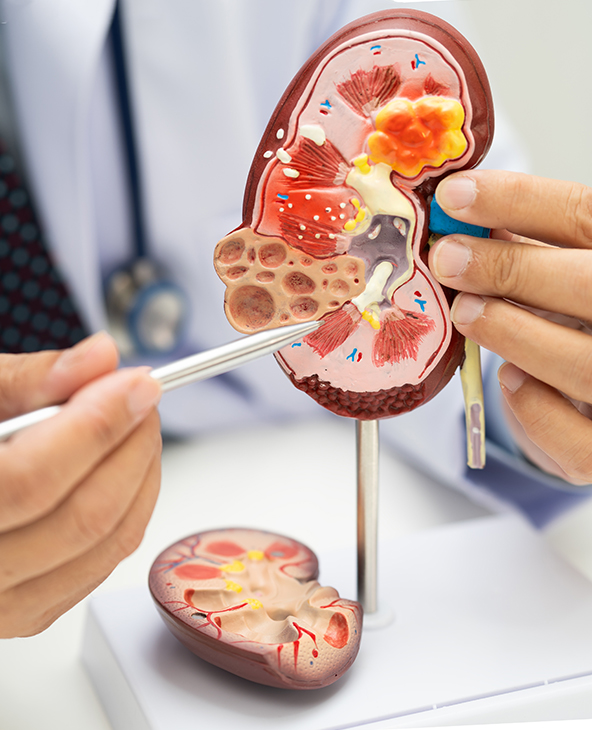
Chronic Kidney Disease refers to a long-term reduction in kidney function that persists over months or years (with evidence suggesting its presence for > 3 months). The kidneys play a vital role in filtering toxins, maintaining electrolyte balance including acid-base balance, controlling blood pressure, and supporting red blood cell production. When kidney function declines, these processes are disrupted, leading to a wide range of health concerns.
CKD is different from Acute (sudden) kidney injury. It develops gradually and is typically irreversible, although its progression can often be slowed significantly with timely care. The condition is assessed based on how efficiently the kidneys filter blood, along with the presence of protein, blood and other abnormalities in urine.
Understanding CKD Stages and Disease Progression
CKD is classified into stages based on the level of kidney function. This staging helps guide treatment and monitoring.
- Early stages (Stage 1–2): Kidney function is mildly reduced, more often without obvious symptoms. The focus is on identifying underlying causes and preventing further damage.
- Moderate stage (Stage 3): Waste products begin to accumulate, and patients may start experiencing fatigue, swelling, or changes in urination.
- Advanced stages (Stage 4–5): Kidney function declines significantly. Stage 5, often referred to as kidney failure, may require dialysis or transplantation to sustain life.
Not all patients progress at the same rate. With proper management, many individuals remain stable for years without reaching advanced stages.
Symptoms of Chronic Kidney Disease
CKD symptoms can be subtle in the beginning and easily missed. They become more noticeable as the disease progresses. Common signs include:
- Persistent tiredness or weakness
- Swelling in the feet, ankles, legs or around the eyes due to fluid retention
- Changes in urination, including increased frequency, reduced output, or foamy urine
- Loss of appetite, nausea, or a metallic taste in the mouth
- Difficulty concentrating or mental fatigue
- Muscle cramps, especially at night
In advanced stages, symptoms may become more severe and include breathlessness, severe swelling, and complications related to toxin build-up in the body.
Causes and Risk Factors for CKD
Chronic Kidney Disease usually develops due to long-standing conditions that place continuous strain on the kidneys.
Diabetes is the leading cause in India as high blood sugar damages the tiny blood vessels responsible for filtration. High blood pressure increases pressure within these vessels, gradually impairing kidney function.
Other contributing factors include:
- Inflammatory kidney conditions affecting filtration units
- Genetic disorders such as polycystic kidney disease
- Repeated urinary tract infections or long-term obstruction
- Autoimmune diseases affecting the kidneys
- Prolonged use of certain medications that affect kidney health
- Kidney stones causing long term obstruction
Some individuals are at higher risk, including those with a family history of kidney disease, older adults, and people with obesity or cardiovascular conditions.
How CKD is Diagnosed
Early diagnosis plays a critical role in slowing disease progression. Evaluation involves a combination of laboratory tests and clinical assessment.
- Blood tests like KFT measure waste products and help estimate kidney function
- Urine analysis identifies protein leakage and other bnormalities
- Monitoring creatinine levels provides insight into how well the kidneys are filtering blood
- Kidney function tests help determine the stage and severity of disease
- Imaging studies such as ultrasound assess kidney size and structure
- Kidney biopsy, when required, helps identify specific causes
This systematic approach ensures that treatment is not generic but tailored to the underlying cause and stage of disease.
Treatment Approach for Chronic Kidney Disease
Treatment focuses on three key goals: slowing progression, managing symptoms, and preventing complications.
Medical Management in Early and Moderate Stages
In the earlier stages, treatment aims to protect remaining kidney function:
- Controlling blood sugar in diabetic patients
- Managing blood pressure to reduce strain on the kidneys
- Prescribing medications to reduce protein loss in urine
- Addressing underlying conditions contributing to kidney damage
Regular monitoring allows timely adjustments to treatment and helps prevent sudden deterioration.
Managing Complications of CKD
As kidney function declines, several complications may develop:
- Anaemia: Reduced production of red blood cells can lead to fatigue and weakness
- Metabolic imbalances: Changes in acid levels (metabolic acidosis) can affect overall body function
- Bone and mineral disorders: Imbalance of calcium and phosphorus can weaken bones
- Fluid retention: Leading to swelling and increased blood pressure
Each of these is managed through targeted therapies, dietary adjustments, and regular monitoring.
Dialysis and Advanced Kidney Support
When kidney function becomes severely impaired, dialysis may be required to perform the filtration functions of the kidneys.
- Haemodialysis: Blood is filtered through a machine to remove waste and excess fluids
- Peritoneal dialysis: The lining of the abdomen is used to filter blood internally
The choice depends on the patient’s medical condition, lifestyle, and overall suitability.
Kidney Transplant as a Long-Term Option
For suitable patients, kidney transplantation offers a more permanent solution. It involves replacing the damaged kidney with a healthy donor kidney. Careful evaluation ensures that the patient as well as the donor is medically fit and prepared for long-term post-transplant care.
Doctors Available



Why Choose Graphic Era Hospital for CKD Treatment in Dehradun?
When it comes to choosing the right care for chronic kidney disease, having access to experienced specialists, accurate diagnostics, and consistent follow-up can make a meaningful difference. Graphic Era Hospital is recognised as one of the trusted centres for kidney care in Dehradun. Here’s why patients and their families choose us:

Specialist-Led, Stage-Based Care : CKD is not managed with a one-size-fits-all approach. Care is led by experienced kidney specialists who assess the stage of the disease, underlying cause, and associated conditions such as diabetes or hypertension. This allows for personalised treatment plans that focus on slowing progression, managing symptoms effectively, and reducing the risk of complications over time.

Comprehensive Diagnostics for Accurate Evaluation : Effective CKD management depends on precise and timely diagnosis. The hospital offers a complete range of investigations, including kidney function tests, urine analysis, imaging, and advanced assessments when required. Having all diagnostic services available under one roof ensures faster decision-making and a clear understanding of disease severity from the outset.

End-to-End Kidney Care Under One Roof : From early-stage management and lifestyle guidance to advanced treatments such as dialysis and transplant evaluation, patients receive continuous care at every stage of CKD. This integrated approach reduces the need for multiple referrals and ensures that treatment remains consistent, coordinated, and aligned with the patient’s evolving needs.

Diet and Lifestyle in CKD Management
Diet plays a crucial role in managing CKD and slowing its progression. A structured dietary plan helps reduce the workload on the kidneys.
Key recommendations include:
- Limiting salt intake to control blood pressure and fluid retention
- Regulating protein intake to avoid excess strain on the kidneys
- Managing potassium and phosphorus levels based on disease stage
- Ensuring adequate but controlled fluid intake
Lifestyle adjustments such as regular physical activity, avoiding smoking, and maintaining a healthy weight further support kidney health.
Types and Special Situations in CKD
While CKD is generally a chronic condition, certain patterns require special attention:
- Acute-on-chronic kidney disease: A sudden worsening of existing CKD due to infection, dehydration, or medication intake etc.
- CKD related to systemic diseases: Such as diabetes or autoimmune conditions like Lupus
- Hereditary kidney disorders: Affecting kidney structure and function over time like ADPKD
Recognising these variations is important for tailoring treatment strategies effectively.
Living with Chronic Kidney Disease
A diagnosis of CKD often requires long-term adjustments, but with the right care, many patients lead stable and fulfilling lives.
Practical steps include:
- Adhering to prescribed medications and follow-up schedules
- Monitoring blood pressure and blood sugar regularly
- Avoiding self-medication, especially painkillers
- Staying informed about symptoms that require medical attention
- Maintaining open communication with healthcare providers
The focus remains on preventing complications while preserving quality of life.
Nephrology Conditions Treated at Graphic Era Hospital
Advanced Diagnostics & Technology
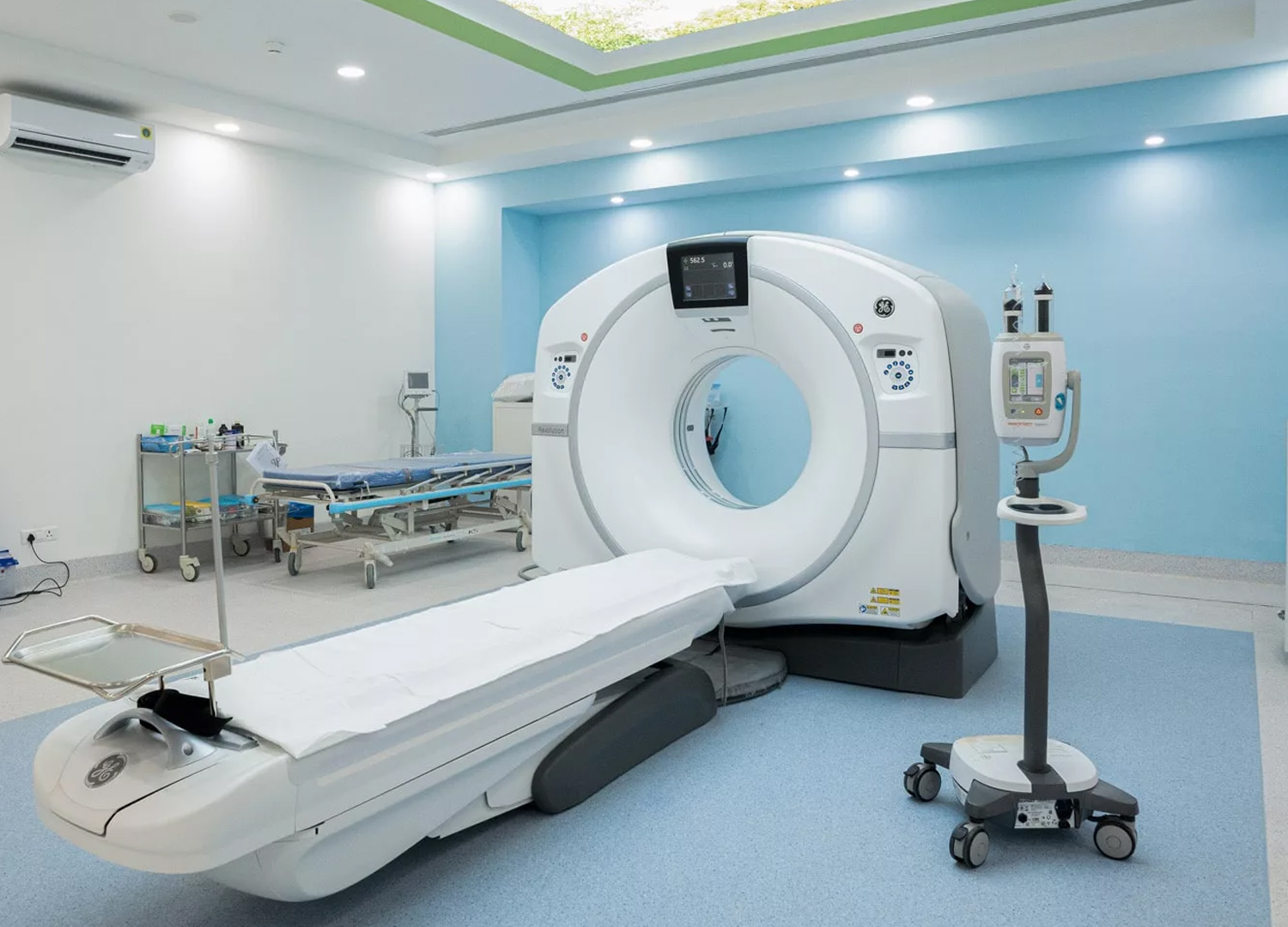
- Offers high-resolution imaging for detailed blood vessel analysis, aiding in accurate diagnosis and treatment planning.
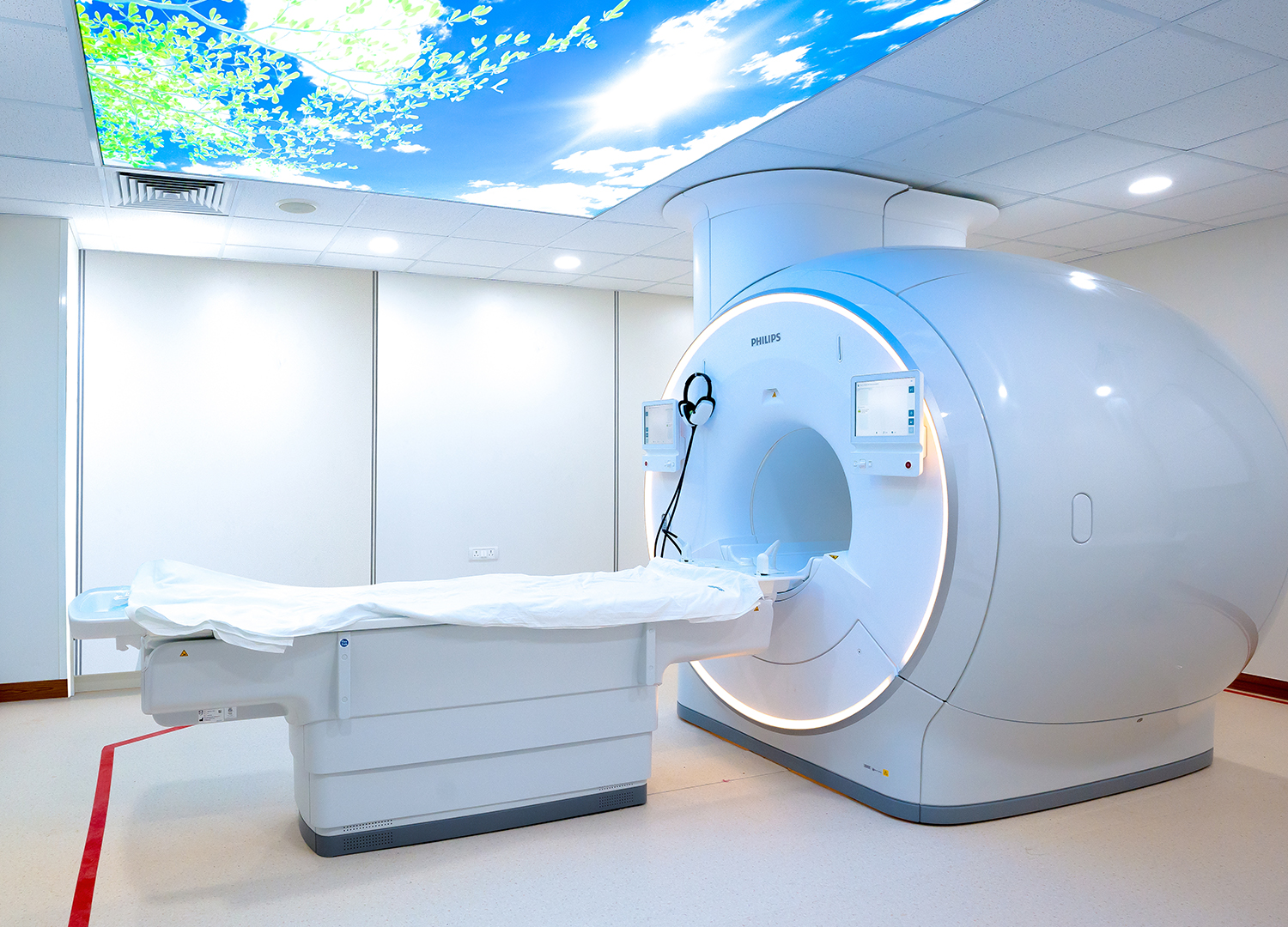
- Delivers advanced imaging with high resolution for clear, detailed views of soft tissues, ensuring precise diagnostics.
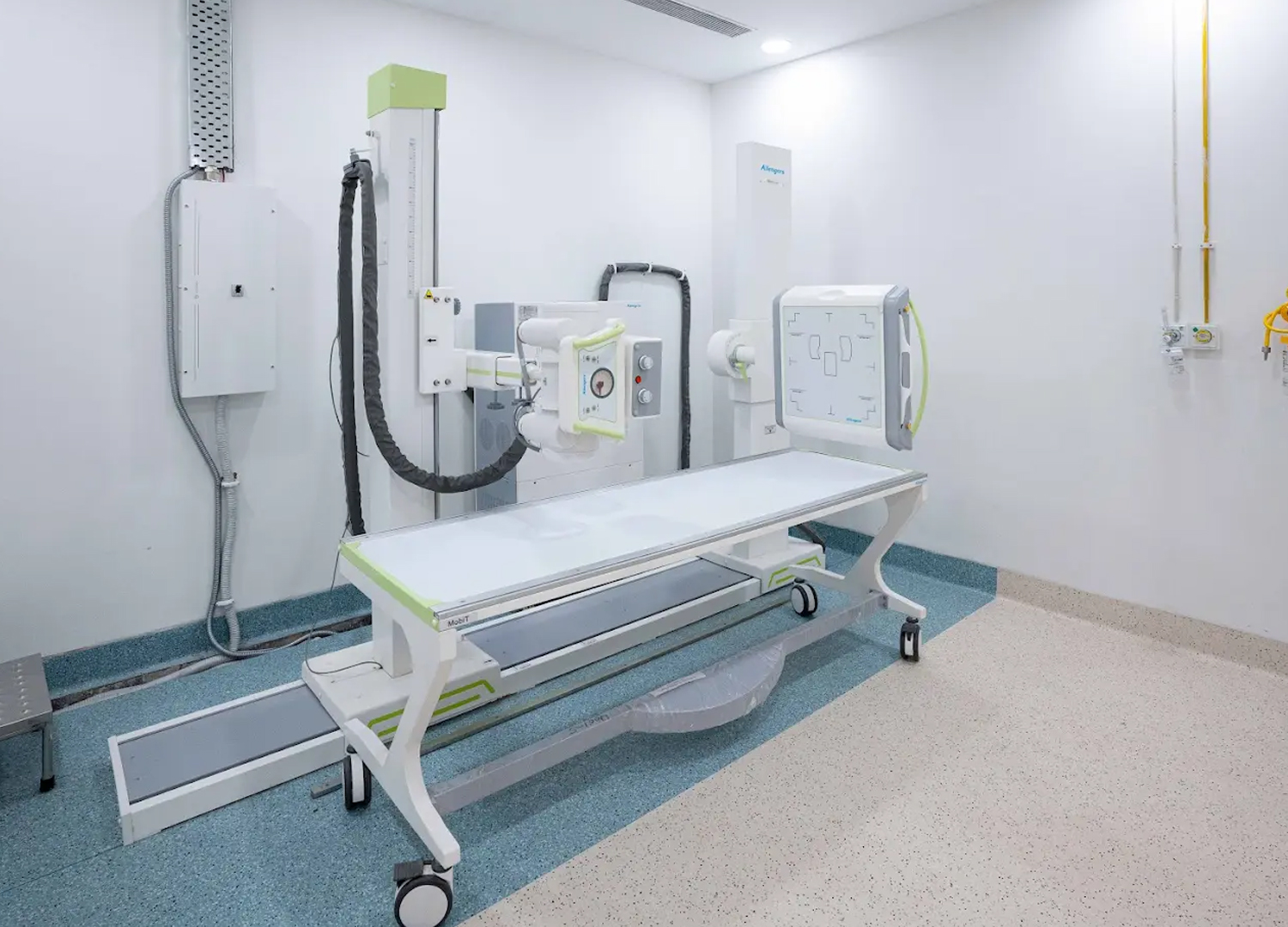
- Provides high-quality, detailed radiographic images for accurate diagnosis with minimal exposure to radiation.
Other Specialities


Patient Stories





Blog










Frequently Asked Questions (FAQs)
Can CKD be cured?
CKD is generally not reversible, but early detection and proper treatment can slow progression and prevent complications.
What is the role of creatinine in CKD?
Creatinine is a waste product measured in blood tests. Elevated levels indicate reduced kidney function and help assess disease severity.
Is dialysis permanent?
Dialysis may be temporary in some cases, but in advanced CKD, it is often required on long-term basis unless a kidney transplant is performed.
How does CKD affect daily life?
With proper management, many patients continue their normal activities, although dietary changes and regular monitoring become essential.
Can lifestyle changes really help?
Yes, diet, exercise, and control of underlying conditions play a major role in slowing disease progression.
When should chronic kidney disease (CKD) be taken seriously?
CKD should be taken seriously at all stages, even when symptoms are mild or absent. Early diagnosis and timely treatment help prevent complications such as heart disease and kidney failure. If you have risk factors like diabetes or high blood pressure, seek medical advice promptly.
What are the early warning signs of CKD?
Early CKD may not cause noticeable symptoms. Subtle signs like fatigue, mild swelling, or changes in urination are often overlooked, which is why routine testing is important in high-risk individuals.
How often should CKD patients get tested?
The frequency depends on the stage of the disease. Early-stage patients may need periodic monitoring, while advanced stages require more frequent testing and follow-up.
Is a kidney transplant the only long-term solution for advanced CKD?
A kidney transplant is one of the most effective long-term options for suitable patients, but not everyone is eligible. Dialysis and medical management are also important treatment approaches.
Can medications worsen kidney function?
Yes, certain medications like over the counter pain killers, alternative and traditional medications especially when used long-term or without supervision, can affect kidney function. It is important to consult a doctor before taking any new medicines.