Erectile dysfunction affects a significant number of men, yet it remains one of the least talked about health concerns. For many, the silence comes from embarrassment, a fear of judgment, or simply not knowing that effective help exists. As a result, a condition that is largely treatable often goes unaddressed for far longer than it should.
The good news is that in most cases, ED can be treated successfully, particularly when it is caught early. This is because the condition rarely exists in isolation. It is almost always connected to an underlying cause, whether physical, psychological, or both, and once that cause is identified and addressed, meaningful improvement is possible.
At Graphic Era Hospital, Dehradun, ED is evaluated through a confidential, comprehensive assessment. Our specialists take a structured, cause-first approach, reviewing medical history, lifestyle factors, and relevant investigations, before recommending a treatment plan tailored to each patient.

What is Erectile Dysfunction?
Erectile dysfunction (ED) is a condition characterised by difficulty achieving or maintaining an erection firm enough for satisfactory sexual activity. While occasional erection problems can happen from time to time due to stress, tiredness, alcohol consumption, or emotional factors, persistent difficulty may indicate an underlying health issue that requires medical attention.
An erection is a complex process that involves the brain, hormones, nerves, muscles, and blood vessels working together. Sexual stimulation triggers increased blood flow to the penis, allowing it to become firm and maintain an erection during sexual activity. Problems affecting any part of this process, whether physical or psychological, can contribute to erectile dysfunction.
Erectile dysfunction is not simply a normal part of ageing, although the risk may increase with age due to health conditions that become more common over time. In many cases, ED may be associated with conditions such as diabetes, high blood pressure, heart disease, obesity, hormonal imbalance, stress, anxiety, depression, or certain medications.
Types and Causes of Erectile Dysfunction
Erectile dysfunction is not a single condition with a single cause. In many cases, it develops due to a combination of physical, psychological, hormonal, neurological, or lifestyle-related factors. Identifying the underlying cause is important because effective treatment often depends on addressing the specific issue contributing to the condition.
- Vascular Erectile Dysfunction: Vascular causes are among the most common physical drivers of erectile dysfunction. An erection depends on healthy blood flow to the penis, and conditions that affect blood circulation can interfere with this process. High blood pressure, high cholesterol, atherosclerosis, and cardiovascular disease are common causes in this category. Because these conditions affect blood vessels throughout the body, erectile dysfunction can sometimes act as an early warning sign of underlying heart or vascular disease.
- Metabolic and Hormonal Erectile Dysfunction: Metabolic and hormonal factors can affect both sexual desire and the physical ability to achieve an erection. Conditions such as diabetes, obesity, low testosterone levels, and thyroid disorders fall into this category. Diabetes is particularly significant because it can damage both blood vessels and nerves over time, directly affecting erectile function.
- Neurological Erectile Dysfunction: Neurological erectile dysfunction occurs when the nerve signals involved in sexual arousal and erections are disrupted. This may result from conditions such as multiple sclerosis, Parkinson’s disease, stroke, spinal cord injury, or nerve damage following pelvic surgery or trauma.
- Psychological Erectile Dysfunction: Psychological causes include stress, anxiety, depression, performance pressure, and relationship difficulties. In some individuals, emotional or mental health concerns are the primary reason for erectile dysfunction. In others, psychological stress may develop after an initial physical problem and gradually worsen the condition over time.
- Medication and Lifestyle-Related Erectile Dysfunction: Certain medications and lifestyle habits can contribute to erectile dysfunction or increase its severity over time. Medicines used for high blood pressure, depression, anxiety, and hormonal conditions may sometimes affect sexual function as a side effect. Smoking, excessive alcohol consumption, lack of physical activity, poor sleep, and obesity can also impair blood circulation, hormone balance, and overall sexual health.
Symptoms of Erectile Dysfunction and When to See a Doctor
Erectile dysfunction can affect sexual performance, emotional wellbeing, confidence, and intimate relationships. Symptoms may develop gradually or appear suddenly, depending on the underlying cause. While occasional erection difficulties can happen from time to time, persistent or recurring symptoms should not be ignored, particularly when they begin affecting quality of life or may be linked to an underlying medical condition.
Common symptoms include:
- Difficulty Achieving an Erection: One of the most common signs of erectile dysfunction is difficulty getting an erection despite sexual desire or stimulation.
- Difficulty Maintaining an Erection: Some individuals may be able to achieve an erection but have trouble maintaining it long enough for satisfactory sexual activity.
- Reduced Sexual Desire: In some cases, erectile dysfunction may occur along with a decrease in sexual interest or libido, particularly when hormonal imbalance, stress, or emotional health issues are involved.
- Anxiety Related to Sexual Performance: Repeated erection difficulties may lead to stress, embarrassment, low confidence, or performance anxiety, which can further worsen symptoms over time.
- Relationship and Emotional Difficulties: Persistent erectile dysfunction can affect emotional intimacy and relationships, sometimes leading to frustration, withdrawal, or reduced self-esteem.
When to Seek Medical Attention
Medical evaluation is important if erection problems:
- Occur repeatedly or persist over time
- Begin affecting confidence, relationships, or emotional wellbeing
- Are associated with conditions such as diabetes, high blood pressure, or heart disease
- Develop suddenly without an obvious reason
- Occur along with reduced sexual desire or other sexual health concerns
In some cases, erectile dysfunction may be an early sign of an underlying health condition involving blood vessels, nerves, hormones, or mental health. Timely evaluation can help identify the cause and guide appropriate treatment.
Risk Factors for Erectile Dysfunction
Several factors can increase the likelihood of developing erectile dysfunction, particularly when they affect blood circulation, nerve function, hormone balance, or overall health. While having one or more risk factors does not always mean a person will develop ED, understanding these factors can help support early evaluation, lifestyle modification, and timely treatment.
- Increasing Age: The likelihood of erectile dysfunction tends to increase with age, partly because conditions such as diabetes, high blood pressure, and heart disease become more common over time. However, ED is not considered a normal or inevitable part of ageing.
- Smoking: Smoking can damage blood vessels and reduce blood flow throughout the body, including to the penis, increasing the risk of erectile dysfunction.
- Excessive Alcohol Consumption: Long-term or heavy alcohol use may affect hormone levels, nerve function, and sexual performance.
- Obesity: Excess body weight is associated with diabetes, poor circulation, hormonal changes, and reduced physical fitness, all of which can contribute to ED.
- Physical Inactivity: A sedentary lifestyle may increase the risk of conditions such as obesity, heart disease, and poor blood circulation, which are linked to erectile dysfunction.
- Diabetes: Poorly controlled diabetes can damage nerves and blood vessels involved in erections, significantly increasing the risk of erectile dysfunction.
- High Blood Pressure and Heart Disease: Conditions affecting blood vessels and circulation may interfere with adequate blood flow required for normal erections.
- Stress and Mental Health Conditions: Chronic stress, anxiety, depression, and emotional strain can affect sexual desire, arousal, and overall sexual function.
- Sleep Disorders: Poor sleep quality and sleep-related conditions may affect hormone production, energy levels, and sexual health.
- Certain Medications: Some medicines used to treat high blood pressure, depression, anxiety, or chronic illnesses may increase the risk of erectile dysfunction in certain individuals.
Doctors Available


Why Choose Graphic Era Hospital, Dehradun, for Erectile Dysfunction Treatment

Confidential and Patient-Focused Care : Erectile dysfunction can be a sensitive condition for many individuals to discuss openly. At Graphic Era Hospital, consultations and treatment planning are handled with complete confidentiality, professionalism, and a patient-focused approach that encourages comfortable and honest communication.

Comprehensive Evaluation to Identify the Underlying Cause : Erectile dysfunction may be linked to conditions such as diabetes, blood vessel disorders, hormonal imbalance, neurological diseases, medication side effects, or psychological stress. Our specialists focus on identifying the exact contributing factors through detailed evaluation and appropriate investigations before recommending treatment.

Personalised Treatment and Long-Term Support : Treatment is planned according to the underlying cause, severity of symptoms, overall health, and patient preferences. Depending on individual needs, management may include lifestyle modification, medication, counselling, management of associated medical conditions, or advanced therapies aimed at improving sexual health and overall wellbeing.
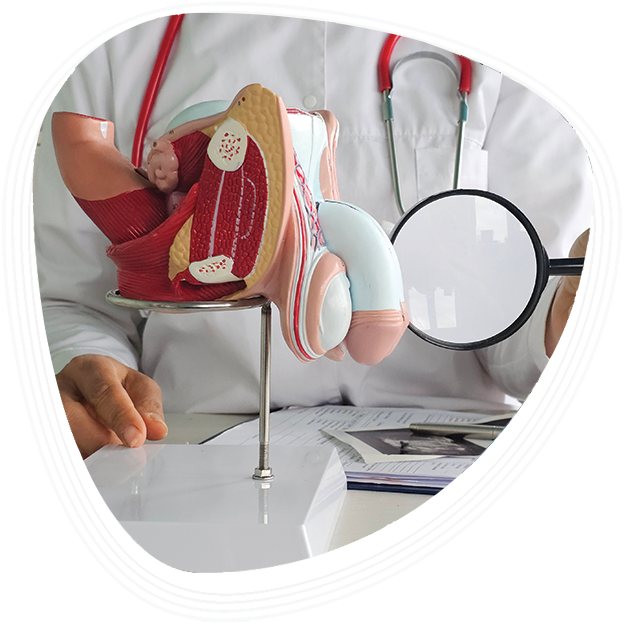
Erectile Dysfunction Treatment at Graphic Era Hospital: From Diagnosis to Long-Term Management
Diagnostic Approach
Effective treatment of erectile dysfunction begins with identifying the underlying cause. At Graphic Era Hospital, patients are evaluated through a structured and confidential approach that helps determine whether the condition is related to physical health, emotional wellbeing, lifestyle factors, or a combination of multiple causes.
Medical and Sexual History Assessment
The doctor discusses symptoms, frequency of erection difficulties, existing medical conditions, medications, lifestyle habits, emotional health, and sexual history to better understand the nature of the problem and identify possible contributing factors.
Physical Examination
A physical examination may be performed to assess blood circulation, nerve function, hormonal signs, and overall health. This also helps identify conditions that may be associated with erectile dysfunction.
Blood Tests and Health Screening
Blood investigations may be advised to check for diabetes, cholesterol abnormalities, hormone imbalance, kidney disease, or other medical conditions that can contribute to erectile dysfunction.
Psychological Assessment
Stress, anxiety, depression, and relationship concerns can play an important role in sexual health. When needed, psychological evaluation may help identify emotional factors affecting erectile function.
Additional Diagnostic Tests
In selected cases, specialised tests may be recommended to assess blood flow, nerve function, or other factors related to erections, particularly when symptoms are severe or do not improve with initial treatment.
Treatment Approach
Treatment for erectile dysfunction depends on the underlying cause, severity of symptoms, overall health, and patient expectations. In many cases, a combination of treatments may provide the best long-term results.
Lifestyle Modification
Improving physical activity, maintaining a healthy weight, stopping smoking, limiting alcohol consumption, managing stress, and improving sleep habits may help improve erectile function and overall health.
Oral Medications
Medicines that improve blood flow to the penis are commonly used in the treatment of erectile dysfunction. These medications are prescribed only after proper medical evaluation to ensure they are safe and appropriate for the patient.
Management of Underlying Health Conditions
Treating associated conditions such as diabetes, high blood pressure, heart disease, hormonal imbalance, or kidney disease is often an important part of long-term ED management.
Psychological Counselling and Therapy
Counselling may help individuals experiencing stress, anxiety, depression, or relationship difficulties that contribute to erectile dysfunction. In some cases, counselling is combined with medical treatment for better outcomes.
Hormone Therapy
When erectile dysfunction is linked to low testosterone or other hormonal disorders, hormone replacement therapy may be considered in carefully selected patients.
Vacuum Erection Devices
These devices help improve blood flow to the penis and may be recommended for certain individuals who cannot use medications or require additional support.
Injectable Therapies and Advanced Treatments
In selected cases where oral medications are ineffective, injectable treatments or other advanced therapies may be considered after specialist evaluation.
Penile Implant Surgery
For severe erectile dysfunction that does not respond to other treatments, penile implants may be considered as a long-term surgical solution in carefully selected patients.
Long-Term Management and Follow-Up
Erectile dysfunction often requires ongoing management rather than one-time treatment, particularly when linked to chronic medical conditions or lifestyle factors. At Graphic Era Hospital, patients receive continued support aimed at improving sexual health, confidence, and overall wellbeing.
Monitoring Treatment Response
Follow-up consultations help assess improvement in symptoms, response to treatment, and any side effects that may require adjustment in therapy.
Managing Associated Health Conditions
Long-term control of diabetes, blood pressure, obesity, heart disease, and other medical conditions plays an important role in improving erectile function and reducing future complications.
Emotional and Relationship Support
Addressing emotional wellbeing, stress, and relationship concerns can help improve treatment outcomes and overall quality of life.
Lifestyle Guidance for Better Sexual Health
Patients are guided on exercise, nutrition, sleep, stress management, and other lifestyle measures that support long-term sexual and cardiovascular health.
Lifestyle Changes To Help Improve Erectile Dysfunction
Lifestyle habits can play an important role in sexual health and may contribute to both the development and progression of erectile dysfunction. In many individuals, improving overall health through lifestyle modification can help improve erectile function, support medical treatment, and reduce the risk of long-term complications.
- Maintain Regular Physical Activity: Regular exercise helps improve blood circulation, heart health, energy levels, and weight management, all of which are important for healthy erectile function.
- Achieve and Maintain a Healthy Weight: Obesity is associated with diabetes, poor circulation, hormonal imbalance, and reduced physical fitness, which can increase the risk of erectile dysfunction. Maintaining a healthy weight may help improve sexual health and overall wellbeing.
- Stop Smoking: Smoking damages blood vessels and affects blood flow throughout the body, including the penis. Quitting smoking may help improve circulation and reduce further damage to blood vessels.
- Limit Alcohol Consumption: Excessive alcohol use can affect hormone levels, nerve function, and sexual performance. Reducing alcohol intake may help improve erectile function in some individuals.
- Manage Stress and Mental Health: Stress, anxiety, depression, and emotional strain can affect sexual desire and performance. Managing mental health through relaxation techniques, counselling, adequate rest, and emotional support may be beneficial.
- Work on Sleep Quality: Poor sleep and sleep-related disorders may affect hormone production, energy levels, and sexual health. Maintaining healthy sleep habits can support overall wellbeing and erectile function.
- Control Medical Conditions: Proper management of diabetes, high blood pressure, heart disease, and other chronic conditions is important for protecting blood vessels and nerve function involved in erections.
- Avoid Self-Medication: Using unprescribed medicines or supplements for erectile dysfunction without medical supervision may be unsafe and can sometimes worsen underlying health problems. Professional medical evaluation is important before starting treatment.
Top Erectile Dysfunction Investigations and Treatments
Investigations
- Medical and Sexual History Assessment
- Physical Examination
- Blood Sugar Testing for Diabetes
- Hormone Evaluation Including Testosterone Levels
- Lipid Profile and Cardiovascular Risk Assessment
- Kidney Function Tests
- Psychological Evaluation When Required
- Specialised Blood Flow or Nerve Function Tests in Selected Cases
Treatments
- Lifestyle Modification and Risk Factor Management
- Oral Medications for Erectile Dysfunction
- Management of Underlying Medical Conditions
- Psychological Counselling and Therapy
- Hormone Replacement Therapy in Selected Patients
- Vacuum Erection Devices
- Injectable Therapies
- Penile Implant Surgery for Severe Cases
- Long-Term Follow-Up and Sexual Health Support
Advanced Diagnostics & Technology
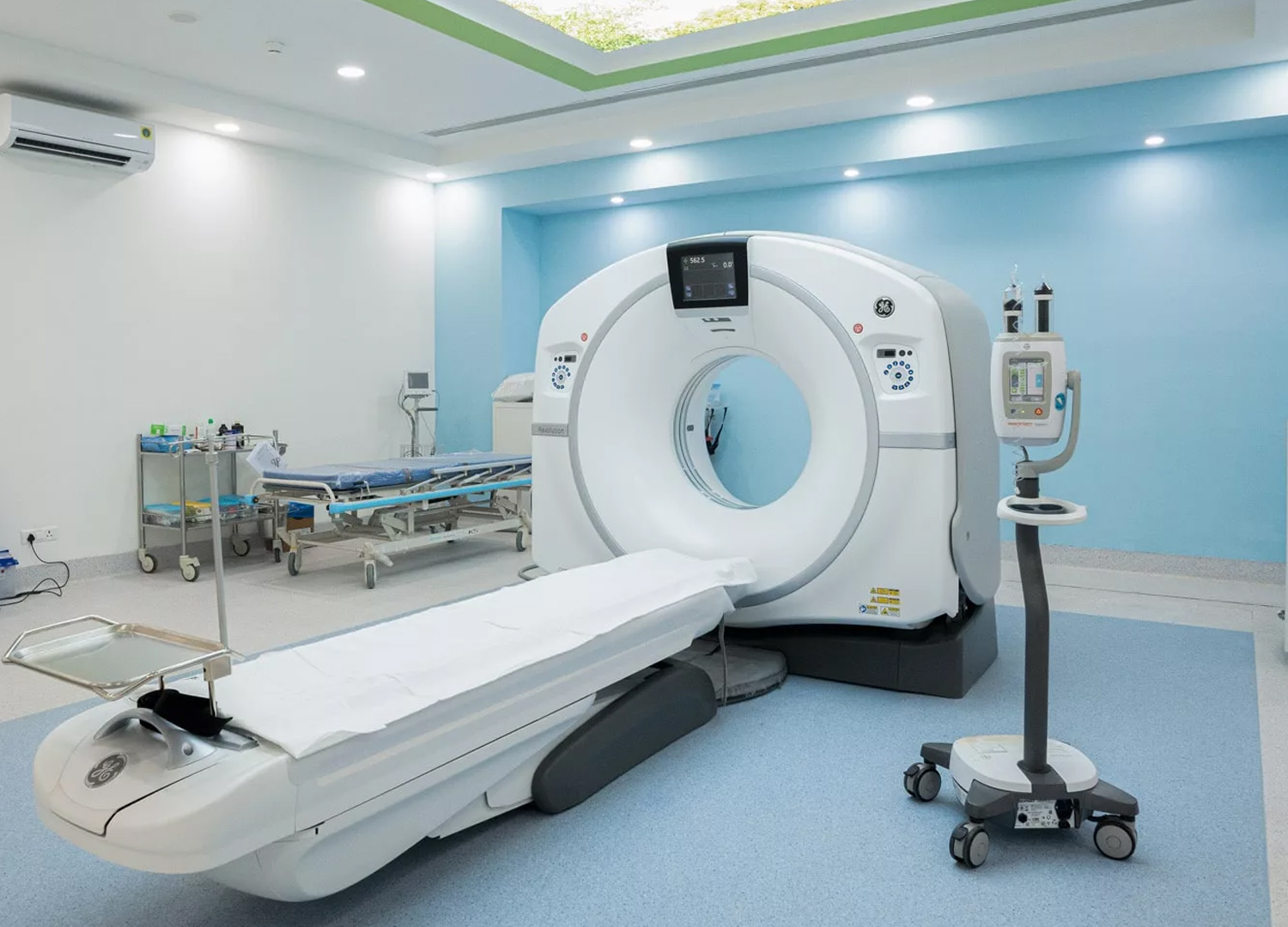
- Offers high-resolution imaging for detailed blood vessel analysis, aiding in accurate diagnosis and treatment planning.
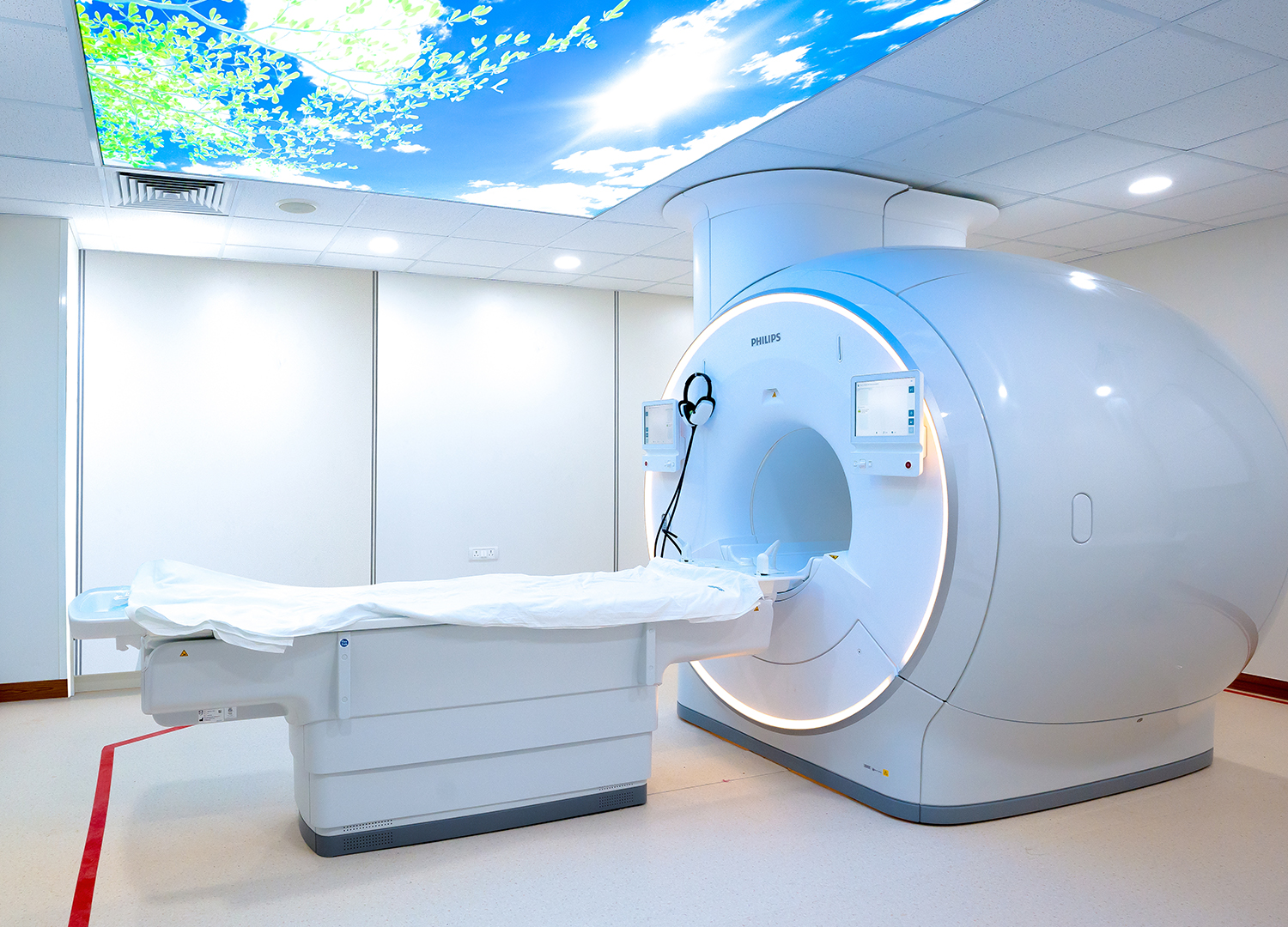
- Delivers advanced imaging with high resolution for clear, detailed views of soft tissues, ensuring precise diagnostics.
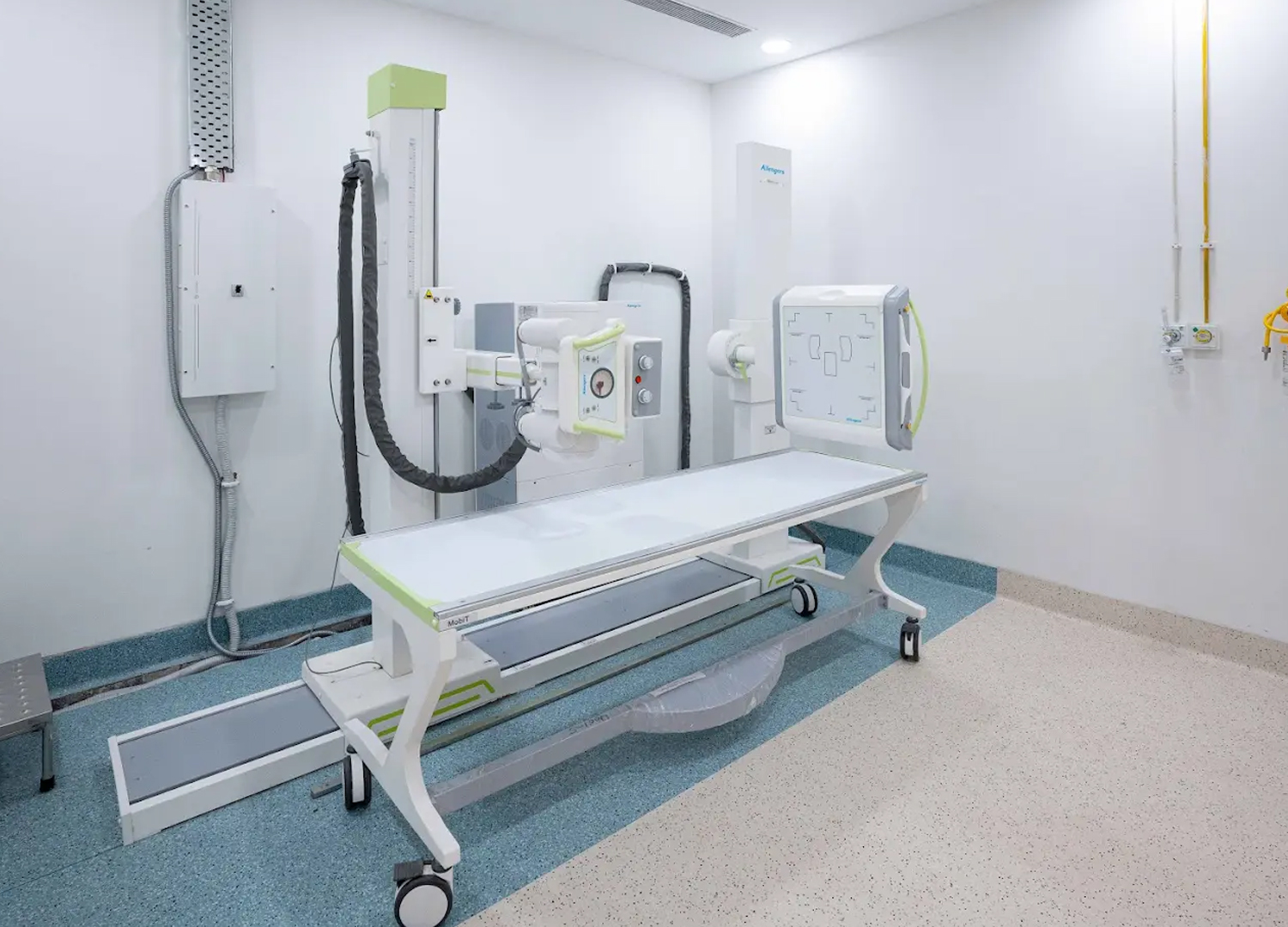
- Provides high-quality, detailed radiographic images for accurate diagnosis with minimal exposure to radiation.
Other Specialities


Patient Stories





Blog






Frequently Asked Questions (FAQs)
Is erectile dysfunction a common condition?
Yes. Erectile dysfunction is a common condition that can affect men at different ages. While the likelihood may increase with age, ED is not considered a normal part of ageing and often has an underlying physical or psychological cause that can be treated.
Can erectile dysfunction be treated successfully?
In many cases, yes. Erectile dysfunction is often treatable, especially when the underlying cause is identified early. Treatment may involve lifestyle changes, medications, management of medical conditions, counselling, or advanced therapies depending on the individual case.
Does erectile dysfunction always mean there is a serious health problem?
Not always. Temporary erection difficulties can occur due to stress, tiredness, alcohol use, or emotional factors. However, persistent ED may sometimes be linked to conditions such as diabetes, high blood pressure, heart disease, hormonal imbalance, or mental health concerns, which is why medical evaluation is important.
Can stress and anxiety cause erectile dysfunction?
Yes. Stress, anxiety, depression, performance pressure, and relationship difficulties can all affect sexual function and contribute to erectile dysfunction. In some individuals, psychological factors are the primary cause, while in others they may worsen an existing physical problem.
Is erectile dysfunction only related to ageing?
No. Although the risk of ED may increase with age, younger individuals can also develop erectile dysfunction due to stress, diabetes, obesity, smoking, hormonal problems, lifestyle factors, or other medical conditions.
Can diabetes lead to erectile dysfunction?
Yes. Diabetes is one of the most common risk factors for erectile dysfunction because it can damage blood vessels and nerves involved in achieving and maintaining an erection.
Are erectile dysfunction medications safe?
ED medications can be effective for many individuals, but they should only be taken after proper medical evaluation. Certain medications may not be suitable for people with specific heart conditions or those taking nitrate medicines.
Can lifestyle changes improve erectile dysfunction?
In some cases, yes. Regular exercise, weight management, stopping smoking, reducing alcohol intake, improving sleep, and controlling conditions such as diabetes and high blood pressure may help improve erectile function and overall health.
When should I see a doctor for erectile dysfunction?
You should seek medical advice if erection problems occur repeatedly, persist over time, affect confidence or relationships, or are associated with other health conditions such as diabetes, high blood pressure, or reduced sexual desire.
What treatments are available for erectile dysfunction at Graphic Era Hospital?
Depending on the underlying cause, treatment may include lifestyle modification, oral medications, counselling, management of associated medical conditions, hormone therapy, vacuum erection devices, injectable therapies, or penile implant surgery in selected cases.
Is erectile dysfunction treatment confidential?
Yes. At Graphic Era Hospital, consultations and treatment for erectile dysfunction are handled with complete confidentiality and professionalism to help patients discuss their concerns comfortably.
How do I book an appointment at Graphic Era Hospital for erectile dysfunction treatment?
You can schedule an appointment online through the hospital website or call 1800-889-7351 for assistance. Patients may also opt for a virtual consultation by selecting a specialist through the hospital’s Virtual Consultation Portal.