When the kidneys lose their ability to function effectively, the impact on the body is far-reaching, affecting waste removal, fluid regulation, and electrolyte balance. Loss of kidney function may emerge gradually as a consequence of long-standing chronic conditions or develop acutely, each presenting its own clinical challenges and requiring a tailored response. Identifying the nature, cause, and stage of the condition early is essential to guiding appropriate treatment and preventing further deterioration.
At Graphic Era Hospital, Dehradun, treatment for loss of kidney function is delivered through a comprehensive, multidisciplinary approach involving nephrologists, urologists, dialysis specialists, and critical care teams. Treatment plans are tailored to the underlying cause, stage of kidney disease, and the patient’s overall health status. With access to advanced diagnostics, dialysis support, and transplant evaluation services, the hospital focuses on evidence-based care aimed at improving survival, managing symptoms, and enhancing quality of life.
What is Loss of Kidney Function and When is Treatment Needed?
Loss of kidney function occurs when the kidneys can no longer perform essential functions needed to maintain the body’s internal balance. When chronic, this is classified as CKD Stage 5; when acute, it is identified as AKIN III. Early intervention is crucial to prevent life-threatening complications such as fluid overload, electrolyte imbalance, and toxin accumulation. The primary goal of treatment is to replace or support kidney function, manage symptoms, and address the underlying cause wherever possible.
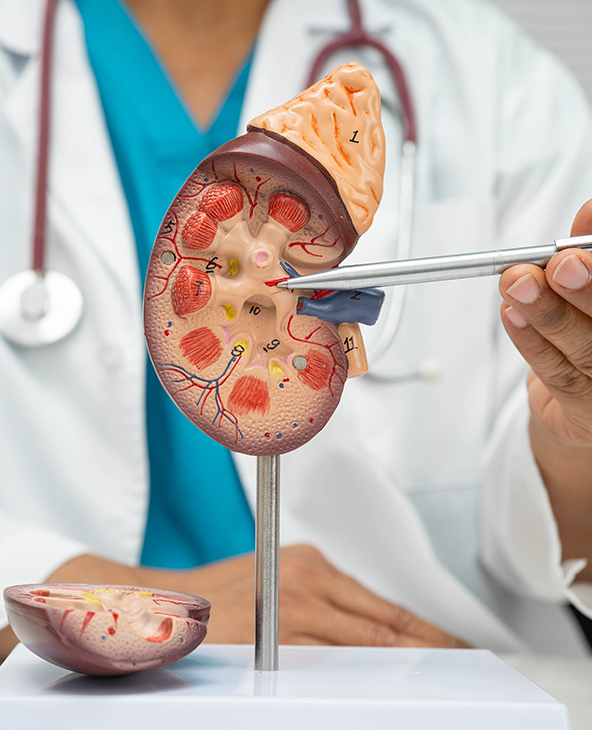
Treatment is typically recommended in the following situations:
- Very low glomerular filtration rate
- Severe fluid retention causing swelling or breathlessness
- High levels of potassium or acid in the blood
- Uraemic symptoms such as nausea, fatigue, confusion, or loss of appetite
- Reduced or absent urine output for a prolonged period
- Uncontrolled hypertension due to kidney dysfunction
- Complications arising from diabetes or long-standing kidney disease
- Preparation for long-term renal replacement therapy (dialysis or transplant)
Things to Know Before Starting Loss of Kidney Function Treatment
Loss of kidney function is a physical and emotional burden on both the patient and their family. Managing it requires careful evaluation and long-term planning, as treatment often involves ongoing therapy and significant lifestyle adjustments. At Graphic Era Hospital, decisions are guided by detailed diagnostic findings, patient preferences, and clinical stability to ensure a structured and sustainable treatment approach.
Before initiating treatment, the following key points are reviewed:
- The underlying cause of the condition (diabetes, hypertension, infection, etc.)
- The stage and progression rate of kidney disease
- Blood tests to assess creatinine, urea, electrolytes, and overall kidney function
- Imaging studies such as ultrasound or CT scan to evaluate kidney structure
- Kidney biopsy in cases where the underlying cause needs further clarification
- The need for immediate versus planned dialysis
- In cases of acute kidney injury or acute kidney disease, evaluation of the underlying cause, as early diagnosis and intervention may allow the patient to discontinue dialysis
- Suitability for kidney transplantation in eligible patients with CKD Stage 5
- Vascular access planning for long-term dialysis (AV fistula or catheter)
- Dietary and fluid restrictions as part of ongoing management
- Monitoring and management of associated conditions such as anaemia and bone disease
- The importance of adherence to medications and follow-up schedules
Types of Loss of Kidney Function Treatment Available at Graphic Era Hospital
Treatment for loss of kidney function is tailored based on whether the condition is acute or chronic, the severity of dysfunction, and the patient's overall health. At Graphic Era Hospital, treatment includes supportive care, dialysis, and transplant evaluation, with a strong focus on long-term disease management and quality of life.
Medical Management
- Medications for Underlying Causes: Treatment of conditions such as diabetes, hypertension, or infections that contribute to kidney damage.
- Fluid and Electrolyte Management: Correction of imbalances to maintain stable internal conditions.
- Anaemia Management: Use of iron therapy and erythropoiesis-stimulating agents to manage low haemoglobin levels.
- Bone Mineral Disorder Management: Medications to regulate calcium, phosphate, and vitamin D levels, along with PTH monitoring and DEXA scan assessment for CKD-related osteoporosis.
- Dietary Therapy: Specialised renal diet planning to reduce strain on the kidneys.
Dialysis Treatment
- Haemodialysis: Blood is filtered through a machine to remove toxins and excess fluid, typically performed two to three times a week.
- Haemodiafiltration (HDF): An advanced dialysis modality offering better clearance for long-term management, available on an OPD basis.
- Peritoneal Dialysis: A home-based dialysis option using the lining of the abdomen to filter blood internally.
- Continuous Renal Replacement Therapy (CRRT): Used in critically ill patients in intensive care settings for gradual and continuous filtration.
Surgical Treatment (Kidney Transplant)
- Kidney Transplant Evaluation: Comprehensive assessment to determine eligibility for transplantation.
- Living Donor Transplant Planning: Evaluation and preparation for transplant from a compatible donor.
- Deceased Donor Transplant Coordination: Management of transplant procedures based on organ availability.
- Post-Transplant Care: Long-term monitoring and immunosuppressive therapy to ensure graft survival.
Doctors Available



Why Choose Graphic Era Hospital for Loss of Kidney Function Treatment
Loss of kidney function requires continuous, coordinated care due to its long-term and systemic impact on the body. At Graphic Era Hospital, treatment is guided by clinical precision, multidisciplinary collaboration, and a strong emphasis on patient safety and long-term outcomes.

Specialised Nephrology Expertise with Coordinated Care : Loss of kidney function rarely affects the kidneys in isolation — it impacts multiple systems and often requires input from different specialists. At Graphic Era Hospital, nephrologists work closely with urologists, critical care experts, and support teams to ensure every aspect of the patient’s condition is managed cohesively. This coordinated approach allows for timely decision-making, better complication management, and treatment plans that are continuously adapted to the patient’s changing clinical needs.

Advanced Diagnostics that Enable Timely, Accurate Intervention : Effective management of loss of kidney function depends on how early and precisely the condition is assessed. The hospital uses advanced laboratory testing and imaging to evaluate kidney function, detect complications, and monitor disease progression in real time. This level of diagnostic accuracy helps clinicians intervene at the right stage, avoid unnecessary delays, and tailor treatment strategies that are both targeted and responsive.

End-to-End Treatment Continuum: From Dialysis to Transplant Care : Managing loss of kidney function is a long-term journey that often involves multiple stages of care. Graphic Era Hospital provides a complete treatment pathway, from well-equipped dialysis units for routine and critical care support to structured kidney transplant services. With a focus on safety, continuity, and long-term outcomes, patients receive consistent care throughout their treatment journey, reducing fragmentation and improving overall recovery and quality of life.

Kidney Function Diagnostic Services at Graphic Era Hospital
Accurate diagnosis is essential for effective management of loss of kidney function. At Graphic Era Hospital, evaluation combines laboratory testing with imaging and clinical assessment to determine the severity and cause of kidney dysfunction
The diagnostic pathway includes:
- KFT Basic — Serum Creatinine and Blood Urea Tests: To assess basic kidney filtration efficiency
- KFT Advance — Includes a broad spectrum of electrolytes along with all KFT Basic parameters
- Glomerular Filtration Rate (GFR) Estimation: To stage kidney disease
- Urinalysis: To identify protein, blood, or infection
- Ultrasound and Doppler of Kidneys: To evaluate size, structure, and obstruction
- CT Scan or MRI (if required): For detailed anatomical assessment
- Kidney Biopsy (in selected cases): To determine specific causes of kidney damage
Rehabilitation & Follow-Up Care
Managing loss of kidney function is an ongoing process that extends well beyond initial treatment. Long-term care focuses on maintaining stability, preventing complications, and improving overall quality of life.
Post-treatment care includes:
- Regular Dialysis Monitoring: Ongoing assessment of treatment adequacy and patient response
- Medication Management: Adjustments based on lab results and clinical status
- Nutritional Counselling: Personalised diet plans to support kidney health
- Fluid Management Guidance: Monitoring and controlling fluid intake
- Infection Prevention Measures: Especially important for dialysis and transplant patients
- Post-Transplant Surveillance: Monitoring for rejection and graft function
- Lifestyle Modification Support: Guidance on physical activity and overall health maintenance
- Periodic Blood Tests and Imaging: To track disease progression or recovery
Top Treatments for Loss of Kidney Function at Graphic Era Hospital
- Haemodialysis and Haemodiafiltration (HDF)
- Peritoneal dialysis
- Continuous renal replacement therapy (CRRT)
- Plasmapheresis
- Chronic kidney disease management protocols
- Kidney transplant evaluation and coordination
- Post-transplant immunosuppressive therapy
- Electrolyte and metabolic disorder management
Advanced Diagnostics & Technology
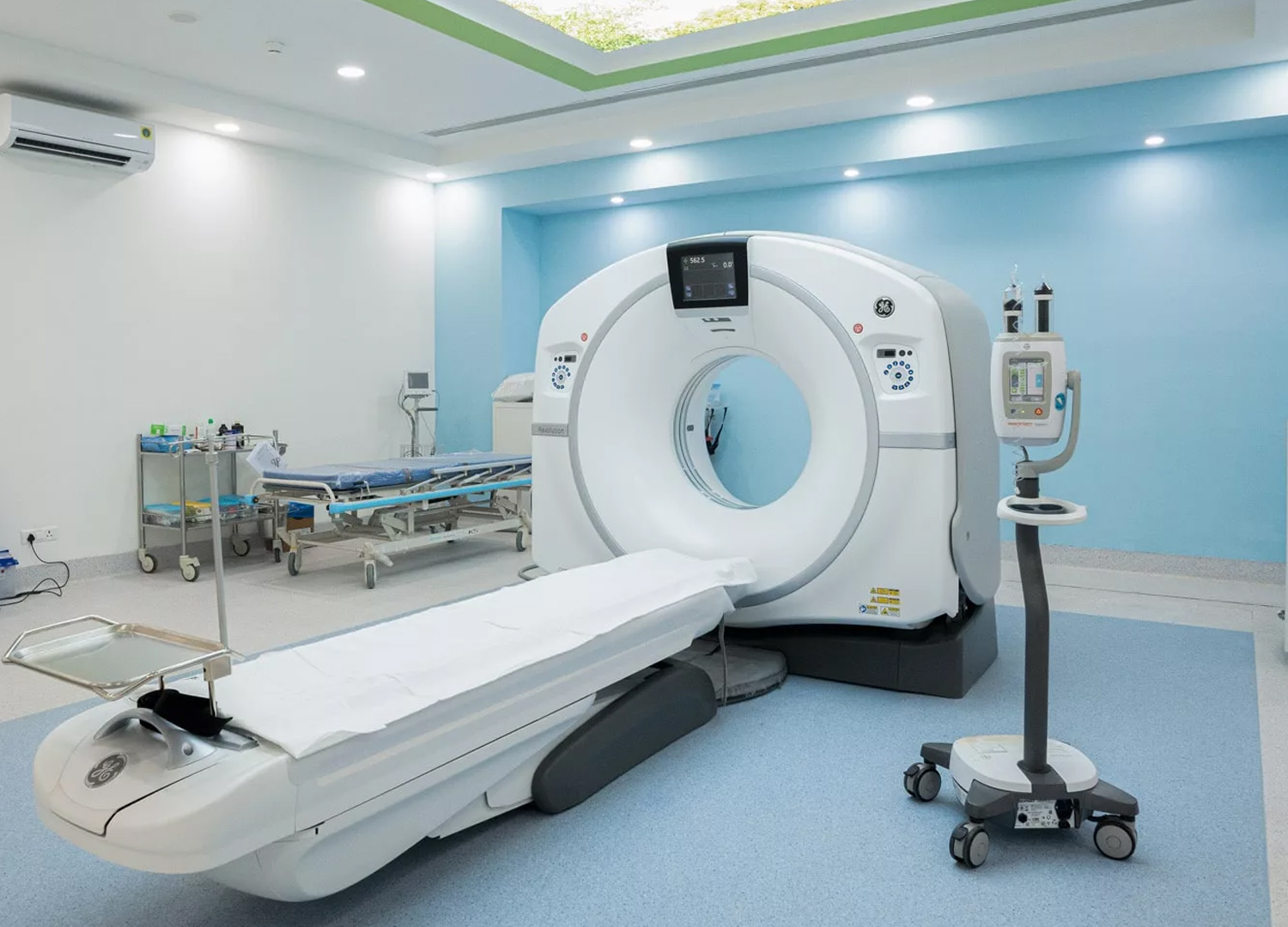
- Offers high-resolution imaging for detailed blood vessel analysis, aiding in accurate diagnosis and treatment planning.
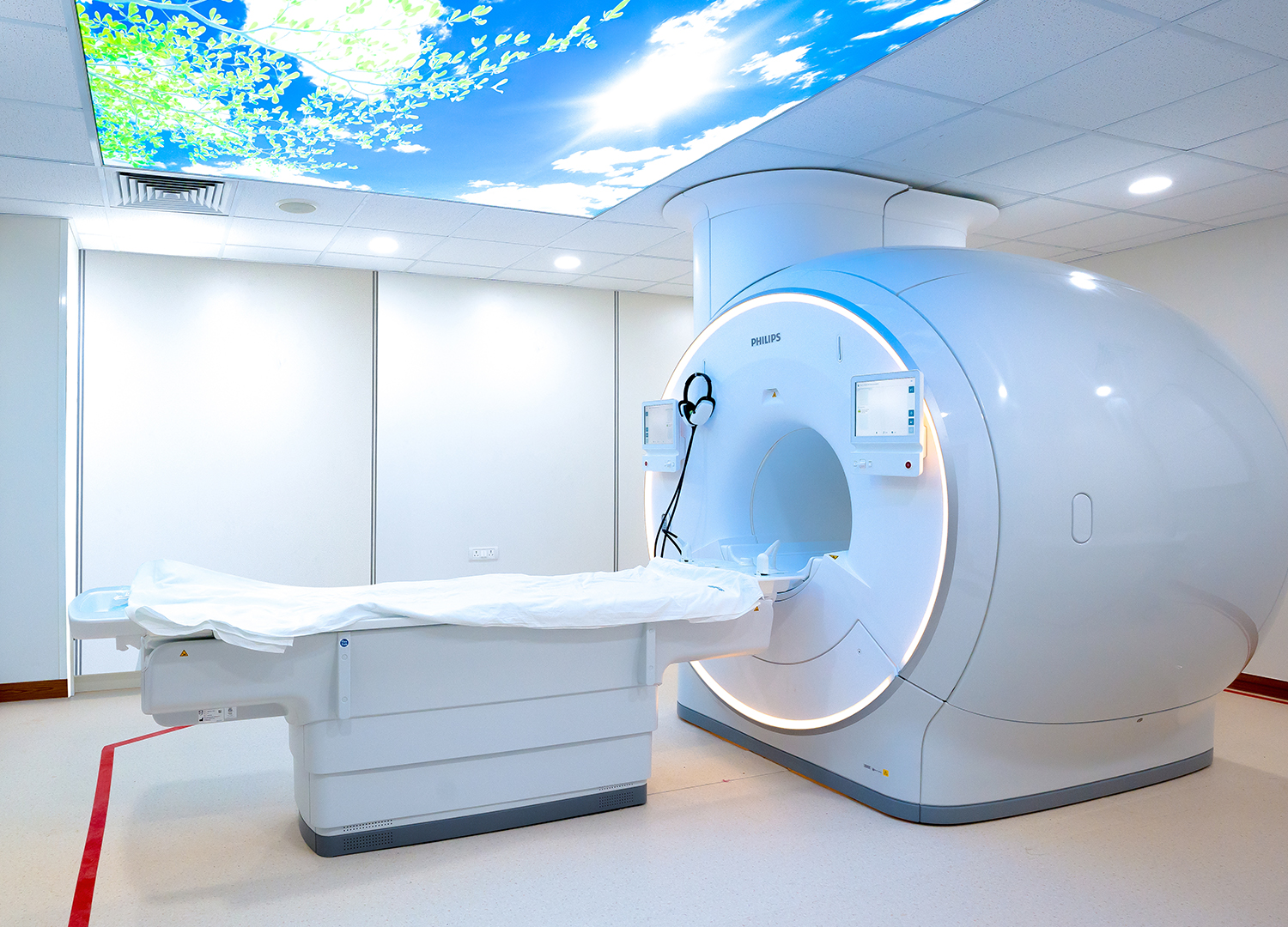
- Delivers advanced imaging with high resolution for clear, detailed views of soft tissues, ensuring precise diagnostics.
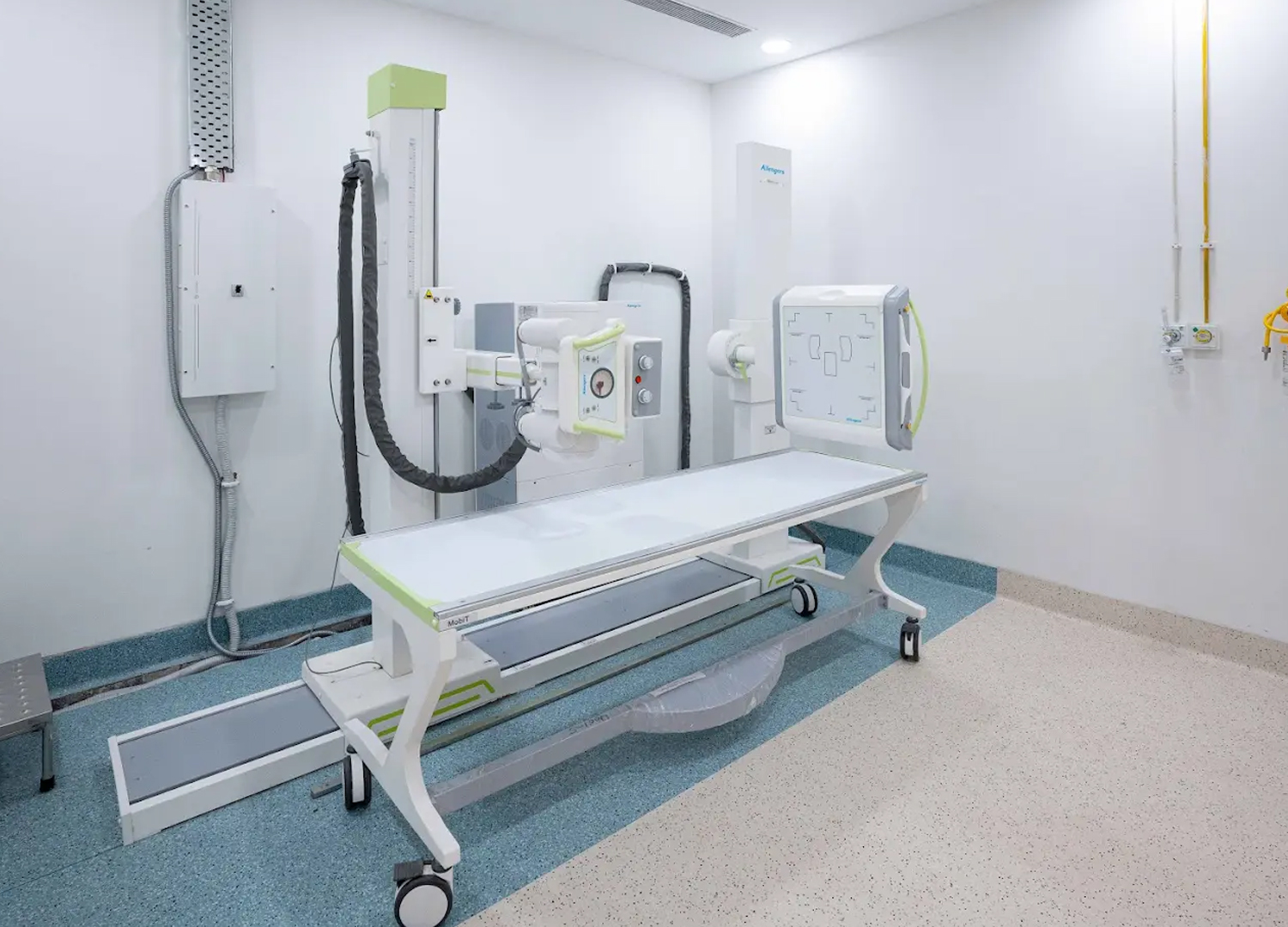
- Provides high-quality, detailed radiographic images for accurate diagnosis with minimal exposure to radiation.
Other Specialities


Patient Stories





Blog










Frequently Asked Questions (FAQs)
What is the difference between acute and chronic kidney disease?
Acute kidney injury develops suddenly and may be reversible with timely treatment, whereas chronic kidney disease progresses gradually over time and often requires long-term management or dialysis.
When is dialysis required in chronic kidney disease?
Dialysis is recommended when kidney function declines significantly and the body can no longer maintain safe levels of waste, fluids, and electrolytes.
Can loss of kidney function be reversed?
In cases of acute kidney injury or acute kidney disease, early diagnosis and intervention may allow the patient to recover without long-term dialysis. However, CKD Stage 5 is usually progressive and requires ongoing management.
Is kidney transplant a permanent solution?
A kidney transplant can restore kidney function and improve quality of life, but it requires lifelong follow-up and medication to prevent rejection.
What are the early signs of loss of kidney function?
Symptoms may include fatigue, swelling in the legs, reduced urine output, nausea, and difficulty concentrating. Early stages may have minimal or no symptoms, making timely evaluation important.
Can loss of kidney function be prevented?
In many cases, yes. Controlling diabetes, managing blood pressure, staying hydrated, and avoiding unnecessary medications can significantly reduce the risk.
How often is dialysis needed?
Haemodialysis is typically performed two to three times a week, while peritoneal dialysis may be done daily depending on the prescribed regimen.
What are the early symptoms of loss of kidney function?
Early symptoms can be subtle and often go unnoticed. These may include fatigue, swelling in the legs or ankles, reduced urine output, nausea, and difficulty concentrating. Timely evaluation can help prevent further deterioration.
What are the common symptoms of loss of kidney function to watch for?
Symptoms may vary depending on severity but commonly include fluid retention, breathlessness, persistent fatigue, confusion, and changes in urination patterns. In advanced stages, toxin build-up can lead to serious complications affecting multiple organs.
What are the types of kidney disease?
There are three main types based on duration: acute kidney injury (under 7 days), which occurs suddenly and may be reversible with prompt treatment; acute kidney disease (7–90 days), which is often autoimmune and requires urgent diagnosis to prevent permanent loss of function; and chronic kidney disease (beyond 90 days), which develops over months or years and requires ongoing management.
What are the common causes of kidney disease?
For chronic kidney disease, common causes include long-standing conditions such as diabetes and high blood pressure, as well as infections, autoimmune diseases, and certain medications. Identifying the underlying cause is essential for selecting the most appropriate treatment approach.
What are the stages of chronic kidney disease?
Chronic kidney disease is classified into five stages based on the glomerular filtration rate (GFR). Stage 1 is mild with minimal damage, while Stage 5 represents advanced loss of kidney function requiring dialysis or transplant. Understanding these stages helps guide treatment decisions and monitoring.
What happens in Stage 4 chronic kidney disease?
Stage 4 indicates severely reduced kidney function. Patients may experience significant symptoms such as fatigue, swelling, and metabolic imbalances. At this stage, doctors typically begin planning for dialysis or kidney transplant to ensure timely intervention.
When is dialysis required for loss of kidney function?
Dialysis is recommended when the kidneys can no longer effectively remove waste, maintain fluid balance, or regulate electrolytes. It is typically initiated in advanced stages of chronic kidney disease or during acute deterioration.
What are the complications of loss of kidney function?
Complications may include fluid overload, high blood pressure, electrolyte imbalances, anaemia, bone disorders, and increased risk of cardiovascular disease. Early and consistent treatment helps reduce these risks and improve overall outcomes.
What are the effects of loss of kidney function on the body?
Loss of kidney function extends its impact well beyond the kidneys, affecting multiple organ systems. These effects include toxin accumulation, swelling, fatigue, weakened bones, and strain on the heart and lungs, making comprehensive and ongoing management essential.