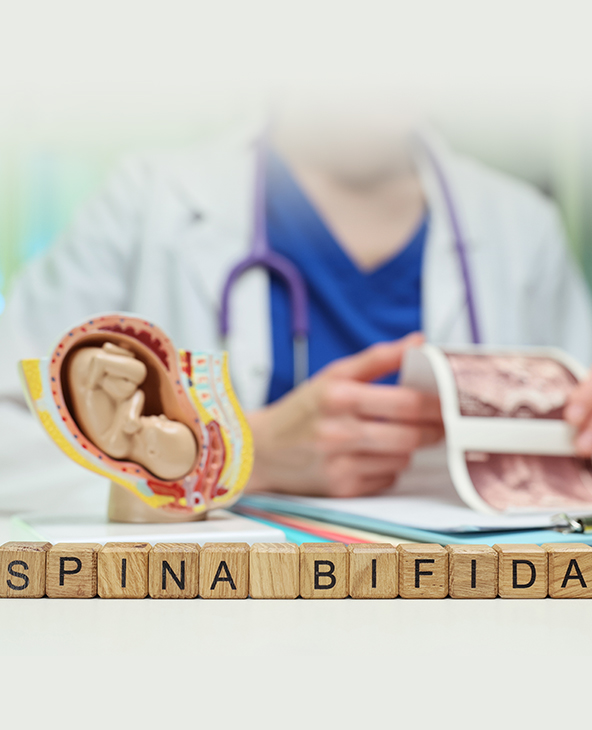
Spina bifida is a birth defect that occurs when the spine and spinal cord do not develop properly during early pregnancy. As a result, a portion of the spinal cord or the protective tissues surrounding it may remain exposed, leading to varying degrees of physical, neurological, and developmental challenges. The severity of the condition can range from mild forms that cause few or no symptoms to more complex cases that require surgery and ongoing medical care.
Neurosciences has developed paediatric neurosurgery as a subspeciality that deals with ailments of paediatric population. At Graphic Era Hospital, Dehradun, our paediatric neurosurgery team provides comprehensive care for children with spina bifida, from prenatal counselling and neonatal management to advanced surgical treatment, rehabilitation, and long-term developmental support. Through a multidisciplinary approach, we aim to help every child achieve the best possible quality of life and functional outcomes.
Types of Spina Bifida
Spina bifida includes a range of neural tube defects that vary in severity and long-term impact. Identifying the specific type helps doctors determine the most appropriate treatment approach and predict potential complications. The three main types of spina bifida are:
Spina Bifida Occulta
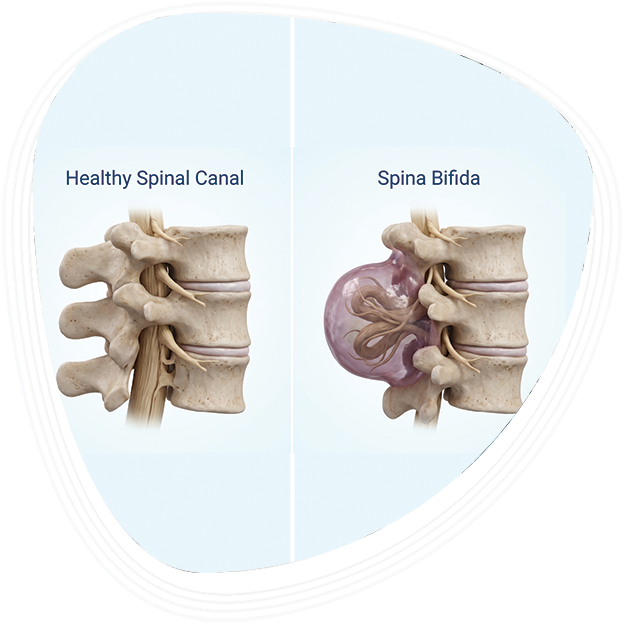
This is the mildest and most common form of spina bifida. One or more vertebrae do not form completely, but the spinal cord and surrounding tissues remain in their normal position beneath the skin. Most individuals experience no symptoms and may only discover the condition during imaging performed for another reason. In some cases, a tethered spinal cord may cause back pain, weakness, or bladder and bowel problems later in life.
Meningocele
In meningocele, the protective membranes surrounding the spinal cord (meninges) protrude through an opening in the spine, forming a fluid-filled sac on the back. The spinal cord itself remains in its normal position. Although neurological problems are often limited, surgical repair is usually recommended to prevent complications such as infection or injury to the exposed tissues.
Myelomeningocele
Also known as open spina bifida, myelomeningocele is the most severe form of the condition. Both the spinal cord and meninges protrude through the spinal opening, leaving delicate nerve tissue vulnerable to damage and infection. Children with myelomeningocele may experience varying degrees of paralysis, sensory loss, and bladder or bowel dysfunction. Surgical closure is typically performed soon after birth, and many children require ongoing multidisciplinary care. This form is also commonly associated with hydrocephalus and Arnold-Chiari malformation.
Symptoms of Spina Bifida and When to Consult a Doctor
The signs and symptoms of spina bifida vary depending on the type of defect and the extent of spinal cord involvement. Some individuals with spina bifida occulta may have no noticeable symptoms, while children with more severe forms may experience neurological, developmental, and mobility-related challenges from birth.
Common Symptoms of Spina Bifida
Visible Swelling or Sac on the Back
A fluid-filled sac or swelling on a newborn's back is often the most obvious sign of meningocele or myelomeningocele and requires prompt medical evaluation.
Tuft of Coarse Hair on the Lower Back
Localised hirsutism, or the presence of a tuft of coarse hair over the lower back, may be a visible sign of an underlying spinal abnormality. It should be assessed by a doctor, especially if it appears along with a dimple, birthmark, swelling, or other symptoms.
Leg Weakness or Paralysis
Children with severe forms of spina bifida may have weakness, limited movement, or paralysis of the legs. The severity depends on the location of the spinal defect.
Reduced Sensation
Loss of sensation in the legs, feet, or lower body can affect a child's ability to feel pain, temperature, or pressure.
Bladder and Bowel Problems
Difficulty controlling bladder or bowel function, recurrent urinary infections, urinary retention, or chronic constipation are common in children with significant spinal cord involvement.
Delayed Motor Development
Delays in sitting, standing, crawling, or walking may indicate underlying nerve or spinal cord dysfunction and should be assessed by a specialist.
Back Pain
Older children and adults with spina bifida occulta or a tethered spinal cord may experience persistent back pain, leg discomfort, or difficulty with movement. Children may also develop back pain and face difficulty during physical activities such as brisk walking, running, or other activities that require physical effort.
Hydrocephalus-Related Symptoms
In infants with myelomeningocele, symptoms such as a rapidly increasing head size, vomiting, irritability, feed intolerance or poor feeding, or a bulging soft spot on the head may indicate hydrocephalus and require urgent medical attention.
Orthopaedic Problems
Orthopaedic problems are one possible symptom of spina bifida, but they do not occur in every child. Some children may develop conditions such as clubfoot, scoliosis, hip dislocation, or other musculoskeletal abnormalities due to nerve and muscle involvement.
When to Consult a Doctor?
If you notice any symptoms suggestive of spina bifida, seek medical evaluation without delay. Early diagnosis and appropriate treatment can help prevent complications and improve long-term neurological and developmental outcomes.
Parents should also consult a specialist if prenatal screening raises concerns about a possible spinal defect.
What Causes Spina Bifida?
Spina bifida develops when the neural tube, the embryonic structure that forms the brain and spinal cord, does not close completely during the first few weeks of pregnancy. This leads to incomplete formation of the spine and, in some cases, exposure of the spinal cord and surrounding nerves. While the exact cause is not always known, a combination of genetic, nutritional, and environmental factors is believed to contribute to its development.
Risk Factors for Spina Bifida
Although the exact cause of spina bifida is not always known, several factors can increase the risk of a baby developing this neural tube defect. Understanding these risk factors can help support prevention, early diagnosis, and appropriate prenatal care.
Folic Acid Deficiency
Insufficient folic acid (vitamin B9) before conception and during early pregnancy is one of the most important risk factors for spina bifida. Adequate folic acid intake helps support normal neural tube development and significantly reduces the risk of neural tube defects.
Advanced Maternal Age
The risk of spina bifida may be higher when the mother is 35 years of age or older at the time of pregnancy. Women in this age group may require closer prenatal monitoring and appropriate antenatal screening.
Family History of Neural Tube Defects
Parents with a personal or family history of spina bifida or other neural tube defects may have a higher risk of having an affected child due to underlying genetic factors.
Previous Pregnancy Affected by a Neural Tube Defect
The risk of spina bifida is higher in subsequent pregnancies if a previous child was born with spina bifida or another neural tube defect.
Maternal Diabetes
Poorly controlled diabetes before or during pregnancy has been associated with an increased risk of neural tube defects, including spina bifida.
Certain Medications During Pregnancy
Some medications, particularly certain anti-seizure drugs and folate-antagonist medications, can interfere with normal neural tube development when taken during early pregnancy.
Obesity
Maternal obesity has been linked to a higher risk of neural tube defects, although the exact reasons for this association are not fully understood.
Elevated Body Temperature in Early Pregnancy
High fever, frequent use of hot tubs, or prolonged exposure to excessive heat during early pregnancy may slightly increase the risk of neural tube defects.
Chromosomal and Genetic Conditions
Certain chromosomal abnormalities and genetic conditions may be associated with a higher incidence of spina bifida, although they account for a relatively small proportion of cases.
Early prenatal care, appropriate folic acid supplementation, and regular antenatal screening can help reduce risk and support timely diagnosis when spina bifida is present.
Prevention of Spina Bifida
While spina bifida cannot always be prevented, certain measures can significantly reduce the risk of neural tube defects. These steps are most effective when taken before conception and during the early weeks of pregnancy, when the baby's brain and spinal cord are developing.
Take Folic Acid Before and During Early Pregnancy
Women planning a pregnancy should start taking folic acid supplements at least 3 months before conception, under the advice of their doctor. Folic acid should also be continued during the early weeks of pregnancy, as this is when the baby’s neural tube develops. Women at higher risk, such as those with diabetes, epilepsy, or a previous child with a neural tube defect, may require a higher dose under medical supervision.
Optimise Blood Sugar Control
Women with pre-existing diabetes should work closely with their healthcare provider to achieve good blood sugar control before conception and throughout pregnancy.
Review Medications Before Pregnancy
Certain medications can increase the risk of neural tube defects. Women planning a pregnancy should discuss all prescription and over-the-counter medicines with their doctor to determine whether any changes are needed.
Maintain a Healthy Weight
Achieving a healthy weight before pregnancy may help lower the risk of spina bifida and other pregnancy-related complications.
Avoid Excessive Heat Exposure
Prolonged high fever and excessive heat exposure during early pregnancy should be avoided whenever possible, as elevated body temperature has been linked to an increased risk of neural tube defects.
Seek Genetic Counselling if Needed
Couples with a family history of spina bifida or a previous pregnancy affected by a neural tube defect may benefit from genetic counselling and pre-conception planning.
Regular prenatal care, recommended folic acid supplementation, and timely antenatal screening play an important role in reducing risk and supporting early diagnosis.
Diagnosis of Spina Bifida
Early and accurate diagnosis plays an important role in planning treatment and long-term care for children with spina bifida. At Graphic Era Hospital, our specialists use advanced prenatal and postnatal diagnostic tools to assess the condition, determine its severity, and identify any associated complications.
Prenatal Diagnosis
Spina bifida can often be detected before birth through routine antenatal screening and specialised foetal imaging.
Foetal Ultrasound
Level 1 and Level 2 ultrasound scans, usually performed during the second trimester, can provide detailed information about the baby’s developing spine, limbs, and other anatomical structures. These scans help identify spinal abnormalities and assess the extent of the defect when spina bifida is suspected.
Maternal Serum AFP Testing
Elevated levels of alpha-fetoprotein (AFP) in maternal blood may indicate an increased risk of an open neural tube defect and warrant further evaluation.
Foetal MRI
In selected cases, foetal MRI may be recommended to provide a more detailed assessment of the baby's spine, spinal cord, and brain.
Amniocentesis
Amniocentesis may be advised in specific situations to support diagnosis and evaluate associated genetic conditions.
Postnatal Diagnosis
If spina bifida is diagnosed after birth, a comprehensive evaluation is performed to understand the extent of spinal cord involvement and identify associated neurological or urological concerns.
Physical Examination
A detailed clinical assessment helps evaluate spinal abnormalities, muscle strength, movement, reflexes, and neurological function.
MRI and CT Imaging
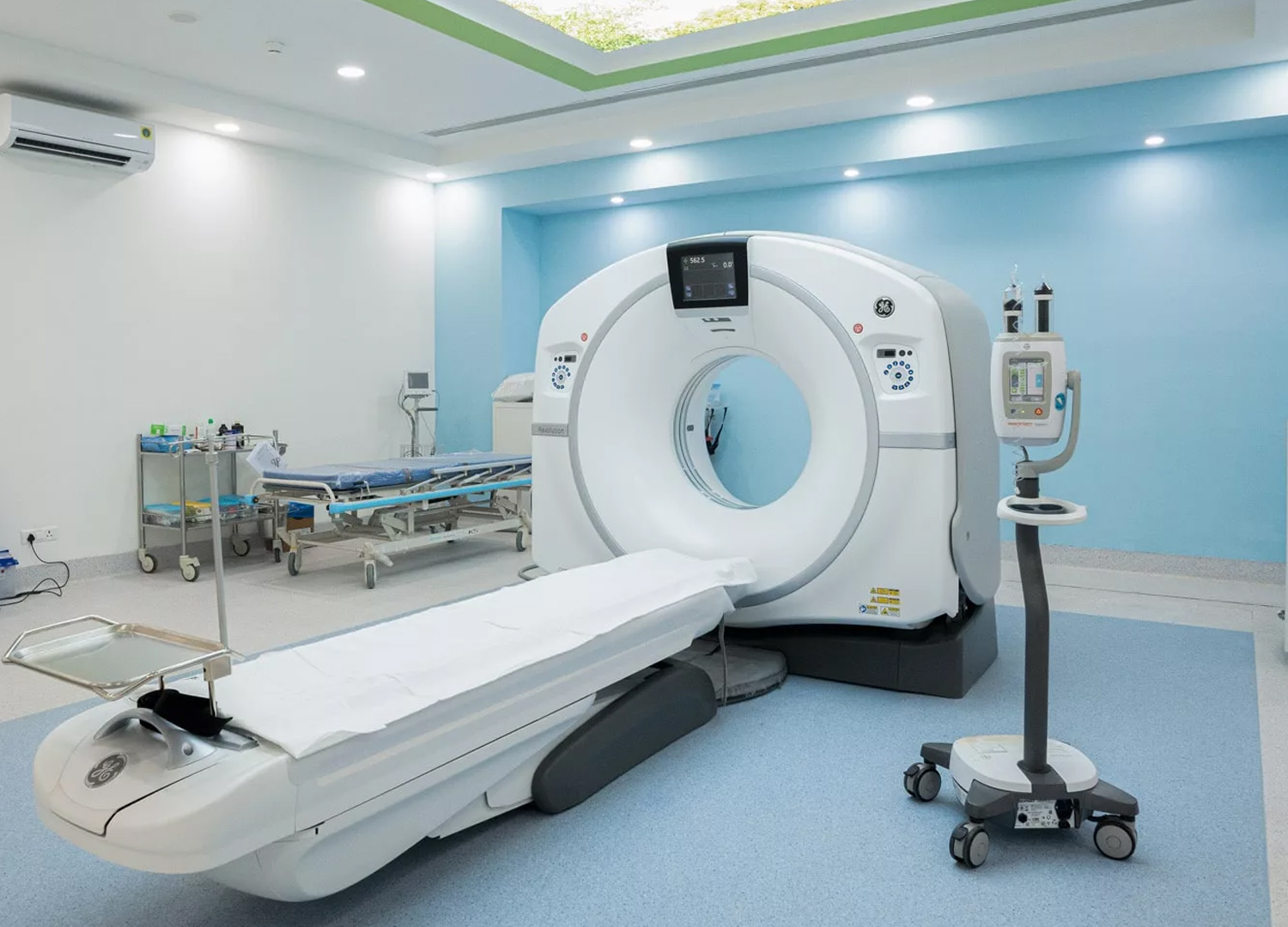
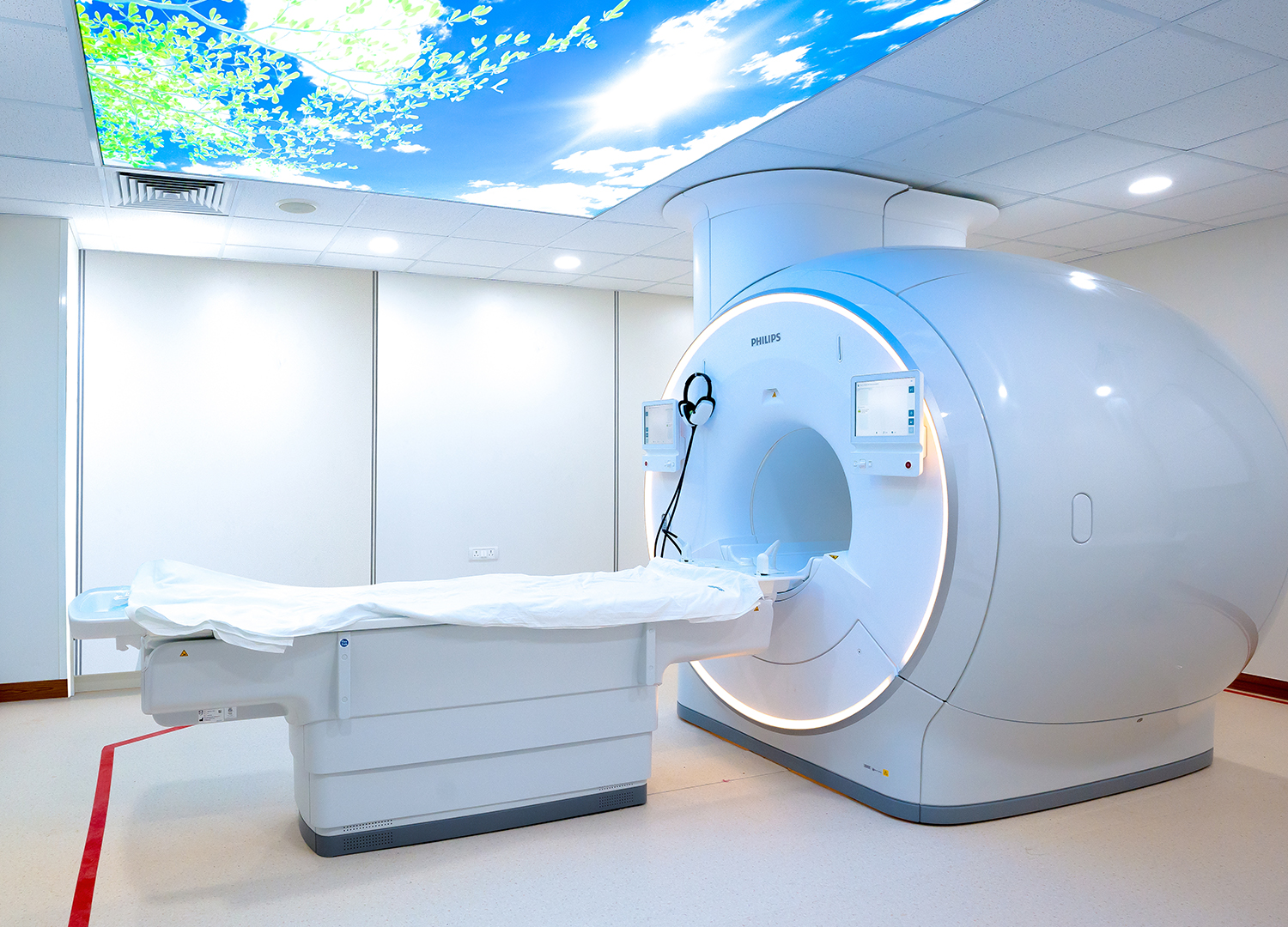
An MRI may be performed on the day of admission to evaluate the entire spine, along with the craniovertebral (CV) junction and brain. This helps identify the location and severity of the spinal defect, as well as any associated abnormalities. A CT scan may also be advised to provide detailed information about the bony architecture of the lower spine, which can support treatment planning.
Neurological Assessment
Specialist evaluation of motor and sensory function helps guide surgical decisions, rehabilitation planning, and long-term care.
Kidney and Bladder Evaluation
Additional investigations may be performed to assess bladder and urinary tract function, which can be affected in some children with spina bifida.
At Graphic Era Hospital, our multidisciplinary team works closely with families throughout the diagnostic process, ensuring timely evaluation, clear communication, and personalised treatment planning.
Spina Bifida Treatment at Graphic Era Hospital
Treatment for spina bifida depends on the type of defect, the extent of spinal cord involvement, and the child's individual needs. At Graphic Era Hospital, the Department of Neurosurgery, along with neurologists, paediatricians, rehabilitation experts, orthopaedic specialists, and paediatric care teams, works together to provide comprehensive treatment. This multidisciplinary team takes up the task of delivering comprehensive care aimed at protecting neurological function, preventing complications, and improving the child's long-term quality of life.
Surgical Treatment for Spina Bifida
Myelomeningocele Repair
Children born with myelomeningocele typically require early surgery to close the spinal defect, protect the exposed spinal cord, reduce the risk of infection, and prevent further nerve damage.
Hydrocephalus Management
Many children with myelomeningocele develop hydrocephalus (excess fluid in the brain). Treatment may involve the placement of a ventriculoperitoneal (VP) shunt or other neurosurgical procedures to relieve pressure and protect brain development.
Tethered Spinal Cord Surgery
Some children may develop a tethered spinal cord, where the spinal cord becomes abnormally attached to surrounding tissues. Surgery may be recommended to prevent worsening weakness, pain, or bladder and bowel dysfunction.
Meningocele Repair
Surgical correction of meningocele helps protect the spinal structures and reduce the risk of future complications, with many children achieving favourable outcomes.
Orthopaedic Procedures
Children with spina bifida may require treatment for associated musculoskeletal conditions such as clubfoot, hip abnormalities, or scoliosis to improve mobility and independence.
Rehabilitation and Long-Term Care
Physiotherapy and Mobility Support
Early and ongoing physiotherapy helps improve strength, mobility, balance, and overall physical development. Assistive devices may be recommended when needed.
Bladder and Bowel Management
Specialised programmes help manage bladder and bowel function, reduce complications, and improve day-to-day comfort and independence.
Occupational Therapy
Occupational therapists help children develop practical skills needed for daily activities, school participation, and independent living.
Neurological and Developmental Monitoring
Regular follow-up allows specialists to monitor neurological function, cognitive development, learning needs, and potential complications associated with spina bifida.
Psychological and Family Support
Living with spina bifida often requires long-term medical and social support. Our team works closely with children and families to provide counselling, education, and guidance at every stage of care.
At Graphic Era Hospital, we focus on delivering coordinated, long-term care that supports children with spina bifida from diagnosis through adolescence and beyond, helping them achieve the highest possible level of independence and quality of life.
Doctors Available



Why Choose Graphic Era Hospital for Spina Bifida Treatment in Dehradun?

Multidisciplinary Care for Spina Bifida : Graphic Era Hospital provides comprehensive treatment for spina bifida occulta and other forms of spina bifida through a multidisciplinary approach. The team includes neurosurgeons, neurologists, paediatricians, rehabilitation experts, and physiotherapists who work together to provide advanced, patient-centred care.

Advanced Surgical Infrastructure : The hospital is equipped with advanced surgical infrastructure, including a high-end Carl Zeiss operating microscope. It provides excellent magnification and illumination, helping the surgical team perform delicate spine procedures with greater precision.

Intraoperative Neurophysiological Monitoring (IONM) : Graphic Era Hospital uses Intraoperative Neurophysiological Monitoring (IONM) during complex spinal surgeries . IONM provides real-time monitoring of nerve function throughout the procedure, helping the surgical team identify and protect important neural structures, thereby reducing the risk of neurological injury.
Complications of Untreated Spina Bifida
Without timely diagnosis and appropriate treatment, spina bifida can lead to serious neurological, physical, and developmental complications. Early intervention plays a vital role in reducing these risks and improving long-term outcomes.
Neurological Deterioration and Gait Difficulty
Untreated spina bifida can result in progressive damage to the spinal cord and nerves, leading to weakness, loss of sensation, or weakness of the lower limbs. The severity depends on the location and extent of the spinal defect.
Hydrocephalus and Brain-Related Complications
Many children with severe forms of spina bifida develop hydrocephalus, a condition characterised by excessive fluid accumulation in the brain. If left untreated, it can lead to developmental delays, learning difficulties, visual problems, and increased pressure within the brain.
Bladder, Bowel, and Kidney Problems
Nerve damage affecting the bladder and bowel can cause urinary retention, incontinence, constipation, and recurrent urinary tract infections. Over time, untreated bladder dysfunction may lead to kidney damage and long-term urinary complications.
Orthopaedic Complications
Children with untreated spina bifida may develop musculoskeletal problems such as clubfoot, hip abnormalities, scoliosis, and joint contractures, which can affect mobility and independence.
Infection Risk
In children with open spinal defects, the exposed tissues are vulnerable to serious infections, including meningitis, making early medical and surgical management essential.
Delayed Development and Reduced Quality of Life
Without appropriate treatment and rehabilitation, children may experience delays in physical development, reduced mobility, difficulties with daily activities, and challenges with social and educational participation.
Early diagnosis, timely surgical intervention, and ongoing multidisciplinary care can help minimise complications and support better long-term outcomes for children living with spina bifida.
Top Spina Bifida Treatments
- Myelomeningocele Repair
- Meningocele Repair
- Ventriculoperitoneal (VP) Shunt Surgery
- Endoscopic Third Ventriculostomy (ETV)
- Tethered Spinal Cord Release
- Orthopaedic Surgery for Clubfoot and Hip Deformities
- Scoliosis Correction Surgery
- Neurogenic Bladder Management
- Clean Intermittent Catheterisation (CIC)
- Physiotherapy and Rehabilitation
- Occupational Therapy
- Long-Term Developmental Support
Advanced Diagnostics & Technology
- Offers high-resolution imaging for detailed blood vessel analysis, aiding in accurate diagnosis and treatment planning.
- Delivers advanced imaging with high resolution for clear, detailed views of soft tissues, ensuring precise diagnostics.
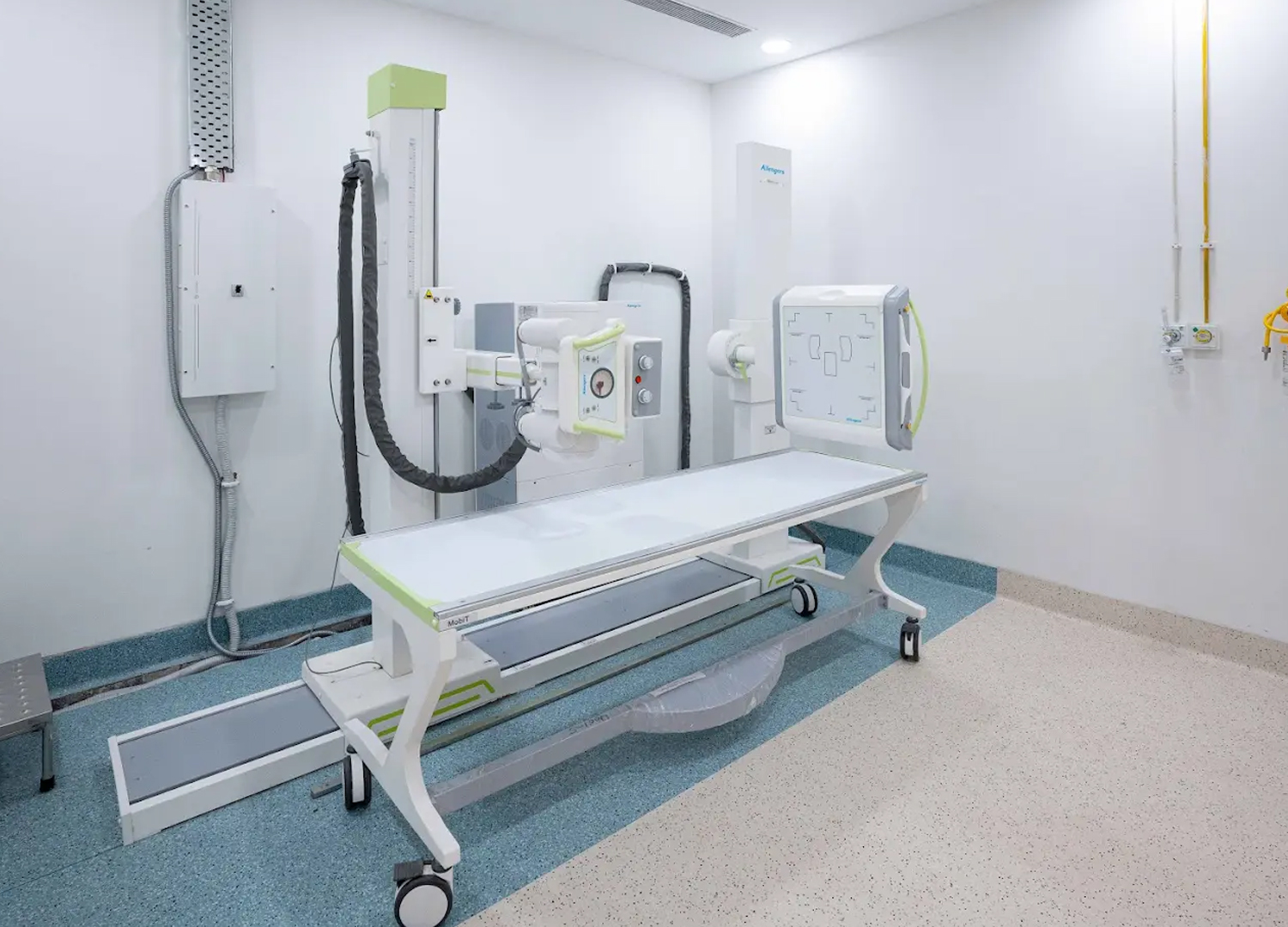
- Provides high-quality, detailed radiographic images for accurate diagnosis with minimal exposure to radiation.
Other Specialities


Patient Stories





Blog








Frequently Asked Questions (FAQs)
Can spina bifida be detected during pregnancy?
Yes. Many cases of spina bifida can be detected during pregnancy through routine antenatal ultrasound. Additional tests, such as maternal serum AFP testing and foetal MRI, may be recommended in selected cases to confirm the diagnosis and assess its severity.
Does every child with spina bifida need surgery?
Not always. Children with myelomeningocele and meningocele usually require surgical treatment, while many individuals with spina bifida occulta may not need surgery unless symptoms develop. The treatment approach depends on the type and severity of the condition.
Can children with spina bifida walk independently?
Mobility varies depending on the level of spinal involvement. Some children can walk independently, while others may require braces, assistive devices, or wheelchairs. Early physiotherapy and rehabilitation play an important role in improving mobility and independence.
Is hydrocephalus common in children with spina bifida?
Yes. Hydrocephalus commonly occurs in children with myelomeningocele and may require treatment to relieve pressure within the brain. Early diagnosis and management help reduce the risk of complications.
Can spina bifida be prevented?
While spina bifida cannot always be prevented, taking folic acid before conception and during early pregnancy significantly reduces the risk of neural tube defects. Regular prenatal care is also important for early detection and prevention.
Is spina bifida a lifelong condition?
Yes. Spina bifida is a lifelong condition that may require ongoing neurological, orthopaedic, urological, and rehabilitation support. With appropriate treatment and follow-up care, many individuals lead active and fulfilling lives.
Where can I get the specialised spina bifida treatment in Dehradun?
Graphic Era Hospital provides specialised care for children with spina bifida, including advanced diagnostics, paediatric neurosurgery, hydrocephalus management, rehabilitation, and long-term follow-up. Our multidisciplinary approach ensures that children receive comprehensive care for both the spinal defect and its associated neurological, developmental, and urological challenges.