Persistent nasal blockage, a reduced sense of smell or frequent sinus problems can make everyday breathing uncomfortable and frustrating. In some cases, these symptoms may be linked to nasal polyps, especially when they persist or keep returning.
At Graphic Era Hospital, Dehradun, our ENT team provides comprehensive evaluation and treatment for nasal polyps and related sinus conditions. Our ENT specialists assess the size and extent of the polyps, the degree of inflammation and associated conditions such as chronic sinusitis, allergies or asthma before recommending the treatment. Depending on the severity of the condition, care may include medicines, endoscopic procedures or minimally invasive sinus surgery to help improve nasal airflow, relieve symptoms and support long-term sinus health.
What are Nasal Polyps?
Nasal polyps are soft, painless and noncancerous growths that develop from the lining of the nose or sinuses. They are commonly associated with long-term inflammation of the nasal passages and sinuses and may occur as a single growth or as multiple polyps.

Nasal polyps can appear in different patterns. The two main types include:
- Ethmoidal polyps: These are commonly associated with chronic rhinosinusitis and usually develop as multiple polyps affecting both sides of the nasal cavity. They often arise around the ethmoid region of the sinuses.
- Antrochoanal polyps: These are usually single, one-sided polyps that originate in the maxillary sinus and extend into the nasal cavity towards the back of the nose. They are seen more commonly in children and younger adults than typical bilateral nasal polyposis.
Small nasal polyps may not cause noticeable problems. However, larger polyps or multiple growths can block the nasal passages and interfere with normal airflow and sinus drainage. This may lead to persistent nasal congestion, reduced sense of smell, postnasal drip and recurrent sinus problems.
Although nasal polyps themselves are benign, persistent, unusual or one-sided nasal growths should be evaluated by an ENT specialist to confirm the diagnosis and rule out other causes of nasal blockage.
What Causes Nasal Polyps?
While the exact reason why nasal polyps develop is not always clear, they are strongly linked to long-term inflammation and swelling of the lining of the nose and sinuses, particularly in people with chronic rhinosinusitis. That said, not everyone with chronic sinus inflammation develops nasal polyps. Conditions that may contribute to the inflammation associated with nasal polyps, including:
- Chronic rhinosinusitis: Persistent inflammation of the nose and sinuses is one of the main conditions associated with nasal polyp formation.
- Asthma: Nasal polyps are more common in people with asthma, particularly when airway inflammation is difficult to control.
- Allergies: Ongoing allergic inflammation may contribute to swelling and irritation inside the nasal passages and sinuses.
- Aspirin or NSAID sensitivity: Some people with nasal polyps also have asthma and reactions to aspirin or other non-steroidal anti-inflammatory drugs, a condition known as aspirin-exacerbated respiratory disease (AERD).
- Cystic fibrosis and certain underlying conditions: These can affect mucus clearance and contribute to chronic inflammation within the sinuses.
As nasal polyps are often linked to an underlying inflammatory condition, identifying and managing that condition is an important part of long-term treatment.
Common Signs and Symptoms of Nasal Polyps
The symptoms of nasal polyps can vary depending on their size, number and location. Small polyps may not cause noticeable problems, while larger or multiple polyps can block the nasal passages, interfere with sinus drainage and affect the sense of smell.
Common signs and symptoms may include:
- Persistent nasal blockage or congestion
- Runny nose
- Postnasal drip
- Reduced or lost sense of smell
- Reduced sense of taste
- Facial pressure or a feeling of fullness around the nose and sinuses
- Headache
- Snoring or disturbed sleep
- Recurrent or persistent sinus infections
- Mouth breathing, particularly when nasal blockage is significant
Symptoms that affect only one side of the nose, repeated nosebleeds or an unusual nasal growth should be evaluated by an ENT specialist, as not every nasal mass is a benign polyp.
Who is More Likely to Develop Nasal Polyps?
Nasal polyps can affect anyone, but they are more common in people who have conditions associated with long-term inflammation of the nose, sinuses or airways. They are also seen more often in young and middle-aged adults. Factors that may increase the likelihood of developing nasal polyps include:
- Chronic rhinosinusitis: Persistent inflammation of the nose and sinuses is strongly associated with nasal polyps.
- Asthma: People with asthma have a higher likelihood of developing nasal polyps, particularly when airway inflammation is persistent.
- Aspirin or NSAID sensitivity: Some people with nasal polyps also react to aspirin or other non-steroidal anti-inflammatory medicines.
- Allergies: Ongoing allergic inflammation may contribute to chronic irritation of the nasal and sinus lining.
- Cystic fibrosis: This inherited condition can affect mucus clearance and increase the risk of nasal polyps, particularly in children.
- Family history: Having close family members with nasal polyps may increase susceptibility.
- Other causes of chronic nasal inflammation: Recurrent infections or conditions that keep the nasal and sinus lining inflamed may also contribute to polyp formation.
Having one or more of these risk factors does not mean that nasal polyps will necessarily develop. However, people at higher risk should be aware of changes in their nasal and sinus health and seek medical advice when needed.
When Should You Consult an ENT Specialist?
Some nasal polyps may remain unnoticed when they are small, while larger or multiple polyps can gradually interfere with breathing, smell and sinus drainage. An ENT evaluation is recommended when symptoms begin to affect daily comfort, keep returning or do not improve with usual treatment.
Consider consulting an ENT specialist if:
- Nasal congestion or blockage persists for several weeks
- Your sense of smell or taste becomes reduced
- You experience frequent or recurring sinus infections
- Facial pressure, headache or postnasal drip keeps returning
- Symptoms do not improve with prescribed medicines or nasal sprays
- You have asthma or aspirin sensitivity along with persistent nasal symptoms
- A nasal growth appears to be affecting only one side
- You experience repeated nosebleeds or an unusual nasal mass
An ENT evaluation can help confirm whether nasal polyps are present, identify any underlying sinus or inflammatory condition and determine whether medical treatment, endoscopic evaluation or further intervention is needed.
Doctors Available

Dr. Kovuri Venkata Krishna Sudhakar
HOD & Senior Consultant
ENT
Experience: 37 Years
Book An Appointment



Why Choose Graphic Era Hospital for ENT Treatment?

Expert ENT Specialists: Our team of ENT specialists is highly trained in their respective specialisations. Their expertise spans from common ailments such as sinusitis and hearing loss to complex surgeries like cochlear implantation and endoscopic skull base surgery. These experts bring years of experience and specialized knowledge to every case. We combine clinical expertise with a patient-first approach to ensure precise and effective treatments tailored to individual needs. There’s a reason Graphic Era Hospital is a trusted name in ENT care.

Advanced Diagnostic and Surgical Techniques: State-of-the-art technology combined with advanced techniques help us provide world-class ENT care to our patients. We possess ultra-modern equipment that enables us to deliver accurate diagnoses. Additionally, the availability of minimally invasive treatments adds more appeal to our services. You name an ENT condition. Name it and we have got the solution to that. Graphic Era Hospital’s strive to peak excellence ensures the best possible outcomes for our patients.

Comprehensive and Compassionate Care: We place the well-being of our patients at the heart of everything we do. Our multidisciplinary teams ensure a seamless and supportive experience at every level of the process you undergo with us. We take the time to understand each patient’s concerns, provide clear communication, and involve them in the decision-making process. Our holistic approach to care helps us build trust and comfort, ensuring that every patient feels valued and receives the highest level of attention that they deserve.

Nasal Polyps Diagnosis at Graphic Era Hospital
At Graphic Era Hospital, diagnosis begins with a detailed ENT evaluation to understand the patient’s symptoms, how long they have been present and whether conditions such as chronic sinusitis, allergies or asthma may be contributing. Our ENT specialist then examines the nasal passages and sinuses to confirm whether polyps are present and assess their size, location and extent. Graphic Era Hospital provides nasal endoscopy and CT/MRI imaging as part of its ENT diagnostic services. Depending on the findings, the evaluation may include:
Medical History and ENT Examination
Our ENT specialist reviews symptoms such as persistent nasal blockage, reduced sense of smell, recurrent sinus infections and facial pressure, along with relevant medical history and previous treatments.
Nasal Endoscopy
Nasal endoscopy allows the ENT specialist to examine the inside of the nasal passages and sinus openings using a thin camera-equipped instrument. It can help identify nasal polyps that may not be visible during a routine examination and assess the extent of associated inflammation. Graphic Era Hospital offers nasal endoscopy and nasal and throat endoscopic evaluation.
CT Imaging of the Nose and Sinuses
A CT scan may be recommended to determine how extensively the polyps involve the sinuses, identify areas of blockage and assess associated chronic sinus disease. Graphic Era Hospital provides CT and MRI imaging for the evaluation of ENT conditions.
Allergy Evaluation, When Required
If allergies are suspected to be contributing to ongoing nasal inflammation, the ENT specialist may recommend allergy testing or further evaluation. This can help identify triggers that may need to be managed as part of long-term treatment.
Tests for Underlying Conditions
Additional investigations may be advised when conditions such as asthma, aspirin sensitivity or cystic fibrosis are suspected to be contributing to nasal polyp formation.
Biopsy, If Required
Most nasal polyps have a characteristic appearance and do not routinely require a biopsy. However, tissue sampling may be considered when a growth is unusual, affects only one side or has features that raise concern for another condition.
The findings from these assessments help the ENT team determine the extent of the disease and plan appropriate medical or surgical treatment.
Nasal Polyps Treatment Options at Graphic Era Hospital
At Graphic Era Hospital, treatment for nasal polyps is planned according to the size and extent of the polyps, severity of symptoms, associated sinus inflammation and the patient’s response to previous treatment. Our ENT team may initially recommend medical treatment to reduce inflammation and shrink the polyps. Surgery may be considered when symptoms remain persistent, the polyps significantly obstruct the nasal passages or medicines do not provide adequate relief. Graphic Era Hospital provides medical and surgical care for nasal and sinus conditions, including minimally invasive nasal polyp removal and endoscopic sinus surgery.
Corticosteroid Nasal Sprays
Corticosteroid nasal sprays are commonly used as a first-line treatment to reduce inflammation inside the nose and help shrink nasal polyps. They may also help improve symptoms such as congestion and reduced sense of smell. Treatment usually needs to be continued as advised by the ENT specialist to help control the underlying inflammation.
Short-Term Oral Corticosteroids
If nasal sprays do not provide sufficient relief or the polyps are extensive, a short course of oral corticosteroids may sometimes be recommended to reduce swelling and polyp size. Because these medicines can cause side effects when used for longer periods, they are generally prescribed for a limited duration and under medical supervision.
Management of Associated Sinus and Allergy Conditions
Treatment may also address conditions contributing to persistent nasal and sinus inflammation. Saline nasal rinses may be recommended to clear mucus and irritants, while allergy medicines may be considered when allergies are contributing to symptoms. Antibiotics may be prescribed only when a bacterial sinus infection is also present, as they do not treat the nasal polyps themselves.
Biologic Therapy
For selected patients with severe or recurrent chronic rhinosinusitis with nasal polyps, biologic medicines may be considered when standard medical treatment does not provide adequate control. These medicines target specific inflammatory pathways and can help reduce polyp size and symptoms in suitable patients. Our ENT specialist determines whether biologic therapy is appropriate based on the individual condition and previous treatment response.
Nasal Polyp Removal
Graphic Era Hospital provides minimally invasive procedures for nasal polyp removal. Using an endoscopic approach, the ENT surgeon can remove obstructing polyps through the nostrils without an external incision. This can help improve nasal airflow and provide better access to the affected sinus passages.
Functional Endoscopic Sinus Surgery (FESS)
Functional Endoscopic Sinus Surgery may be recommended when nasal polyps are associated with significant chronic sinus disease or continue to cause symptoms despite medical treatment. During the procedure, an ENT surgeon uses an endoscope and specialised instruments to remove polyps and diseased tissue and widen blocked sinus openings, helping improve ventilation and drainage. Graphic Era Hospital confirms endoscopic sinus surgery among its ENT procedures and uses functional and minimally invasive techniques for nasal and sinus surgery.
Balloon Sinuplasty in Selected Cases
Balloon sinuplasty may be considered in selected patients who have associated blockage of the sinus drainage pathways. A small balloon is used to widen the affected sinus opening without removing significant tissue. However, balloon sinuplasty does not remove nasal polyps themselves, so patients with extensive polyps may require endoscopic sinus surgery instead or as part of a broader treatment plan.
Following treatment, continued management of the underlying inflammation is important because nasal polyps can recur. Our ENT team may recommend ongoing nasal medicines, saline rinses and regular follow-up to monitor symptoms and reduce the likelihood of recurrence.
Recovery and Long-Term Management After Nasal Polyps Treatment
Recovery after nasal polyps treatment depends on whether the condition is managed with medicines or surgery. Patients who undergo endoscopic sinus surgery or nasal polyp removal may experience temporary nasal congestion, mild discomfort or discharge while the nasal and sinus tissues heal. Graphic Era Hospital uses minimally invasive endoscopic techniques for sinus and nasal procedures, which can support a more comfortable recovery and reduce downtime in suitable patients. After surgery, our ENT specialist may recommend measures such as:
- Saline nasal rinses to help clear mucus and support healing
- Prescribed corticosteroid nasal sprays to control inflammation and reduce the risk of recurrence
- Avoiding nose blowing, strenuous activity or other triggers during the initial recovery period, as advised
- Follow-up ENT visits to assess healing and check whether the nasal passages and sinuses remain clear
- Ongoing management of associated conditions such as allergies, asthma or chronic sinusitis
Even after successful treatment, nasal polyps can return over time. Long-term care therefore focuses on controlling the inflammation that contributes to polyp formation and monitoring for recurring symptoms.
At Graphic Era Hospital, follow-up care may include ENT review and endoscopic assessment where required, allowing the treatment plan to be adjusted if symptoms return or further intervention is needed.
Top Procedures
- Nasal Polyp Removal
- Functional Endoscopic Sinus Surgery (FESS)
- Balloon Sinuplasty
Reducing the Risk of Nasal Polyps
Nasal polyps cannot always be prevented, particularly when they are linked to chronic inflammatory conditions. However, controlling inflammation in the nose and sinuses may help reduce the risk of developing polyps or lower the chance of them returning after treatment.Because nasal polyps can recur even after surgery, long-term control of associated conditions such as chronic sinusitis, allergies and asthma remains an important part of care.
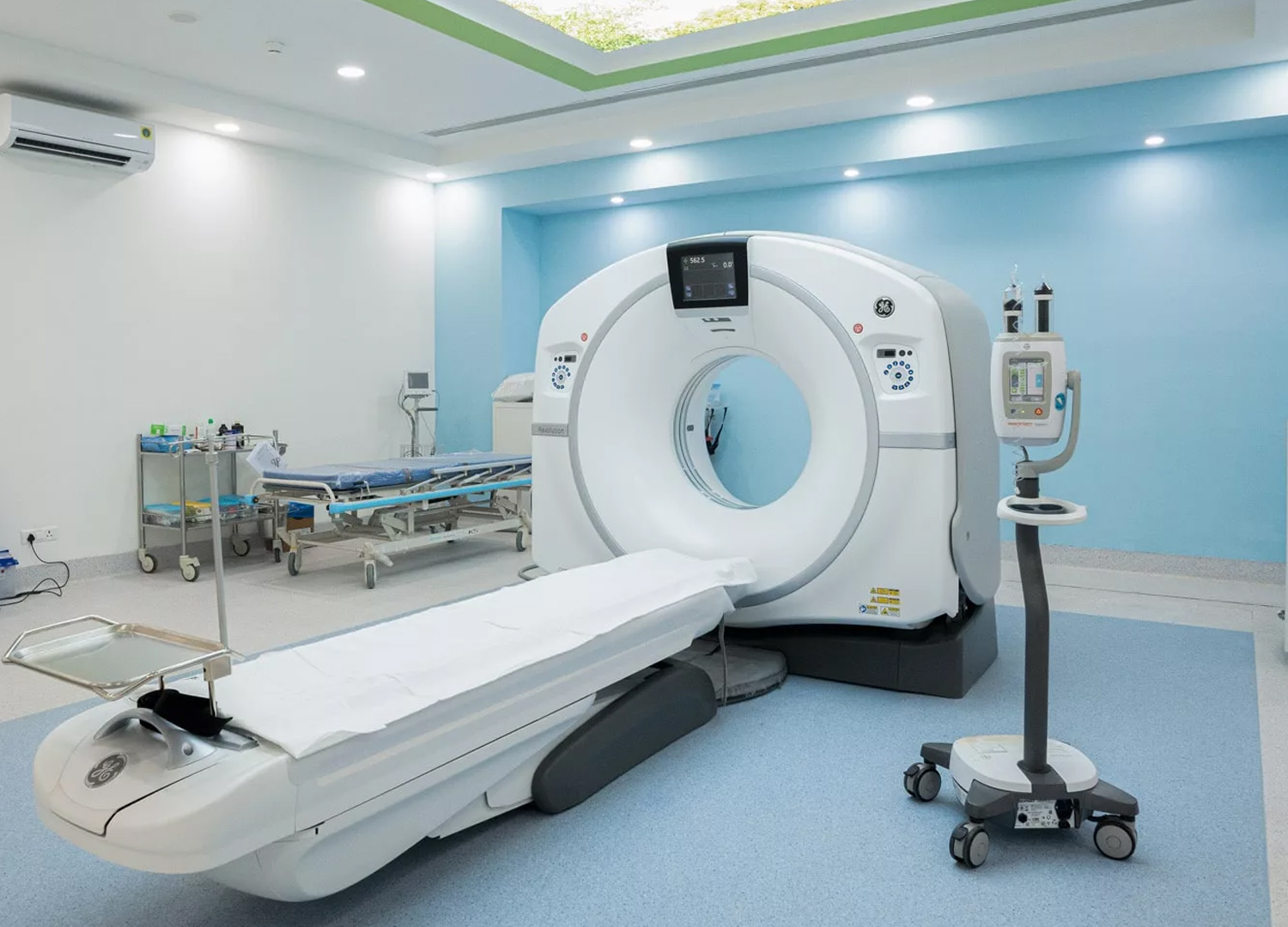
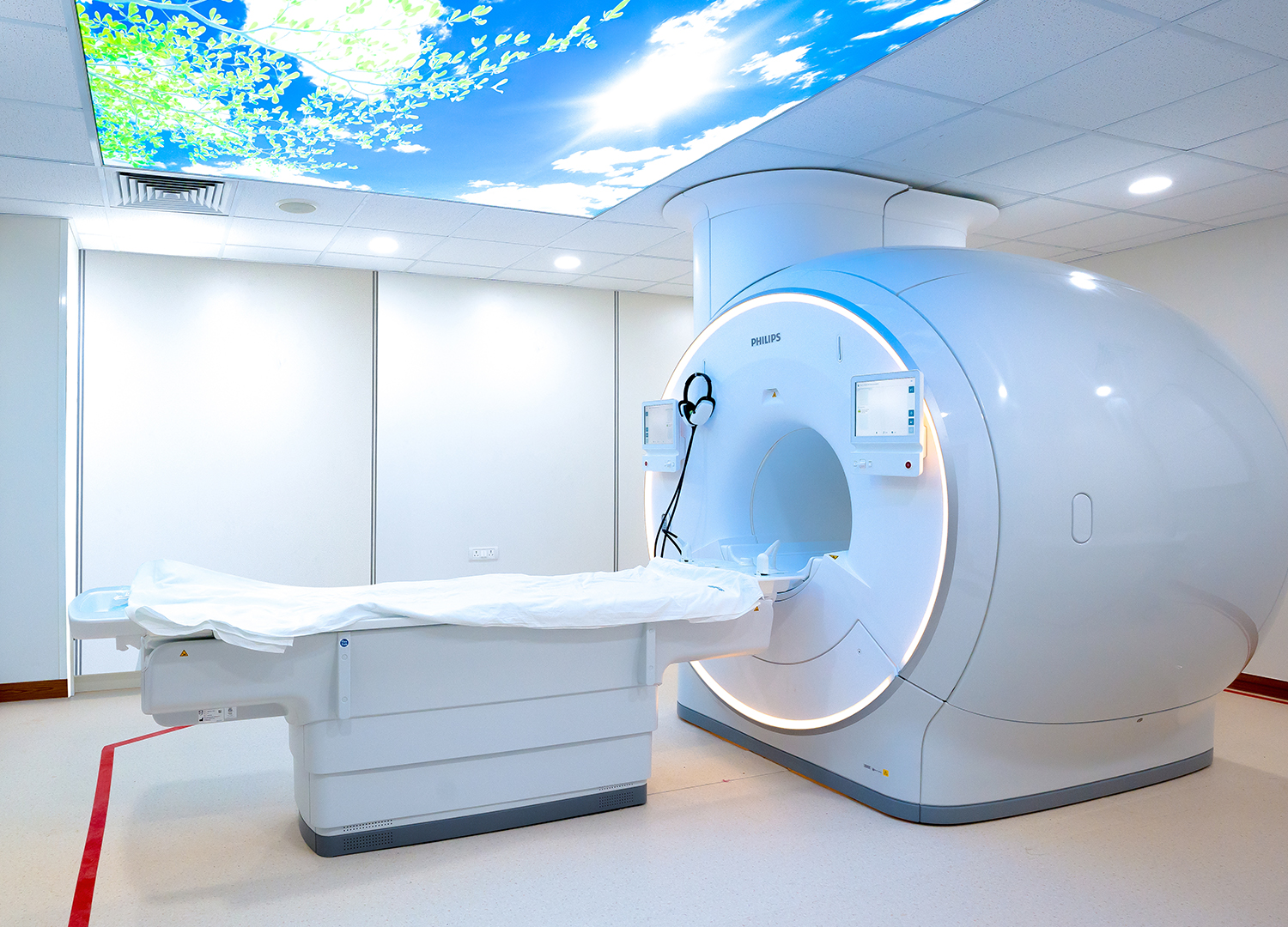
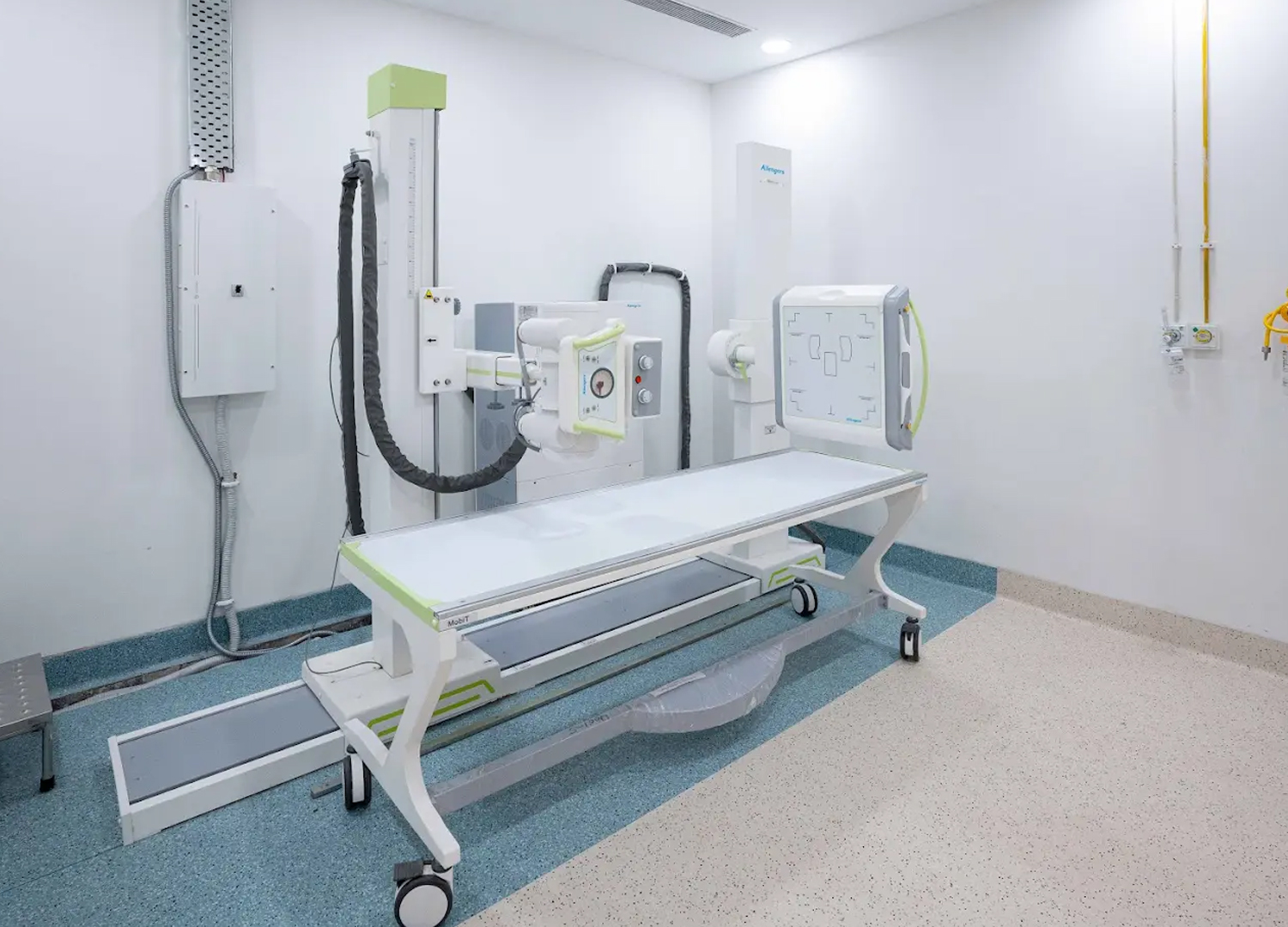
Advanced Diagnostics & Technology
- Offers high-resolution imaging for detailed blood vessel analysis, aiding in accurate diagnosis and treatment planning.
- Delivers advanced imaging with high resolution for clear, detailed views of soft tissues, ensuring precise diagnostics.
- Provides high-quality, detailed radiographic images for accurate diagnosis with minimal exposure to radiation.
Other Specialities


Patient Stories




Blog










Frequently Asked Questions (FAQs)
Can nasal polyps be cured permanently?
Nasal polyps can often be controlled with medicines or surgery, but they may return because the underlying inflammation can persist. Long-term management and regular ENT follow-up can help reduce the risk of recurrence.
Will nasal polyps go away on their own?
Small nasal polyps may sometimes remain stable, but they do not usually disappear without treatment. Medicines can help shrink them, while larger or persistent polyps may require surgical removal.
Can nasal polyps be treated without surgery?
Yes. Many patients are initially treated with corticosteroid nasal sprays and other medicines to reduce inflammation and shrink the polyps. Surgery may be considered when symptoms remain persistent or medical treatment does not provide adequate relief.
What do nasal polyps look like?
Nasal polyps are usually soft, smooth, pale or greyish growths inside the nose or sinuses. They may occur individually or in clusters and are generally painless.
Are nasal polyps cancerous?
No. Nasal polyps are noncancerous growths. However, unusual or one-sided nasal masses should still be evaluated by an ENT specialist to rule out other conditions.
What happens if nasal polyps are left untreated?
Large or persistent nasal polyps can continue to block the nasal passages and sinus openings, leading to ongoing congestion, reduced sense of smell, breathing difficulty and recurrent sinus problems.
When is nasal polyp surgery needed?
Surgery may be considered when nasal polyps cause significant blockage, keep returning, are associated with chronic sinus disease or do not respond adequately to medicines.
Can nasal polyps come back after surgery?
Yes. Nasal polyps can recur after surgery, particularly when the underlying inflammation remains active. Ongoing medical treatment and follow-up may help reduce the likelihood of recurrence.
How long does recovery take after nasal polyp surgery?
Recovery varies depending on the procedure and extent of surgery. Many patients experience temporary congestion or mild discomfort during the initial healing period and may need follow-up visits to monitor recovery.
Where can I find the best nasal polyps treatment near me in Dehradun?
If you are looking for nasal polyps treatment in Dehradun, you can consult the ENT team at Graphic Era Hospital. Our ENT specialists assess the extent of the polyps, associated sinus disease and underlying inflammation before recommending an appropriate treatment plan, which may include medicines, endoscopic procedures or surgery.