Vertebroplasty is a minimally invasive spine procedure used to treat fractured or weakened vertebrae, most commonly caused by osteoporosis, spinal tumours, or injury. During the procedure, medical-grade bone cement is injected into the affected vertebra to stabilise the fracture and help relieve pain. It is performed under imaging guidance and usually does not require open surgery or general anaesthesia, making it a suitable option for many patients.
At Graphic Era Hospital in Dehradun, vertebroplasty is performed by experienced Neuro-spine specialists within a dedicated neurosurgery department. The team is supported by advanced imaging technology, including fluoroscopy and intraoperative imaging systems, to ensure accurate diagnosis and treatment. The hospital also offers a comprehensive range of minimally invasive and complex spine procedures under one roof.
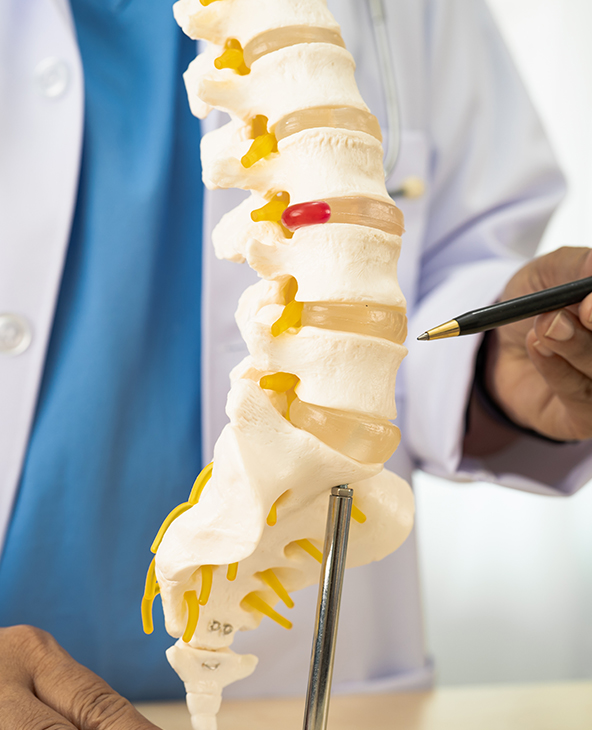
When is Vertebroplasty Recommended?
Vertebroplasty may be recommended for patients with painful vertebral compression fractures that do not improve with conservative treatment such as rest, pain-relieving medicines, physical support braces, and activity modification. At Graphic Era Hospital, our spine specialists conduct a thorough clinical evaluation along with imaging tests before determining whether vertebroplasty is the most suitable treatment option.
The procedure may be recommended in the following situations:
- Osteoporotic Vertebral Compression Fractures: The most common indication for vertebroplasty. It may be recommended when osteoporosis causes vertebral fractures that result in significant pain and reduced mobility. Seen commonly in the elderly .
- Cancer-Related Vertebral Fractures: Vertebroplasty may help stabilise vertebrae weakened by cancer and provide pain relief.
- Traumatic Compression Fractures: Some fractures caused by injury may be treated with vertebroplasty, particularly when major spine surgery is not required or suitable.
- Vertebral Haemangiomas: In selected cases, vertebroplasty may be used to treat painful vertebral haemangiomas and strengthen the affected vertebra.
- Failure of Conservative Treatment: Patients who continue to experience significant pain despite several weeks of non-surgical treatment may benefit from vertebroplasty.
- Acute Fractures With Severe Pain: Vertebroplasty may be considered for recent vertebral fractures causing severe pain and difficulty with daily activities.
Schedule Your Appointment with
Our Expert Doctors
We are dedicated to driving lasting, positive transformation in healthcare management through innovation and patient-centered solutions.
Things to Know Before Vertebroplasty
Proper preparation helps ensure a safe and successful procedure. Before vertebroplasty, your doctor will assess your overall health, review imaging scans, and discuss the treatment plan. Here are some important things to know:
- MRI and, in some cases, CT scans help confirm the fracture and determine whether vertebroplasty is the right treatment.
- Blood tests and a general health assessment are performed to ensure you are fit for the procedure.
- Inform your doctor about all medicines, supplements, and herbal products you take. Blood-thinning medicines may need to be stopped temporarily.
- Vertebroplasty is usually performed under local anaesthesia with sedation, although some patients may require general anaesthesia.
- You may be asked not to eat or drink for a few hours before the procedure.
- Tell your medical team about any allergies to medicines, contrast dyes, or other substances.
- If sedation is used, you should have a family member or caregiver accompany you home after the procedure.
- Your doctor will explain the potential benefits, expected recovery, and any alternative treatment options before the procedure.
Vertebroplasty vs Balloon Kyphoplasty: Understanding the Difference
Vertebroplasty and kyphoplasty are minimally invasive procedures used to treat painful vertebral compression fractures. Both involve injecting special bone cement into the fractured vertebra to stabilise it and relieve pain. However, there are some important differences between the two procedures.
|
Feature |
Vertebroplasty |
Balloon Kyphoplasty |
|
How It Works |
Bone cement is injected directly into the fractured vertebra. |
A small balloon is first inserted and inflated to create space before bone cement is injected. |
|
Restoration of Vertebral Height |
Stabilises the fracture but does not restore lost vertebral height. |
May help restore some of the lost vertebral height before cement is placed. |
|
Correction of Spinal Curvature |
Limited ability to correct spinal curvature caused by the fracture. |
May provide better correction in selected cases. |
|
Procedure Duration |
Usually takes 30 to 60 minutes per vertebra. |
Usually takes 45 to 90 minutes per vertebra. |
|
Cement Placement |
Cement is injected directly into the vertebra. |
Cement is placed into the cavity created by the balloon. |
|
Best Suited For |
Painful vertebral fractures that need stabilisation and pain relief. |
Fractures with significant vertebral collapse or loss of vertebral height. |
|
Availability at Graphic Era Hospital |
Available. |
Discuss with your spine specialist. |
Both procedures can provide significant pain relief when performed in appropriately selected patients. At Graphic Era Hospital, the choice between vertebroplasty and kyphoplasty is based on factors such as the type of fracture, degree of vertebral collapse, bone quality, overall health, and treatment goals.
How Is Vertebroplasty Performed?
At Graphic Era Hospital, vertebroplasty is performed by experienced spine specialists using advanced imaging technology to ensure accurate treatment. The procedure usually takes 30 to 60 minutes for each affected vertebra and follows these steps:
- Patient Positioning: The patient lies face down on the procedure table. Special supports are used to keep the spine in the correct position and ensure comfort during the procedure.
- Anaesthesia and Preparation: The skin over the treatment area is cleaned thoroughly and covered with sterile drapes. Local anaesthesia is used to numb the area, and sedation may be given to help the patient relax.
- Imaging-Guided Needle Placement: Using real-time X-ray imaging (fluoroscopy), the doctor carefully guides a specialised needle into the fractured vertebra. Imaging is used throughout the procedure to ensure accurate needle placement.
- Bone Cement Preparation: Medical-grade bone cement is prepared to the appropriate consistency before being injected into the vertebra.
- Bone Cement Injection: The cement is slowly injected into the fractured vertebra under continuous imaging guidance. This helps stabilise the fracture and allows the doctor to monitor the distribution of the cement.
- Needle Removal and Dressing: Once the cement is in place, the needle is removed and a small dressing is applied to the puncture site. Stitches are usually not required.
- Recovery and Monitoring: After the procedure, the patient is observed in the recovery area for a short period. The medical team monitors vital signs and overall recovery before discharge. Most patients can go home the same day or the following day, depending on their condition.
Why Choose Graphic Era Hospital for Vertebroplasty?
Successful vertebroplasty requires accurate diagnosis, careful patient selection, specialised expertise, and comprehensive follow-up care. At Graphic Era Hospital, patients receive personalised treatment and ongoing support to help achieve the best possible outcomes. Our approach is built on:

Experienced Spine Surgery Specialists : Vertebroplasty at Graphic Era Hospital is performed by experienced spine surgery specialists within the neurosurgery department. The team has expertise in treating vertebral compression fractures caused by osteoporosis, cancer, and spinal injuries. Every patient undergoes a detailed evaluation to determine whether vertebroplasty is the most appropriate treatment option based on the type of fracture, bone health, and overall condition.

Advanced Imaging and Minimally Invasive Expertise : Accurate needle placement and safe cement delivery are essential for a successful vertebroplasty procedure. At Graphic Era Hospital, vertebroplasty is performed under real-time fluoroscopic guidance in a dedicated procedure suite. Advanced MRI and CT scan facilities support detailed fracture assessment, treatment planning, and post-procedure evaluation, helping ensure safe and precise treatment.

Comprehensive Pre- and Post-Procedure Care : Care at Graphic Era Hospital extends beyond the procedure itself. Patients receive detailed counselling about the expected benefits, potential risks, and available treatment options before vertebroplasty. After the procedure, they are closely monitored and provided with personalised recovery guidance. Regular follow-up assessments help track recovery, monitor spinal health, and support the long-term management of conditions such as osteoporosis.
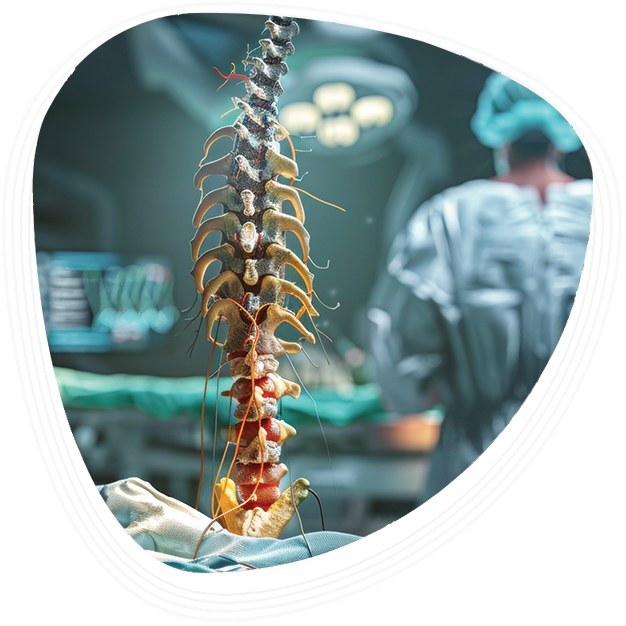
Recovery After Vertebroplasty
Vertebroplasty is a minimally invasive procedure that typically allows for a relatively quick recovery. Many patients experience noticeable pain relief within 24 to 72 hours, and some are able to walk on the same day as the procedure. At Graphic Era Hospital, recovery is guided by a personalised care plan based on each patient's condition and recovery needs.
- Hospital Stay: Most patients are discharged on the same day or the following day, depending on their overall condition and recovery after the procedure.
- Pain Relief: Many patients experience significant relief from fracture-related pain within the first few days after vertebroplasty. While some notice improvement immediately, others experience gradual relief as the treated vertebra stabilises.
- Mobilisation: Patients are encouraged to sit up, stand, and walk with assistance soon after the procedure, if medically appropriate. Early movement helps support recovery and reduces the risks associated with prolonged bed rest.
- Activity Restrictions: Heavy lifting, strenuous activities, and high-impact exercise should be avoided for several weeks. Most patients can gradually return to normal daily activities, including walking and light household tasks, within one to two weeks.
- Wound Care: The small puncture site usually requires minimal care. Patients are advised to keep the dressing clean and dry and follow the instructions provided by their healthcare team.
- Osteoporosis Management: Patients with osteoporosis-related fractures may require ongoing treatment to strengthen their bones and reduce the risk of future fractures. This may include calcium and vitamin D supplements, prescribed medications, and lifestyle modifications.
- Follow-Up Care: Follow-up appointments are scheduled to monitor recovery, assess symptom improvement, and address any concerns. Additional imaging tests may be recommended if required based on the patient's recovery and clinical condition.
Benefits and Possible Risks of Vertebroplasty
Vertebroplasty is a well-established procedure that can provide significant pain relief and improved mobility for patients with vertebral compression fractures. Like any medical procedure, it offers several benefits but also carries certain risks. Understanding both can help patients make informed treatment decisions in consultation with their spine specialist.
Benefits of Vertebroplasty
- Rapid pain relief, often within 24 to 72 hours of the procedure
- Minimally invasive treatment that usually does not require open surgery or general anaesthesia
- Short hospital stay, with many patients discharged on the same day or the following day
- Faster return to daily activities and improved mobility
- Stabilises the fractured vertebra and helps prevent further collapse
- Suitable for many patients who may not be candidates for major spine surgery
- Improved quality of life and greater independence following recovery
Possible Risks and Complications
- Cement Leakage: In some cases, a small amount of bone cement may leak outside the vertebra. Most cases do not cause symptoms, but rarely, leakage may require further treatment.
- Fractures in Nearby Vertebrae: Patients with osteoporosis may remain at risk of developing fractures in other vertebrae, even after successful treatment.
- Infection: As with any procedure involving a needle or incision, there is a small risk of infection.
- Bleeding: Minor bleeding or bruising at the treatment site may occur. Significant bleeding is uncommon.
- Nerve Irritation or Neurological Symptoms: Rarely, patients may experience symptoms such as leg pain, numbness, tingling, or weakness that require further evaluation.
- Anaesthesia or Sedation-Related Risks: Although uncommon, some patients may experience reactions to anaesthesia, sedation, or medications used during the procedure.
Top Vertebroplasty and Related Spine Procedures
- Vertebroplasty
- Kyphoplasty
- Cervical Vertebroplasty
- Percutaneous Vertebroplasty
- Balloon Kyphoplasty
- Spinal Cord Stimulation
- Lumbar Spine Surgery
- Cervical Spine Surgery
- Spinal Fusion
- Laminectomy
- Discectomy
- Minimally Invasive Spine Surgery
- Spinal Biopsy
- Radiofrequency Ablation of Spinal Tumours
- Osteoporosis Management and Fracture Prevention
Patient Stories





Blog






Inflammatory Arthritis Explained: From Symptoms to Management


Understanding Frozen Shoulder: Causes, Symptoms, and Treatments

Frequently Asked Questions (FAQs)
Is vertebroplasty a major surgery?
No. Vertebroplasty is a minimally invasive procedure performed through a small needle puncture under imaging guidance. It usually does not require open surgery, and most patients can go home on the same day or the following day.
What is the most common complication after vertebroplasty?
The most common complication is cement leakage outside the treated vertebra Not a common problem with balloon Kyphoplasty . In most cases, it does not cause symptoms and does not require additional treatment. Serious complications are uncommon.
How long does it take to recover after vertebroplasty?
Many patients experience pain relief within 24 to 72 hours of the procedure. Most can return to light daily activities within one to two weeks, although recovery may vary depending on overall health and the underlying condition.
Is vertebroplasty suitable for elderly patients?
Yes. Vertebroplasty is often recommended for elderly patients with painful osteoporotic vertebral fractures because it can provide pain relief and improve mobility without the need for major surgery.
What tests are needed before vertebroplasty?
Patients usually require imaging tests such as MRI and, in some cases, CT scans to assess the fracture. Blood tests and a medical evaluation may also be needed before the procedure.
How soon can I walk after vertebroplasty?
Most patients can sit up and walk with assistance within a few hours after the procedure, depending on their comfort level and overall condition.
What activities should I avoid after vertebroplasty
Heavy lifting, strenuous exercise, and activities that place excessive strain on the spine should be avoided for several weeks. Your doctor will advise you when it is safe to resume normal activities.
Where can I get vertebroplasty treatment near me in Dehradun or Uttarakhand?
Graphic Era Hospital offers vertebroplasty and other advanced spine treatments in Dehradun, Uttarakhand. Our experienced spine specialists use advanced imaging technology to provide accurate diagnosis, treatment planning, and comprehensive post-procedure care.
Conditions Treated at Graphic Era Hospital
Vertebroplasty vs Balloon Kyphoplasty: Understanding the Difference
Vertebroplasty and kyphoplasty are minimally invasive procedures used to treat painful vertebral compression fractures. Both involve injecting special bone cement into the fractured vertebra to stabilise it and relieve pain. However, there are some important differences between the two procedures.
|
Feature |
Vertebroplasty |
Balloon Kyphoplasty |
|
How It Works |
Bone cement is injected directly into the fractured vertebra. |
A small balloon is first inserted and inflated to create space before bone cement is injected. |
|
Restoration of Vertebral Height |
Stabilises the fracture but does not restore lost vertebral height. |
May help restore some of the lost vertebral height before cement is placed. |
|
Correction of Spinal Curvature |
Limited ability to correct spinal curvature caused by the fracture. |
May provide better correction in selected cases. |
|
Procedure Duration |
Usually takes 30 to 60 minutes per vertebra. |
Usually takes 45 to 90 minutes per vertebra. |
|
Cement Placement |
Cement is injected directly into the vertebra. |
Cement is placed into the cavity created by the balloon. |
|
Best Suited For |
Painful vertebral fractures that need stabilisation and pain relief. |
Fractures with significant vertebral collapse or loss of vertebral height. |
|
Availability at Graphic Era Hospital |
Available. |
Discuss with your spine specialist. |
Both procedures can provide significant pain relief when performed in appropriately selected patients. At Graphic Era Hospital, the choice between vertebroplasty and kyphoplasty is based on factors such as the type of fracture, degree of vertebral collapse, bone quality, overall health, and treatment goals.
 Emergency 24×7 : 1800 889 7351