When symptoms like tiredness, breathlessness, or sudden weakness begin to interfere with daily routines, they can signal an underlying heart rhythm problem that requires expert cardiology care. Heart block is one such condition that requires systematic medical evaluation and appropriate treatment. At Graphic Era Hospital, the Department of Cardiology focuses on stabilising heart rhythm, preventing complications, and restoring normal cardiac function as safely and effectively as possible. The approach to heart block treatment depends on the type of heart block, the severity of symptoms, and how the condition affects overall heart function.
Understanding Heart Block and When to Seek Care
Heart block occurs when electrical signals that regulate heartbeats are delayed or interrupted as they pass from the atria to the ventricles. This disruption can slow the heart rate or cause irregular heart rhythms, reducing the heart’s ability to pump blood effectively. While in mild cases, heart block may cause few or no symptoms, more advanced forms can lead to dizziness, fainting, breathlessness, or fatigue. As progression can be unpredictable, timely evaluation by a cardiology specialist is important before symptoms worsen.
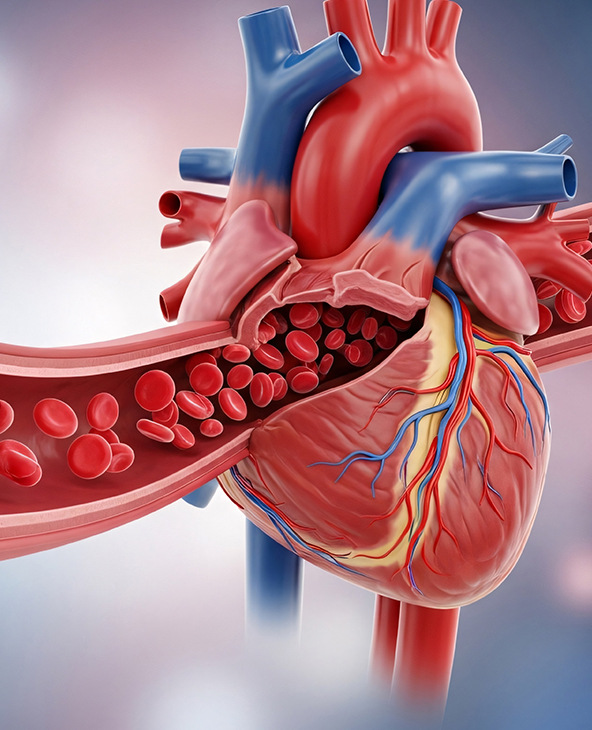
Medical attention should be sought if any of the following occur:
- Unexplained dizziness or lightheadedness
- Episodes of fainting or near-fainting
- Persistent fatigue or reduced exercise tolerance
- Shortness of breath, especially with activity
- Palpitations or awareness of slow heartbeats
- Chest discomfort or sudden weakness
Types of Heart Block
Heart block is classified based on the degree of electrical signal interruption and its impact on heart rhythm. Identifying the type of heart block is essential for determining appropriate treatment.
First-Degree Heart Block
When electrical signals move through the heart more slowly than normal but still reach the ventricles, it is classified as first-degree heart block. This type often causes no symptoms and is commonly detected during routine ECG testing.
Second-Degree Heart Block
Some electrical signals fail to reach the ventricles, resulting in missed heartbeats. This may occur intermittently and can cause dizziness or fatigue. Certain forms of second-degree heart block carry a higher risk of progression.
Third-Degree (Complete) Heart Block
Electrical signals between the atria and ventricles are completely blocked. The ventricles generate their own slower rhythm, which can severely reduce blood flow and cause significant symptoms. This form usually requires urgent medical intervention.
How Heart Block Is Diagnosed by Cardiology Specialists at Graphic Era Hospital
Diagnosing heart block involves more than confirming its presence; it also requires assessing how the condition affects heart rhythm and overall function.At Graphic Era Hospital, the Department of Cardiology performs structured cardiac evaluation using advanced diagnostic tools. The diagnostic process may include:
- Clinical Assessment: Review of symptoms, medical history, medications, and cardiovascular risk factors
- Electrocardiogram (ECG): Confirms the presence and type of heart block
- Holter or Ambulatory Monitoring: Detects intermittent conduction abnormalities
- Blood Tests: Identify electrolyte imbalances, thyroid disorders, or other contributing conditions
- Echocardiography: Assesses heart structure and function
- Medication Review: Identifies drugs that may worsen conduction delay
- Cardiac MRI or other advanced imaging: Identifies structural anomalies and provides accurate anatomical data for treatment planning
Heart Block Treatment and Management at Graphic Era Hospital
Treatment for heart block is guided by the type of conduction disturbance, severity of symptoms, underlying cause, and overall heart function. While some individuals require only careful monitoring, others may need timely intervention to maintain a safe and reliable heart rhythm. At Graphic Era Hospital, heart block management is led by experienced cardiologists through a structured, evidence-based approach that prioritises patient safety, accurate decision-making, and long-term rhythm stability.
Observation and Monitoring for Mild Heart Block
In cases such as first-degree heart block or asymptomatic, low-risk conduction delays, immediate treatment may not be required. These individuals are managed with regular follow-up, ECG monitoring, and symptom assessment to ensure the condition remains stable. Ongoing observation helps detect progression early and avoids unnecessary intervention.
Medical Review and Management of Reversible Causes
Heart block may sometimes be triggered or worsened by reversible factors such as certain medications, electrolyte imbalances, infections, or metabolic conditions. Management in these cases focuses on identifying and correcting the underlying cause. Adjusting medications or treating contributing conditions may improve conduction and reduce symptoms in selected individuals.
Emergency Management of Symptomatic or Unstable Heart Block
Individuals presenting with fainting, severe dizziness, very slow heart rate, low blood pressure, or signs of reduced blood flow require immediate medical attention. Such cases are managed with hospital admission, continuous cardiac monitoring, and stabilisation of heart rhythm. Temporary pacing may be used when required to maintain circulation while further treatment decisions are made.
Permanent Pacemaker Placement for Advanced Heart Block
Persistent second-degree heart block with high-risk features and complete (third-degree) heart block usually require permanent pacemaker placement. A pacemaker helps maintain a safe and regular heart rhythm by supporting electrical signals when natural conduction is unreliable. The decision for pacemaker placement is based on ECG findings, symptom severity, and overall risk assessment.
Long-Term Follow-Up and Rhythm Monitoring
After treatment, especially following pacemaker placement, regular follow-up is essential. Ongoing care includes rhythm monitoring, device checks when applicable, symptom review, and management of associated heart conditions. Long-term follow-up supports sustained rhythm control and patient safety.
Why Choose Graphic Era Hospital for Heart Block Treatment?
Managing heart block requires careful evaluation, timely decision-making, and access to specialised cardiac care. At Graphic Era Hospital, heart block treatment is delivered through a structured approach that combines clinical expertise, advanced diagnostics, and emergency readiness to ensure patient safety at every stage.

Care Led by Experienced Cardiologists : Heart block evaluation and management are led by cardiologists with experience in diagnosing cardiac conduction disorders and making informed decisions regarding monitoring, medical management, or pacemaker placement. This expertise ensures that each patient receives an accurate diagnosis and treatment that is appropriate to the type and severity of heart block, avoiding both delay and unnecessary intervention.

Advanced Heart Rhythm Diagnostics : The hospital is equipped with advanced heart rhythm diagnostic facilities, including high-quality ECG systems, Holter monitoring, continuous cardiac telemetry, and echocardiography. These tools allow early detection of intermittent or high-risk conduction abnormalities and provide detailed insight into heart rhythm behaviour, supporting confident and well-informed treatment planning.

Emergency Readiness for Unstable Heart Block : Heart block can sometimes present suddenly with fainting episodes, severe dizziness, or dangerously slow heart rates that require urgent medical attention. Graphic Era Hospital offers round-the-clock emergency cardiac care, with immediate rhythm stabilisation, temporary pacing support when needed, and continuous monitoring in a controlled clinical environment to manage unstable cases safely.
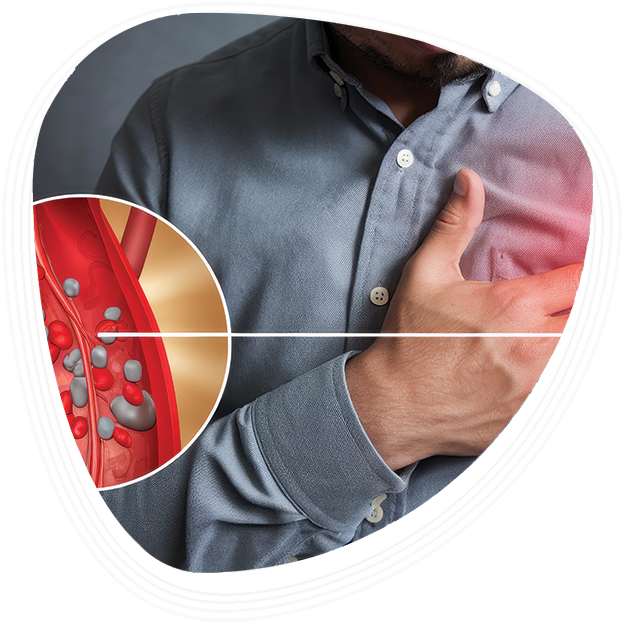
Supporting Long-Term Heart Health After Heart Block Treatment
Although heart block may require ongoing care, certain measures help support long-term heart health and reduce future risks:
- Attending regular cardiology follow-ups and heart rhythm assessments
- Adhering to prescribed medications and device checks
- Managing blood pressure, diabetes, and other cardiac risk factors
- Reporting new symptoms promptly
- Following activity and lifestyle guidance provided by the care team
Top Heart Block Treatments Available at Graphic Era Hospital
- Heart rhythm evaluation and ECG-based diagnosis
- Medical management of reversible conduction disorders
- Emergency stabilisation of acute heart block
- Permanent pacemaker implantation
- Long-term rhythm monitoring and follow-up care
Blog







Heart Attack: Symptoms and Treatment


Increased Heart Rate: Causes, Risks, and When to Seek Medical Attention
Frequently Asked Questions (FAQs)
What causes heart block?
Heart block can occur when the electrical pathways of the heart are damaged or disrupted. Common causes include age-related changes in the heart’s conduction system, underlying heart disease, previous heart attacks, inflammation or infections affecting the heart, and complications following heart surgery or procedures. In some cases, heart block may also occur without a clearly identifiable cause.
What are the risk factors for developing heart block?
Several factors increase the likelihood of developing heart block, including increasing age, existing heart disease, prior heart surgery, long-standing high blood pressure, and certain medications that affect heart rhythm. Electrolyte imbalances and conditions affecting the heart’s electrical system may also raise the risk.
Is heart block the same as heart attack?
No. Heart block affects the heart’s electrical system, while a heart attack results from blocked blood flow to the heart muscle.
Can medications cause heart block?
Yes. Some medications can slow electrical conduction and contribute to heart block, particularly in susceptible individuals.
Can people with pacemakers live normal lives?
Most individuals with pacemakers return to normal daily activities with appropriate follow-up and care.
Can heart block occur suddenly, or does it always develop gradually?
Heart block can develop gradually in some individuals, but it may also appear suddenly, especially in association with heart disease, infections, medication effects, or after a heart procedure. Sudden onset heart block often requires urgent medical evaluation.
Will heart block restrict daily activities or physical exercise?
Activity recommendations depend on the type and severity of heart block and whether treatment such as a pacemaker is required. Many individuals can resume normal daily activities after appropriate evaluation and treatment, with guidance from their cardiologist.
Is heart block more common in older adults?
Heart block is more commonly seen with increasing age due to age-related changes in the heart’s electrical system, but it can also occur in younger individuals depending on underlying conditions or causes.
Will heart block affect other heart conditions I may already have?
Heart block can coexist with other heart conditions such as coronary artery disease or heart failure. Managing heart block alongside these conditions requires coordinated cardiac care to ensure overall heart function remains stable.
When should I consult a cardiology specialist for heart blockage?
You should consult a cardiology specialist if you experience symptoms such as dizziness, fainting, unexplained fatigue, breathlessness, palpitations, or episodes of a slow heartbeat. Early cardiology evaluation is also important if an ECG shows abnormalities, if you have existing heart disease, or if symptoms begin affecting daily activities. Timely assessment helps identify the type and severity of heart block and allows appropriate treatment before complications develop.
 Emergency 24×7 : 1800 889 7351