Multiple Sclerosis (MS) is a chronic neurological condition in which the immune system attacks the protective covering (myelin) of nerve fibres, disrupting communication between the brain and the rest of the body, affecting movement, balance, vision, and overall coordination. At Graphic Era Hospital, Dehradun, our Department of Neurology combines precise diagnosis, advanced imaging, and evidence-based therapies to provide specialised care for patients with multiple sclerosis. We have a multidisciplinary team comprising neurologists, physiotherapists, and neuropsychiatrists, who work together to manage relapses, preserve nerve function, and support long-term well-being through personalised medical and rehabilitative care.
When to Seek Treatment for Multiple Sclerosis
Early recognition of multiple sclerosis is essential to prevent long-term nerve damage and maintain function. Since MS symptoms often appear gradually or may mimic other conditions, timely consultation with a neurologist is crucial. Seeking medical attention at the first sign of neurological changes can help begin treatment early and reduce the risk of disease progression.
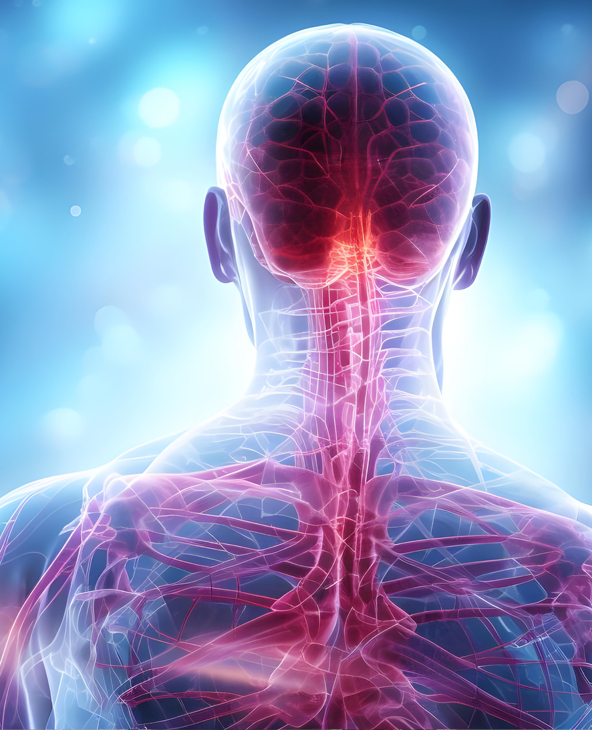
Here are some signs and situations when it is important to seek MS treatment:
- Persistent numbness, tingling, or weakness in one or more limbs
- Episodes of blurred or double vision
- Loss of balance or frequent falls
- Muscle stiffness, spasms, or difficulty walking
- Problems with bladder or bowel control
- Chronic fatigue that affects daily activity
- Dizziness, vertigo, or lack of coordination
- Memory problems or cognitive decline
- Mood swings, depression, or emotional changes
- Recurrence or worsening of previous neurological symptoms
Diagnosis and Evaluation of Multiple Sclerosis at Graphic Era Hospital
Accurate diagnosis is the first step in managing multiple sclerosis effectively. Since MS can resemble other neurological disorders, a detailed clinical assessment and advanced imaging are required to confirm the condition. At Graphic Era Hospital, our Department of Neurology uses state-of-the-art diagnostic tools to identify nerve inflammation, monitor disease activity, and rule out other causes of neurological symptoms.
Tests and evaluations for multiple sclerosis include:
- Magnetic Resonance Imaging (MRI): Detects lesions or areas of demyelination in the brain and spinal cord.
- Evoked Potential Tests: Measure how quickly the brain responds to sensory stimuli, helping detect nerve pathway damage.
- Lumbar Puncture (Spinal Tap): Examines cerebrospinal fluid for abnormal proteins or immune cells linked to MS.
- Electromyography (EMG) and Nerve Conduction Studies (NCS): Assess electrical activity in muscles and nerve signal transmission.
- Blood Tests: Help rule out infections or autoimmune disorders with similar symptoms.
- Neurological Examination: Evaluates reflexes, coordination, strength, and vision to assess functional impairment.
Advanced Treatment Options for Multiple Sclerosis
Treatment for multiple sclerosis focuses on managing symptoms, controlling relapses, and slowing disease progression. At Graphic Era Hospital, Dehradun, our neurologists create personalised care plans based on the type and stage of MS, combining medical therapies with supportive and rehabilitative care. The goal is to maintain mobility, independence, and quality of life through evidence-based interventions.
Key treatment options for multiple sclerosis include:
- Disease-Modifying Therapies (DMTs): Medications that reduce the frequency and severity of relapses and delay disease progression.
- Corticosteroids: Used to manage acute flare-ups by decreasing inflammation and shortening relapse duration.
- Plasma Exchange (Plasmapheresis): Recommended for severe relapses unresponsive to steroids, helping remove harmful antibodies from the blood.
- Immunosuppressive Medications: Used selectively to control overactive immune responses.
- Symptom Management: Includes drugs and therapies for fatigue, muscle stiffness, bladder issues, or pain.
- Neurorehabilitation: Comprehensive physiotherapy, occupational therapy, and balance training to restore mobility and strength.
- Neuropsychiatric Support: Counselling and therapy for mood changes, anxiety, or depression associated with MS.
- Regular Monitoring: Routine neurological assessments and MRI scans to track disease activity and adjust treatment as needed.
Why Choose Graphic Era Hospital for Multiple Sclerosis Treatment?
At Graphic Era Hospital, Dehradun, the focus extends beyond symptom management to long-term neurological wellness. Combining advanced diagnostic tools, evidence-based therapies, and a multidisciplinary approach, the hospital ensures every patient with MS receives comprehensive and compassionate care tailored to their needs. Here’s why people choose Graphic Era hospital for MS treatment:

Experienced Neurology Specialists : Our team of highly qualified neurologists has extensive experience in diagnosing and managing complex cases of multiple sclerosis. They work closely with rehabilitation experts and neuropsychiatrists to deliver personalised treatment plans for every stage of the disease.

Advanced Technology and Multidisciplinary Care : The hospital is equipped with high-resolution MRI scanners, electrophysiology units, and neuro-monitoring systems that enable accurate diagnosis and precise treatment planning. A coordinated approach involving neurologists, physiotherapists, and counsellors ensures complete, well-rounded care.

Comprehensive Support and Long-Term Care : At Graphic Era Hospital, care for multiple sclerosis extends well beyond medical treatment. Patients receive continued guidance through follow-up consultations, lifestyle counselling, and ongoing therapy support to help them adapt to daily challenges. From managing medication schedules to monitoring neurological function and emotional well-being, the hospital ensures every patient receives consistent, long-term care aimed at improving stability, independence, and overall quality of life.
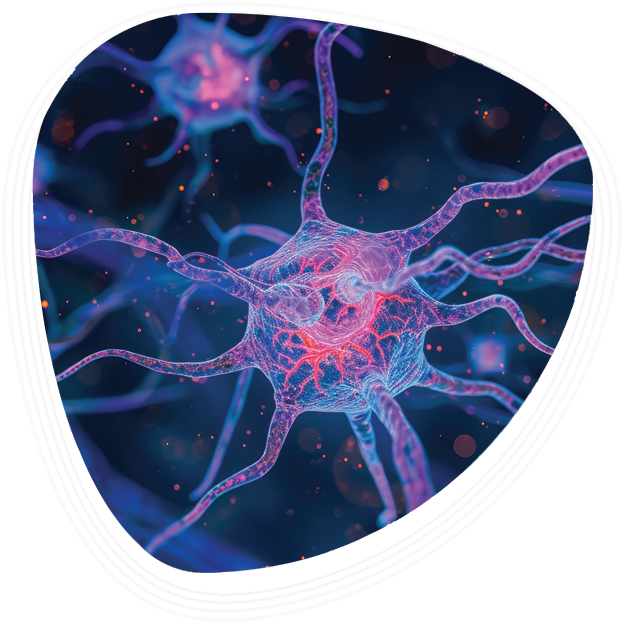
Rehabilitation and Supportive Therapies for MS Patients
Rehabilitation plays a vital role in helping individuals with multiple sclerosis maintain function, manage symptoms, and enhance quality of life. At Graphic Era Hospital, rehabilitation begins early and continues throughout the treatment journey, ensuring a holistic approach to recovery. Our multidisciplinary team of neurologists, physiotherapists, occupational therapists, and speech therapists work together to restore strength, coordination, and confidence in daily activities. Supportive and rehabilitative therapies offered at Graphic Era Hospital include:
- Physiotherapy: Improves muscle strength, flexibility, and balance while reducing fatigue and stiffness.
- Occupational Therapy: Helps patients adapt to lifestyle challenges and promotes independence in personal and professional activities.
- Speech and Swallowing Therapy: Addresses speech clarity and swallowing difficulties that may occur in advanced MS stages.
- Cognitive Rehabilitation: Supports memory, concentration, and problem-solving through targeted exercises.
- Psychological Counselling: Provides emotional support and helps patients cope with anxiety, depression, and lifestyle adjustments.
- Nutritional Guidance: Encourages a balanced diet to support nerve health and overall wellness.
Managing and Preventing MS Progression
Although multiple sclerosis cannot be completely prevented, its progression can be slowed with early intervention, consistent treatment, and healthy lifestyle choices. At Graphic Era Hospital, long-term management focuses on preventing relapses, reducing complications, and supporting neurological health through regular monitoring and patient education.
Here are the key strategies to manage and prevent MS progression:
- Adherence to Prescribed Therapies: Regular use of disease-modifying treatments helps control inflammation and reduce new lesion formation.
- Routine Neurological Follow-ups: Periodic evaluations allow specialists to track changes and adjust medications as needed.
- Stress Management: Relaxation techniques, mindfulness, and counselling reduce stress that can trigger relapses.
- Physical Activity: Gentle exercises such as yoga, swimming, and stretching maintain flexibility and endurance.
- Balanced Nutrition: Diet rich in antioxidants, omega-3 fatty acids, and vitamin D supports nerve health.
- Adequate Rest: Proper sleep aids immune balance and energy restoration.
- Avoiding Triggers: Managing infections, temperature changes, and fatigue can help prevent symptom flare-ups.
Top Multiple Sclerosis Treatments Available at Graphic Era Hospital
- Disease-Modifying Therapies (DMTs)
- Corticosteroid Therapy
- Plasma Exchange (Plasmapheresis)
- Immunosuppressive Therapy
- Physiotherapy and Occupational Therapy
- Neuropsychiatric Counselling
- Cognitive Rehabilitation
- Regular MRI and Neurological Follow-ups
Blog








Frequently Asked Questions
What is the best treatment for multiple sclerosis?
The best treatment depends on the type and stage of MS. Neurologists at Graphic Era Hospital recommend disease-modifying therapies (DMTs) to control relapses, corticosteroids for flare-ups, and supportive rehabilitation to maintain mobility and function.
Can multiple sclerosis treatment improve my quality of life?
Yes. With early diagnosis, proper medication, and rehabilitation support, patients often experience reduced symptoms, better physical coordination, and improved emotional well-being. Regular follow-ups and therapy help maintain independence and enhance daily living.
Is there a cure for multiple sclerosis?
Currently, there is no complete cure for MS, but modern treatments can effectively slow disease progression and control relapses. Continuous care and symptom management at Graphic Era Hospital help patients lead active, fulfilling lives.
What are disease-modifying therapies (DMTs) for MS?
DMTs are advanced medications that target immune system activity to reduce inflammation and prevent new nerve damage. They are a cornerstone of MS management and are prescribed under expert neurological supervision.
Are multiple sclerosis treatments available near me in Dehradun?
Yes. Graphic Era Hospital offers comprehensive multiple sclerosis treatment in Dehradun, including diagnosis, medication management, physiotherapy, and long-term neurorehabilitation – all under one roof.
How can physical and occupational therapy help people with MS?
These therapies improve strength, balance, and flexibility while helping patients adapt to lifestyle challenges. Regular sessions can reduce fatigue, improve posture, and increase confidence in daily tasks.
Is physiotherapy for multiple sclerosis available near me in Dehradun?
Yes. Graphic Era Hospital offers specialised physiotherapy and occupational therapy for MS patients to improve mobility, strength, and coordination as part of a personalised care plan.
Are long-term follow-up and monitoring services for MS available near me in Dehradun?
Yes. Patients at Graphic Era Hospital benefit from continuous neurological monitoring, regular MRI scans, and follow-up consultations to track disease activity and ensure treatment effectiveness.t.
 Emergency 24×7 : 1800 889 7351