Angiography is a specialised imaging procedure that helps doctors detect problems such as blockages, narrowing, or structural abnormalities in arteries and veins, which may lead to heart disease, stroke, or poor blood circulation. At Graphic Era Hospital, Dehradun, Uttarakhand, angiography is performed using advanced digital imaging systems and precise catheter-based techniques that provide clear, real-time images of the vascular system with minimal discomfort. The hospital offers a complete range of angiography services, including coronary angiography for heart vessels, cerebral angiography for brain circulation, and peripheral angiography for limbs and other parts of the body. Equipped with modern angiography suites, 24×7 emergency care, and stringent safety protocols, Graphic Era Hospital provides reliable, patient-centred angiography for both routine assessments and emergency conditions.
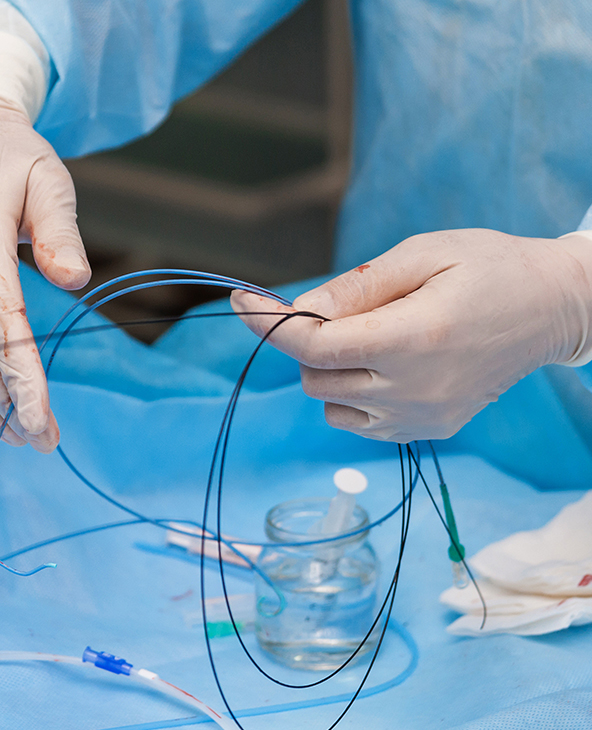
Understanding Angiography and its Types
Angiography is a diagnostic imaging test that allows doctors to view the flow of blood in arteries and veins in different parts of the body. During the test, a contrast dye is injected into the bloodstream, which makes the arteries and veins visible on imaging scans. These images are captured using X-ray, CT, or MRI-based techniques, depending on the type of angiography performed. Each method provides detailed images of blood vessels, helping doctors assess circulation and detect abnormalities early.
At Graphic Era Hospital, Dehradun, doctors perform different types of angiography based on the organ or part of the body that needs evaluation. These include:
- Coronary Angiography: Examines the heart’s arteries to identify blockages or narrowing that may cause chest pain or heart attack.
- Cerebral Angiography: Evaluates blood vessels in the brain to detect aneurysms, stroke risk, or vascular malformations.
- Pulmonary Angiography: Assesses the blood flow in the lungs and helps diagnose pulmonary embolism or other vascular disorders.
- Renal Angiography: Checks blood supply to the kidneys to identify narrowing or blockages affecting kidney function.
- Peripheral Angiography: Examines arteries in the arms or legs to detect peripheral artery disease or poor circulation.
- Fluorescein Angiography: Used to study blood vessels in the retina to diagnose diabetic retinopathy and other eye conditions.
Schedule Your Appointment with
Our Expert Doctors
We are dedicated to driving lasting, positive transformation in healthcare management through innovation and patient-centered solutions.
Who Performs Angiography?
An angiography is performed by a team of medical specialists trained in imaging and vascular procedures. The team typically includes:
- Interventional Radiologists: Doctors who specialise in using imaging technology to guide catheters and diagnose or treat blood vessel conditions.
- Cardiologists: Heart specialists who perform coronary angiography to examine arteries that supply blood to the heart.
- Vascular Surgeons: Experts who assess and treat complex blood vessel diseases that may require surgical or minimally invasive procedures.
- Specialised Technicians and Nurses: Assist during the procedure by preparing equipment, monitoring the patient, and ensuring safety throughout the process.
At Graphic Era Hospital, Dehradun, angiography is performed in a sterile, advanced imaging suite equipped with the latest technology. The hospital’s multidisciplinary team works together to provide accurate diagnosis, patient comfort, and a smooth, safe experience from start to finish.
When is Angiography Recommended?
Angiography is recommended to evaluate blood flow and detect blockages or narrowing in arteries and veins across the body. It helps diagnose and monitor conditions affecting the heart, brain, lungs, kidneys, and limbs, guiding doctors in selecting the most effective treatment to restore circulation and prevent complications. Angiography may be advised for individuals who experience:
- Chest pain, pressure, or discomfort that could indicate heart disease or coronary artery blockage.
- Shortness of breath, dizziness, or fatigue that worsens with physical activity.
- Pain, numbness, or weakness in the legs or arms caused by poor blood flow.
- Suspected stroke or brain aneurysm requiring vascular evaluation.
- Reduced kidney function linked to limited blood supply.
- Eye or vision problems due to diabetes or retinal vessel damage.
- Abnormal heart test results, such as ECG or echocardiogram findings that suggest restricted blood flow.
Among these various types, coronary angiography specifically examines the arteries supplying blood to the heart to confirm the presence, location, and severity of blockages. This helps doctors decide whether medication, angioplasty, or bypass surgery is the best treatment option.
How is Angiography Performed?
An angiography is a simple and safe procedure performed under expert supervision. It helps doctors see blood flow in real time and detect any blockages or narrowing. The entire process usually takes between 30 minutes to an hour, depending on the type of angiography being done.
Before Angiography
Before the test, the doctor reviews medical history, allergies, and current medications. Patients may be asked to fast for a few hours. A small area near the groin, wrist, or arm is cleaned and numbed, as this is where the catheter (a thin, flexible tube) will be inserted.
During Angiography
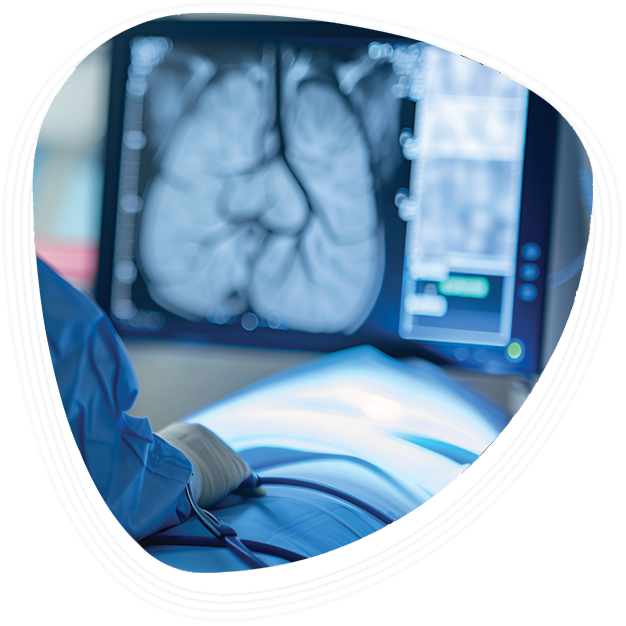
Once the catheter is placed in the blood vessel, a special contrast dye is injected to make the blood vessels visible on the imaging screen. X-ray or CT images are then taken to track how the blood flows through the arteries and veins. Patients may feel a warm sensation for a few seconds when the dye is injected, which is completely normal.
After Angiography
After the procedure, the catheter is carefully removed, and pressure is applied to stop any bleeding. Patients are usually monitored for a few hours and advised to rest and drink plenty of fluids to help flush the dye from the body. Most individuals can return home the same day unless further observation is required.
At Graphic Era Hospital, Dehradun, angiography is performed using the latest imaging systems and sterile techniques, ensuring a safe, comfortable, and precise diagnostic experience for every patient.
Why Choose Graphic Era Hospital for Angiography in Dehradun?
At Graphic Era Hospital, Dehradun, every angiography is performed with precision, safety, and patient comfort in mind. The hospital combines advanced diagnostic technology with the expertise of experienced specialists to deliver accurate and reliable results. Here’s what makes Graphic Era Hospital a trusted choice for angiography in Dehradun:

Experienced Cardiologists and Interventional Radiologists : At Graphic Era Hospital, angiography procedures are carried out by a team of highly qualified cardiologists and interventional radiologists. Their combined expertise ensures accurate diagnosis, safe procedures, and precise interpretation of imaging results. Every patient is guided with clarity and care, from preparation and testing to post-procedure follow-up, ensuring comfort and confidence throughout the process.

Advanced Imaging and Minimally Invasive Technology : The hospital features state-of-the-art digital angiography suites, along with CT and MR angiography systems that provide high-definition images of blood vessels. Our minimally invasive approach reduces procedure time, limits radiation exposure, and allows quicker recovery with minimal discomfort.

Comprehensive Cardiac and Vascular Care : From diagnostic testing and interventional procedures such as angioplasty and stenting to post-treatment monitoring, Graphic Era Hospital provides complete cardiac and vascular care under one roof. With 24×7 emergency services, dedicated cardiac ICUs, and continuous medical supervision, patients receive safe, efficient, and personalised care at every stage of their recovery.By combining medical expertise, modern technology, and compassionate care, Graphic Era Hospital ensures that each angiography is performed safely, efficiently, and with the highest standards of precision.
Risks and Possible Complications of Angiography
Angiography is generally a safe and well-tolerated diagnostic procedure when performed under expert supervision. At Graphic Era Hospital, every angiography is carried out in a controlled, sterile environment by experienced cardiologists and interventional radiologists to minimise any risk. However, as with any medical procedure, a few side effects or complications may occasionally occur. Possible risks and complications include:
- Mild Allergic Reaction to Contrast Dye: Some patients may experience itching, rash, or warmth due to the dye used during imaging. These symptoms are usually short-lived and easily managed.
- Bruising or Bleeding at the Catheter Site: Minor bleeding or tenderness may occur where the catheter was inserted, typically at the wrist, groin, or arm.
- Infection at the Puncture Site: Though rare, infections are prevented through strict aseptic techniques and immediate post-procedure care.
- Damage to Blood Vessels: The catheter may occasionally irritate or injure the blood vessel wall, which is closely monitored during the procedure.
- Kidney Strain from Contrast Dye: Patients with existing kidney disease may experience temporary changes in kidney function. Adequate hydration before and after the test helps reduce this risk.
- Irregular Heart Rhythm (Arrhythmia): Some individuals may develop mild heart rhythm changes during coronary angiography, which usually resolve on their own.
- Very Rare Complications: Serious issues such as blood clots, stroke, or heart attack are extremely uncommon, especially when the procedure is performed by skilled specialists.
At Graphic Era Hospital, patient safety is prioritised through detailed pre-procedure assessment, real-time monitoring, and advanced emergency support, ensuring the highest standards of care and comfort throughout the angiography process.
Recovery After Angiography
Recovery after an angiography is usually quick, and most patients can return home the same day once their condition is stable. The recovery period focuses on rest, hydration, and gentle movement to allow the puncture site to heal and the dye to leave the body safely. Here are a few simple steps that help ensure smooth recovery after the procedure:
- Rest for several hours after the test and avoid strenuous activity for at least 24 hours.
- Drink plenty of fluids to help flush the contrast dye from the system.
- Keep the dressing on the catheter site clean and dry to prevent infection.
- Avoid lifting heavy objects or bending the limb used for catheter insertion for a day or two.
- Inform the doctor if there is swelling, bleeding, or pain at the site.
At Graphic Era Hospital, Dehradun, the care team provides clear post-procedure instructions and monitors every patient to ensure proper healing and comfort. Follow-up consultations are scheduled to review test results and discuss the next steps in treatment if needed.
Top Bone Fracture Treatments at Graphic Era Hospital
- Fracture Fixation Surgery
- Closed Reduction and Casting
- External Fixation for Complex Fractures
- Bone Grafting and Reconstruction
- Arthroscopic-Assisted Fracture Repair
- Minimally Invasive Internal Fixation
- Joint Reconstruction after Fracture
- Post-Fracture Physiotherapy and Rehabilitation
Patient Stories





Blog




Heart Attack: Symptoms and Treatment


Increased Heart Rate: Causes, Risks, and When to Seek Medical Attention
Frequently Asked Questions (FAQs)
Why is an angiogram done?
An angiogram helps doctors detect blockages, narrowing, or other problems in the blood vessels. It is often recommended for patients with chest pain, shortness of breath, or symptoms that suggest heart or vascular disease.
How do I prepare for an angiogram test?
Patients are usually asked to avoid eating or drinking for a few hours before the procedure. The doctor will review medications, allergies, and medical history in advance to ensure safety.
What tests are done before angiography near me?
Before angiography, blood tests, ECG, or echocardiograms may be done to assess overall heart and kidney health.
What should I expect on the day of my angiogram test?
The procedure is done under local anaesthesia. A thin catheter is inserted into a blood vessel, and a contrast dye is used to take detailed images. The process usually takes 30 to 60 minutes.
When will I get my angiogram results?
Preliminary results are often discussed immediately after the procedure, while the final report is reviewed by your doctor within a few hours or the same day.
Are angiography and angioplasty the same?
No. Angiography is a diagnostic test that shows blockages, while angioplasty is a treatment procedure used to open narrowed arteries.
How long does an angiography take?
Most angiography procedures take between 30 minutes and an hour, depending on the complexity.
Is angiography painful?
No. The procedure is performed under local anaesthesia, so only mild pressure or warmth may be felt during the dye injection.
Can angiography clear blockages?
No, angiography only detects blockages. If a blockage is found, your doctor may suggest angioplasty or bypass surgery.
What are the benefits of angiography?
Angiography provides clear and detailed images of blood vessels, helping doctors diagnose heart and vascular problems early and plan the best treatment.
Which angiography is best for the heart?
Coronary angiography is considered the gold standard for detecting blockages or narrowing in the heart’s arteries.
How can I book an angiography test near me in Dehradun?
To book an angiography test at Graphic Era Hospital, Dehradun, call 1800-889-7351 or visit the hospital’s diagnostic department. You can also schedule an appointment through the hospital’s online booking system.
 Emergency 24×7 : 1800 889 7351