Thyroid conditions can affect hormone balance, metabolism, and overall well-being, especially when they progress or fail to respond to medical treatment. In such cases, surgical management may be advised as part of a structured treatment plan. At Graphic Era Hospital, thyroidectomy surgery is offered as a planned and carefully evaluated intervention for eligible patients. The approach focuses on accurate diagnosis, safe surgical care, and coordinated post-operative follow-up to support recovery and long-term hormonal stability for patients in Dehradun, Uttarakhand.
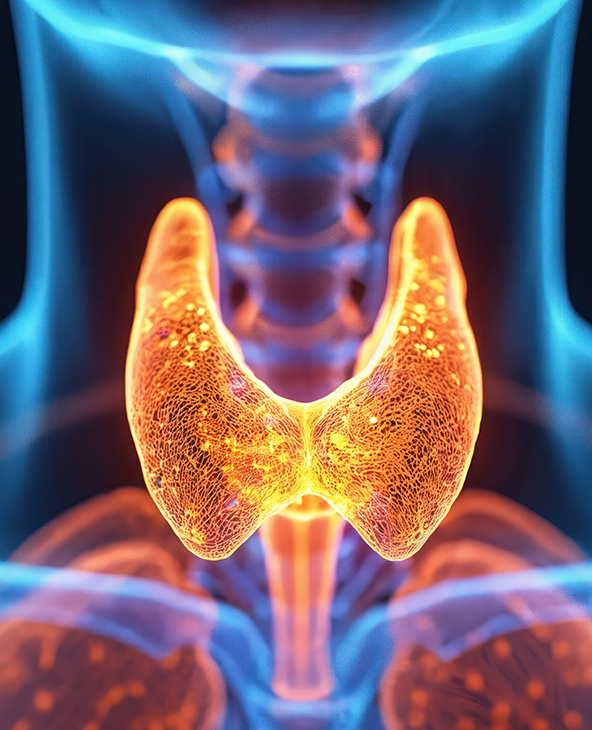
What is Thyroidectomy and When is it Recommended?
Thyroidectomy is a surgical procedure in which part or all of the thyroid gland is removed to treat specific thyroid conditions. The surgery is carefully planned to address the underlying disorder while maintaining hormonal balance and protecting nearby structures in the neck. It is recommended when thyroid problems lead to ongoing symptoms, complications, or health risks that cannot be adequately controlled with medication alone. The decision to proceed with surgery is based on a detailed clinical assessment, imaging studies, and thyroid hormone test results. A surgeon may advise thyroidectomy in the following situations:
- Thyroid nodules that are suspicious or confirmed as cancer
- Diagnosed thyroid cancer requiring surgical removal
- Large goitre causing difficulty in swallowing or breathing
- Hyperthyroidism not adequately controlled with medication
- Graves’ disease requiring definitive treatment
- Recurrent or enlarging thyroid nodules
- Pressure or cosmetic symptoms due to thyroid enlargement
- Hormonal imbalance caused by overactive thyroid tissue
- Failure of non-surgical hyperthyroidism treatment
Schedule Your Appointment with
Our Expert Doctors
We are dedicated to driving lasting, positive transformation in healthcare management through innovation and patient-centered solutions.
Types of Thyroidectomy Surgery
The type of thyroidectomy recommended depends on the underlying thyroid condition, its extent, and the results of diagnostic tests. The surgeon determines the most appropriate approach to ensure effective treatment while minimising complications. Common types include:
- Total Thyroidectomy: Complete removal of the thyroid gland, commonly performed for thyroid cancer or severe hyperthyroidism
- Partial Thyroidectomy: Removal of a portion of the thyroid gland when disease is limited
- Hemithyroidectomy (lobectomy): Removal of one thyroid lobe, often advised for isolated nodules
- Subtotal Thyroidectomy: Partial removal of the gland, now less commonly performed
- Completion Thyroidectomy: Removal of remaining thyroid tissue after a previous partial surgery
How Is the Procedure Performed?
Thyroidectomy is carried out as a planned surgical procedure under controlled hospital conditions, with a strong focus on patient safety and surgical precision. Here’s how the procedure is performed:
- The procedure is performed under general anaesthesia to ensure patient comfort
- A carefully planned incision is made in the lower front of the neck to access the thyroid gland
- The surgery is performed using precise techniques to minimise tissue trauma
- Important nearby structures, including nerves and parathyroid glands, are carefully identified and protected
- Bleeding is controlled throughout the procedure to ensure safety
- The incision is closed in layers once the surgical step is completed
- Patients are monitored closely after surgery before being shifted to recovery
Benefits of Thyroidectomy Surgery
Thyroidectomy is performed to address thyroid conditions that cause ongoing symptoms or health risks. By treating the underlying problem, surgery helps improve overall health and long-term outcomes. The benefits of thyroidectomy may include:
- Effective treatment for thyroid cancer and suspicious thyroid nodules
- Better control of excess thyroid hormone production in hyperthyroidism
- Relief from pressure-related symptoms such as difficulty swallowing or breathing caused by an enlarged thyroid gland
- Improved long-term management of hormonal imbalance with appropriate follow-up care
- Reduced risk of disease recurrence in selected thyroid conditions
- Improved quality of life through reduction of persistent thyroid-related symptoms
Why Choose Graphic Era Hospital for Thyroidectomy Surgery?
Thyroidectomy at Graphic Era Hospital is delivered through a structured, patient-focused approach that combines surgical precision with comprehensive endocrine care to support safe outcomes and long-term recovery. Here’s why people across Dehradun, Uttarakhand trust Graphic Era Hospital for Thyroidectomy surgery:

Experienced Surgeons: At Graphic Era Hospital, thyroidectomy is performed by surgeons experienced in managing a wide range of thyroid conditions, including benign nodules, hyperthyroidism, and thyroid cancer. Each patient undergoes a detailed evaluation using clinical assessment, imaging studies, and thyroid hormone tests to determine the most appropriate surgical approach. The focus remains on precise tissue removal, protection of vital neck structures, and minimising surgical risk to support safe recovery and long-term thyroid health.

Advanced Surgical and Diagnostic Support: The hospital is supported by modern operation theatres, reliable anaesthesia services, and comprehensive diagnostic facilities that enable accurate pre-operative planning. High-quality imaging, laboratory testing, and coordinated perioperative support allow surgeons to plan surgery carefully and carry it out under well-monitored conditions.

Structured Post-Surgery and Hormone Management Care: Post-operative care at Graphic Era Hospital is structured to support smooth recovery and long-term hormonal stability. Patients are monitored for pain control, wound healing, and changes in thyroid hormone and calcium levels after surgery. Clear guidance is provided on follow-up visits, medication use, and lifestyle considerations, helping patients transition safely back to daily activities while maintaining hormonal balance over time.
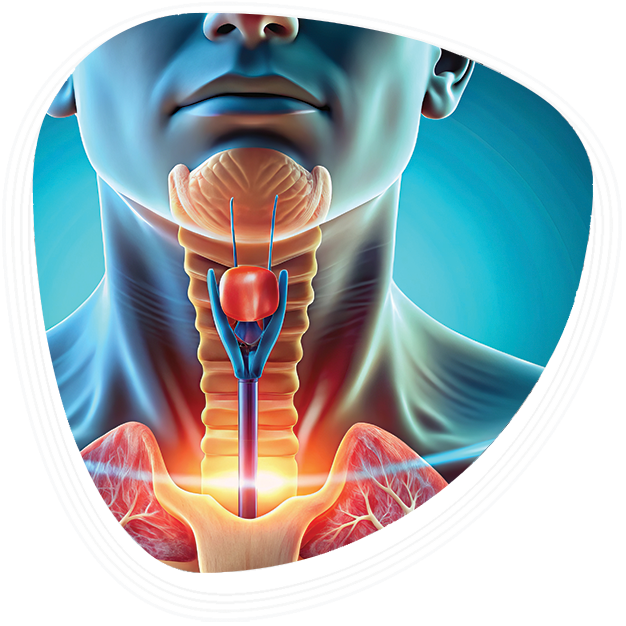
Risks and Complications of Thyroidectomy Surgery
Thyroidectomy is generally a safe procedure when performed by experienced surgeons. However, as with any surgery, certain risks and complications may occur. These are usually temporary and can be managed with appropriate medical care. Some potential risks and post-operative considerations include:
- Temporary hoarseness or changes in voice due to nerve irritation
- Low calcium levels after surgery, requiring short-term supplementation
- Bleeding or infection at the surgical site, which is uncommon
- Neck discomfort or stiffness during early recovery
- Scar formation at the incision site
- Need for lifelong thyroid hormone replacement therapy in cases of total thyroidectomy
Most patients recover well with regular follow-up, monitoring, and adherence to post-operative advice.
Recovery After Thyroidectomy and Return to Daily Activities
Recovery after thyroidectomy is usually gradual and well managed with appropriate post-operative care. Most patients are able to resume normal activities within a short period, depending on the extent of surgery and overall health. During the recovery phase, patients can generally expect the following:
- Mild pain or discomfort around the neck is common in the initial days
- Normal diet can usually be resumed soon after surgery
- Stitches or wound dressings are reviewed during follow-up visits
- Thyroid hormone levels are monitored after surgery
- Calcium levels may be checked, especially after total thyroidectomy
- Light daily activities can be resumed within a few days
- Strenuous activity should be avoided during early recovery
- Follow-up appointments help guide long-term hormone management
Top Thyroidectomy Procedures at Graphic Era Hospital
- Total thyroidectomy
- Hemithyroidectomy (lobectomy)
- Partial thyroidectomy
- Completion thyroidectomy
Patient Stories
Blog



Heart Attack: Symptoms and Treatment


Increased Heart Rate: Causes, Risks, and When to Seek Medical Attention
Frequently Asked Questions (FAQs)
What conditions does thyroidectomy treat?
Thyroidectomy is used to treat conditions such as thyroid cancer, large goitres, recurrent or suspicious thyroid nodules, and hyperthyroidism that does not respond to medication. It may also be advised to manage hormonal imbalance caused by overactive thyroid tissue.
Is thyroidectomy surgery available near me?
Yes, thyroidectomy surgery is available at multi-speciality hospitals with experienced surgeons and appropriate surgical and diagnostic support.
Which organ is removed during thyroidectomy?
During thyroidectomy, part or all of the thyroid gland, which is located in the front of the neck, is surgically removed depending on the condition being treated.
What is the recovery time after thyroidectomy surgery?
Most patients recover within a few weeks. Initial healing occurs within the first one to two weeks, while full recovery and hormonal stabilisation may take longer, depending on the extent of surgery.
When can I go back to work after thyroidectomy?
Many patients can return to desk-based or light work within one to two weeks. Jobs involving physical exertion may require a longer recovery period, as advised by the surgeon.
What is the cost of thyroidectomy surgery near me in Dehradun?
The cost of thyroidectomy surgery can vary depending on factors such as the extent of surgery required, length of hospital stay, type of anaesthesia, and individual medical needs. A consultation with the surgical team helps assess these factors and provides a clearer, personalised estimate based on the patient’s condition and treatment plan.
Is thyroidectomy a major surgery?
Thyroidectomy is considered a major surgery because it involves removal of a hormone-producing gland. However, it is a well-established and commonly performed procedure with good outcomes when done by experienced surgeons.
Are emergency thyroidectomy procedures available near me in Dehradun?
Emergency thyroidectomy is uncommon and is required only in rare situations, such as severe airway compression or uncontrolled bleeding. In such cases, Graphic Era Hospital is equipped to provide prompt medical assessment and surgical care, with access to experienced surgeons, anaesthesia support, and emergency services to manage urgent thyroid-related conditions safely.
What is the success rate of thyroidectomy surgeries in Uttarakhand?
Thyroidectomy generally has a high success rate when performed for appropriate indications. At Graphic Era Hospital, outcomes are supported by careful patient selection, precise surgical technique, and structured post-operative follow-up, including thyroid hormone monitoring and long-term management when required.
How soon after diagnosis is thyroidectomy performed in Dehradun?
The timing of thyroidectomy depends on the underlying diagnosis and clinical urgency. For conditions such as thyroid cancer or severe symptoms, surgery may be planned sooner. In other cases, time is taken for detailed evaluation, imaging, and preparation. At Graphic Era Hospital, surgery is scheduled based on individual clinical needs to ensure safety and optimal outcomes.
How much hospital stay is required after thyroidectomy in Dehradun?
Most patients require a hospital stay of one to two days, depending on recovery progress and post-operative monitoring needs.
Will I need lifelong medication after thyroidectomy?
After total thyroidectomy, lifelong thyroid hormone replacement is usually required. After partial surgery, some patients may not need long-term medication, depending on remaining thyroid function.
Is thyroidectomy painful?
Pain after thyroidectomy is usually mild to moderate and well controlled with medication. Most patients report gradual improvement over the first few days.
Do hospitals provide minimally invasive thyroidectomy procedures?
Minimally invasive thyroidectomy techniques may be offered for selected patients, depending on factors such as the size of the thyroid gland, the nature of the condition, and overall clinical assessment. At Graphic Era Hospital, the surgical approach is determined after detailed evaluation to ensure that the chosen technique is safe, appropriate, and aligned with the patient’s clinical needs.
What lifestyle changes are needed after thyroidectomy?
Patients are advised to take prescribed medications regularly, attend follow-up visits, maintain a balanced diet, and monitor symptoms related to thyroid hormone levels to support long-term health.
 Emergency 24×7 : 1800 889 7351