Type 2 diabetes is a chronic metabolic disorder that affects the body’s ability to regulate blood sugar levels effectively. It develops when the body becomes resistant to insulin or when the pancreas is unable to produce enough insulin to meet the body’s needs. Over time, uncontrolled blood sugar levels can increase the risk of serious complications affecting the heart, kidneys, eyes, nerves, and other organs.
At Graphic Era Hospital in Dehradun, type 2 diabetes is diagnosed and managed by experienced endocrinologists through a comprehensive diabetes care programme. Our team works closely with each patient to develop personalised treatment plans, optimise blood sugar management, and provide the education and support needed for long-term diabetes care.
Symptoms of Type 2 Diabetes
The symptoms of type 2 diabetes often develop gradually and may go unnoticed for months or even years. Common symptoms include:
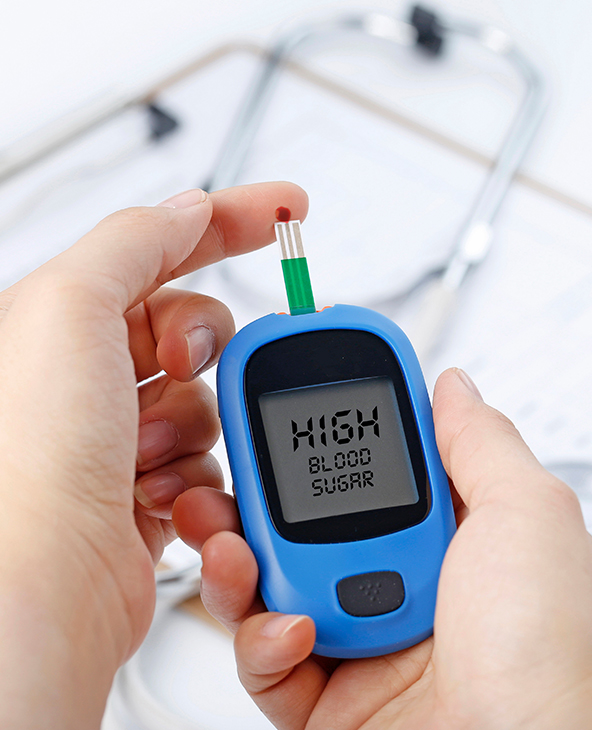
- Excessive Thirst (Polydipsia): Elevated blood sugar levels can cause increased fluid loss through urine, leading to persistent thirst.
- Frequent Urination (Polyuria): The kidneys work harder to remove excess glucose from the bloodstream, resulting in more frequent urination.
- Increased Hunger (Polyphagia): Despite eating regularly, the body's cells may not receive adequate energy, causing persistent hunger.
- Fatigue and Low Energy Levels: Inefficient use of glucose can leave individuals feeling tired, weak, and lacking in energy.
- Blurred Vision: High blood sugar levels can affect the eye's lens, leading to temporary changes in vision.
- Slow-Healing Wounds: Cuts, sores, and other injuries may take longer to heal due to the effects of elevated blood sugar on circulation and immune function.
- Frequent Infections: Recurrent skin infections, urinary tract infections, and fungal infections may occur more often in people with uncontrolled diabetes.
- Numbness or Tingling in the Hands and Feet: Persistently high blood sugar levels can damage nerves, causing tingling, burning sensations, or loss of sensation in the extremities.
- Unexplained Weight Loss: Although more common in type 1 diabetes, some individuals with type 2 diabetes may experience unintended weight loss when blood sugar levels remain poorly controlled.
Many people with type 2 diabetes experience mild symptoms or no symptoms at all during the early stages of the condition. Therefore,regular health check-ups and blood sugar screening are important, particularly for individuals with risk factors such as excess body weight, a family history of diabetes, or a sedentary lifestyle. Early detection can help prevent complications and support better long-term health outcomes.
What Causes Type 2 Diabetes?
Type 2 diabetes develops when the body is unable to use insulin effectively, a condition known as insulin resistance. Over time, the pancreas may also lose its ability to produce enough insulin to maintain normal blood sugar levels. As a result, glucose accumulates in the bloodstream instead of being used by the body's cells for energy. Several factors can contribute to the development of type 2 diabetes, including:
- Insulin Resistance: The body's cells become less responsive to insulin, making it difficult for glucose to enter the cells and be used for energy.
- Reduced Insulin Production: As type 2 diabetes progresses, the pancreas may not be able to produce enough insulin to overcome insulin resistance and maintain healthy blood sugar levels.
- Excess Body Weight: Excess fat, particularly around the abdomen, can increase insulin resistance and significantly raise the risk of developing type 2 diabetes.
- Physical Inactivity: A sedentary lifestyle can contribute to weight gain and reduce the body's ability to use insulin effectively.
- Genetic and Family History Factors: Individuals with a family history of type 2 diabetes are more likely to develop the condition.
- Age-Related Changes: The risk of type 2 diabetes generally increases with age, although the condition is now being diagnosed more frequently in younger adults and adolescents.
- Hormonal and Metabolic Disorders: Certain medical conditions that affect hormone regulation or metabolism may increase the likelihood of developing insulin resistance and type 2 diabetes.
- Interaction of Genetic and Lifestyle Factors: Type 2 diabetes often develops through a combination of inherited susceptibility and lifestyle-related factors that affect insulin function and blood sugar regulation.
Risk Factors for Type 2 Diabetes
While type 2 diabetes can affect anyone, certain factors increase the likelihood of developing the condition. Understanding these risk factors can help individuals take proactive steps to reduce their risk and seek early screening when appropriate.
- Excess Body Weight: Being overweight or obese, particularly with excess abdominal fat, is one of the most significant risk factors for type 2 diabetes.
- Physical Inactivity: A sedentary lifestyle can contribute to insulin resistance and increase the risk of developing diabetes.
- Family History of Type 2 Diabetes: Having a parent, sibling, or close family member with type 2 diabetes increases the likelihood of developing the condition.
- Advancing Age: The risk of type 2 diabetes generally increases with age, particularly after 35 years, although it is increasingly being diagnosed in younger individuals.
- Prediabetes: Individuals with blood sugar levels that are higher than normal but not yet within the diabetic range have a greater risk of progressing to type 2 diabetes.
- High Blood Pressure:Hypertension is often associated with insulin resistance and may increase the risk of developing type 2 diabetes.
- Abnormal Cholesterol or Triglyceride Levels: Low levels of HDL ("good") cholesterol and high triglyceride levels are linked to an increased risk of type 2 diabetes.
- History of Gestational Diabetes: Women who develop diabetes during pregnancy have a higher risk of developing type 2 diabetes later in life.
- Polyendicrine Metabolic Ovarian Syndrome (PMOS): Women with PCOS (now PMOS) are more likely to develop insulin resistance and type 2 diabetes.
- Pancreatic injury: is an established risk factor for diabetes, specifically a form called Type 3c diabetes (pancreatogenic diabetes).
- Certain Medical Conditions: Conditions associated with insulin resistance, metabolic syndrome, cardiovascular disease, and fatty liver disease may increase the risk of type 2 diabetes.
Although some risk factors cannot be changed, maintaining a healthy weight, staying physically active, and undergoing regular health screenings can help reduce the risk of developing type 2 diabetes.
Type 2 Diabetes Diagnosis at Graphic Era Hospital
Early and accurate diagnosis is essential for effective blood sugar management and the prevention of diabetes-related complications. At Graphic Era Hospital, endocrinologists use a combination of clinical assessment and laboratory investigations to diagnose type 2 diabetes and evaluate overall health status.
Clinical Assessment
- Medical History and Symptom Evaluation: Doctors assess symptoms such as excessive thirst, frequent urination, increased hunger, fatigue, blurred vision, slow-healing wounds, and recurrent infections. Family history, lifestyle factors, and existing medical conditions are also reviewed.
- Physical Examination: A detailed examination may include assessment of body weight, blood pressure, waist circumference, and signs of diabetes-related complications or associated metabolic conditions.
Blood Glucose Testing
- Fasting Blood Glucose Test: Measures blood sugar levels after an overnight fast and helps identify persistent hyperglycaemia.
- Random Blood Glucose Test: Elevated blood sugar levels in the presence of diabetes symptoms may support the diagnosis.
- Oral Glucose Tolerance Test (OGTT): This test evaluates how effectively the body processes glucose and may be recommended in selected cases.
- HbA1c Testing: HbA1c reflects average blood glucose levels over the previous two to three months and is widely used to diagnose diabetes and monitor long-term glucose control.
Additional Evaluation
- Kidney Function Tests: These tests help assess kidney health and establish a baseline for long-term diabetes management.
- Lipid Profile Assessment:Cholesterol and triglyceride levels may be evaluated, as diabetes is often associated with an increased risk of cardiovascular disease.
- Blood Pressure Evaluation: Regular blood pressure assessment is important because hypertension commonly occurs alongside type 2 diabetes.
- Screening for Diabetes-Related Complications: Depending on the patient's health status and duration of symptoms, doctors may recommend eye examinations, kidney assessments, nerve evaluations, and cardiovascular risk assessment.
Comprehensive Diabetes Assessment
Since type 2 diabetes can affect multiple organs and body systems, a comprehensive evaluation helps determine the severity of the condition, identify associated health concerns, and guide the development of an individualised treatment plan.
Doctors Available

Why Choose Graphic Era Hospital for Type 2 Diabetes Treatment?

Experienced Endocrinologists and Diabetes Specialists : At Graphic Era Hospital, type 2 diabetes is managed by experienced endocrinologists and diabetes specialists who provide comprehensive care focused on accurate diagnosis, effective blood sugar management, complication prevention, and long-term disease control. Treatment plans are tailored to each patient’s individual health needs and lifestyle goals.

Multidisciplinary Care for Diabetes Management : Type 2 diabetes can affect multiple organs and body systems. Endocrinologists collaborate with cardiologists, nephrologists, ophthalmologists, nutritionists, diabetes educators, and other specialists to provide integrated care aimed at preventing complications and supporting long-term health.

Focus on Prevention and Long-Term Health : In addition to controlling blood sugar levels, our team emphasises cardiovascular risk reduction, complication screening, patient education, and regular follow-up care to help patients maintain optimal health and quality of life.
Treatment of Type 2 Diabetes at Graphic Era Hospital
Type 2 diabetes is a lifelong condition that requires ongoing management to maintain healthy blood sugar levels and reduce the risk of complications. At Graphic Era Hospital, endocrinologists develop personalised treatment plans based on the patient’s blood glucose levels, overall health, lifestyle, and individual treatment goals.
Lifestyle Modifications
- Dietary Management: A balanced diet plays a key role in blood sugar control. Patients receive personalised nutritional guidance to help manage carbohydrate intake, maintain a healthy weight, and support overall metabolic health.
- Physical Activity: Regular exercise can improve insulin sensitivity, support weight management, and help regulate blood sugar levels. Patients are advised on appropriate physical activity plans based on their age, fitness level, and health status.
- Weight Management: For individuals who are overweight or obese, achieving and maintaining a healthy weight can significantly improve blood sugar control and reduce the risk of diabetes-related complications.
Medication Management
- Oral Anti-Diabetic Medications: Many patients with type 2 diabetes can effectively manage blood sugar levels with oral medications that improve insulin sensitivity, reduce glucose production, or enhance the body's ability to regulate blood sugar.
- Non-Insulin Injectable Therapies: Certain injectable medications may be recommended to improve blood sugar control, support weight management, and reduce the risk of cardiovascular complications in suitable patients.
- Insulin Therapy: Some individuals may require insulin therapy when lifestyle modifications and other medications are insufficient to maintain target blood sugar levels.
Blood Glucose Monitoring
- Self-Monitoring of Blood Glucose (SMBG): Regular blood sugar monitoring helps patients and doctors assess treatment effectiveness and make necessary adjustments.
- Continuous Glucose Monitoring (CGM): Selected patients may benefit from continuous glucose monitoring systems that provide real-time glucose readings and trends.
Prevention and Management of Diabetes-Related Complications
- Management of Cardiovascular Risk Factors: Blood pressure, cholesterol levels, and other cardiovascular risk factors are regularly monitored and managed as part of comprehensive diabetes care.
- Kidney, Eye, and Nerve Health Monitoring: Routine screening helps detect diabetes-related complications at an early stage, allowing timely intervention and treatment.
Diabetes Education and Long-Term Follow-Up
- Diabetes Education and Counselling: Patients receive education on blood sugar monitoring, medication adherence, healthy eating habits, exercise, and complication prevention.
- Regular Follow-Up Care: Ongoing consultations and periodic investigations help assess glucose control, monitor treatment response, and optimise long-term diabetes management.
At Graphic Era Hospital, the focus of treatment is not only to control blood sugar levels but also to support overall health, prevent complications, and improve long-term quality of life.
Complications of Type 2 Diabetes
If blood sugar levels remain poorly controlled over time, type 2 diabetes can affect multiple organs and body systems. Some complications develop gradually and may not cause noticeable symptoms in the early stages, making regular monitoring and preventive care essential.
- Cardiovascular Disease: People with type 2 diabetes have an increased risk of heart disease, stroke, high blood pressure, and other cardiovascular complications.
- Diabetic Retinopathy: Damage to the blood vessels of the retina can affect vision and, if left untreated, may lead to vision loss.
- Diabetic Nephropathy: Persistently elevated blood sugar levels can damage the kidneys and increase the risk of chronic kidney disease.>
- Diabetic Neuropathy: Nerve damage may cause numbness, tingling, burning sensations, pain, or weakness, particularly in the hands and feet.
- Foot Problems: Reduced sensation, poor circulation, and delayed wound healing can increase the risk of foot ulcers, infections, and other foot-related complications.
- Eye Conditions: In addition to diabetic retinopathy, people with diabetes have a higher risk of developing cataracts and glaucoma.
- Oral Health Problems: Diabetes may increase the likelihood of gum disease, dental infections, dry mouth, and other oral health concerns.
- Infections: Poorly controlled diabetes can weaken the immune system, increasing susceptibility to skin infections, urinary tract infections, and other infections.
- Fatty Liver Disease: Type 2 diabetes is commonly associated with non-alcoholic fatty liver disease (NAFLD), which can affect liver function over time.
- Mental Health Challenges: Living with a chronic condition may contribute to stress, anxiety, depression, and diabetes-related emotional distress.
At Graphic Era Hospital, endocrinologists focus on early detection, preventive care, and long-term monitoring to help reduce the risk of diabetes-related complications and support overall health.
Preventing Type 2 Diabetes
Many cases of type 2 diabetes can be prevented or delayed through healthy lifestyle choices and proactive health management. Individuals with risk factors such as excess body weight, a family history of diabetes, or prediabetes can benefit from adopting habits that support healthy blood sugar levels.
- Maintain a Healthy Weight: Achieving and maintaining a healthy weight can improve insulin sensitivity and reduce the risk of developing type 2 diabetes.
- Stay Physically Active: Regular exercise helps the body use insulin more effectively, supports weight management, and contributes to overall metabolic health.
- Follow a Balanced Diet: A nutritious diet that includes whole grains, fruits, vegetables, lean proteins, and healthy fats can help regulate blood sugar levels and support long-term health.
- Limit Sugary and Highly Processed Foods: Reducing the intake of sugary beverages, refined carbohydrates, and highly processed foods may help lower the risk of developing diabetes.
- Manage Blood Pressure and Cholesterol Levels: Maintaining healthy blood pressure and cholesterol levels can support overall metabolic and cardiovascular health.
- Attend Regular Health Screenings: Routine health check-ups and blood sugar testing can help identify prediabetes and other risk factors early, allowing timely intervention.
- Avoid Smoking and Excessive Alcohol Consumption: These habits can contribute to metabolic and cardiovascular health problems and may increase the risk of diabetes-related complications.
While prevention may not always be possible, adopting healthy lifestyle habits and seeking timely medical advice can significantly reduce the risk of developing type 2 diabetes and its associated complications.
Top Procedures
Investigations
- Blood Glucose Testing
- HbA1c Testing
- Oral Glucose Tolerance Test (OGTT)
- Continuous Glucose Monitoring (CGM)
- Kidney Function Tests
- Lipid Profile Assessment
- Blood Pressure Evaluation
- Diabetic Retinopathy Screening
- Diabetic Neuropathy Assessment
- Liver Function Tests
Treatments
- Lifestyle Modification and Diabetes Education
- Medical Nutrition Therapy
- Weight Management Programmes
- Oral Anti-Diabetic Medications
- Non-Insulin Injectable Therapies
- Insulin Therapy
- Continuous Glucose Monitoring (CGM) Support
- Hypoglycaemia Management
- Cardiovascular Risk Management
- Long-Term Diabetes Follow-Up
Advanced Diagnostics & Technology
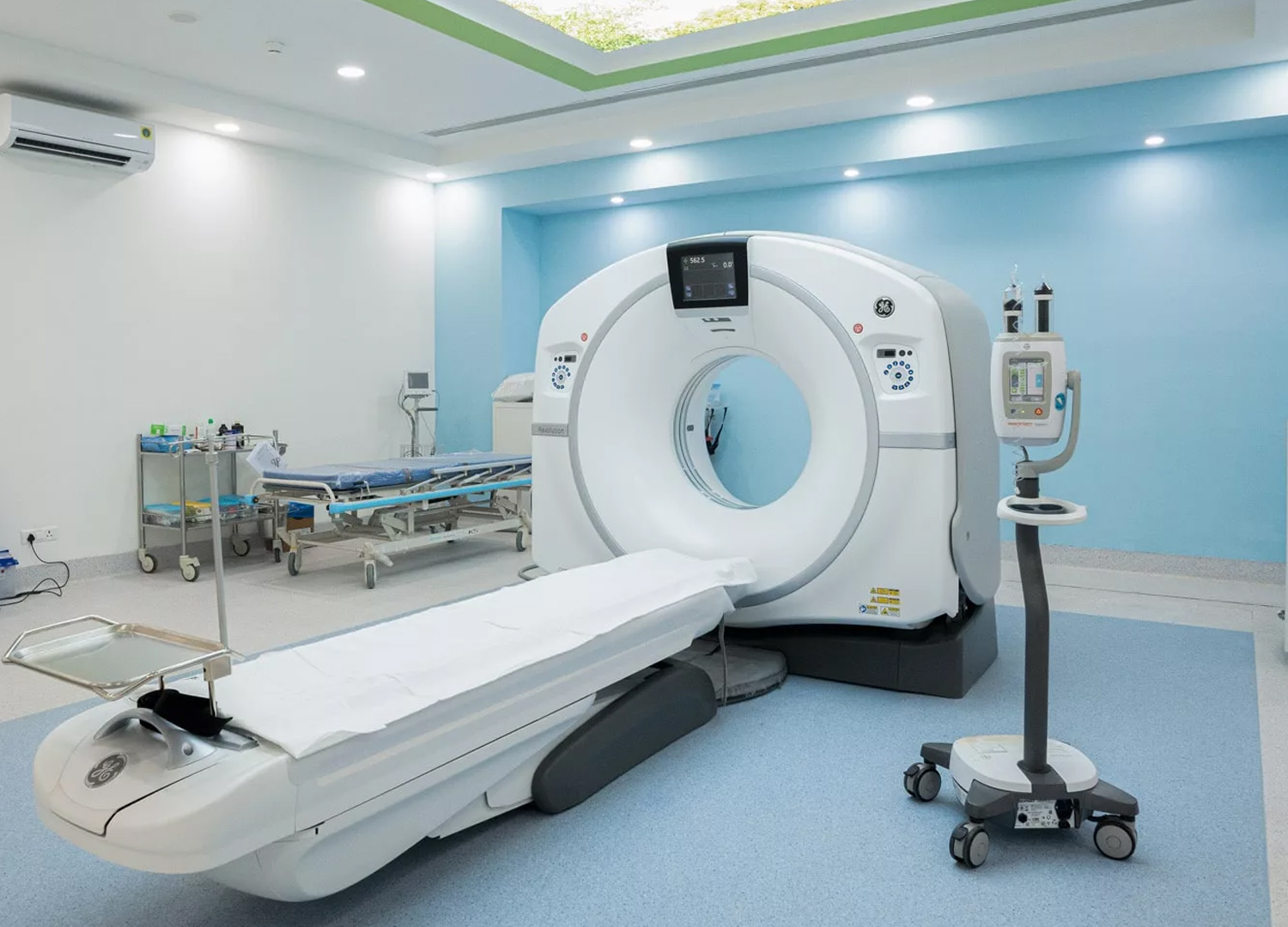
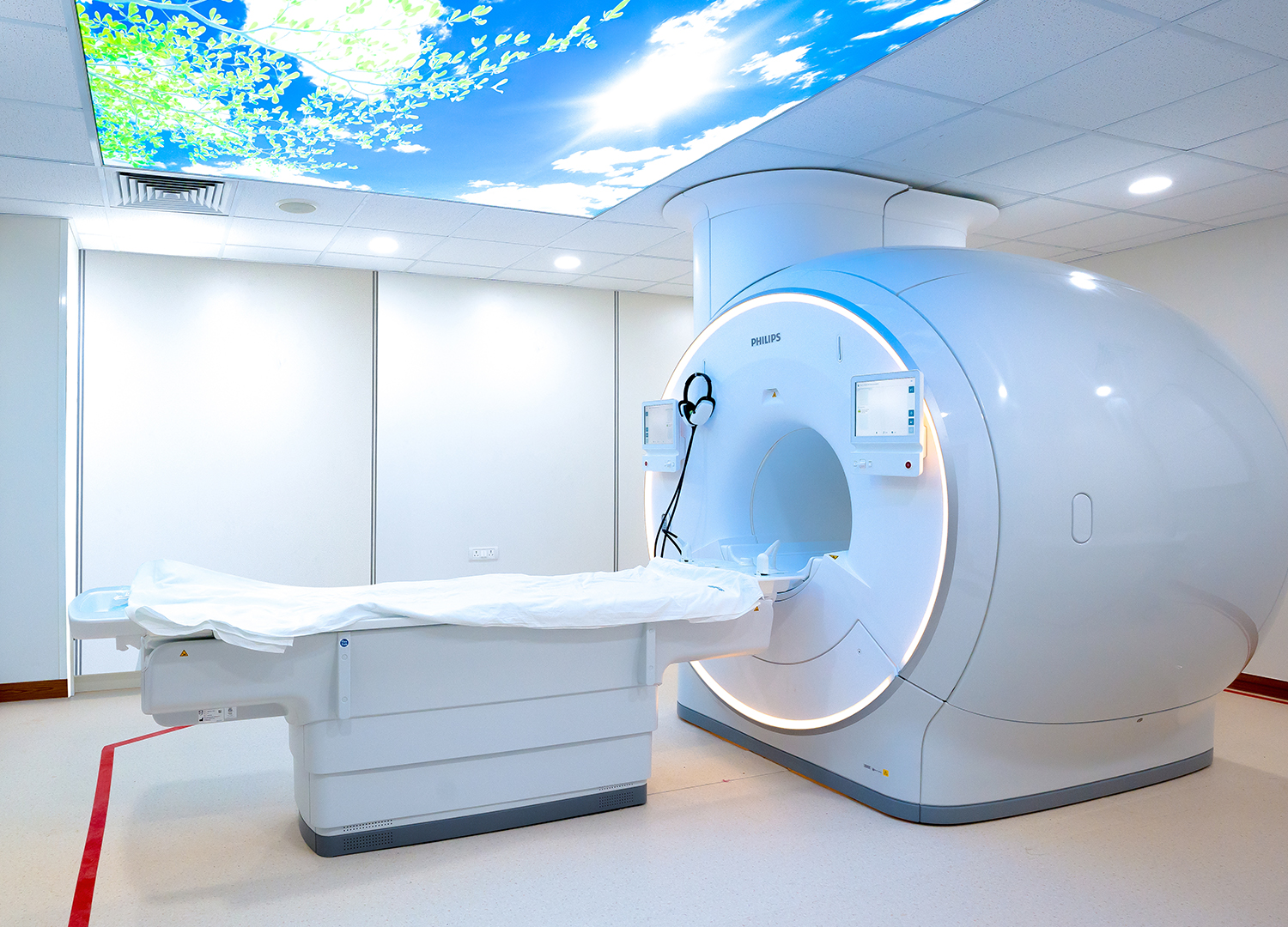
- Offers high-resolution imaging for detailed blood vessel analysis, aiding in accurate diagnosis and treatment planning.
- Delivers advanced imaging with high resolution for clear, detailed views of soft tissues, ensuring precise diagnostics.
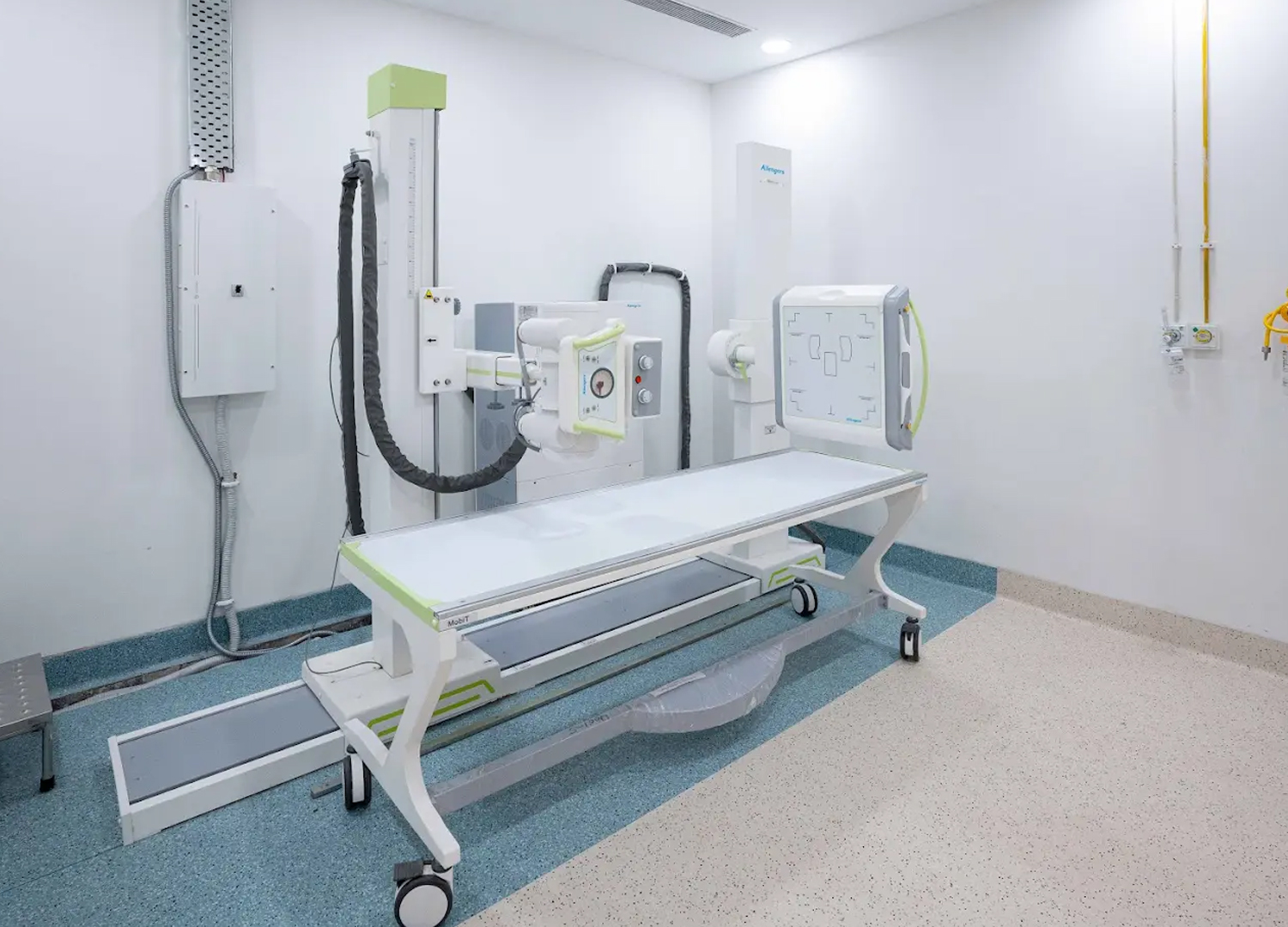
- Provides high-quality, detailed radiographic images for accurate diagnosis with minimal exposure to radiation.
Other Specialities


Patient Stories





Blog






Frequently Asked Questions (FAQs)
When should I see a doctor for type 2 diabetes symptoms?
You should consult a doctor if you experience symptoms such as excessive thirst, frequent urination, increased hunger, unexplained weight loss, fatigue, blurred vision, slow-healing wounds, or recurrent infections. Individuals with risk factors such as obesity, a family history of diabetes, prediabetes, or a sedentary lifestyle should also consider regular blood sugar screening, even if they do not have noticeable symptoms.
What is the difference between type 1 and type 2 diabetes?
Type 1 diabetes is an autoimmune condition in which the body’s immune system destroys the insulin-producing cells of the pancreas, resulting in little or no insulin production. Type 2 diabetes develops when the body becomes resistant to insulin or does not produce enough insulin to meet its needs. While type 1 diabetes always requires insulin therapy, type 2 diabetes can often be managed through lifestyle modifications, medications, insulin therapy, or a combination of these approaches.
Can type 2 diabetes be cured permanently?
There is currently no permanent cure for type 2 diabetes. However, some individuals may achieve diabetes remission through significant lifestyle changes, weight management, and appropriate medical treatment. Even during remission, ongoing monitoring and healthy lifestyle habits remain important.
What foods should be avoided in type 2 diabetes?
People with type 2 diabetes are generally advised to limit sugary beverages, sweets, refined carbohydrates, highly processed foods, and foods high in unhealthy fats. A balanced diet that includes whole grains, vegetables, fruits, lean proteins, and healthy fats can help support better blood sugar control.
Is insulin required in type 2 diabetes?
Not all individuals with type 2 diabetes require insulin therapy. Many patients can manage their condition through lifestyle modifications and oral or injectable medications. However, insulin may be recommended when blood sugar levels remain uncontrolled or when the pancreas is unable to produce sufficient insulin.
How serious is type 2 diabetes?
Type 2 diabetes is a serious chronic condition that can lead to complications affecting the heart, kidneys, eyes, nerves, and other organs if left untreated or poorly controlled. Early diagnosis, regular monitoring, and appropriate treatment can help reduce the risk of complications and support long-term health.
What is the best treatment for type 2 diabetes?
The most appropriate treatment depends on the individual’s blood sugar levels, overall health, lifestyle, and risk factors. Treatment often includes a combination of healthy eating, regular physical activity, weight management, medication, blood sugar monitoring, and ongoing medical supervision.
Can exercise help control diabetes?
Yes. Regular physical activity can improve insulin sensitivity, help lower blood sugar levels, support weight management, and reduce the risk of diabetes-related complications. Patients should consult their healthcare provider before starting a new exercise programme, particularly if they have existing health conditions or complications related to diabetes.