Targeted therapy is a type of cancer treatment that uses drugs designed to find and act on specific changes in cancer cells, such as certain proteins or gene mutations that help the cancer grow and survive. Unlike conventional chemotherapy, which targets rapidly dividing cells, targeted therapy works more precisely by blocking the signals that allow cancer cells to grow. This approach helps reduce damage to healthy tissue and, in many cases, leads to better and longer-lasting results than standard systemic treatment alone.
At Graphic Era Hospital in Dehradun, targeted therapy is prescribed and administered by an experienced medical oncology team as part of an individualised, evidence-based cancer care plan. Each case is carefully reviewed through a multidisciplinary tumour board before treatment begins. Care is supported by in-house molecular testing, advanced imaging, and structured clinical monitoring to ensure safety, accuracy, and optimal outcomes
Types of Targeted Therapy
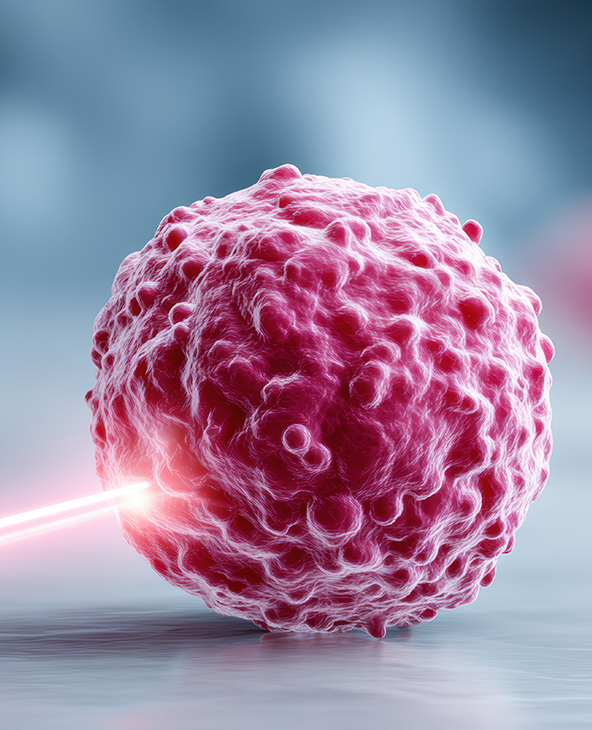
Targeted therapy is not a single drug or treatment. It includes a range of medicines designed to act on specific changes that drive cancer growth. At Graphic Era Hospital, the type of targeted therapy is selected based on the tumour’s molecular profile, identified through biomarker testing before treatment begins. The main types include:
- Small Molecule Inhibitors: These drugs are small enough to enter cancer cells and block key proteins or enzymes that support tumour growth and survival. They are commonly used in conditions such as leukaemia, lung cancer, and other solid tumours.
- Monoclonal Antibodies: These are laboratory-made proteins that attach to specific targets on the surface of cancer cells. They may block growth signals, help the immune system recognise cancer cells, or deliver treatment directly to the tumour.
- CDK 4/6 Inhibitors: These drugs slow down or stop cancer cell division by blocking proteins involved in cell cycle control. They are often used along with hormonal therapy in certain types of breast cancer.
- PARP Inhibitors: These medicines block a protein that cancer cells use to repair damaged DNA. This leads to cancer cell death, especially in cancers with BRCA gene mutations such as some breast, ovarian, and prostate cancers.
- Anti-Angiogenic Agents: These drugs prevent the formation of new blood vessels that supply the tumour. By cutting off this blood supply, they help slow or stop tumour growth.
- Proteasome Inhibitors: These medicines block the system cancer cells use to remove damaged proteins. As these proteins build up, the cancer cells are unable to survive. They are mainly used in multiple myeloma.
- mTOR Inhibitors: These drugs block a pathway that controls cancer cell growth and metabolism. They are used in cancers such as kidney cancer, breast cancer, and some neuroendocrine tumours.
- BRAF and MEK Inhibitors: These targeted drugs are used in cancers with specific genetic mutations, most commonly melanoma. They are often used together to improve treatment response and reduce resistance.
Schedule Your Appointment with
Our Expert Doctors
We are dedicated to driving lasting, positive transformation in healthcare management through innovation and patient-centered solutions.
When is Targeted Therapy Recommended?
Targeted therapy is not suitable for every patient. It is recommended only when specific changes in the tumour can be identified through biomarker testing. At Graphic Era Hospital, oncologists consider targeted therapy in the following situations:
- Confirmed Biomarker or Mutation: Targeted therapy is used when testing shows a specific change in the tumour, such as EGFR mutation, HER2 overexpression, ALK rearrangement, BRAF mutation, or BRCA mutation, that can be treated with a targeted drug.
- As First-Line Treatment: In some cancers, where a targetable mutation is present at diagnosis, targeted therapy is preferred as the initial treatment instead of chemotherapy.
- In Combination With Chemotherapy: Certain targeted drugs are given along with chemotherapy to improve treatment response, particularly in cancers such as breast, colorectal, and lung cancer.
- In Combination With Hormonal Therapy: In hormone receptor-positive breast cancer, targeted drugs such as CDK 4/6 inhibitors are used with hormonal therapy to improve disease control.
- In Combination With Immunotherapy: Some targeted therapies, especially anti-angiogenic agents, are combined with immunotherapy in cancers such as kidney and liver cancer to enhance outcomes.
- After Progression on Chemotherapy: If cancer grows despite chemotherapy, targeted therapy may be considered, especially if further testing identifies a treatable mutation.
- For Metastatic Disease: In advanced cancers, targeted therapy can help control disease spread, improve survival, and maintain quality of life in patients whose tumours have specific molecular targets.
Targeted Therapy vs. Chemotherapy vs. Immunotherapy
These three systemic cancer treatments work in different ways and are often used together as part of a personalised treatment plan. Understanding the differences can help patients better follow their care journey and treatment decisions.
|
Aspect |
Chemotherapy |
Targeted Therapy |
Immunotherapy |
|
How It Works |
Kills rapidly dividing cells throughout the body, including cancer and some healthy cells |
Blocks specific proteins, genes, or pathways that drive cancer growth |
Activates or strengthens the immune system to recognise and destroy cancer cells |
|
Acts On |
All rapidly dividing cells |
Cancer cells with specific molecular changes |
Immune system and cancer cells that evade immune detection |
|
Common Side Effects |
Hair loss, nausea, fatigue, mouth sores, low blood counts |
Skin rash, diarrhoea, liver enzyme changes, high blood pressure, fatigue |
Immune-related inflammation affecting lungs, liver, colon, skin, and endocrine glands |
|
Biomarker Testing Required |
No |
Yes, tumour must have a specific target |
Yes, guided by markers such as PD-L1, MSI status, or tumour mutational burden |
|
Eligibility |
Used across many cancer types |
Only when a targetable mutation is present |
Based on tumour type and biomarker profile |
|
Used Together |
Often combined with targeted therapy or immunotherapy |
Can be combined with chemotherapy, hormonal therapy, or immunotherapy |
Often combined with chemotherapy or targeted therapy in selected cancers |
|
Examples |
Carboplatin, Paclitaxel, Doxorubicin |
Tyrosine kinase inhibitors, CDK 4/6 inhibitors, anti-HER2 agents |
Checkpoint inhibitors, certain monoclonal antibodies |
Why Choose Graphic Era Hospital for Targeted Therapy?

Precision Oncology Expertise and Molecular-Guided Treatment Planning : Targeted therapy is prescribed by experienced medical oncologists with expertise in biomarker-driven cancer care. Every patient undergoes detailed molecular testing, including mutation analysis and receptor profiling, before treatment is planned. Each case is reviewed in a multidisciplinary tumour board to ensure that the selected therapy is appropriate for the tumour’s biology and supported by clear clinical evidence.

In-House Diagnostic Capability for Biomarker Testing and Response Monitoring : Accurate and timely testing plays a key role in targeted therapy. The hospital offers in-house biomarker testing, including EGFR, HER2, ALK, ROS1, BRAF, and hormone receptor analysis, as part of the diagnostic process. This reduces delays and allows faster treatment decisions. Ongoing response is monitored through advanced imaging such as PET-CT and MRI, along with tumour marker assessment and clinical evaluation at regular intervals.

Comprehensive Supportive Care Throughout Treatment : Targeted therapy requires careful monitoring to manage side effects and maintain treatment effectiveness. Patients are supported through regular follow-ups, blood tests, and organ function assessments based on the therapy being used. Care also includes nutritional guidance, psychological support, and coordination with other specialties such as dermatology, cardiology, and hepatology to address treatment-related effects in a timely and coordinated manner.
Targeted Therapy at Graphic Era Hospital: How It Works
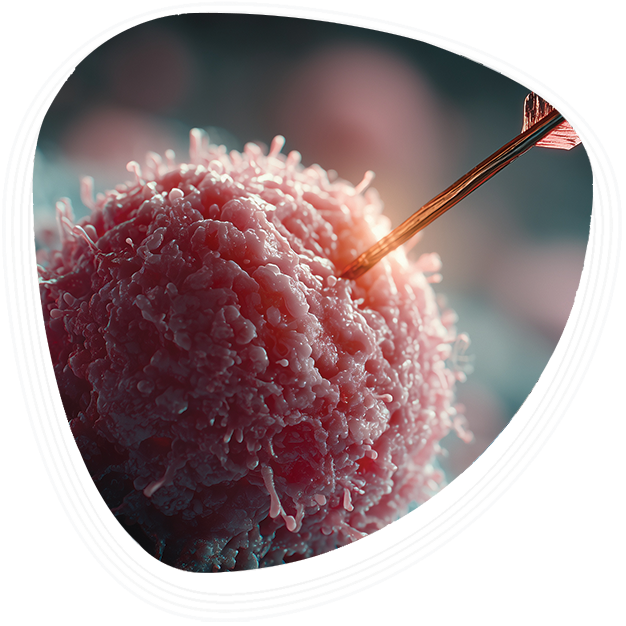
Targeted therapy follows a step-by-step process, from identifying the right patients to monitoring response and adjusting treatment as needed.
Biomarker Testing and Eligibility Assessment
Before starting targeted therapy, a detailed evaluation confirms whether the tumour has a treatable target:
- Tumour Biopsy and Histopathology: Tissue analysis confirms the cancer type, grade, and receptor status, forming the basis for further testing and treatment planning.
- Molecular and Biomarker Profiling: Specialised tests identify genetic changes such as EGFR, KRAS, BRAF, HER2, ALK, ROS1, and BRCA mutations that guide the choice of targeted drugs.
- Immunohistochemistry (IHC) and FISH Testing: These tests assess protein expression and gene changes, such as HER2 overexpression or gene rearrangements, which may not be detected through routine methods.
- Tumour Marker Assessment: Blood tests measuring markers such as CEA, CA-125, PSA, AFP, and CA 19-9 help establish a baseline and are used later to monitor treatment response.
- Multidisciplinary Tumour Board Review: A team of specialists reviews each case to ensure that targeted therapy is appropriate and aligned with the patient’s overall treatment plan.
Administration
The way targeted therapy is given depends on the type of drug:
- Oral Targeted Therapy: Many targeted drugs are taken as tablets or capsules at home, with regular follow-up to monitor response and side effects.
- Intravenous Targeted Therapy: Some treatments, such as monoclonal antibodies, are given through IV infusion at scheduled intervals in the hospital’s oncology unit.
- Pre-Treatment Assessment: Before each cycle, doctors check vital signs, blood tests, and organ function to ensure the patient is fit for treatment and to detect early toxicity.
Monitoring Response and Managing Side Effects
Regular monitoring ensures that the treatment remains effective and safe:
- Imaging Response Assessment: PET-CT or MRI scans are performed at intervals to evaluate tumour response and guide further treatment decisions.
- Tumour Marker Monitoring: Repeated blood tests help track how well the treatment is working and identify early signs of progression.
- Side Effect Monitoring and Management: Ongoing checks of liver, kidney, heart function, and blood counts help manage side effects such as skin rash, diarrhoea,high blood pressure, and liver changes.
- Resistance Detection and Treatment Adaptation: If the cancer stops responding, repeat testing helps identify resistance and allows doctors to switch to a more effective treatment option.
Cancers Treated With Targeted Therapy at Graphic Era Hospital
- Non-Small Cell Lung Cancer
- Breast Cancer
- Chronic Myeloid Leukaemia (CML)
- Colorectal Cancer
- Gastrointestinal Stromal Tumour (GIST)
- Renal Cell Carcinoma
- Melanoma
- Hepatocellular Carcinoma
- Thyroid Cancer
- Multiple Myeloma
Top Targeted Therapy Treatments at Graphic Era Hospital
- Oral Targeted Therapy
- Intravenous Targeted Therapy
- Neoadjuvant Targeted Therapy
- Adjuvant Targeted Therapy
- HER2-Targeted Therapy
- EGFR-Targeted Therapy
- ALK-Targeted Therapy
- BRAF and MEK Inhibitor Therapy
- CDK 4/6 Inhibitor Therapy
- PARP Inhibitor Therapy
- Anti-Angiogenic Therapy
- Proteasome Inhibitor Therapy
- BCR-ABL Inhibitor Therapy
- Combination Targeted Therapy and Chemotherapy
- Combination Targeted Therapy and Immunotherapy
- Combination Targeted Therapy and Hormonal Therapy
Patient Stories





Blog





Frequently Asked Questions (FAQs)
What is the difference between targeted therapy and chemotherapy?
Chemotherapy affects all rapidly dividing cells, including healthy ones, leading to side effects such as hair loss and low blood counts. Targeted therapy acts on specific cancer-related changes, making it more precise, though it has its own side effect profile.
Do I need testing before starting targeted therapy?
Yes. Biomarker testing is required to confirm that the tumour has a target that the therapy can act on.
Can targeted therapy be taken at home?
Some targeted therapies are available as oral tablets taken at home, while others are given as IV infusions in the hospital, depending on the drug.
What happens if targeted therapy stops working?
If resistance develops, further testing is done to identify the cause and guide a change in treatment.
Can targeted therapy be combined with other treatments?
Yes. It is often used along with chemotherapy, hormonal therapy, or immunotherapy based on the treatment plan.
How can I book an appointment at Graphic Era Hospital?
You can book through the hospital website, call 1800-889-7351, or visit the outpatient department.
How long does targeted therapy last?
The duration varies depending on the cancer type and response, and continues as long as the treatment remains effective and well tolerated.
 Emergency 24×7 : 1800 889 7351