A diagnosis of Down syndrome can raise many questions for parents about their child’s health, development and future needs. Since every child with Down syndrome has different strengths and support needs, early medical care, developmental support and regular monitoring can play an important role in helping them reach key milestones and manage associated health concerns as they grow.
At Graphic Era Hospital, Dehradun, our paediatric team provides comprehensive care for children with Down syndrome through ongoing health assessment, developmental support and coordinated management of associated medical conditions. Depending on the child’s needs, care may involve paediatric specialists, physiotherapy, speech and language therapy, occupational therapy, developmental support and regular follow-up to promote overall health, learning and independence.
What is Down Syndrome?
Down syndrome is a genetic condition caused by the presence of additional genetic material from chromosome 21. It affects how the body and brain develop and may lead to characteristic physical features, developmental delays, learning differences and an increased likelihood of certain health conditions.
The condition can affect each child differently. While some children may need relatively little support, others may require additional help with movement, communication, learning or associated medical concerns. Down syndrome is a lifelong condition, and appropriate healthcare and developmental support can help children build skills and progress according to their individual abilities.
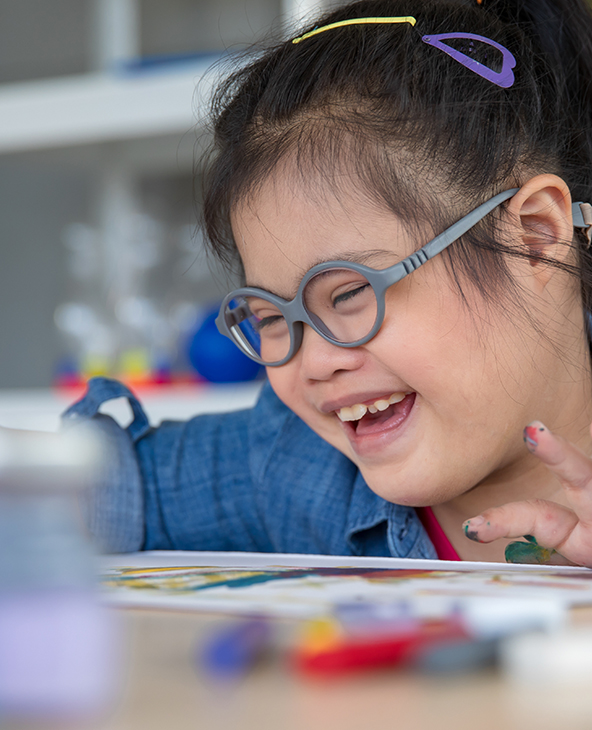
Types of Down Syndrome
There are three main types of Down syndrome, classified according to how the additional chromosome 21 material is present in the cells.
Trisomy 21
Trisomy 21 is the most common type and accounts for about 95% of cases. In this form, the cells contain three separate copies of chromosome 21 instead of the usual two.
Translocation Down Syndrome
In translocation Down syndrome, additional chromosome 21 material becomes attached to another chromosome. This type accounts for a small proportion of cases and, in some families, may be associated with a balanced chromosomal translocation carried by a parent.
Mosaic Down Syndrome
Mosaic Down syndrome occurs when the chromosomal change is present in only some of the body’s cells, while the remaining cells have the usual chromosome pattern. The features and developmental effects can vary considerably between individuals.
What Causes Down Syndrome?
Down syndrome develops due to a change in cell division involving chromosome 21. In most cases, this happens randomly during the formation of an egg or sperm, or during the earliest stages of development after conception.
Most cases are not inherited and are not caused by anything the parents did before or during pregnancy. In a small number of cases, particularly translocation Down syndrome, the chromosomal change may be related to a rearrangement carried by one of the parents.
Genetic testing can confirm the diagnosis and identify the specific chromosomal pattern, which may also help determine whether genetic counselling is useful for the family.
Who is More Likely to Have a Baby with Down Syndrome?
Down syndrome can occur in any pregnancy, and in most cases there is no way to predict exactly who will be affected. However, certain factors are associated with a higher likelihood of having a baby with Down syndrome. These may include:
- Increasing maternal age: The likelihood of chromosomal changes such as trisomy 21 increases with maternal age, particularly after 35 years.
- A previous pregnancy or child with Down syndrome: Parents who have previously had a pregnancy or child with Down syndrome may have a higher chance of recurrence in a future pregnancy.
- A parent carrying a chromosomal translocation: In some families, one parent may carry a balanced translocation involving chromosome 21 without having Down syndrome themselves. This can increase the likelihood of translocation Down syndrome in a child.
Having one or more of these factors does not mean that a baby will definitely have Down syndrome. If there are concerns about individual risk, genetic counselling and appropriate prenatal screening or diagnostic testing can help parents understand their options more clearly.
Common Features and Developmental Signs of Down Syndrome
Children with Down syndrome may share certain physical and developmental features, although the way the condition presents can vary considerably from one child to another. Some features may be noticeable at birth, while developmental differences become clearer as the child grows.
Common physical features may include:
- Low muscle tone
- A flatter facial profile and nasal bridge
- Upward-slanting eyes
- Small ears
- A shorter neck
- Smaller hands and feet
- A single crease across the palm in some children
- Shorter-than-average height as the child grows
Children with Down syndrome may also reach developmental milestones later than other children. This can include delays in sitting, standing, walking, speech and language development, as well as differences in learning and cognitive development.
The degree of developmental delay varies, and each child has their own strengths and support needs. Regular developmental assessment can help identify areas where early intervention, physiotherapy, speech therapy or other support may be beneficial.
Health Conditions Associated with Down Syndrome
Children with Down syndrome may have an increased likelihood of certain health conditions, although not every child will develop them. The type and severity of these concerns can vary considerably, which is why regular paediatric follow-up and age-appropriate screening are important.
Some of the more commonly associated health conditions include:
- Congenital heart conditions: Some babies with Down syndrome are born with structural heart defects that may require monitoring or treatment.
- Hearing problems: Recurrent middle-ear problems and hearing loss are more common and may affect speech and language development if not identified early.
- Vision problems: Refractive errors, squint, cataracts and other eye conditions may occur more frequently.
- Thyroid disorders: Children with Down syndrome have a higher risk of thyroid dysfunction and may require periodic thyroid testing.
- Sleep-related breathing problems: Obstructive sleep apnoea is more common and may cause snoring, restless sleep or daytime tiredness.
- Gastrointestinal conditions: Some children may be born with or later develop digestive or intestinal problems that need specialist evaluation.
- Feeding and growth concerns: Low muscle tone and other factors can sometimes affect feeding, nutrition or growth.
- Blood and immune-related conditions: Certain blood disorders and infections occur more frequently in children with Down syndrome, although serious conditions such as leukaemia remain uncommon.
- Orthopaedic and mobility concerns: Joint laxity, low muscle tone or spinal and hip-related problems may affect posture and movement in some children.
Regular monitoring allows these concerns to be identified early so that the child can be referred to the appropriate specialist and receive treatment or developmental support when needed.
When Should You Consult a Paediatrician?
Children with Down syndrome benefit from regular paediatric follow-up from infancy through adolescence, even when they appear well. These visits help monitor growth, development, feeding, hearing, vision and other health concerns that occur more commonly with Down syndrome.
Parents should consider consulting a paediatrician if:
- Down syndrome is suspected or has been diagnosed in a newborn
- A prenatal diagnosis has been made and guidance is needed about care after birth
- The child has difficulty feeding, poor weight gain or frequent choking during feeds
- Developmental milestones such as sitting, walking, speech or communication appear delayed
- There are concerns about hearing, vision or recurrent ear problems
- The child develops persistent snoring, disturbed sleep or breathing concerns
- There are concerns about growth, thyroid health, heart health or recurrent infections
- New behavioural, learning or developmental concerns arise
- Guidance is needed about physiotherapy, speech therapy, occupational therapy or other developmental support
Regular paediatric care also helps coordinate referrals to specialists and therapists when needed, so that medical and developmental concerns can be addressed as the child grows.
Doctors Available
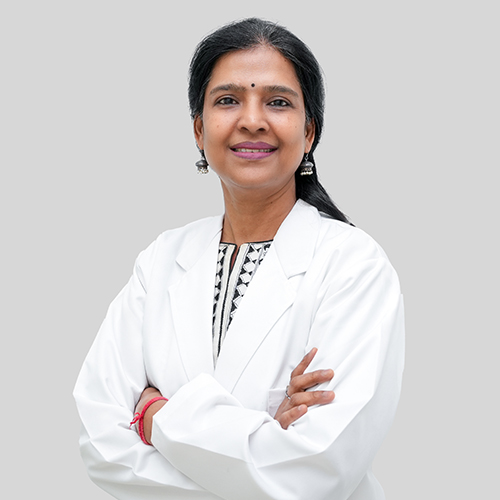
Prof. Dr. Rupa Dalmia Singh
Senior Consultant & HOD
Paediatrics
Experience: 27 Years
Book An Appointment


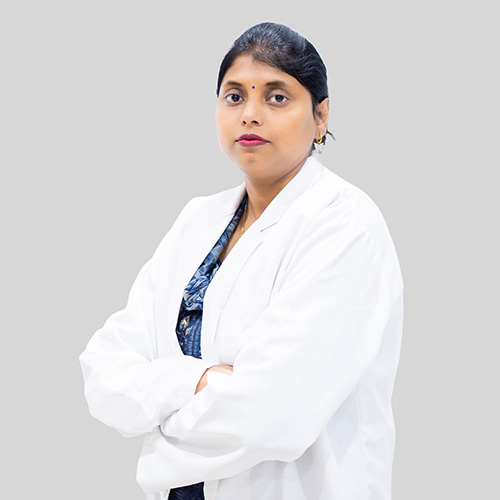
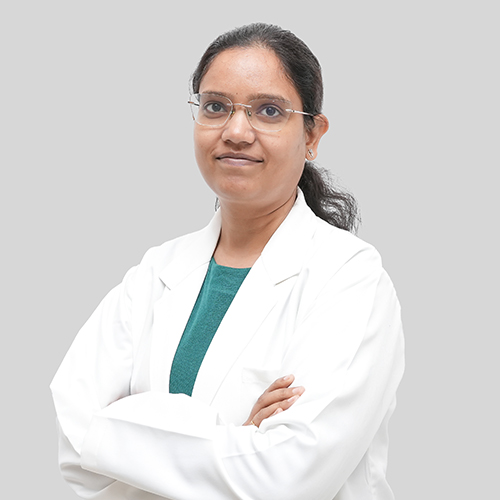
Dr. Deep Shikha Baranwal
Consultant
Paediatric, Paediatric Nephrology
Experience: 7 Years
Book An Appointment
Why Choose Graphic Era Hospital for Down Syndrome Care?

Experienced Paediatric and Multidisciplinary Care : Every child with Down syndrome has different medical and developmental needs, and care often involves more than one speciality. At Graphic Era Hospital, our paediatricians work closely with specialists in areas such as paediatric cardiology, neurology, endocrinology, gastroenterology and pulmonology whenever additional support is needed. This coordinated approach helps us manage associated health concerns while ensuring the child’s overall development remains at the centre of care.

Diagnostic and Developmental Support : The Paediatrics department at Graphic Era Hospital provides advanced diagnostic support, including genetic testing, along with developmental and neurological assessment for children with developmental delays, speech difficulties and learning concerns. This helps our team understand the child’s individual health and developmental needs more clearly and recommend timely support where it can make the most difference.

Child Rehabilitation and Long-Term Support : Graphic Era Hospital provides specialised paediatric rehabilitation for children with developmental, physical and neurological challenges. Depending on the child’s specific needs, support may include physiotherapy, occupational therapy, speech therapy, psychological support and special education. The goal is to help each child strengthen mobility, communication, learning and everyday skills while building greater confidence and independence over time.

Down Syndrome Diagnosis at Graphic Era Hospital
At Graphic Era Hospital, evaluation for Down syndrome may take place during pregnancy or after a baby is born. The hospital provides prenatal care with ultrasound and genetic testing, while its Paediatrics department offers advanced diagnostic and genetic testing support for children. The exact approach depends on whether testing is being performed for prenatal screening, confirmation during pregnancy or diagnosis after birth.
Prenatal Screening During Pregnancy
Prenatal screening can help estimate the likelihood that a baby may have Down syndrome. Depending on the stage of pregnancy and individual risk factors, screening may involve maternal blood tests, ultrasound assessment or other genetic screening tests. These tests indicate whether the likelihood is higher or lower but do not by themselves confirm Down syndrome.
Prenatal Diagnostic Testing, When Required
If a screening test indicates an increased likelihood of Down syndrome, further diagnostic testing may be recommended. Tests such as chorionic villus sampling (CVS) or amniocentesis examine fetal genetic material and can confirm whether an extra copy of chromosome 21 is present. The benefits and potential risks of these tests are discussed with the parents before they are performed.
Assessment After Birth
After birth, a paediatrician may suspect Down syndrome based on characteristic physical features, muscle tone and the baby’s overall clinical assessment. However, physical findings alone are not sufficient to confirm the diagnosis.
Chromosomal Karyotype and Genetic Testing
A blood sample can be used for chromosomal analysis to confirm the diagnosis and identify the type of Down syndrome. The test examines chromosome 21 and can determine whether the child has trisomy 21, translocation Down syndrome or mosaic Down syndrome. Graphic Era Hospital lists genetic testing among the advanced diagnostic services available within its paediatric care.
Once the diagnosis is confirmed, our paediatric team assesses the child’s overall health, development and individual support needs. Based on this assessment, the team coordinates care with relevant specialists and rehabilitation services, which may include physiotherapy, occupational therapy, speech therapy and ongoing developmental support as the child grows.
Down Syndrome Care and Treatment Options at Graphic Era Hospital
There is no single treatment that can remove the extra chromosome responsible for Down syndrome. Care instead focuses on supporting the child’s development, addressing individual challenges and treating associated medical conditions when they arise. At Graphic Era Hospital, our paediatric team works with therapists and other specialists to plan care according to the child’s health, developmental needs and abilities.
Early Intervention and Developmental Support
Early intervention can help children with Down syndrome build important movement, communication, learning and social skills. Support is planned according to the child’s developmental stage and may begin in infancy when delays or specific needs are identified. Graphic Era Hospital’s paediatric services include developmental monitoring and early identification of developmental delays.
Physiotherapy
Children with Down syndrome often have low muscle tone and may take longer to achieve motor milestones such as sitting, standing or walking. Physiotherapy can help improve strength, posture, balance, coordination and mobility through exercises and activities tailored to the child’s abilities. Graphic Era Hospital provides paediatric rehabilitation and physiotherapy support for children with motor and physical challenges.
Speech and Language Therapy
Speech and language development may be delayed in children with Down syndrome. Speech therapy can support communication, pronunciation, language development and, where needed, alternative ways of communicating. Graphic Era Hospital’s Child Rehabilitation Unit provides specialised intervention for children with speech and communication difficulties.
Occupational Therapy
Occupational therapy can help children develop skills needed for everyday activities such as feeding, dressing, writing, play and other age-appropriate tasks. Therapy may also focus on coordination, fine motor skills and increasing independence in daily life. Occupational therapists are part of the multidisciplinary child rehabilitation support available at Graphic Era Hospital.
Behavioural and Learning Support
Some children may benefit from additional support with learning, attention, behaviour or social development. Depending on the child’s needs, psychologists, special educators and other professionals may work with the family to support communication, learning and participation in everyday activities. Graphic Era Hospital’s Child Rehabilitation Unit follows a multidisciplinary approach involving psychologists and special educators where required.
Treatment of Associated Medical Conditions
Children with Down syndrome may also need treatment for associated conditions involving the heart, thyroid, hearing, vision, digestive system, respiratory system or other areas. Graphic Era Hospital provides access to paediatric speciality care in areas such as cardiology, neurology, endocrinology, gastroenterology and pulmonology, allowing referrals and treatment to be coordinated according to the child’s individual medical needs.
The care plan may change as the child grows, so regular paediatric follow-up remains important for reviewing developmental progress, monitoring health concerns and adjusting therapies or specialist care when needed.
Long-Term Care and Health Monitoring
At Graphic Era Hospital, the Paediatrics department provides ongoing follow-up for children with Down syndrome, supported by paediatric specialists and child rehabilitation services. Regular monitoring helps track growth, development, learning and overall health while also identifying concerns related to hearing, vision, thyroid function, heart health or sleep. Therapy plans can also be reviewed and adjusted over time to support mobility, communication, learning and greater independence as the child grows.
Long-term care may include:
- Growth and nutrition monitoring: Regular assessment of height, weight, nutrition and feeding can help identify growth or dietary concerns early.
- Developmental follow-up: Progress in movement, speech, communication, learning and social skills can be reviewed over time so that therapies can be adjusted when needed.
- Hearing and vision checks: Periodic hearing and eye assessments are important, as children with Down syndrome have a higher likelihood of hearing and vision problems.
- Thyroid monitoring: Regular thyroid testing may be recommended because thyroid disorders occur more commonly in children with Down syndrome.
- Heart health follow-up: Children with congenital heart conditions may need continued monitoring by a paediatric cardiologist according to their individual needs.
- Sleep and breathing assessment: Symptoms such as persistent snoring, restless sleep or daytime sleepiness may require evaluation for obstructive sleep apnoea.
- Routine paediatric care: Vaccinations, infection prevention, dental care and general health checks remain an important part of overall care.
- Ongoing rehabilitation and educational support: Physiotherapy, speech therapy, occupational therapy and learning support may be reviewed as the child develops and their needs change.
Can Down Syndrome Be Prevented?
Down syndrome cannot currently be prevented. It usually results from a random error in cell division that leads to an extra copy of chromosome 21, and in most cases there is no action parents can take before or during pregnancy to stop this chromosomal change from occurring.
However, prenatal screening and genetic counselling can help parents understand the likelihood of Down syndrome and make informed decisions about further testing. Screening tests can estimate whether there is an increased chance of Down syndrome, while diagnostic tests such as chorionic villus sampling (CVS) or amniocentesis can confirm whether the condition is present.
Genetic counselling may be particularly useful for families who have previously had a child or pregnancy affected by Down syndrome or when a parent carries a chromosomal translocation. It can help explain recurrence risk, available testing options and what the results may mean for future pregnancies.
At Graphic Era Hospital, expectant parents can discuss prenatal screening and genetic testing options with our obstetrics team based on their medical history, pregnancy and individual risk factors.
Advanced Diagnostics & Technology
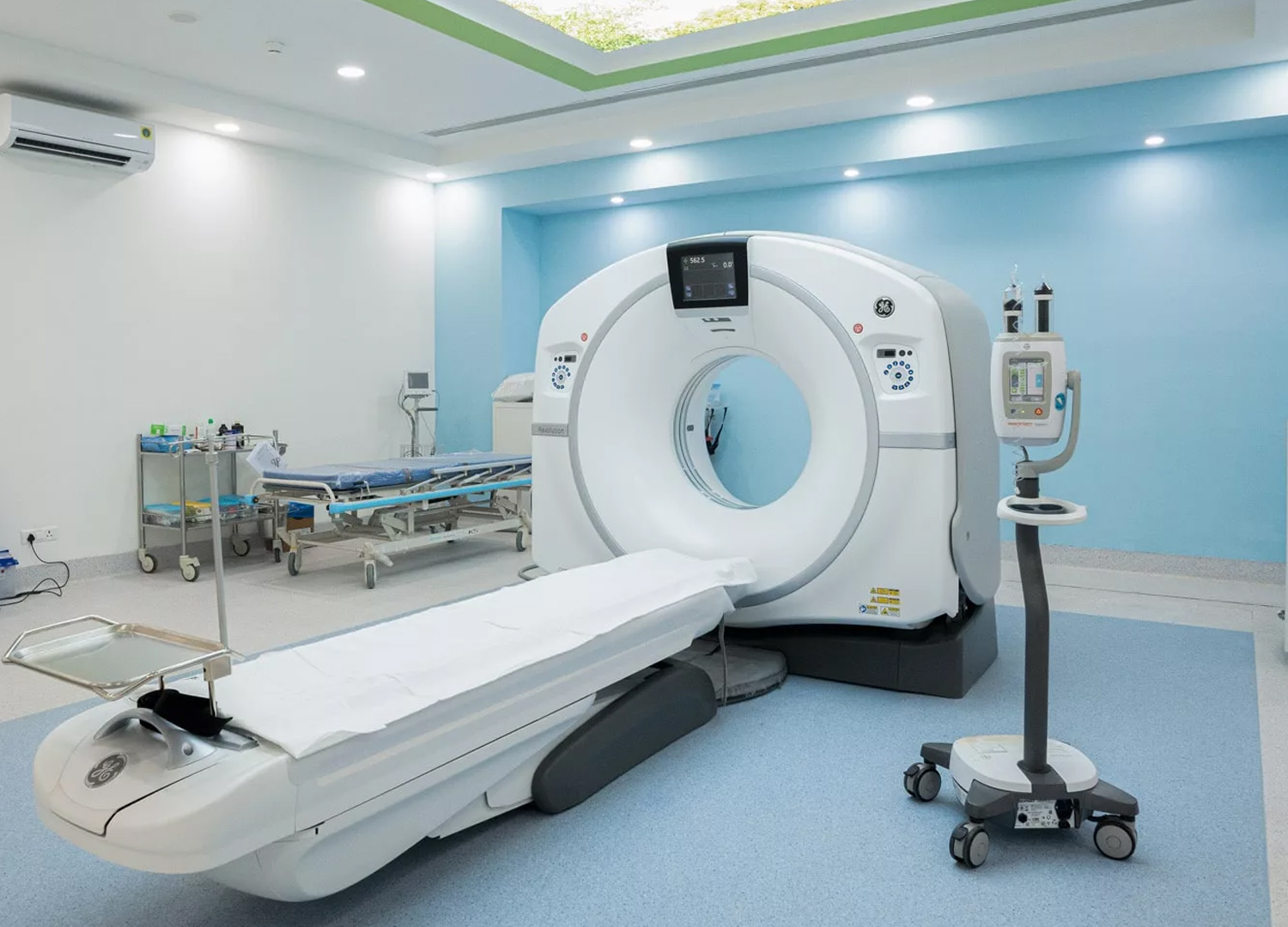
- Offers high-resolution imaging for detailed blood vessel analysis, aiding in accurate diagnosis and treatment planning.
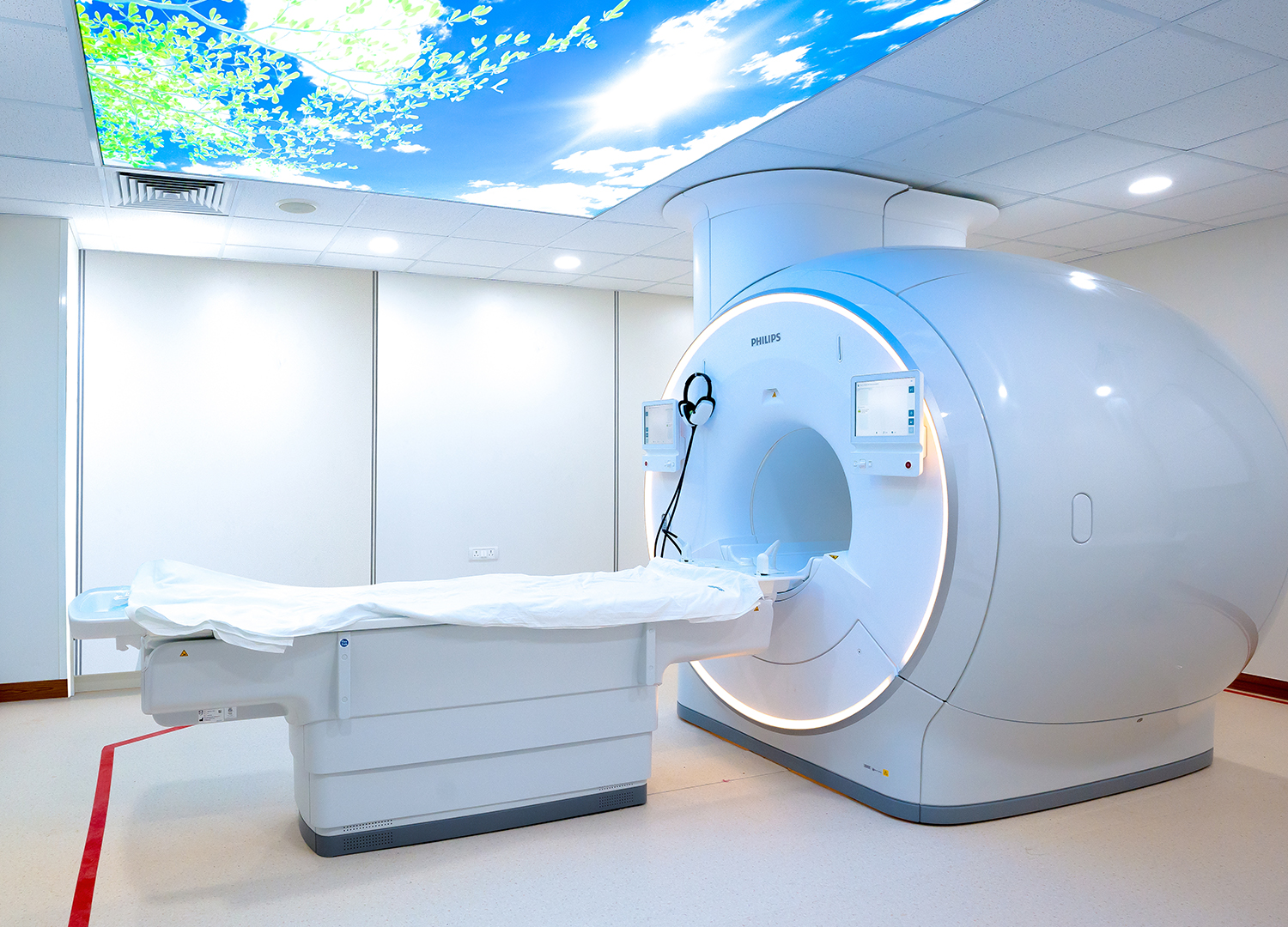
- Delivers advanced imaging with high resolution for clear, detailed views of soft tissues, ensuring precise diagnostics.
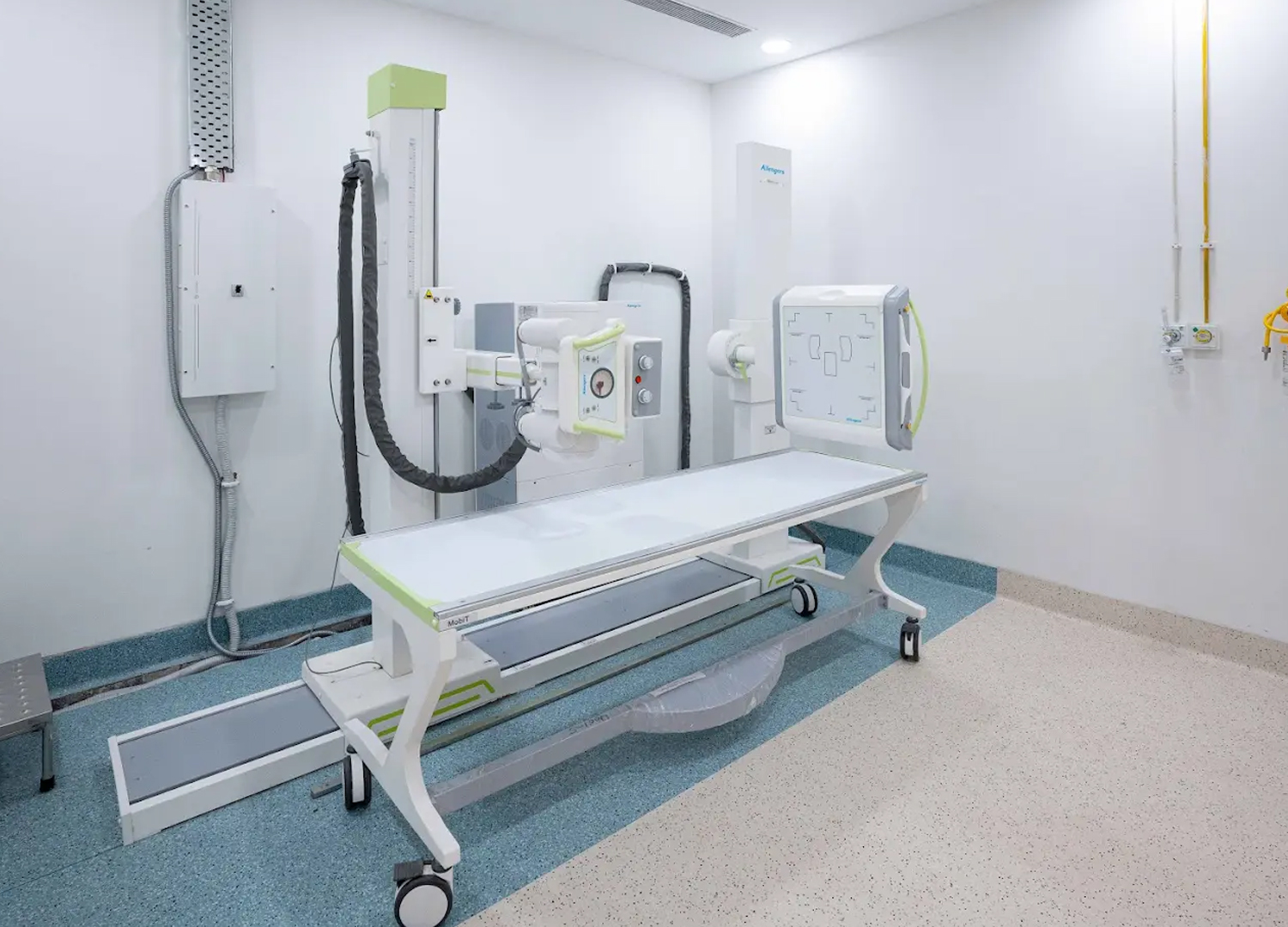
- Provides high-quality, detailed radiographic images for accurate diagnosis with minimal exposure to radiation.
Other Specialities


Patient Stories

Blog



Frequently Asked Questions (FAQs)
Is Down syndrome genetic?
Yes. Down syndrome is a genetic condition caused by extra genetic material from chromosome 21. Most cases occur due to a random change during cell division rather than being inherited from a parent.
How many chromosomes does a person with Down syndrome have?
Most people with trisomy 21, the most common type of Down syndrome, have 47 chromosomes instead of the usual 46. However, the chromosome pattern can differ in translocation and mosaic Down syndrome.
Why does Down syndrome occur?
Down syndrome occurs when a baby has an extra full or partial copy of chromosome 21. In most cases, this results from a random error in cell division during the formation of reproductive cells or early development.
Can Down syndrome be detected before birth?
Yes. Prenatal screening tests can estimate the likelihood of Down syndrome, while diagnostic tests such as chorionic villus sampling (CVS) or amniocentesis can confirm whether the condition is present.
What happens if a Down syndrome screening test is positive?
A positive screening result means there is an increased likelihood of Down syndrome, but it does not confirm the diagnosis. Further assessment, genetic counselling and a diagnostic test may be recommended to provide more definite information.
Can Down syndrome be cured during pregnancy?
No. There is currently no treatment during pregnancy or after birth that can remove the extra chromosome responsible for Down syndrome. Medical care focuses on supporting development and managing associated health conditions.
What therapies are recommended for children with Down syndrome?
Depending on the child’s needs, early intervention may include physiotherapy, speech and language therapy, occupational therapy and educational or behavioural support. Starting appropriate developmental support early can help children build important motor, communication and learning skills.
Can children with Down syndrome attend regular schools?
Many children with Down syndrome can participate in mainstream education with appropriate learning and developmental support, while others may benefit from specialised educational settings. The most suitable option depends on the child’s abilities, learning needs and available support.
What is the life expectancy of a person with Down syndrome?
Life expectancy has improved significantly with advances in healthcare. NICHD reports an average life expectancy of around 60 years, although this can vary considerably depending on individual health conditions, access to medical care and other factors.
Where can I find the best Down syndrome care near me in Dehradun?
For Down syndrome care in Dehradun, you can consult the paediatric team at Graphic Era Hospital. Our pediatricians can assess the child’s health and developmental needs and coordinate specialist care, genetic testing, physiotherapy, occupational therapy, speech and developmental support where required.