Spondylitis is a chronic inflammatory condition that affects the spine and surrounding joints, often causing back stiffness, reduced flexibility, and ongoing discomfort that can interfere with day-to-day movement. At Graphic Era Hospital, our highly skilled and experienced orthopaedic surgeons offer detailed evaluation and personalised treatment plans to help individuals manage symptoms effectively, maintain spinal health, and prevent long-term complications. Using advanced diagnostic tools, structured physiotherapy programmes, and evidence-based medical therapies, the team focuses on restoring spinal function, improving posture, and supporting long-term quality of life.
Understanding Spondylitis and When to Seek Medical Care
Spondylitis develops when ongoing inflammation affects the spine, sacroiliac joints, or surrounding ligaments, leading to pain, stiffness, and reduced mobility. It may be associated with conditions such as ankylosing spondylitis, reactive arthritis, or long term mechanical strain. Early assessment is important because untreated inflammation can gradually limit movement and, in some cases, cause changes in spinal posture. Recognising when symptoms become persistent or progressive helps ensure timely and effective care. Common signs that indicate the need for medical attention include:
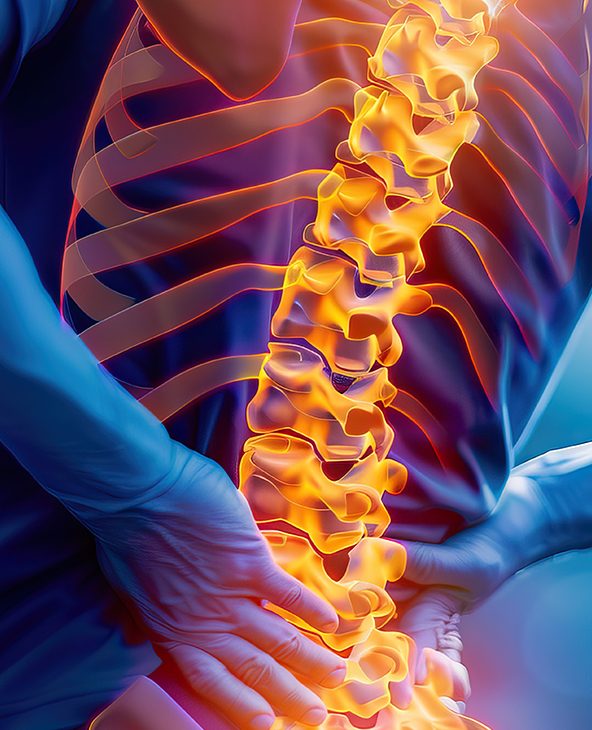
- Persistent back pain lasting more than a few weeks
- Morning stiffness that improves with movement
- Pain that radiates to the hips, buttocks, or thighs
- Reduced flexibility or difficulty bending and twisting
- Swelling or discomfort in other joints such as shoulders, knees, or heels
- Fatigue or generalised discomfort associated with inflammation
- Pain that worsens after rest but improves with activity
- Recurrent episodes of back stiffness in young adults
- Symptoms suggestive of ankylosing spondylitis, such as spinal rigidity
- Back pain accompanied by weight loss or prolonged fatigue
How is Spondylitis Diagnosed at Graphic Era Hospital?
Accurate diagnosis is essential to determine the type and extent of spondylitis and identify any early signs of spinal inflammation or structural changes. At Graphic Era Hospital, our highly experienced and renowned orthopaedic surgeons use a combination of clinical assessment and advanced imaging to understand the severity of symptoms and plan appropriate treatment. Here’s what the diagnostic process typically involves:
- Clinical Evaluation: The orthopaedic surgeon assesses spinal mobility, posture, joint tenderness, and movement restrictions associated with inflammatory back pain.
- X-ray Imaging: X-rays help detect early structural changes, sacroiliac joint inflammation, or features suggestive of ankylosing spondylitis.
- MRI Scans: MRI offers detailed views of soft tissues, ligaments, and spinal joints, enabling early detection of inflammation not visible on X-rays.
- Blood Tests: Tests such as ESR, CRP, and HLA-B27 help identify inflammation markers or genetic factors linked to certain types of spondylitis.
- Neurological Assessment: Evaluation of reflexes, sensation, muscle strength, and nerve involvement helps detect complications such as nerve compression.
- Gait and Posture Analysis: Doctors assess walking patterns and alignment to identify functional limitations caused by chronic inflammation.
- Assessment for Associated Conditions: Individuals may be evaluated for related problems such as uveitis, heel pain, or peripheral joint inflammation.
Spondylitis Treatment Options at Graphic Era Hospital
Spondylitis treatment focuses on relieving pain, reducing inflammation, improving spinal mobility, and preventing long-term stiffness or deformity. The treatment plan depends on the type of spondylitis, severity of inflammation, and how symptoms affect daily movement. Here’s how spondylitis is treated at Graphic Era Hospital:
- Medication: Anti-inflammatory medicines, pain relievers, and disease-modifying drugs (for conditions such as ankylosing spondylitis) help reduce pain, control inflammation, and slow disease progression.
- Physiotherapy and Exercise: Guided stretching, posture correction exercises, and strengthening routines improve flexibility, reduce stiffness, and support spinal alignment.
- Hot and Cold Therapy: Heat helps ease muscle tightness, while cold packs reduce swelling during flare-ups.
- Posture and Ergonomic Training: Individuals receive advice on maintaining proper posture, using supportive furniture, and adopting safe movement habits.
- Lifestyle and Activity Modification: Guidance on low-impact exercises such as swimming or walking helps maintain mobility without overstraining the spine.
- Arthritis-Related Management: For inflammatory forms such as ankylosing spondylitis, long-term treatment may include specialised medication and regular physiotherapy.
- Management of Joint and Heel Pain: Targeted therapies help relieve symptoms affecting hips, knees, shoulders, or heels.
- Surgical Referral (when necessary): Severe spinal deformities, nerve compression, or advanced structural changes may require procedures such as correctivespinal surgery.
Why Choose Graphic Era Hospital for Spondylitis Treatment?

Experienced Orthopaedic Surgeons: Our orthopaedic surgeons have extensive experience in diagnosing and treating all forms of spondylitis, including inflammatory conditions such as ankylosing spondylitis. They assess spinal flexibility, inflammation patterns, and posture-related issues to create targeted treatment plans that relieve pain, improve mobility, and help prevent long term spinal stiffness or deformity.

Advanced Diagnostic and Treatment Technology: At Graphic Era Hospital, we use digital X-rays, MRI scans, inflammatory marker testing, and gait assessments to evaluate spinal health with precision. Our physiotherapy and rehabilitation facilities offer specialised exercise programmes, posture correction training, and mobility enhancement therapies that support consistent and effective recovery.

Trusted, Ethical, and Safe Orthopaedic Care: As India’s first medical college hospital accredited under the 6th Edition of NABH standards, we maintain the highest standards of safety, ethics, and clinical care. Our team guides individuals through diagnosis, medication plans, exercise therapy, lifestyle modification, and long term monitoring with clarity and empathy, ensuring they feel supported throughout their recovery journey.
Preventing Spondylitis and Supporting Long-Term Spinal Health
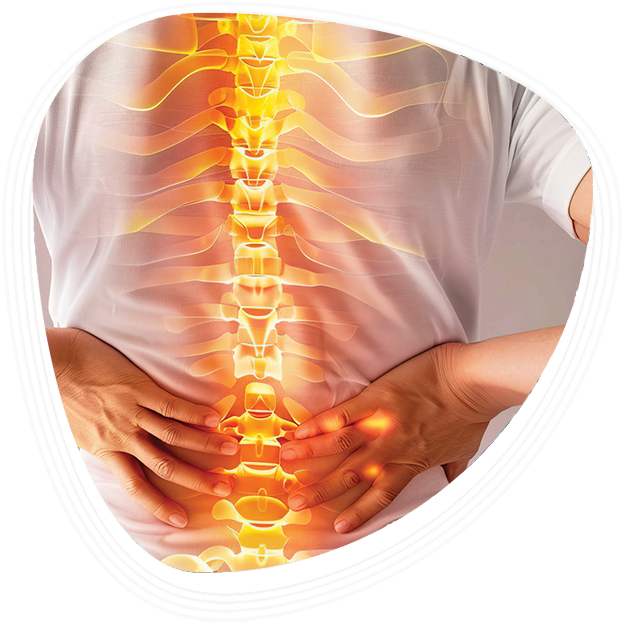
Preventing spondylitis or reducing flare-ups involves protecting the spine from excessive strain, managing inflammation early, and adopting habits that support flexibility and posture. These steps help individuals maintain mobility, reduce discomfort, and lower the risk of long-term spinal complications. Here are important practices that support better spinal health and help minimise spondylitis-related symptoms:
Maintain an Active Lifestyle
Regular low-impact activities such as walking, swimming, or cycling improve flexibility and reduce stiffness. Staying active prevents the spine from becoming rigid and supports healthier posture.
Strengthen the Back and Core Muscles
Exercises that build strength in the abdominal, back, and hip muscles help stabilise the spine and reduce pressure on inflamed joints. Physiotherapists may recommend targeted routines based on individual needs.
Follow Good Posture Habits
Correct sitting, standing, and sleeping positions help reduce spinal strain. Using supportive chairs, avoiding slouched posture, and adjusting workstation ergonomics are important for long-term comfort.
Manage Inflammation Early
Recognising early signs of stiffness or swelling and seeking timely medical care helps prevent progression. Anti-inflammatory strategies and physiotherapy play a key role in symptom control.
Avoid Smoking and Prolonged Sedentary Behaviour
Smoking can increase inflammation and worsen spinal problems. Taking breaks from sitting and maintaining movement throughout the day helps preserve spinal mobility.
Maintain a Healthy Body Weight
Extra weight increases strain on the spine and joints. A balanced diet and regular physical activity help reduce stress on affected areas.
Top Spondylitis Treatments Available at Graphic Era Hospital
- Medication therapy for inflammatory and degenerative spinal conditions
- Physiotherapy and spine-focused rehabilitation programmes
- Posture correction and ergonomic training
- Intra-articular or targeted injections when required
- Arthritis and ankylosing spondylitis management plans
- Lifestyle and activity modification guidance
- Surgical evaluation for severe deformities or nerve compression
Blog








Frequently Asked Questions
What is spondylitis and how does it affect the spine?
Spondylitis refers to a group of conditions that cause inflammation in the spine and nearby joints. This leads to back pain, stiffness, reduced flexibility, and difficulty with certain movements, especially after periods of rest.
What are the common symptoms of spondylitis?
Individuals may experience persistent back pain, morning stiffness, limited spinal movement, pain in the hips or buttocks, fatigue, and discomfort that improves with activity but worsens with rest.
How is spondylitis diagnosed?
Diagnosis typically includes a clinical examination, X-rays, MRI scans, blood tests for inflammation markers, and assessment for HLA-B27. These tests help identify inflammation, joint changes, and related conditions such as ankylosing spondylitis.
Can physiotherapy help with spondylitis?
Yes. Physiotherapy plays a key role in improving mobility, reducing stiffness, correcting posture, and strengthening the muscles that support the spine. Regular exercises help prevent long-term spinal rigidity.
Is spondylitis the same as ankylosing spondylitis?
No. Ankylosing spondylitis is one type of spondylitis characterised by inflammation of the spine and sacroiliac joints. Other types may involve different joints or occur due to different triggers.
What lifestyle changes help reduce spondylitis symptoms?
Regular exercise, good posture habits, quitting smoking, maintaining a healthy weight, and staying active throughout the day help reduce stiffness and support long-term spinal health.
When should I consult a doctor for back pain that may be related to spondylitis?
You should seek medical care if back pain lasts more than a few weeks, is accompanied by morning stiffness, improves with movement but not with rest, or begins at a young age without a clear injury.
What complications can occur if spondylitis is left untreated?
Delayed treatment may lead to reduced mobility, spinal deformity, limited chest expansion, nerve compression, or fusion of spinal joints in severe cases.
Can diet help manage spondylitis symptoms?
A balanced diet with anti-inflammatory foods, adequate calcium, and vitamin D supports bone and joint health. While diet alone cannot cure spondylitis, it helps reduce inflammation and supports overall wellbeing.
What treatments are available for ankylosing spondylitis in Uttarakhand?
Graphic Era Hospital offers medication therapy, exercise programmes, posture correction, lifestyle guidance, inflammatory arthritis management, and surgical referral when necessary.
Where can I find the best spondylitis treatment near me in Dehradun?
Graphic Era Hospital provides comprehensive spondylitis care, including diagnosis, physiotherapy, medication management, and long-term spine health support. Individuals with persistent back stiffness, inflammatory symptoms, or reduced flexibility can consult the orthopaedic team for timely treatment.
 Emergency 24×7 : 1800 889 7351