Finger joint pain can make even simple everyday tasks, such as gripping an object, typing or buttoning a shirt, uncomfortable. While the pain may sometimes follow an injury or overuse, persistent discomfort can also be linked to conditions such as arthritis, tendon problems or inflammation. Identifying the underlying cause is therefore important before deciding on the right treatment.
At Graphic Era Hospital, Dehradun, the orthopaedic team provides comprehensive evaluation and treatment for finger joint pain based on its cause, severity and effect on hand movement. Depending on the diagnosis, treatment may include medicines, splints, physiotherapy, injections or surgical intervention where required, with the aim of relieving pain, improving joint function and helping patients return to their daily activities.
What Causes Finger Joint Pain?
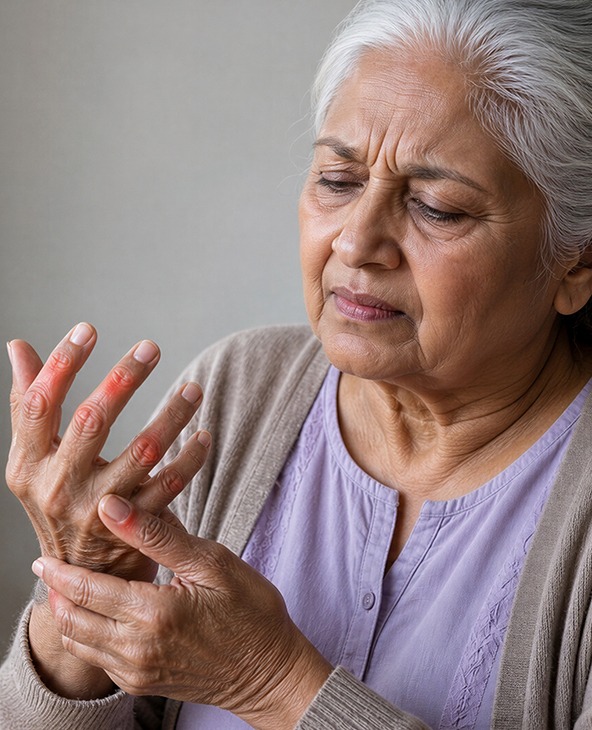
Finger joint pain can have several causes. Sometimes, it develops after an injury or repeated use of fingers. In other cases, it may be linked to arthritis, inflammation or a problem involving the tendons, ligaments or tissues around the joint. Looking at how the pain started and whether it is accompanied by swelling, stiffness or restricted movement can help doctors identify the likely cause. Common causes include:
Arthritis and Inflammatory Joint Conditions
Conditions such as osteoarthritis, rheumatoid arthritis , psoriatic arthritis and gout can affect the finger joints and may cause pain, swelling and stiffness. Inflammatory conditions can sometimes involve several joints and may be associated with prolonged morning stiffness or recurrent flare-ups.
Injuries and Overuse
Sprains, fractures and repetitive hand movements can strain the finger joints and surrounding tissues. Pain may begin suddenly after an injury or develop gradually with repeated activities such as typing, gripping or manual work.
Tendon and Ligament Problems
Injuries or inflammation affecting the tendons and ligaments can make finger movement painful or restricted. Conditions such as trigger finger may also cause clicking, catching or locking when bending or straightening the finger.
Infection and Other Causes
In some cases, pain and swelling may be linked to an infection or another condition affecting the joint or surrounding tissues. Redness, warmth, severe tenderness or fever should be assessed promptly.
What Symptoms May Occur Along with Finger Joint Pain?
Finger joint pain may occur on its own or alongside other symptoms, depending on the underlying cause. These associated signs can also help doctors understand whether the problem is related to arthritis, an injury, tendon involvement or another condition.
Common symptoms may include:
- Swelling around one or more finger joints
- Stiffness, especially after rest or in the morning
- Tenderness when touching or moving the joint
- Redness or warmth around the affected area
- Difficulty bending or straightening the finger
- Reduced grip or pinch strength
- Clicking, catching or locking during movement
- A feeling of reduced flexibility or restricted range of motion
- Numbness or tingling in some cases
Symptoms such as persistent swelling and stiffness are commonly seen with arthritis, while clicking or locking may point towards conditions such as trigger finger.
When Should You Consult a Doctor for Finger Joint Pain?
Finger joint pain does not always require urgent treatment, especially if it follows minor overuse and improves with rest. However, medical evaluation is advisable when the pain is persistent, worsening or begins to affect hand movement and daily activities.
You should consider consulting a doctor if you have:
- Severe pain after a fall, impact or other injury
- Persistent or increasing swelling
- Difficulty bending or straightening the finger
- A visible deformity or change in joint shape
- Redness, warmth or fever that may suggest infection
- Pain that does not improve or keeps returning
- Clicking, catching or locking that interferes with movement
- Reduced grip strength or difficulty using the hand normally
- Numbness or tingling along with pain
Cricket-ball injuries require particular attention. At Graphic Era Hospital, our orthopaedic team sees many patients with missed finger deformities after an injury was initially assumed to be a minor sprain. Persistent swelling, an abnormal finger position or difficulty bending or straightening the finger after a cricket-ball impact should be assessed promptly.
Early assessment can help identify whether the pain is due to arthritis, a fracture , tendon or ligament injury, trigger finger or another condition, and guide the most appropriate treatment.
Doctors Available








Why Choose Graphic Era Hospital for Orthopaedics Care?

Experienced Orthopaedic Care : At Graphic Era Hospital, orthopaedic surgeons evaluate finger joint pain by looking at the pattern of symptoms, joint movement, previous injuries and any underlying medical conditions. This helps identify whether the pain is related to arthritis, overuse, a fracture, tendon or ligament injury, or another musculoskeletal problem, so treatment can be planned accordingly.

Diagnostic and Treatment Support : When required, clinical assessment may be supported by imaging and laboratory investigations to understand the cause and extent of the problem. Depending on the diagnosis, treatment may include medicines, splints, physiotherapy, injections or surgical intervention, with the approach tailored to the patient’s condition and functional needs.

Patient-Centred Recovery and Rehabilitation : Treatment is planned not only to reduce pain but also to restore movement, grip strength and everyday hand function. Orthopaedic specialists work with physiotherapy and rehabilitation teams where needed to support recovery and help patients return to routine activities as comfortably and safely as possible.
How is Finger Joint Pain Diagnosed?
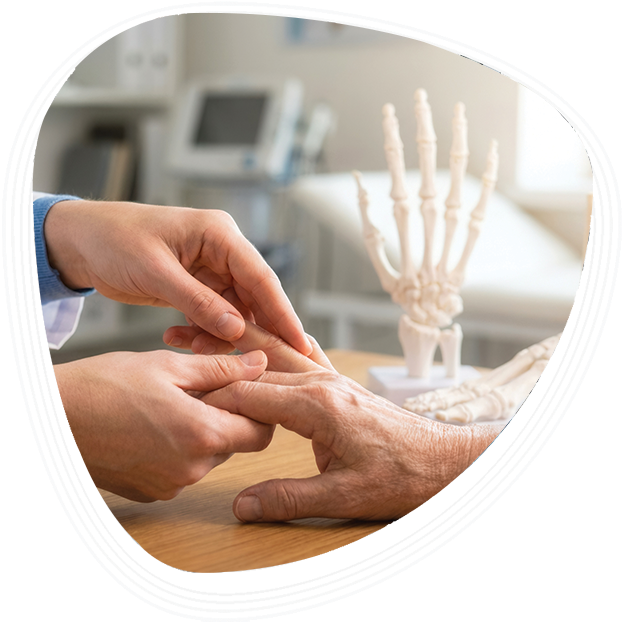
Diagnosing finger joint pain begins with understanding when the pain started, what makes it better or worse, and whether there has been an injury, swelling, stiffness or difficulty moving the finger. The doctor will also examine the affected joint and assess movement, tenderness, grip and any visible swelling or deformity.
Depending on the suspected cause, further tests may include:
- X-rays: To look for fractures, joint damage or changes related to arthritis.
- Ultrasound or MRI: These investigations may be recommended to assess the tendons, ligaments and other soft tissues in greater detail. At Graphic Era Hospital, our musculoskeletal radiologists are trained to identify subtle ligament injuries that may not be apparent during the initial clinical examination.
- Blood Tests: These may be recommended if an inflammatory condition such as rheumatoid arthritis, gout or infection is suspected.
Not every patient will need all of these tests. The investigations are selected based on the symptoms, examination findings and likely underlying cause.
Treatment Options for Finger Joint Pain
Treatment for finger joint pain depends on what is causing it, how severe the symptoms are and how much the condition is affecting hand movement and daily activities. In many cases, treatment begins with conservative measures, while injections or surgery may be considered when symptoms are more severe or do not improve adequately.
Rest and Activity Modification
Reducing or temporarily avoiding activities that aggravate the joint can help relieve pain and allow irritated tissues to recover.
Splints and Finger Braces
A splint or brace may be recommended to support the affected finger, limit painful movement and protect the joint or surrounding tissues while they heal.
Medicines
Pain-relieving or anti-inflammatory medicines may be advised depending on the cause and severity of symptoms. If the pain is linked to a condition such as gout or inflammatory arthritis, treatment may also focus on controlling the underlying disease.
Physiotherapy and Hand Rehabilitation
Targeted exercises and hand therapy can help improve flexibility, joint movement, grip strength and overall hand function. Rehabilitation may also include advice on joint protection and modifying activities that place repeated strain on the fingers.
Ultrasound-Guided Injections
For selected conditions, such as trigger finger or inflammatory joint problems, an injection may be recommended to reduce pain and inflammation. At Graphic Era Hospital, our orthopaedic surgeons are trained to administer ultrasound-guided injections, which allow the medicine to be delivered accurately to the affected tendon, joint or surrounding tissue. The decision to recommend an injection depends on the diagnosis, severity of symptoms and the patient’s overall clinical needs.
Surgical Treatment
Surgery is not required for every case of finger joint pain. It may be considered for severe joint damage, certain fractures, tendon or ligament injuries, persistent trigger finger or symptoms that continue despite appropriate non-surgical treatment. The type of procedure is planned according to the underlying condition and the extent of damage.
Recovery and Rehabilitation After Finger Joint Pain Treatment
Recovery depends on the underlying cause of finger joint pain and the type of treatment provided. Mild injuries may improve with rest and gradual return to activity, while conditions involving fractures, tendon or ligament damage, arthritis or surgery may require a longer period of rehabilitation.
Depending on the patient’s needs, recovery may include:
- Range-of-motion exercises: To help maintain or restore flexibility in the affected finger.
- Strengthening exercises: To improve grip, pinch strength and overall hand function.
- Hand therapy or physiotherapy: To support movement, reduce stiffness and help patients use the hand more comfortably during daily activities.
- Joint protection: Guidance on avoiding repeated strain and modifying activities that aggravate the joint.
- Gradual return to activity: Work, exercise and routine hand movements are usually resumed in stages based on pain, movement and healing progress.
Following the recommended rehabilitation plan and attending follow-up appointments can help support recovery and reduce the risk of ongoing stiffness or loss of function.
Can Finger Joint Pain Be Prevented?
Not all causes of finger joint pain can be on. However, some prevented, especially when the pain is linked to arthritis or another underlying conditisimple measures can help reduce unnecessary strain and protect the joints from avoidable injury.
- Avoid repeated gripping or hand movements that cause pain or strain.
- Use proper hand positioning and ergonomic support during work or prolonged computer use.
- Wear appropriate protective gear during sports or manual activities.
- Maintain finger flexibility and strength through regular movement and exercises.
- Seek timely care for finger injuries rather than continuing to use the affected hand despite pain.
- Manage conditions such as arthritis or gout as advised to help reduce recurrent joint symptoms.
Paying attention to persistent pain, swelling or stiffness and getting it assessed early can also help prevent further loss of movement or function.
Advanced Diagnostics & Technology
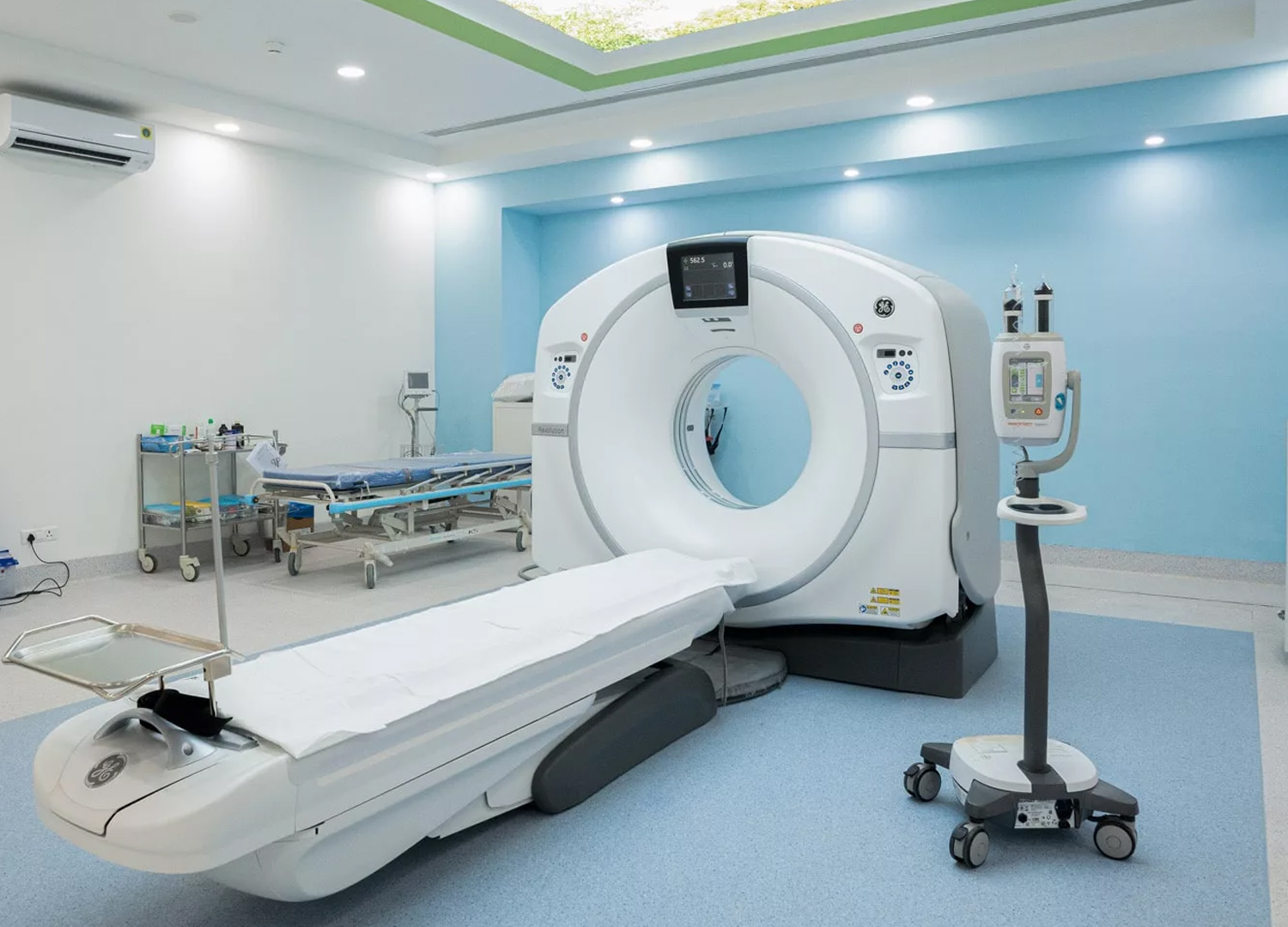
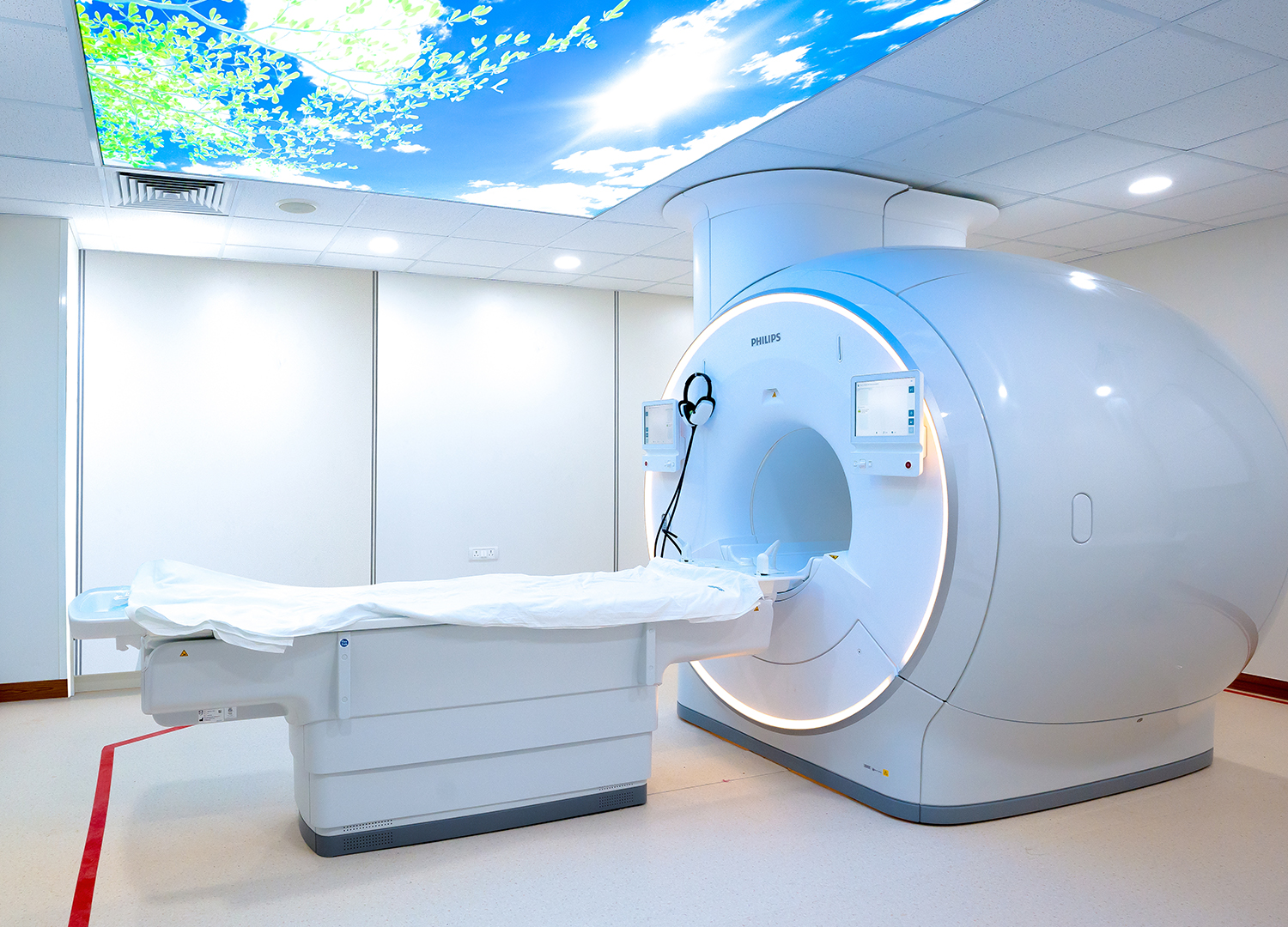
- Offers high-resolution imaging for detailed blood vessel analysis, aiding in accurate diagnosis and treatment planning.
- Delivers advanced imaging with high resolution for clear, detailed views of soft tissues, ensuring precise diagnostics.
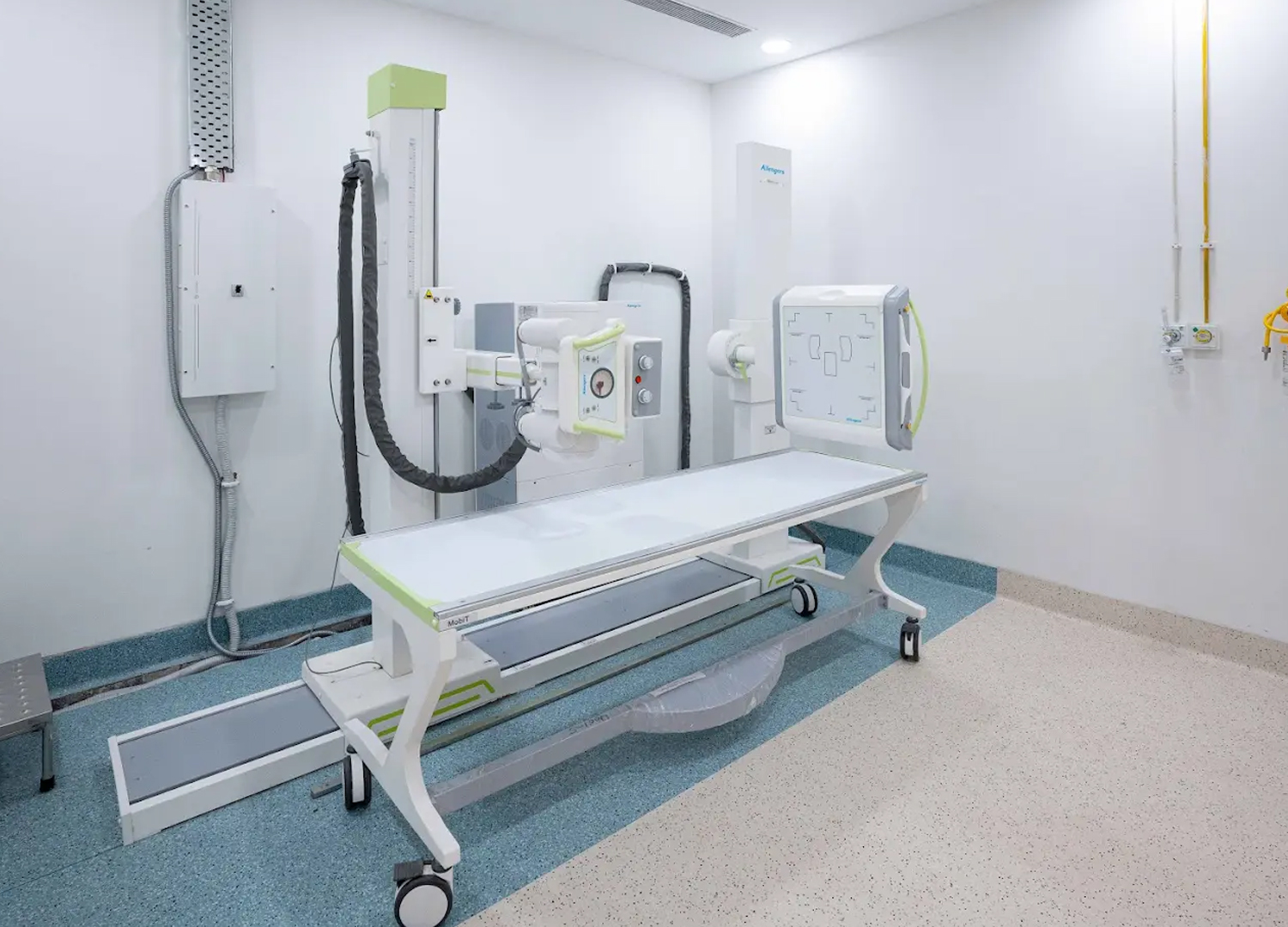
- Provides high-quality, detailed radiographic images for accurate diagnosis with minimal exposure to radiation.
Other Specialities


Patient Stories




Blog

Inflammatory Arthritis Explained: From Symptoms to Management

Understanding Frozen Shoulder: Causes, Symptoms, and Treatments

Frequently Asked Questions (FAQs)
Why do my finger joints hurt without an injury?
Finger joint pain can occur even without a recent injury. Possible causes include osteoarthritis, rheumatoid arthritis, gout, repetitive strain, tendon problems or inflammation around the joint. Persistent or recurrent pain should be assessed to identify the underlying cause.
Can arthritis cause finger joint pain?
Yes. Osteoarthritis, rheumatoid arthritis and psoriatic arthritis can affect the finger joints and may cause pain, swelling, stiffness and reduced movement. Treatment depends on the type of arthritis and the severity of symptoms.
Which doctor should I consult for finger joint pain?
An orthopaedic specialist can assess finger joint pain related to injuries, joint problems, tendon or ligament conditions and other musculoskeletal causes. If an inflammatory condition such as rheumatoid arthritis is suspected, additional specialist evaluation may also be recommended.
Can finger joint pain be treated without surgery?
Yes. Many causes of finger joint pain can be managed with non-surgical treatments such as activity modification, splints, medicines, physiotherapy or injections. Surgery is generally considered only for selected conditions or when appropriate conservative treatment does not provide adequate relief.
How long does finger joint pain take to heal?
Recovery time varies depending on the cause and severity of the problem. Mild strains may improve relatively quickly, while fractures, tendon or ligament injuries, arthritis and conditions requiring surgery may need longer treatment and rehabilitation.
Are exercises helpful for finger joint pain?
Gentle exercises may help improve flexibility, reduce stiffness and restore hand function in some conditions. However, the type and timing of exercises should depend on the diagnosis, particularly after an injury or surgery.
When should I see a doctor for finger joint pain?
Consult a doctor if the pain is severe, persistent or worsening, or if it is accompanied by significant swelling, deformity, difficulty moving the finger, numbness, fever or symptoms that interfere with daily activities.
Where can I find finger joint pain treatment near me in Dehradun?
If you are looking for finger joint pain treatment in Dehradun, Graphic Era Hospital provides orthopaedic evaluation, diagnostic support and treatment based on the underlying cause of the pain. Depending on the diagnosis, care may include medicines, splints, physiotherapy, injections or surgical treatment where required.