Ovarian cyst removal surgery is an established gynaecological procedure performed to relieve discomfort associated with cysts and restore normal ovarian health. Graphic Era Hospital, Dehradun offers comprehensive gynaecological care services, including ovarian cyst removal surgery. Our team of highly experienced gynaecologists works closely with patients to understand their condition and create a treatment plan as per their specific needs. Equipped with advanced surgical and diagnostic technologies, our team follows a structured approach that includes thorough evaluation, careful surgical planning, and attentive post-operative monitoring, ensuring the best possible outcome for every patient.
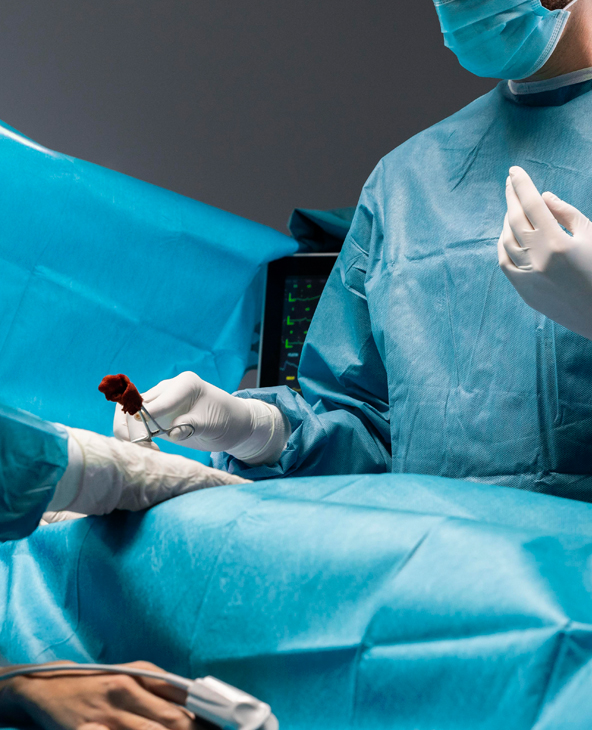
When is an Ovarian Cyst Removal Surgery Recommended?
Ovarian cyst removal surgery is usually considered in the following situations:
- Persistent Cysts: Do not reduce in size over time
- Large Cysts: Likely to cause pressure or discomfort
- Ongoing Symptoms: Pelvic pain, bloating, or a feeling of heaviness
- Risk of Complications: Such as rupture or twisting of the ovary
- Unclear Findings: When imaging tests do not give a clear picture
The decision is based on symptoms, scan results, and overall health, with the aim of preventing complications and relieving discomfort.
Schedule Your Appointment with
Our Expert Doctors
We are dedicated to driving lasting, positive transformation in healthcare management through innovation and patient-centered solutions.
Things to Know Before Undergoing an Ovarian Cyst Removal Surgery
Preparing for an ovarian cyst removal surgery involves being aware of a few key aspects before the procedure, so that the process and recovery remain clear and well planned:
- Surgical Approach: The method, whether laparoscopicor open, is decided based on the size and nature of the cyst and the patient's overall health. The surgeon will explain which approach is most suitable before the procedure is scheduled.
- Pre-Operative Evaluations: Blood tests, ultrasound, or other imaging are a standard part of the preparation process. These help the surgical team plan the procedure accurately and confirm the patient is in the right condition for surgery.
- Fasting Requirements: Avoiding food and water for a specific number of hours before the procedure is standard practice. Clear instructions on this are shared well in advance.
- Recovery Time: Laparoscopic surgery generally allows for a quicker return to daily activity, while open surgery may require a longer rest period. The surgeon will set realistic expectations based on the individual case.
- Medical History: Sharing complete details of existing conditions, current medications, allergies, and previous surgeries helps the team plan care more effectively and manage any risks in advance.
Types of Ovarian Cyst Removal Surgeries Available at Graphic Era Hospital
Ovarian cyst removal surgery can be performed using different approaches, depending on the size, type, and complexity of the cyst, as well as overall clinical findings:
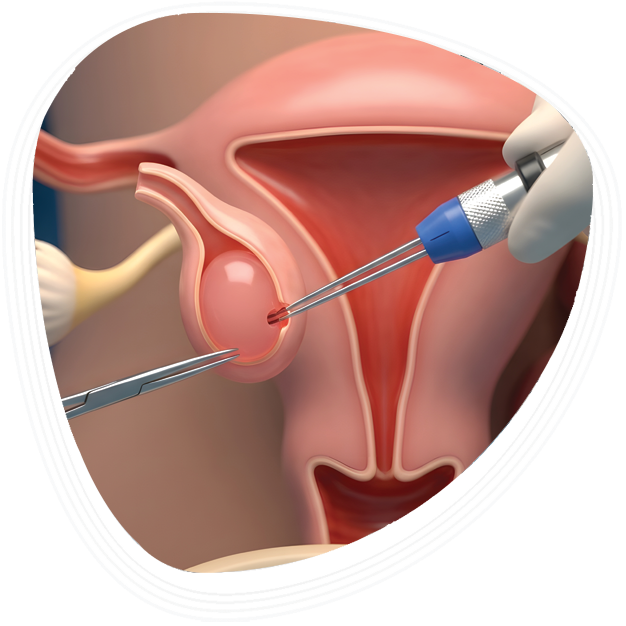
- Laparoscopic Ovarian Cyst Removal: A minimally invasive procedure performed through small incisions using a camera and specialised instruments. This approach is commonly used for smaller, non-complex cysts and is associated with quicker recovery and shorter hospital stay.
- Open surgery (laparotomy): Involves a single larger incision to access and remove the cyst. This method is considered when the cyst is large, complex, or when there is a need to evaluate it more closely.
The choice of procedure is made after evaluating scan findings, symptoms, and overall health, ensuring that the method used is appropriate for safe removal and recovery.
Why Choose Graphic Era Hospital for Ovarian Cyst Removal Surgery
At Graphic Era Hospital, each stage of treatment is managed with a clear clinical approach to ensure safe surgery and stable recovery:

Experienced Surgeons: The gynaecology team is trained in performing ovarian cyst removal procedures across a range of cases, from routine to complex. This experience supports accurate assessment, careful surgical planning, and precise removal of the cyst with attention to preserving healthy ovarian tissue.

Surgical Options: The hospital offers both laparoscopic and open surgery, allowing the approach to be selected based on the cyst’s size, type, and clinical findings. Minimally invasivetechniques are used where suitable to support shorter hospital stay and faster recovery.

Post-Surgery Care: Recovery is managed through close monitoring, pain management, and follow-up consultations. This structured care helps identify any concerns early and supports a steady return to normal routine.
Post-Surgery Care and Recovery After Ovarian Cyst Removal Surgery
Recovery after ovarian cyst removal surgery varies based on the type of procedure and the overall health condition. A structured approach to post-surgery care helps manage discomfort, support healing, and ensure a safe return to routine activities:
- Hospital Stay: Patients undergoing laparoscopic surgery are usually discharged within a short period, often within a day or two. Open surgery may require a longer stay for observation and recovery support.
- Pain Management: Mild to moderate pain or discomfort around the incision site is common in the initial days. This is managed with prescribed medication and adequate rest to maintain comfort during recovery.
- Wound Care: Incision sites need regular care to keep them clean and dry. Monitoring for redness, swelling, or discharge is important to detect any early signs of infection.
- Activity Levels: Light movement is encouraged soon after surgery to support circulation, but strenuous activity, heavy lifting, and sudden movements should be avoided for a few weeks.
- Diet and Hydration: A balanced diet and adequate fluid intake support healing and help prevent issues such as constipation during recovery.
- Follow-up Visits: Scheduled follow-ups allow the medical team to assess healing, review reports if needed, and guide the return to normal routine.
- Warning Signs: Symptoms such as increasing pain, fever, unusual swelling, or bleeding should be reported promptly for timely medical attention.
Risks and Possible Complications After Ovarian Cyst Removal Surgery
Ovarian cyst removal surgery is generally safe, but like any surgical procedure, it carries certain risks. These include:
- Bleeding: Minor bleeding may occur during or after the procedure, and in rare cases, further management may be required.
- Infection: There is a risk of infection at the incision site or internally, which is monitored through symptoms such as fever, redness, or discharge.
- Injury to Nearby Organs: Structures such as the bladder, bowel, or blood vessels may be affected in rare cases, especially in complex surgeries.
- Adhesion Formation: Scar tissue may develop inside the abdomen, which can sometimes lead to discomfort over time.
- Recurrence of Cysts: New cysts may form in the future, depending on the underlying cause.
- Ovarian Function Impact: In some cases, there may be an effect on ovarian tissue, particularly if the cyst is large or complex.
Patient Stories





Blog


World Breastfeeding Week 2026: Common Challenges New Mothers Face and How to Overcome Them








Frequently Asked Questions (FAQs)
Can ovarian cyst removal surgery affect fertility?
In most cases, the aim is to remove only the cyst and preserve the ovary, which helps maintain fertility. The impact depends on the type and size of the cyst and the condition of the ovary.
How soon can normal routines be resumed after surgery?
Return to routine activities varies from person to person. Laparoscopic procedures usually allow a quicker return, while open surgery may require a longer recovery period.
Will there be visible scars after the procedure?
Laparoscopic surgery involves small incisions that leave minimal scarring. Open surgery may result in a more noticeable scar, which fades over time with proper care.
Is the surgery painful?
The procedure itself is performed under anaesthesia. Some discomfort may be experienced after surgery, which is managed with medication and usually reduces within a few days.
Can ovarian cysts be prevented in the future?
Not all cysts can be prevented, especially those linked to natural hormonal changes. Regular check-ups can help in early detection and timely management.
When can work or travel be resumed after surgery?
This depends on the type of surgery and recovery progress. Light activities may be resumed within a few days in some cases, while more demanding routines may take longer.
 Emergency 24×7 : 1800 889 7351