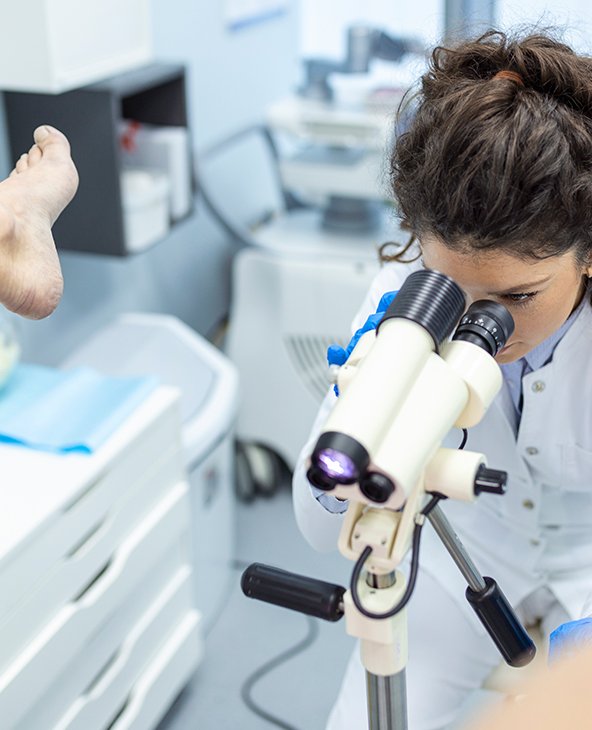
Colposcopy is a specialised diagnostic procedure used to closely examine the cervix, vagina, and vulva for any abnormal changes, particularly after an abnormal Pap smear or when symptoms require further evaluation. It involves the use of a colposcope, a magnifying instrument that allows a gynaecologist to assess cervical tissue in detail and identify abnormalities that are not visible to the naked eye.
At Graphic Era Hospital in Dehradun, colposcopy is performed byexperienced gynaecologistsusing advanced imaging technology to support accurate diagnosis and timely care. The procedure is non-invasive, does not require general anaesthesia, and is typically carried out in an outpatient setting. It helps determine the exact location and extent of abnormal tissue, guiding decisions on further investigation or treatment, while also prioritising patient comfort with clear guidance provided before, during, and after the procedure.
Types of Colposcopy
Colposcopy may be performed in different ways depending on the clinical findings and the need for further evaluation or treatment:
- Diagnostic Colposcopy: This is performed to examine the cervix in detail after an abnormal screening result. No tissue is removed, and the procedure provides visual information to guide further care.
- Colposcopy With Directed Biopsy: If an abnormal area is identified, a small tissue sample is taken from the most affected region. The sample is analysed to confirm the diagnosis and determine the severity of cellular changes.
- Colposcopy With Treatment: In selected cases, colposcopy may be combined with immediate treatment of abnormal tissue, such as loop excision (LLETZ), particularly when the abnormality is clearly defined and suitable for treatment during the same visit.
- Colposcopy During Pregnancy: Colposcopy is considered safe during pregnancy when clinically required. A biopsy is usually avoided unless there is a strong suspicion of invasive cancer, as cervical changes during pregnancy are often monitored until after delivery.
Schedule Your Appointment with
Our Expert Doctors
We are dedicated to driving lasting, positive transformation in healthcare management through innovation and patient-centered solutions.
When is Colposcopy Recommended?
Colposcopy is advised when cervical screening results or a clinical examination indicate the need for a closer, more detailed assessment of the cervix. It is not a routine screening test but a diagnostic step taken after an initial concern has been identified. At Graphic Era Hospital, colposcopy is recommended in the following situations:
- Abnormal Pap Smear Result: A cervical smear showing atypical squamous cells, low-grade or high-grade squamous intraepithelial lesions, or glandular cell abnormalities requires colposcopic evaluation to understand the nature and extent of these changes.
- Positive HPV Test: A positive HPV test, particularly for high-risk strains such as HPV 16 and HPV 18, along with an abnormal or borderline smear, warrants colposcopy to check for precancerous changes in the cervix.
- Unexplained Vaginal Bleeding: Bleeding between periods, after intercourse, or after menopause without a clear cause may require colposcopy to examine the cervix for any abnormal tissue or lesions.
- Abnormal Vaginal Discharge: Persistent or unusual vaginal discharge, especially when associated with pelvic discomfort and not responding to initial treatment, may need further evaluation through colposcopy.
- Visible Cervical Abnormalities: Any abnormal-looking areas on the cervix noticed during a routine pelvic examination, such as lesions, polyps, or unusual colour changes, are assessed in more detail with colposcopy.
- Cervical Inflammation or Erosion: Ongoing cervical ectropion or inflammation that does not improve with standard care may be evaluated to rule out underlying conditions.
- Follow-Up After Previous Abnormal Results: Women with a history of cervical dysplasia, prior colposcopy treatment, or earlier abnormal screening results may need periodic colposcopy to monitor for recurrence or progression.
Things to Know Before Your Colposcopy
Being well informed before a colposcopy can help reduce anxiety and ensure the procedure is smooth and comfortable. At Graphic Era Hospital, every patient receives a pre-procedure consultation where the gynaecology team explains the process, addresses concerns, and reviews relevant medical history. Here are the key points to keep in mind before your appointment:
- Timing Relative to Menstrual Cycle: Colposcopy is best scheduled when you are not menstruating, as menstrual blood can make it difficult to clearly view the cervix. Mid-cycle is usually the most suitable time.
- Avoid Intercourse and Vaginal Products Beforehand: It is advisable to avoid sexual intercourse, tampons, vaginal creams, or douching for at least 24 to 48 hours before the procedure, as these may alter the appearance of cervical tissue.
- Anaesthesia Is Not Routinely Required: A standard colposcopy does not require anaesthesia. If a biopsy is needed, a local anaesthetic may be used to minimise discomfort. General anaesthesia is not required.
- Pain Relief Before the Appointment: Taking a mild over-the-counter pain reliever such as paracetamol about an hour before the procedure may help ease discomfort, especially if a biopsy is expected.
- You May Bring a Support Person: You can choose to bring a family member or friend for reassurance. The hospital ensures a private and respectful environment throughout the procedure.
- Inform Your Doctor of Any Medications or Allergies: Make sure to inform your doctor about any medications you are taking, especially blood thinners, and any allergies, particularly to iodine or acetic acid, as these are used during the procedure.
- Pregnancy Should Be Disclosed: If you are pregnant or think you might be, inform your gynaecologist. The approach to colposcopy and biopsy may be adjusted accordingly.
- Plan Your Day: Most patients can return to normal activities after the procedure. If a biopsy is performed, mild cramping or spotting may occur for a day or two, so light activities are recommended for the rest of the day.
Why Choose Graphic Era Hospital for Colposcopy

An Experienced Gynaecology Team With Specialist Expertise: Colposcopy at Graphic Era Hospital is performed by senior gynaecologists with extensive experience in cervical screening, colposcopic evaluation, and the management of abnormal cervical findings. With over 18 to 20 years of clinical experience in obstetrics and gynaecology, the team ensures that every examination is interpreted with depth and accuracy. Patients referred after an abnormal screening result receive a detailed and thoughtful assessment rather than a routine evaluation.

Integrated Diagnostic Capability for Complete Cervical Evaluation: The hospital provides a comprehensive cervical health pathway under one roof, including Pap smear, HPV testing, colposcopy, directed biopsy, and histopathological analysis. Biopsy samples collected during colposcopy are processed in the in-house laboratory, allowing timely and reliable reporting without external delays. If further evaluation or treatment is needed, such as loop excision, cone biopsy, or oncology referral, the integrated system ensures seamless continuity of care.

A Comfortable, Patient-Centred Environment for a Sensitive Procedure: Colposcopy is carried out in a dedicated gynaecology examination suite designed to prioritise privacy, dignity, and comfort. Patients may choose a female or male gynaecologist based on their preference. Each patient receives a clear explanation before the procedure, and the team remains attentive throughout to ensure a reassuring experience. Results are discussed in detail during a structured consultation, with clear guidance on the next steps and any required treatment.
Colposcopy at Graphic Era Hospital: The Procedure and Aftercare
Understanding what happens during and after a colposcopy can help patients feel more prepared and reassured. At Graphic Era Hospital, the procedure is carried out with careful attention to comfort, accurate diagnosis, and clear communication at every stage.
How the Procedure is Performed
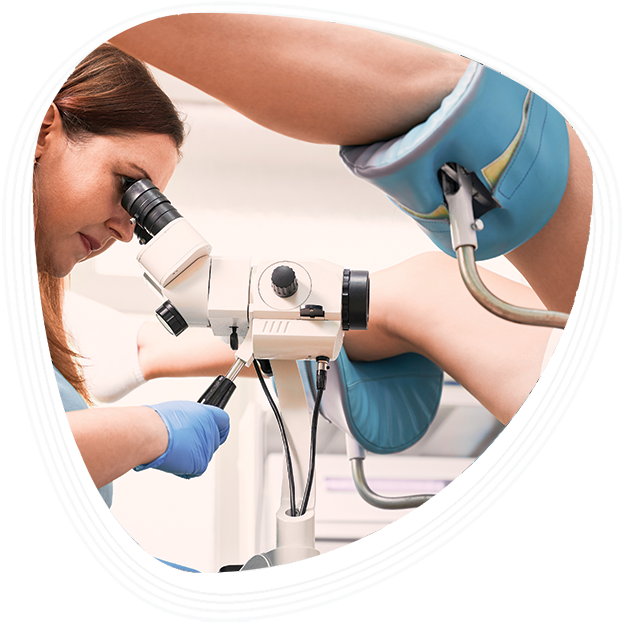
Colposcopy is a well-tolerated outpatient procedure that usually takes 15 to 30 minutes. Here is what patients can expect:
- Positioning and Preparation: The patient lies on an examination couch in a position similar to a routine pelvic exam. A speculum is gently inserted to visualise the cervix, while the colposcope remains outside the body.
- Application of Acetic Acid: A dilute acetic acid solution is applied to the cervix. Abnormal cells temporarily turn white, a reaction known as acetowhitening, which helps identify areas of concern. A mild stinging sensation may be felt briefly.
- Application of Iodine Solution (Schiller’s Test): An iodine solution may be applied after acetic acid. Normal cells absorb the iodine and turn brown, while abnormal cells remain unstained, allowing clearer identification of affected areas.
- Colposcopic Examination: The gynaecologist carefully examines the cervix, vagina, and vulva using magnification to assess the pattern, borders, and blood vessel changes of any abnormal areas.
- Directed Biopsy (If Required): If any suspicious area is identified, a small tissue sample is taken. A local anaesthetic may be used to minimise discomfort. Patients may feel a brief pinching sensation. The sample is sent for laboratory analysis.
- Endocervical Curettage (If Required): In certain cases, a small sample from inside the cervical canal is collected, especially when the area of interest is not fully visible during examination.
Understanding Your Colposcopy Results
Results from the examination and any biopsy are discussed during a follow-up consultation:
- Normal Result: No abnormal areas are detected. Routine cervical screening continues as per recommended guidelines.
- Low-Grade Changes (CIN 1): These are mild cellular changes that often resolve on their own. Regular monitoring with repeat screening is usually advised.
- High-Grade Changes (CIN 2 or CIN 3): These changes carry a higher risk of progression if untreated. Treatment such as loop excision (LLETZ) or cone biopsy may be recommended.
- Invasive Cancer: In rare cases, if cancer is detected, the patient is referred to a specialised oncology team for further evaluation and treatment planning.
Post-Procedure Care
Recovery after colposcopy is usually quick, and most patients can resume normal activities soon after. The following guidance is provided:
- Mild cramping similar to period pain and light spotting for one to two days is common, especially if a biopsy was performed.
- Avoid sexual intercourse, tampons, and swimming for five to seven days after a biopsy to allow proper healing.
- Report any heavy bleeding, fever, severe pelvic pain, or unusual vaginal discharge to the doctor promptly.
- Biopsy results are typically available within two to three weeks, followed by a consultation to discuss findings and next steps.
Top Colposcopy and Related Procedures
- Diagnostic Colposcopy
- Colposcopy With Directed Cervical Biopsy
- Colposcopy With Endocervical Curettage
- Loop Excision of the Transformation Zone (LLETZ)
- Cone Biopsy (Cold Knife Conisation)
- Pap Smear (Cervical Smear Test)
- Liquid-Based Cytology (LBC)
- HPV DNA Testing
- Cervical Punch Biopsy
- Schiller's Test (Iodine Staining)
- Acetic Acid Cervicoscopy
- Colposcopy During Pregnancy
- Cervical Polypectomy
- Laser Ablation of Cervical Lesions
- Cryotherapy for Cervical Lesions
Conditions Diagnosed and Treated Through Colposcopy at Graphic Era Hospital
- Cervical Intraepithelial Neoplasia (CIN) Grade 1
- Cervical Intraepithelial Neoplasia (CIN) Grade 2 and Grade 3
- HPV-Related Cervical Changes
- Cervical Ectropion With Symptomatic Bleeding
- Cervical Cancer (Early Stage)
- Vaginal Intraepithelial Neoplasia (VAIN)
- Vulval Intraepithelial Neoplasia (VIN)
- Abnormal Glandular Cells (AGC) on Cervical Smear
- Recurrent Abnormal Cervical Smears
- Post-Treatment Surveillance After LLETZ or Cone Biopsy
Patient Stories





Blog



World Breastfeeding Week 2026: Common Challenges New Mothers Face and How to Overcome Them






Frequently Asked Questions (FAQs)
Is colposcopy painful?
Colposcopy is generally described as uncomfortable rather than painful. The sensation is similar to a cervical smear, though it may take slightly longer. The application of acetic acid can cause a brief, mild stinging feeling. If a biopsy is required, a local anaesthetic is applied to the cervix, and you may feel a short pinching sensation. Mild cramping after the procedure is common and usually settles within a day or two.
How long does a colposcopy take?
A standard colposcopy typically takes 15 to 20 minutes. If a biopsy is performed, the appointment may extend to around 30 minutes. It is advisable to allow extra time for registration, preparation, and a short rest after the procedure before leaving the clinic.
When will I receive my colposcopy results?
If no biopsy is taken, the gynaecologist usually discusses the findings immediately after the examination. If a biopsy is performed, results are generally available within two to three weeks. A follow-up consultation is then scheduled to explain the findings and discuss the next steps.
Can I drive home after a colposcopy?
Yes, most patients can drive home and resume normal activities the same day, as the procedure does not require sedation or general anaesthesia. However, if you feel discomfort or have had a biopsy, it may be helpful to have someone accompany you.
Can colposcopy be performed during pregnancy?
Yes, colposcopy is considered safe during pregnancy when clinically indicated. Biopsies are usually avoided unless there is a strong suspicion of invasive cancer, as the cervix tends to bleed more easily during pregnancy. In most cases, any abnormal findings are monitored and reviewed after delivery.
What happens if my colposcopy result is abnormal?
Management depends on the type and severity of the abnormality. Low-grade changes are usually monitored with repeat colposcopy and smear tests at regular intervals. High-grade changes, such as CIN 2 or CIN 3, may require treatment through procedures such as LLETZ or a cone biopsy to remove abnormal tissue and reduce the risk of progression to cancer. Your gynaecologist will explain the findings and guide you through the recommended treatment plan.
How can I book a colposcopy appointment at Graphic Era Hospital?
You can book an appointment through the hospital website, call 1800-889-7351, or visit the outpatient department directly. The team will assist you in scheduling a consultation at the earliest available slot.
 Emergency 24×7 : 1800 889 7351