Muscle pain can range from mild soreness after physical activity to persistent or severe discomfort caused by injury, infection, underlying medical conditions, or overuse. While occasional muscle pain often improves with rest and simple home care, pain that is intense, recurrent, or accompanied by swelling, weakness, fever, or difficulty moving may require prompt medical evaluation to identify the underlying cause and prevent complications.
At Graphic Era Hospital, Dehradun, treatment for muscle pain is tailored to its underlying cause and severity. Depending on the diagnosis, management may include medications, physiotherapy, activity modification, treatment of underlying medical conditions, or referral to other specialists when required.
What is Muscle Pain?
Muscle pain, medically known as myalgia, refers to discomfort, soreness, tenderness, or aching that affects one or more muscles in the body. It is a common symptom that can occur due to a variety of reasons, including muscle strain, overuse, injury, viral infections, dehydration, certain medications, or underlying medical conditions. Muscle pain may be localised to a specific area or affect multiple muscle groups throughout the body, depending on the underlying cause.
The severity of muscle pain can vary from mild discomfort that resolves within a few days to persistent pain that interferes with daily activities and quality of life. In some cases, muscle pain may be accompanied by symptoms such as muscle stiffness, swelling, weakness, cramps, reduced range of motion, or fever.

Common Causes of Muscle Pain
Muscle pain can result from a variety of causes, ranging from minor injuries and overuse to infections, medical conditions, and certain medications. Some of the common causes include:
- Muscle Strain or Overuse: One of the most common causes of muscle pain is overstretching or overusing a muscle during sports, exercise, heavy lifting, or repetitive physical activity. This can lead to microscopic tears in the muscle fibres, resulting in pain, stiffness, and tenderness.
- Injuries and Trauma: Falls, road traffic accidents, sports injuries, or direct blows to the muscles can cause pain, swelling, bruising, and reduced movement. More severe injuries may involve muscle tears that require specialised treatment.
- Viral and Bacterial Infections: Viral illnesses such as influenza, COVID-19, dengue, and viral fever commonly cause generalised muscle aches as part of the body's immune response. In some cases, bacterial infections may also contribute to muscle pain and inflammation.
- Dehydration and Electrolyte Imbalances: Inadequate fluid intake or low levels of minerals such as potassium, calcium, or magnesium can affect normal muscle function, leading to cramps, weakness, and muscle pain.
- Certain Medications: Some medicines, including statins used to lower cholesterol and certain antibiotics, may cause muscle pain or weakness as a side effect in some individuals.
- Inflammatory and Autoimmune Disorders: Conditions such as polymyositis, dermatomyositis, lupus, and rheumatoid arthritis can cause persistent muscle pain, inflammation, and weakness that require specialist care.
- Chronic Medical Conditions: Disorders such as fibromyalgia, thyroid disease, vitamin D deficiency, and other metabolic conditions may contribute to ongoing muscle pain or widespread body aches.
- Stress and Muscle Tension: Emotional stress, anxiety, poor posture, and prolonged sitting can lead to continuous muscle tension, particularly in the neck, shoulders, and back, resulting in pain and stiffness.
Types of Muscle Pain
Muscle pain can affect any part of the body, but certain areas are more frequently involved depending on the underlying cause, physical activity, and individual health conditions.
- Calf Muscle Pain: Calf muscle pain is among the most common complaints and often results from muscle strain, overuse during walking or running, dehydration, or electrolyte imbalances. Sudden, sharp calf pain during physical activity may indicate a muscle tear or cramp, while persistent or recurring calf pain should be evaluated to rule out conditions such as deep vein thrombosis (DVT) or nerve-related causes.
- Leg Muscle Pain: Pain affecting the thighs, hamstrings, or the leg as a whole can result from overexertion, sports injuries, muscle fatigue, or poor circulation. In some cases, leg muscle pain may be referred from the lower back due to nerve compression, making accurate diagnosis important before treatment is initiated.
- Back Muscle Pain: Back muscle pain is frequently caused by poor posture, prolonged sitting, incorrect lifting technique, or muscle strain. While most cases are musculoskeletal in origin and respond well to physiotherapy and activity modification, persistent or radiating back pain may require further evaluation to assess for disc-related or nerve involvement.
- Chest Muscle Pain: Pain arising from the chest muscles is often linked to muscle strain from heavy lifting, intense exercise, or repetitive upper body activity. It is important to distinguish chest muscle pain from cardiac or respiratory causes, and any chest pain that is severe, radiates to the arm or jaw, or is accompanied by breathlessness should be assessed immediately.
- Shoulder and Neck Muscle Pain: The neck and shoulder muscles are particularly vulnerable to tension and stiffness caused by stress, prolonged screen time, poor posture, or sudden movements. This type of pain is common among desk workers and often improves with physiotherapy, posture correction, and stress management.
Doctors Available

Dr. Noel Sukhjit Singh
Senior Consultant and Head
Orthopaedics
Experience: 16 Years
Book An Appointment







Why Choose Graphic Era Hospital, Dehradun, for Muscle Pain Treatment

Highly Experienced Orthopaedic Specialists : Muscle pain can arise from a wide range of causes, from minor muscle strains to infections, inflammatory disorders, and musculoskeletal conditions. At Graphic Era Hospital, patients are evaluated by experienced Internal Medicine specialists and Orthopaedic experts who work together to identify the underlying cause and recommend the most appropriate treatment. Where required, specialists from Rheumatology, Neurology, Physiotherapy, and other disciplines are also involved to ensure comprehensive care.

Personalised Treatment Plans : No two cases of muscle pain are exactly alike. Treatment plans are tailored according to the patient’s symptoms, medical history, activity level, lifestyle, and the underlying condition. Depending on the diagnosis, treatment may include medications, physiotherapy, lifestyle modifications, nutritional support, or specialised medical care, with the aim of relieving pain, restoring muscle function, and preventing recurrence.

Multidisciplinary Care for Complex Conditions : Patients with persistent, severe, or unexplained muscle pain benefit from a collaborative approach involving specialists from multiple disciplines. This coordinated care is particularly valuable for individuals with autoimmune diseases, neurological disorders, chronic pain conditions, or injuries requiring rehabilitation.

Signs That Muscle Pain Needs Medical Attention
Muscle pain may require medical evaluation in the following situations:
- Persistent or Worsening Pain: Muscle pain that lasts for more than a few days, keeps returning, or gradually becomes more severe despite rest and home care should be assessed by a doctor.
- Severe Pain Following an Injury: Intense pain after a fall, sports injury, road traffic accident, or heavy lifting may indicate a significant muscle strain, tear, or other musculoskeletal injury requiring medical attention.
- Swelling, Bruising, or Deformity: Noticeable swelling, extensive bruising, or an abnormal appearance of the affected muscle may suggest a more serious injury.
- Difficulty Moving or Muscle Weakness: Inability to move the affected limb normally, difficulty bearing weight, or significant muscle weakness should be evaluated promptly.
- Fever or Signs of Infection: Muscle pain accompanied by fever, chills, redness, warmth, or swelling may indicate an underlying infection that requires medical treatment.
- Numbness or Tingling: Muscle pain associated with numbness, tingling, or loss of sensation may indicate nerve involvement and should not be ignored.
- Dark-Coloured Urine: Severe muscle pain accompanied by dark or cola-coloured urine, particularly after intense exercise or muscle injury, requires immediate medical attention as it may indicate significant muscle damage.
- Unexplained or Widespread Muscle Pain: Generalised muscle pain without an obvious cause, especially when associated with fatigue, weight loss, joint pain, or other persistent symptoms, should be medically evaluated to identify any underlying condition.
Top Muscle Pain Investigations and Treatments
Investigations
- Clinical Examination
- Complete Blood Count (CBC)
- Inflammatory Marker Tests (ESR and CRP)
- Creatine Kinase (CK) Test
- Electrolyte Profile
- Thyroid Function Tests
- Vitamin D and Vitamin B12 Tests
- X-ray (when bone or joint injury is suspected)
- Ultrasound for Soft Tissue Injuries
- MRI Scan for Muscle Tears and Soft Tissue Disorders
- Electromyography (EMG) and Nerve Conduction Studies (when nerve involvement is suspected)
Treatments
- Medical Management for Muscle Pain
- Pain-Relieving and Anti-Inflammatory Medications
- Muscle Relaxants (when indicated)
- Physiotherapy and Rehabilitation
- Stretching and Strengthening Exercises
- Intravenous (IV) Fluid Therapy (for dehydration or muscle injury when required)
- Treatment of Underlying Medical Conditions
- Nutritional Support and Correction of Vitamin Deficiencies
- Image-Guided Interventional Pain Management (when indicated)
- Multidisciplinary Management for Chronic Muscle Pain
Muscle Pain Treatment at Graphic Era Hospital: From Diagnosis to Recovery
At Graphic Era Hospital, the management of muscle pain follows a structured approach that begins with identifying the underlying cause and continues through treatment, rehabilitation, and follow-up care. The focus is not only on relieving pain but also on restoring muscle strength, improving mobility, and reducing the likelihood of recurrence.
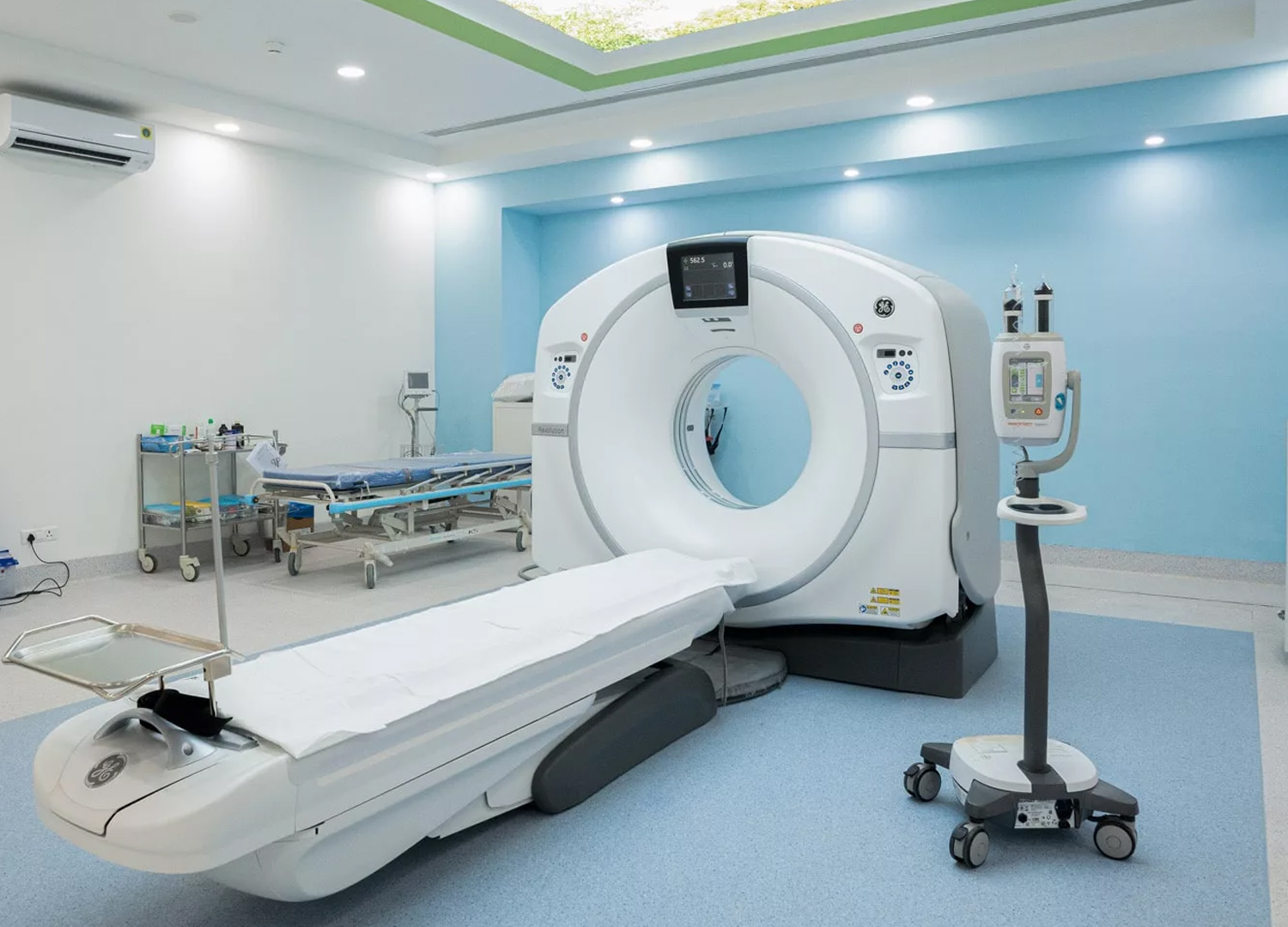
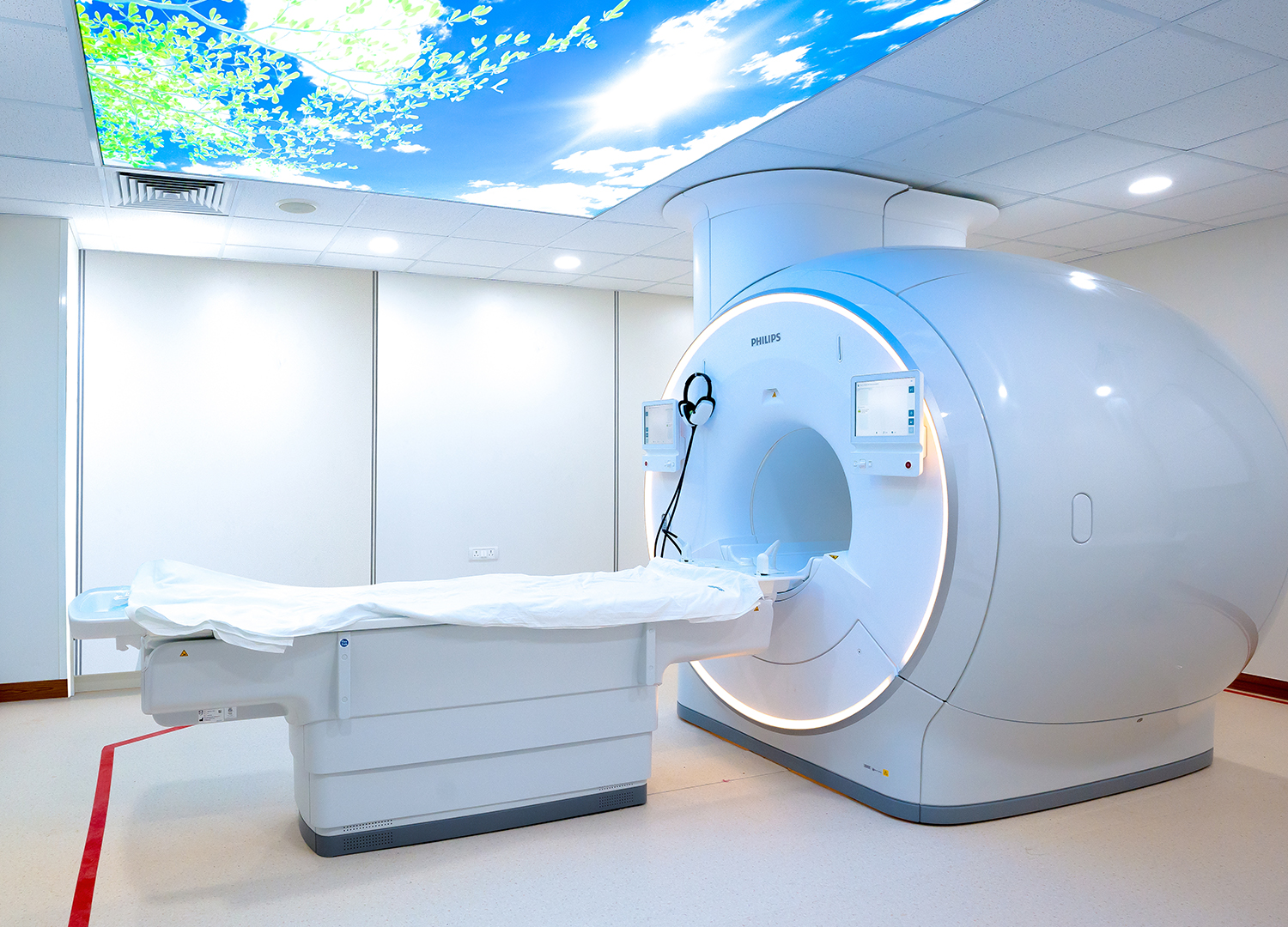
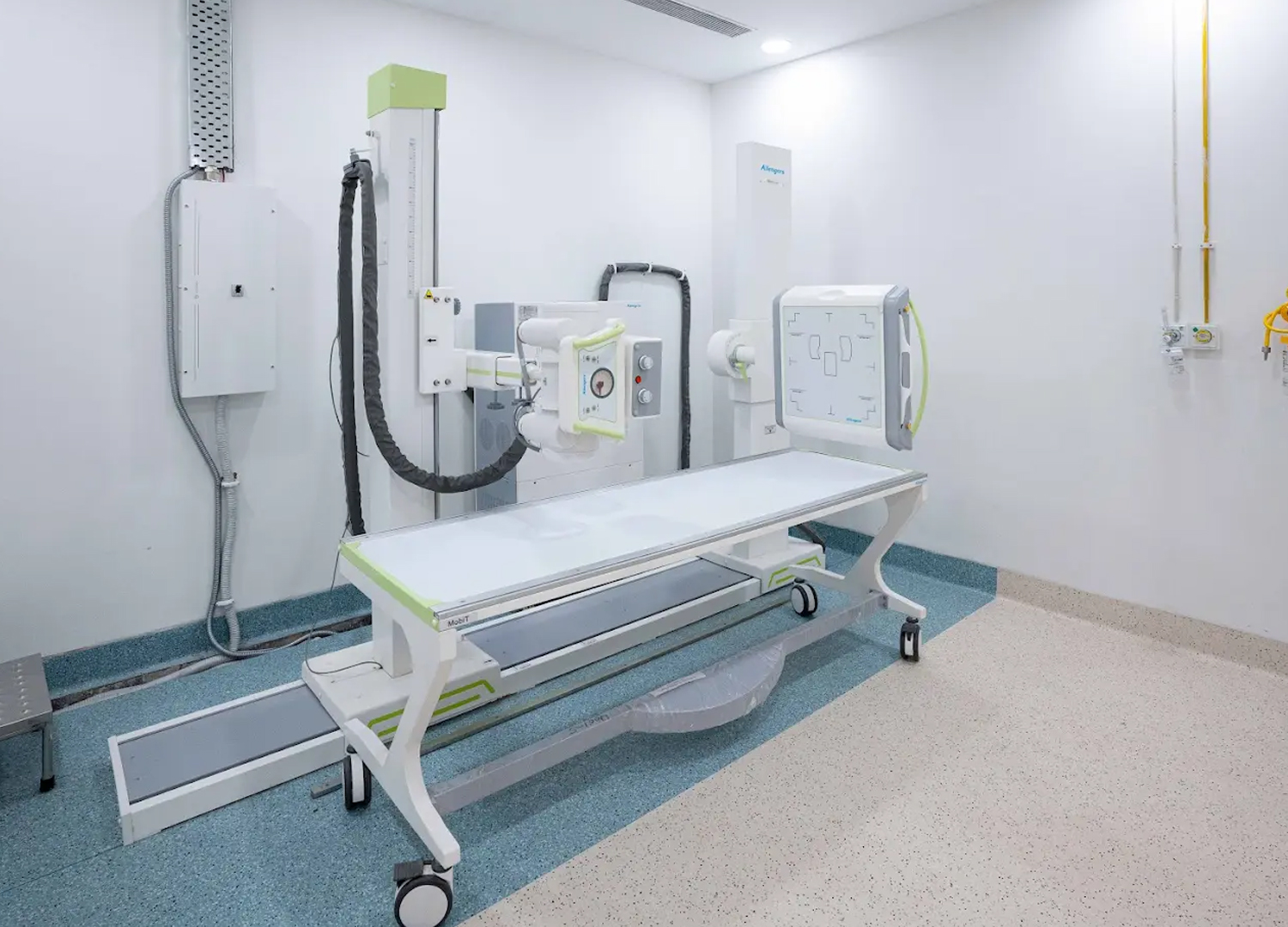
Advanced Diagnostics & Technology
- Offers high-resolution imaging for detailed blood vessel analysis, aiding in accurate diagnosis and treatment planning.
- Delivers advanced imaging with high resolution for clear, detailed views of soft tissues, ensuring precise diagnostics.
- Provides high-quality, detailed radiographic images for accurate diagnosis with minimal exposure to radiation.
Other Specialities


Patient Stories





Blog




Inflammatory Arthritis Explained: From Symptoms to Management

Understanding Frozen Shoulder: Causes, Symptoms, and Treatments

Frequently Asked Questions (FAQs)
Can muscle pain be a sign of an underlying medical condition?
Yes. While muscle pain is often caused by overuse, minor injuries, or muscle strain, it can sometimes indicate an underlying medical condition such as a viral infection, autoimmune disorder, thyroid disease, vitamin deficiency, or neurological condition.
What is the difference between muscle pain and joint pain?
Muscle pain affects the muscles and is often felt as soreness, aching, stiffness, or tenderness, particularly during movement or after physical activity. Joint pain originates from the joints, such as the knees, shoulders, hips, or elbows, and may be associated with swelling, stiffness, reduced range of motion, or pain during joint movement. A medical evaluation can help determine the source of the pain and guide appropriate treatment.
When should I visit an orthopedics hospital in Dehradun for muscle pain?
Medical evaluation at an orthopedics hospital is recommended if muscle pain is severe, follows an injury, persists despite rest, keeps recurring, or is associated with swelling, weakness, or difficulty moving. At Graphic Era Hospital, specialists determine the cause of the pain and recommend the most appropriate treatment based on the diagnosis.
How is muscle pain diagnosed?
The diagnosis begins with a detailed medical history and physical examination. Depending on the suspected cause, the doctor may recommend blood tests, X-rays, ultrasound, MRI scans, or specialised investigations such as electromyography (EMG) or nerve conduction studies to identify the underlying condition.
What is the best treatment for muscle pain?
The most appropriate treatment depends on the underlying cause of the pain. Mild muscle pain may improve with rest, medications, hydration, and physiotherapy, while persistent or severe cases may require treatment for an underlying medical condition, rehabilitation, or specialised medical care.
Can muscle pain be treated at home?
Many cases of mild muscle pain caused by overuse or minor strain can be managed at home with adequate rest, hydration, gentle stretching, and medications recommended by a doctor. However, persistent, worsening, or unexplained muscle pain should always be medically evaluated.
Can dehydration cause muscle pain?
Yes. Dehydration and electrolyte imbalances can interfere with normal muscle function, leading to muscle cramps, stiffness, weakness, and pain. Drinking adequate fluids and maintaining proper electrolyte balance can help reduce the risk.
Can sports injuries cause muscle pain?
Sports injuries are among the common causes of muscle pain, particularly in active individuals and athletes. Strains, tears, and overuse injuries can affect any muscle group and may require physiotherapy, rehabilitation, or specialist evaluation depending on the severity.
Can stress cause muscle pain?
Yes. Emotional stress and anxiety can cause prolonged muscle tension, particularly in the neck, shoulders, and back, leading to pain, stiffness, and discomfort. Stress management techniques, regular exercise, and maintaining good posture may help relieve these symptoms.
Which doctor should I consult for muscle pain in Dehradun?
The appropriate specialist depends on the symptoms and underlying cause of the muscle pain. At Graphic Era Hospital, patients are usually evaluated by an Internal Medicine or Orthopaedic specialist, who can diagnose the condition and recommend treatment or refer to another specialist if required.
Can muscle pain be prevented?
Although not all cases can be prevented, the risk can be reduced by warming up before exercise, stretching regularly, maintaining proper posture, staying physically active, avoiding overuse, drinking adequate fluids, and following a balanced diet that supports muscle health.
How do I book an appointment at Graphic Era Hospital for muscle pain treatment?
You can book an appointment online through the hospital website or call 1800-889-7351 for assistance. Patients who are unable to visit the hospital may also schedule a virtual consultation for initial assessment and medical guidance.