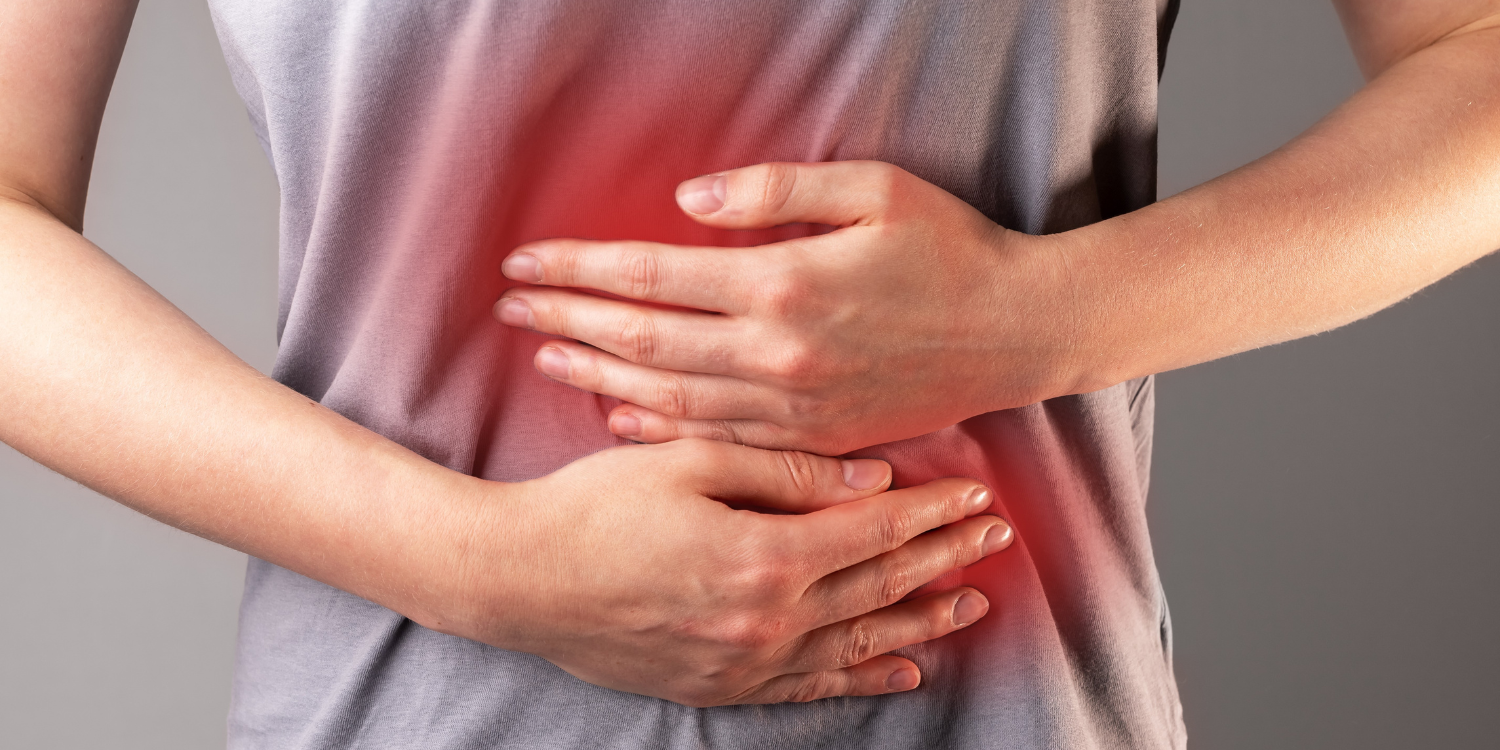
Gastroenteritis is an inflammation of the stomach and intestines that commonly causes diarrhoea, vomiting, abdominal cramps, and nausea. It is most often caused by viral, bacterial, or parasitic infections and is commonly spread through contaminated food, water, or close contact with an infected person. While many cases are mild and resolve with adequate hydration and supportive care, severe or prolonged symptoms can lead to dehydration, electrolyte imbalances, and other complications that require prompt medical attention.
At Graphic Era Hospital, Dehradun, gastroenteritis is evaluated to identify its underlying cause, assess the severity of dehydration, and determine the most appropriate treatment approach. Depending on the patient’s condition, treatment may include oral rehydration therapy, intravenous (IV) fluids, medications to relieve symptoms, nutritional support, and targeted treatment for bacterial or parasitic infections when indicated. The focus is on relieving symptoms, preventing complications, restoring hydration, and supporting a safe recovery.
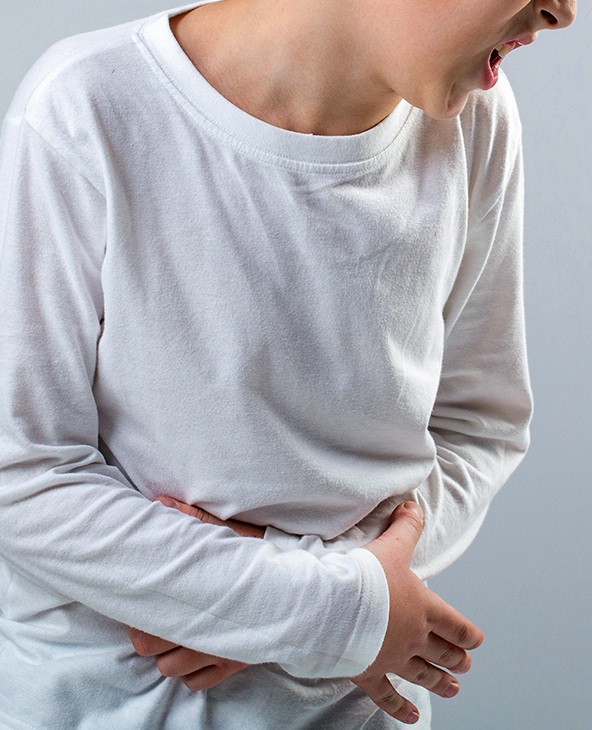
Symptoms of Gastroenteritis
The symptoms of gastroenteritis usually develop within a few hours to a few days after exposure to the infection, depending on the underlying cause. While the severity and duration of symptoms may vary, the condition commonly affects the digestive system and may also cause general symptoms related to dehydration or infection.
Common symptoms of gastroenteritis include:
- Diarrhoea: Frequent loose or watery stools are the most common symptom and may range from mild to severe. In some bacterial infections, the stools may contain blood or mucus.
- Nausea and Vomiting: Many patients experience nausea followed by repeated episodes of vomiting, which can increase the risk of dehydration.
- Abdominal Pain and Cramps: Cramping or discomfort in the abdomen commonly occurs due to inflammation of the stomach and intestines.
- Fever: Viral and bacterial gastroenteritis may be accompanied by a low-grade or high fever, depending on the severity of the infection.
- Loss of Appetite: Reduced appetite is common and may contribute to weakness if symptoms persist.
- Dehydration: Excessive fluid loss through diarrhoea and vomiting can lead to dehydration, causing excessive thirst, dry mouth, dizziness, reduced urine output, dark-coloured urine, and fatigue. Severe dehydration requires urgent medical attention.
- General Weakness and Body Aches: Some patients may also experience fatigue, weakness, headache, or muscle aches, particularly when the illness is caused by a viral infection.
Causes of Gastroenteritis
Gastroenteritis is most commonly caused by infections that inflame the lining of the stomach and intestines. The infection may be acquired through contaminated food or water, close contact with an infected person, or contact with contaminated surfaces. Some non-infectious conditions can also cause gastroenteritis-like symptoms.
Common causes of gastroenteritis include:
- Viral Infections: Viruses are the one of the most common causes of gastroenteritis. Common viruses include norovirus, rotavirus, adenovirus, and astrovirus. Viral gastroenteritis spreads easily in households, schools, daycare centres, and other crowded settings.
- Bacterial Infections: Bacteria such as Salmonella, Escherichia coli (E. coli), Campylobacter, Shigella, and Vibriospecies can cause gastroenteritis, often through contaminated food, water, or improperly cooked meat, eggs, seafood, and unpasteurised dairy products.
- Parasitic Infections: Parasites such as Giardia lamblia, Entamoeba histolytica, and Cryptosporidium may cause gastroenteritis, particularly after consuming contaminated water or food or travelling to areas with poor sanitation.
- Food Toxins: Gastroenteritis-like symptoms may also develop after consuming food contaminated with toxins produced by certain bacteria, such as Staphylococcus aureus or Bacillus cereus. Symptoms often begin within a few hours of eating contaminated food.
Note - Some non-infectious conditions can cause symptoms similar to gastroenteritis, without an underlying infection. These include certain medications, such as antibiotics,chemotherapy drugs, and NSAIDs, which may irritate the digestive tract, as well as lactose intolerance, excessive alcohol consumption, or exposure to certain chemicals and toxins.
Risk Factors for Gastroenteritis
Certain factors can increase the likelihood of developing gastroenteritis or experiencing more severe illness.
Common risk factors include:
- Young Children and Older Adults: Infants, young children, and older adults are more susceptible to gastroenteritis and are at a higher risk of dehydration and related complications.
- Weakened Immune System: Individuals with weakened immunity due to chronic illnesses, HIV infection, cancer treatment, organ transplantation, or immunosuppressive medications are more vulnerable to gastrointestinal infections.
- Poor Hand Hygiene: Inadequate handwashing after using the toilet, changing diapers, or before preparing or eating food increases the risk of acquiring and spreading infections.
- Living or Working in Crowded Environments: Schools, daycare centres, hostels, nursing homes, and other shared living spaces facilitate the spread of viruses and bacteria that cause gastroenteritis.
- Travelling to Areas with Poor Sanitation: Travellers may be at increased risk of exposure to infectious organisms due to unsafe food, contaminated drinking water, or inadequate sanitation.
- Chronic Medical Conditions: Conditions such as diabetes, chronic kidney disease, or inflammatory bowel disease may increase the risk of severe illness and delay recovery.
- Poor Food Handling Practices: Improper food storage, inadequate cooking, and cross-contamination during food preparation increase the risk of exposure to disease-causing organisms.
Diagnosis of Gastroenteritis
The diagnosis of gastroenteritis is primarily based on the patient's symptoms, medical history, and physical examination. In many cases, additional investigations are not required, particularly when symptoms are mild and resolve within a few days. However, patients with severe illness, persistent symptoms, dehydration, or suspected bacterial or parasitic infections may require further evaluation to identify the underlying cause and guide treatment.
Medical History and Symptom Assessment
The doctor reviews the onset, duration, and severity of diarrhoea, vomiting, abdominal pain, and fever. Information about recent travel, consumption of contaminated food or water, contact with infected individuals, existing medical conditions, medications, and signs of dehydration also helps determine the likely cause of the illness.
Physical Examination
A physical examination is performed to assess the patient's overall condition and identify signs of dehydration, abdominal tenderness, fever, low blood pressure, rapid heart rate, or other complications that may require immediate treatment.
Laboratory Investigations
Blood tests may be recommended to evaluate dehydration, electrolyte imbalances, kidney function, or signs of infection, particularly in patients with severe or prolonged symptoms.
Stool Tests
Stool analysis or stool culture may be advised when diarrhoea is severe, bloody, persistent, occurs after recent travel, or when a bacterial or parasitic infection is suspected. These tests help identify the causative organism and determine whether specific treatment is required.
Treatment of Gastroenteritis at Graphic Era Hospital
The treatment of gastroenteritis depends on the underlying cause, the severity of symptoms, and the degree of dehydration. While many cases improve with supportive care, patients with significant dehydration, persistent symptoms, or bacterial or parasitic infections may require medical treatment. At Graphic Era Hospital, treatment is individualised to relieve symptoms, restore hydration, correct electrolyte imbalances, and manage the underlying cause.
Oral Rehydration Therapy
Replacing lost fluids and electrolytes is the cornerstone of gastroenteritis treatment. Patients with mild to moderate dehydration are usually advised to drink oral rehydration solution (ORS) and maintain adequate fluid intake throughout recovery.
Intravenous (IV) Fluids
Patients with severe dehydration, persistent vomiting, inability to tolerate oral fluids, or significant electrolyte disturbances may require intravenous fluids to rapidly restore hydration and stabilise their condition.
Medications
Depending on the patient's symptoms, medications may be prescribed to control nausea and vomiting, reduce fever, or relieve abdominal discomfort. Antibiotics are recommended only when a bacterial infection is confirmed or strongly suspected, while antiparasitic medications may be prescribed for parasitic infections.
Nutritional Support
Patients are encouraged to resume eating as soon as they can tolerate food. Easily digestible meals and adequate fluid intake help support recovery and reduce the risk of dehydration.
Hospitalisation for Severe Cases
Hospital admission may be required for patients with severe dehydration, persistent vomiting, significant electrolyte imbalance, high-risk medical conditions, or complications that require close monitoring and specialised medical care.
Doctors Available

Dr. Sachin Dev Munjal
Senior Consultant and Head
Gastroenterology, Hepatology and Advanced Endoscopy
Experience: 15 Years
Book An Appointment
Why Choose Graphic Era Hospital, Dehradun, for Gastroenteritis Treatment

Experienced Gastroenterologists and Internal Medicine Specialists : Patients with gastroenteritis are evaluated by experienced Gastroenterologists and Internal Medicine specialists who work together to identify the underlying cause and recommend the most appropriate treatment. Depending on the patient’s condition, other specialists may also be involved to ensure comprehensive care.

Comprehensive Diagnostic Facilities : Accurate diagnosis plays an important role in effective treatment. The hospital offers access to advanced laboratory investigations, including blood tests and stool analysis, to identify the cause of gastroenteritis and assess dehydration, electrolyte imbalance, or other complications.

Personalised Treatment Plans : Treatment is tailored according to the patient’s age, symptoms, underlying cause, severity of dehydration, and overall health. Depending on the diagnosis, care may include oral rehydration therapy, intravenous fluids, medications, nutritional support, or treatment for bacterial or parasitic infections.
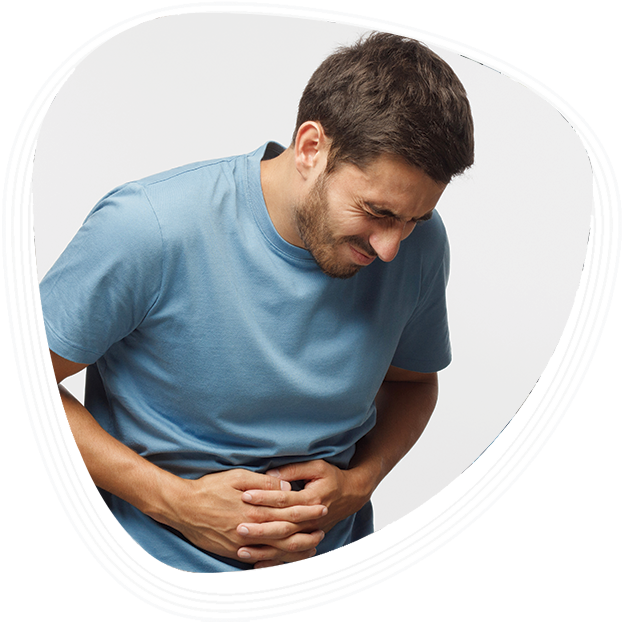
Complications of Gastroenteritis
Most people recover from gastroenteritis without long-term health problems. However, severe or untreated cases, particularly in young children, older adults, and individuals with weakened immune systems, can lead to complications that require medical attention.
Dehydration
Dehydration is the most common complication of gastroenteritis and results from excessive fluid loss due to diarrhoea and vomiting. If left untreated, severe dehydration can affect normal body functions and may require intravenous fluid therapy.
Electrolyte Imbalances
Significant loss of fluids can also lead to imbalances in electrolytes such as sodium and potassium. This may cause weakness, muscle cramps, dizziness, irregular heartbeat, or, in severe cases, neurological complications.
Acute Kidney Injury
Severe dehydration can reduce blood flow to the kidneys, leading to temporary kidney dysfunction. Prompt fluid replacement usually prevents this complication, but delayed treatment may require hospitalisation.
Persistent or Severe Infection
Some bacterial or parasitic infections may cause prolonged diarrhoea, blood in the stool, or widespread infection, particularly in individuals with weakened immunity. These cases may require targeted medical treatment and close monitoring.
Malnutrition
Persistent diarrhoea and vomiting can interfere with the absorption of nutrients and reduce food intake, increasing the risk of malnutrition, especially in children, older adults, and patients with prolonged illness.
Top Gastroenteritis Investigations and Treatments
Investigations
- Clinical Examination
- Blood Tests
- Complete Blood Count (CBC)
- Electrolyte Profile
- Kidney Function Tests (KFT)
- Stool Routine and Microscopy
- Stool Culture (when indicated)
- Stool Tests for Parasites (when indicated)
Treatments
- Oral Rehydration Therapy (ORS)
- Intravenous (IV) Fluid Therapy
- Medications for Nausea and Vomiting
- Medications to Control Fever
- Electrolyte Replacement Therapy
- Antibiotic Therapy (when indicated)
- Antiparasitic Treatment (when indicated)
- Nutritional Support
- Inpatient Care for Severe Gastroenteritis
- Management of Dehydration and Related Complications
Prevention of Gastroenteritis
Although not all cases of gastroenteritis can be prevented, adopting good hygiene practices and following safe food and water precautions can significantly reduce the risk of infection.
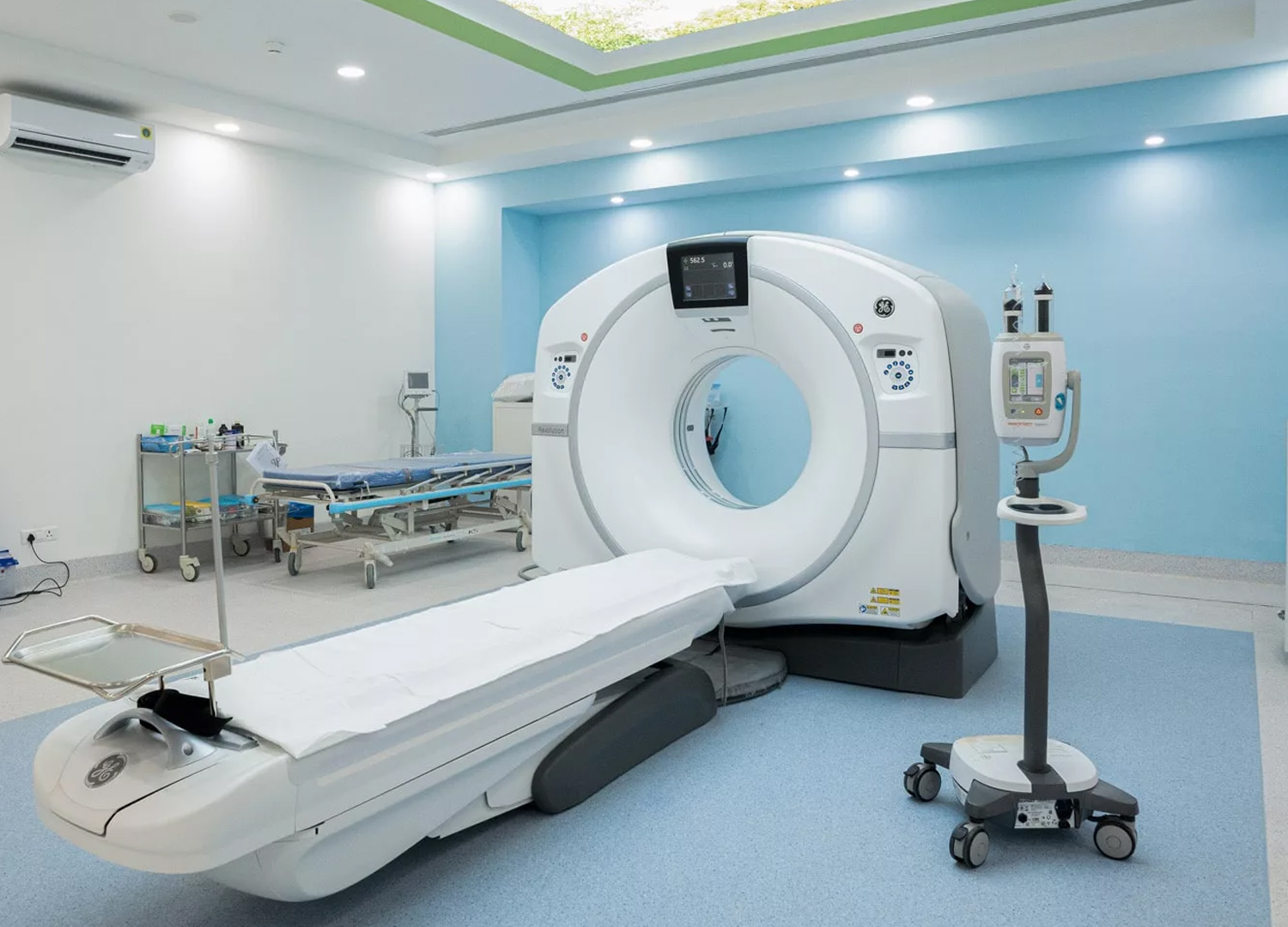
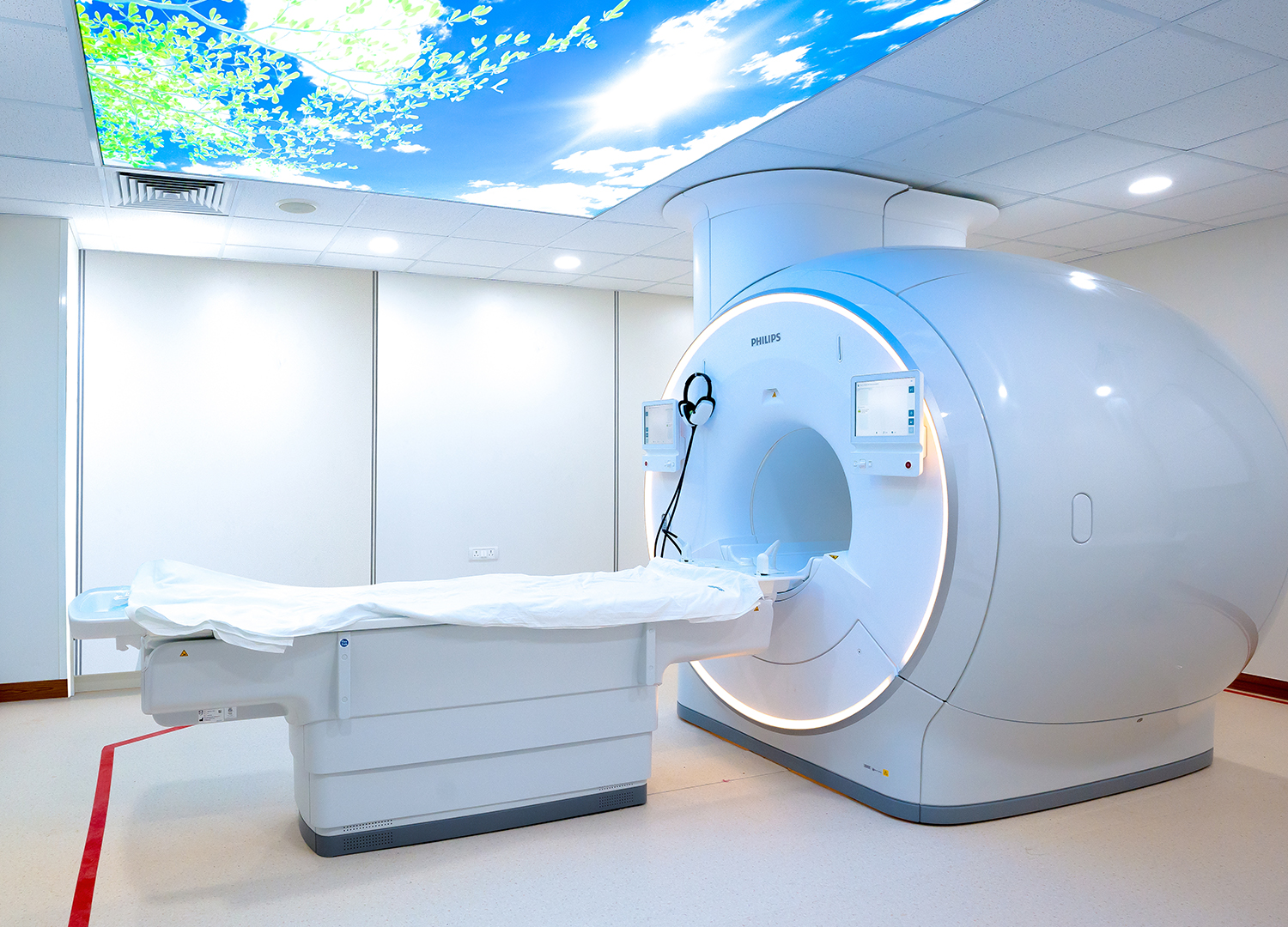
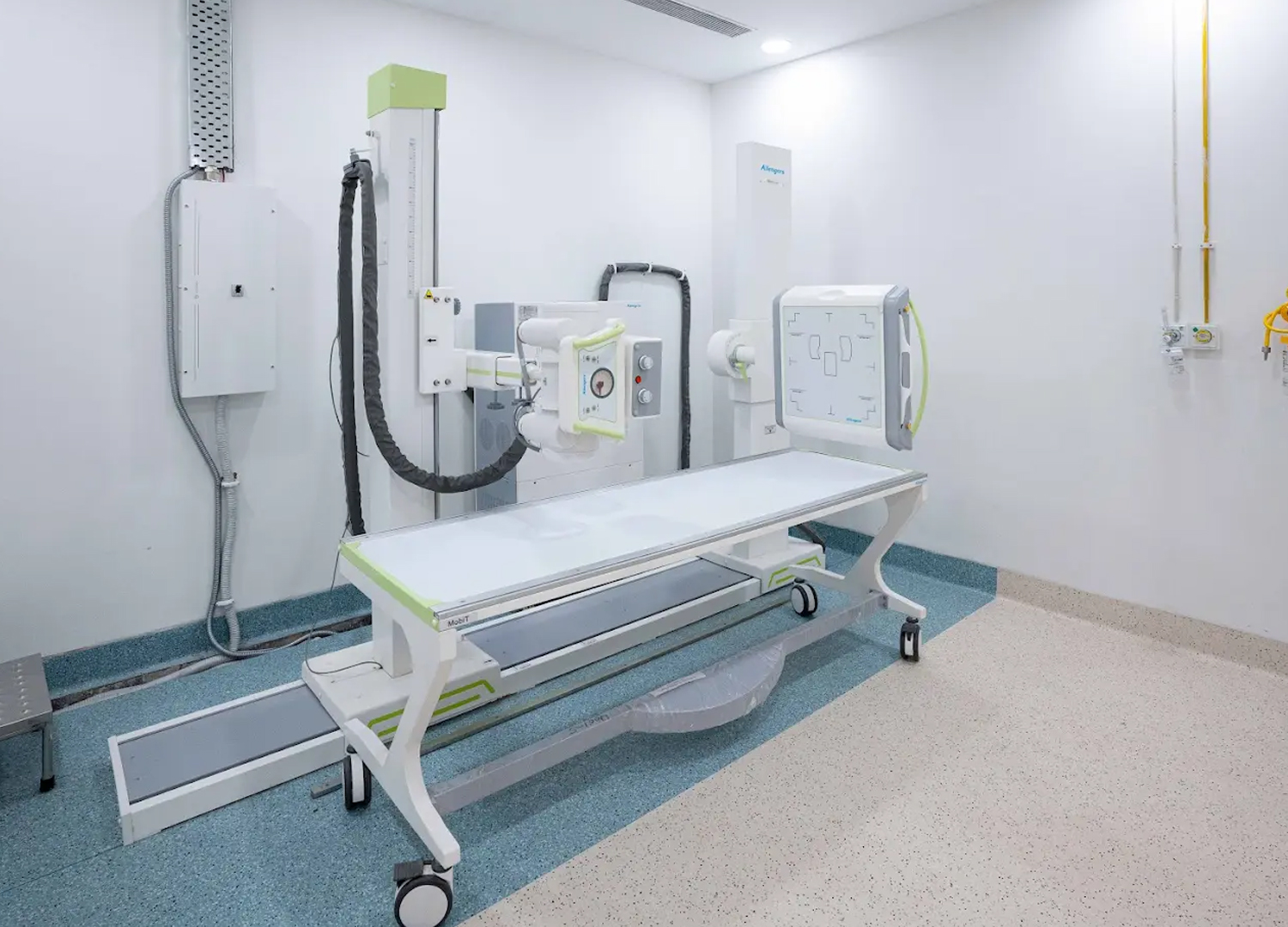
Advanced Diagnostics & Technology
- Offers high-resolution imaging for detailed blood vessel analysis, aiding in accurate diagnosis and treatment planning.
- Delivers advanced imaging with high resolution for clear, detailed views of soft tissues, ensuring precise diagnostics.
- Provides high-quality, detailed radiographic images for accurate diagnosis with minimal exposure to radiation.
Other Specialities


Patient Stories





Blog



Frequently Asked Questions (FAQs)
What is the difference between food poisoning and gastroenteritis?
Food poisoning is an illness caused by consuming food or beverages contaminated with harmful bacteria, viruses, parasites, or toxins. Gastroenteritis refers to inflammation of the stomach and intestines that can result from food poisoning as well as person-to-person infections, contaminated water, or other infectious causes. While the symptoms of both conditions are similar, including diarrhoea, vomiting, abdominal cramps, and nausea, the underlying cause and appropriate treatment may differ.
How long does gastroenteritis usually last?
Most cases of viral gastroenteritis improve within 1 to 3 days, although some symptoms may last for up to a week. Bacterial or parasitic gastroenteritis may persist for longer, depending on the underlying cause and whether specific treatment is required. Medical evaluation is recommended if symptoms are severe, worsen, or do not improve within a few days.
Is gastroenteritis contagious?
Yes. Gastroenteritis caused by viruses, bacteria, or parasites can spread from person to person through contaminated food or water, close contact with an infected individual, or contact with contaminated surfaces. Practising good hand hygiene and avoiding the sharing of food, utensils, or personal items can help reduce the risk of transmission.
Can gastroenteritis be treated at home?
Many cases of mild gastroenteritis can be managed at home with adequate rest, oral rehydration solution (ORS), sufficient fluid intake, and a light, easily digestible diet. However, medical attention is recommended if there is persistent vomiting, severe diarrhoea, blood in the stool, signs of dehydration, high fever, or symptoms that do not improve.
How long does gastroenteritis usually last?
Most cases of gastroenteritis resolve on their own within 1–3 days. Viral gastroenteritis, the most common type, typically clears up within 48–72 hours. Bacterial gastroenteritis may last slightly longer — anywhere from 3 to 7 days depending on the cause and the individual’s immunity.
How is gastroenteritis diagnosed?
In most mild cases, a doctor diagnoses gastroenteritis based on symptoms and medical history alone — no tests are needed. If symptoms are severe or prolonged, the doctor may recommend a stool test to identify the causative bacteria, virus, or parasite. Blood tests may also be advised to check for dehydration or signs of infection.
What is the best treatment for gastroenteritis?
There is no single medication that cures gastroenteritis — treatment is largely supportive. The priority is rest and rehydration. Oral rehydration solutions (ORS) help replace lost fluids and electrolytes. Anti-nausea or anti-diarrhoeal medications may be prescribed in some cases, but antibiotics are only used when a bacterial cause is confirmed. Most cases resolve without prescription medication.
When should I see a doctor for gastroenteritis?
Consult a doctor if you experience any of the following:
- Symptoms lasting more than 3 days without improvement
- Signs of severe dehydration — extreme thirst, no urination, sunken eyes, dizziness
- Blood in stool or vomit
- High fever (above 39°C)
- Symptoms in infants, elderly individuals, or those with a weakened immune system
What foods should I eat during gastroenteritis recovery?
Start with bland, easy-to-digest foods once you can tolerate eating. The BRAT diet is commonly recommended — Bananas, Rice, Applesauce, and Toast. Plain crackers, boiled potatoes, and clear broths are also gentle on the stomach. Avoid dairy products, fatty or fried foods, caffeine, alcohol, and anything spicy until you have fully recovered.
How can I prevent dehydration caused by gastroenteritis?
Dehydration is the biggest risk with gastroenteritis, especially in children and the elderly. To prevent it:
- Sip water, clear broths, or ORS frequently in small amounts rather than drinking large quantities at once
- Avoid sugary drinks, sodas, and fruit juices as they can worsen diarrhoea
- Coconut water can help replenish electrolytes naturally
- If vomiting makes it difficult to keep fluids down, try ice chips or small sips every few minutes
- Seek medical attention if you are unable to keep any fluids down for more than 24 hours
What is the difference between food poisoning and gastroenteritis?
Food poisoning and gastroenteritis share similar symptoms, nausea, vomiting, and diarrhoea, but differ in cause and onset. Food poisoning stems specifically from contaminated food and strikes within hours of eating. Gastroenteritis has a broader range of triggers including viruses and parasites, with symptoms developing over 1 to 3 days.
The other key difference is transmission. Food poisoning is not contagious, gastroenteritis can spread person to person through close contact. Clinically, food poisoning is a subset of gastroenteritis, but the distinction matters when tracing the source and preventing further spread.
What foods should I eat during gastroenteritis recovery?
During recovery, easily digestible foods such as rice, bananas, applesauce, toast, plain crackers, boiled potatoes, curd, and khichdi are generally well tolerated. Adequate fluid intake and oral rehydration solution (ORS) are also important to replace lost fluids and electrolytes. Spicy, oily, high-fat foods, alcohol, and caffeinated beverages should be avoided until symptoms resolve.
Where can I get gastroenteritis treatment near me in Dehradun?
Patients seeking gastroenteritis treatment in Dehradun can consult the specialists at Graphic Era Hospital. The hospital provides comprehensive evaluation, diagnostic investigations, treatment for dehydration and infections, and emergency care for patients with severe or complicated gastroenteritis. Appointments can be booked online through the hospital website or by calling 1800-889-7351.