Chimeric Antigen Receptor (CAR) T-cell therapy is an advanced form of immunotherapy used to treat certain types of blood cancers, particularly when the disease has not responded adequately to conventional treatments or has relapsed after treatment. The procedure involves collecting a patient’s own T-cells and genetically modifying them in a specialised laboratory to express a Chimeric Antigen Receptor (CAR) that enables them to identify specific cancer cells. The modified cells are then infused back into the body, where they help target and destroy cancer cells.
At Graphic Era Hospital, Dehradun, CAR T-cell therapy is delivered through a multidisciplinary approach involving haematology, medical oncology, critical care, and supportive care specialists. From detailed evaluation and treatment planning to infusion and post-treatment monitoring, our team focuses on providing comprehensive care tailored to each patient’s condition and treatment needs.
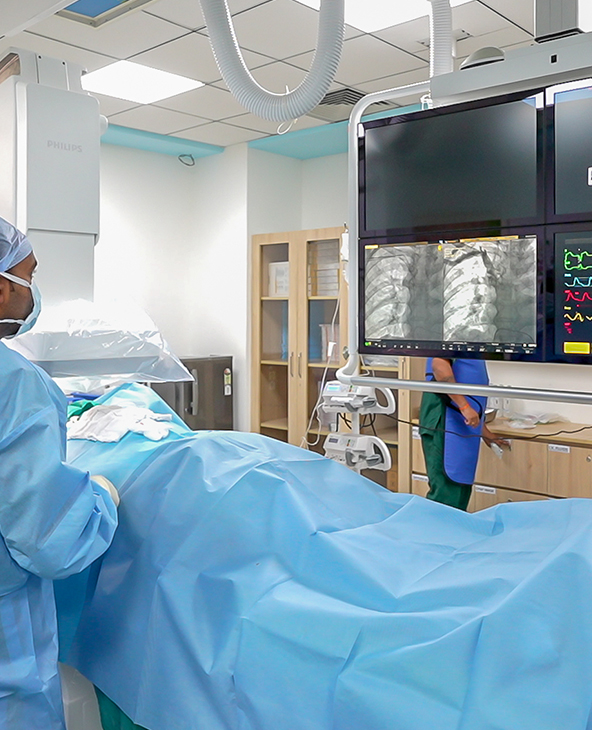
When is CAR T-Cell Therapy Recommended?
Not every patient with blood cancer is a suitable candidate for CAR T-cell therapy. Eligibility is determined after a detailed assessment of the cancer type, disease status, previous treatments, overall health, and individual treatment goals. CAR T-cell therapy treatment is commonly recommended in the following situations:
- Relapsed Acute Lymphoblastic Leukaemia (ALL): CAR T-cell therapy is used when acute lymphoblastic leukaemia returns after an initial response to treatment.
- Refractory Acute Lymphoblastic Leukaemia (ALL): Patients whose leukaemia does not respond adequately to standard treatment may be considered for CAR T-cell therapy.
- Diffuse Large B-Cell Lymphoma (DLBCL): CAR T-cell therapy for lymphoma is an established treatment option for selected patients with relapsed or refractory diffuse large B-cell lymphoma.
- Follicular Lymphoma: CAR T-cell therapy is used in selected patients with follicular lymphoma that has returned after treatment or has not responded adequately to previous therapies.
- High-Grade B-Cell Lymphoma: Patients with certain aggressive B-cell lymphomas that continue to progress despite treatment may be considered for CAR T-cell therapy.
- Mantle Cell Lymphoma: CAR T-cell therapy is an important treatment option for selected patients whose disease has returned or progressed after previous treatment.
- Primary Mediastinal Large B-Cell Lymphoma (PMBCL): Selected patients with relapsed or refractory primary mediastinal large B-cell lymphoma may be eligible for CAR T-cell therapy.
- Multiple Myeloma: CAR T-cell therapy is an important treatment option for selected patients with relapsed or refractory multiple myeloma, particularly after multiple previous lines of treatment.
- Failure of Conventional Treatments: CAR T-cell therapy is considered when treatments such as chemotherapy, targeted therapy, immunotherapy, or stem cell transplantation do not achieve the desired response.
Schedule Your Appointment with
Our Expert Doctors
We are dedicated to driving lasting, positive transformation in healthcare management through innovation and patient-centered solutions.
Things to Know Before CAR T-Cell Therapy
Learning that a loved one may need CAR T-cell therapy can naturally raise questions and concerns. Understanding what to expect before treatment begins can help patients and their families prepare for the journey ahead. Here are some important things to know before CAR T-cell therapy:
- A detailed evaluation is performed to assess the type of cancer, its current status, previous treatments, and overall health before determining whether CAR T-cell therapy is an appropriate treatment option.
- Blood tests and other laboratory investigations are carried out to assess blood counts, organ function, and overall fitness for treatment.
- Bone marrow evaluation, PET scans, CT scans, MRI scans, and other imaging studies are performed when required to assess disease extent and support treatment planning.
- Inform your doctor about all medicines, supplements, herbal products, and ongoing treatments. Certain medications may need to be reviewed or adjusted before treatment begins.
- Not every patient with blood cancer is suitable for CAR T-cell therapy. The treatment team will carefully assess eligibility based on the type of cancer, treatment history, disease status, and overall health.
- CAR T-cell therapy involves several stages, including T-cell collection, laboratory modification of the cells, infusion, and post-treatment monitoring. Since the cells must be specially processed before infusion, the overall treatment process usually takes several weeks.
- The treating team will explain the expected treatment timeline, potential benefits, possible side effects, and any alternative treatment options before proceeding.
- Patients generally require close monitoring during and after treatment. The healthcare team will discuss hospital stay requirements, follow-up care, and monitoring expectations before therapy begins.
- Arrange for a family member or caregiver to provide support during the treatment and recovery period. Ongoing assistance may be required during follow-up visits and post-treatment monitoring.
CAR T-Cell Therapy vs Chemotherapy: Understanding the Difference
CAR T-cell therapy and chemotherapy are both used in the treatment of cancer, particularly blood cancers. While both aim to control or eliminate cancer, they work in very different ways and are recommended at different stages of treatment. The table below highlights some of the key differences between these two approaches.
|
Feature |
CAR T-Cell Therapy |
Chemotherapy |
|
How it Works |
Uses modified immune cells to identify and attack cancer cells. |
Uses medicines that destroy rapidly dividing cells. |
|
Treatment Type |
Personalised immunotherapy. |
Systemic cancer treatment. |
|
Cell Source |
Uses the patient's own T-cells, which are collected and modified in a specialised laboratory. |
Does not involve collecting or modifying immune cells. |
|
Targeting |
Designed to recognise specific targets on cancer cells. |
Affects cancer cells and some healthy rapidly dividing cells. |
|
Common Use |
Used for selected blood cancers, including certain types of leukaemia, lymphoma, and multiple myeloma. |
Used across a wide range of cancer types and treatment settings. |
|
Treatment Process |
Involves cell collection, laboratory modification, and infusion of the modified cells. |
Usually administered through intravenous infusions, injections, or oral medicines. |
Both CAR T-cell therapy and chemotherapy play important roles in cancer treatment. The most appropriate approach depends on the type of cancer, previous treatments, overall health, and individual treatment goals. A detailed evaluation by the treating team helps determine which treatment option is most suitable for each patient.
How is CAR T-Cell Therapy Performed?
At Graphic Era Hospital, each CAR T-cell therapy treatment is carefully planned and delivered by experienced specialists to ensure safe and effective care. The therapy is carried out under close medical supervision and follows a structured, step-by-step approach to maximise treatment effectiveness and patient safety. The CAR T-cell therapy procedure generally involves the following steps:
- Pre-Treatment Assessment: Before treatment begins, a detailed evaluation is performed to confirm eligibility for CAR T-cell therapy, assess overall health, review previous treatments, and conduct necessary tests such as blood work, imaging studies, and organ function assessments. This stage also includes screening for infections and determining whether the patient is suitable for treatment.
- T-Cell Collection (Leukapheresis): T-cells are collected from the patient's blood through a specialised procedure called leukapheresis. During this process, blood is passed through a machine that separates and collects the required immune cells before returning the remaining blood components to the body. The procedure typically takes a few hours and does not require surgery.
- CAR T-Cell Manufacturing: The collected T-cells are sent to a specialised laboratory, where they are genetically modified to produce chimeric antigen receptors (CARs). These receptors enable the modified cells to recognise and target specific cancer cells. The cells are then expanded in large numbers over a period of several weeks before being prepared for infusion.
- Lymphodepleting Chemotherapy: Before the modified cells are infused, patients usually receive a short course of lymphodepleting chemotherapy. This treatment reduces existing immune cells and creates a more favourable environment for the CAR T-cells to expand, persist, and function effectively after infusion.
- CAR T-Cell Infusion: Once the modified cells are ready, they are infused back into the patient's bloodstream through an intravenous line. The infusion itself is generally similar to receiving other intravenous treatments and is performed under close medical supervision.
- Monitoring After Infusion: Patients are monitored closely after treatment to assess response and identify any side effects that require medical attention. Monitoring includes observation for complications such as cytokine release syndrome (CRS) and neurological side effects, along with regular clinical assessments, blood tests, and follow-up evaluations. Patients are advised to stay near the hospital for a period of time to ensure prompt management of any adverse effects.
Why Choose Graphic Era Hospital for CAR T-Cell Therapy in Dehradun?

Experienced Haematology and Oncology Specialists : CAR T-cell therapy requires careful patient selection, treatment planning, and ongoing monitoring. At Graphic Era Hospital, patients are cared for by experienced specialists in haematology and medical oncology with expertise in the management of complex blood cancers. Every patient undergoes a detailed evaluation to determine whether CAR T-cell therapy is the most appropriate treatment option based on their diagnosis, previous treatments, and overall health.

Advanced Cancer Care and Monitoring Infrastructure : Successful CAR T-cell therapy treatment depends on more than the infusion itself. Patients require detailed pre-treatment assessment, specialised monitoring, and timely management of treatment-related complications. Graphic Era Hospital offers advanced diagnostic facilities, comprehensive cancer care services, and dedicated monitoring support to help ensure safe treatment delivery and ongoing patient care throughout the treatment journey.

Comprehensive Treatment Planning and Follow-Up Care : Care at Graphic Era Hospital extends beyond the treatment itself. Patients receive detailed counselling regarding the treatment process, expected benefits, potential risks, and follow-up requirements before therapy begins. After treatment, they continue to receive close clinical monitoring, supportive care, and regular follow-up assessments to help track recovery, evaluate treatment response, and support long-term health outcomes.
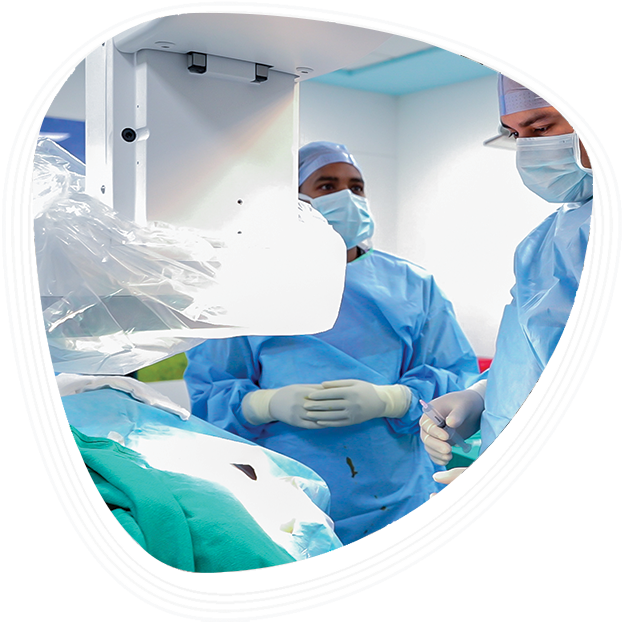
Recovery and Follow-Up After CAR T-Cell Therapy
At Graphic Era Hospital, recovery after CAR T-cell therapy is guided by a personalised care plan tailored to each patient’s age, overall health, type of cancer, and individual treatment response. Patients and caregivers are provided with detailed guidance to support safe healing and recovery at home. Here’s a quick look at what may follow CAR T-cell therapy treatment:
- Hospital Monitoring: Patients are monitored closely after treatment so that any treatment-related complications are identified and managed promptly. The duration of monitoring varies depending on the patient's condition and recovery progress.
- Monitoring for Treatment-Related Effects: The healthcare team monitors for side effects that occur after CAR T-cell therapy, including immune-related reactions such as cytokine release syndrome and neurological symptoms such as immune effector cell-associated neurotoxicity syndrome (ICANS). Early recognition and appropriate management play an important role in recovery.
- Blood Count Monitoring: Regular blood tests are performed to assess blood cell counts and monitor recovery of the bone marrow and immune system following treatment.
- Infection Prevention: Patients are at an increased risk of infection during the recovery period due to low blood counts and immune suppression. The treatment team provides guidance on infection prevention measures and advises when medical attention should be sought for symptoms such as fever or signs of infection.
- Response Assessment: Follow-up blood tests, bone marrow evaluations, imaging studies, or other investigations are performed to assess how the cancer has responded to treatment and guide ongoing care.
- Follow-Up Visits: Regular follow-up appointments allow the treatment team to monitor recovery, review test results, address concerns, and provide ongoing support throughout the recovery process.
- Long-Term Monitoring: Continued follow-up is important after CAR T-cell therapy. Long-term assessments help monitor overall health, evaluate treatment outcomes, and identify any late effects that require medical attention.
Benefits and Possible Risks of CAR T-Cell Therapy
CAR T-cell therapy is an advanced form of immunotherapy that has transformed the treatment landscape for certain blood cancers. However, like any cancer treatment, CAR T-cell therapy offers potential benefits while also carrying certain risks. Understanding both can help patients and their families make informed treatment decisions in consultation with their treating specialist.
Benefits of CAR T-Cell Therapy
- Personalised Treatment Approach: CAR T-cell therapy uses a patient's own immune cells, allowing treatment to be tailored specifically to the individual.
- Uses the Body's Immune System to Fight Cancer: The treatment works by modifying T-cells to recognise and attack cancer cells more effectively.
- Targeted Cancer Cell Recognition: CAR T-cells are designed to identify specific targets on cancer cells, helping direct the immune response towards the cancer.
- Potential for Durable Responses: Some patients experience long-lasting responses following treatment, making CAR T-cell therapy an important advancement in the management of selected blood cancers.
Possible Risks and Complications
- Cytokine Release Syndrome (CRS): CRS is one of the most recognised side effects of CAR T-cell therapy. Symptoms can range from mild fever and fatigue to more significant inflammatory reactions that require close medical monitoring and treatment.
- Neurological Side Effects (ICANS): Some patients may develop neurological symptoms such as confusion, difficulty speaking, tremors, or changes in alertness. These effects require prompt medical evaluation and monitoring.
- Infection: Treatment can weaken the immune system, increasing the risk of bacterial, viral, or fungal infections during recovery.
- Low Blood Counts: CAR T-cell therapy can affect the production of blood cells, resulting in low levels of white blood cells, red blood cells, or platelets that require ongoing monitoring.
- Fatigue: Tiredness and reduced energy levels are common during recovery and can persist after treatment.
Patients require close monitoring during and after treatment to identify and manage potential complications promptly and safely.
Top CAR T-Cell Therapy and Related Cancer Treatment Procedures
- CAR T-Cell Therapy
- Leukapheresis (T-Cell Collection)
- CAR T-Cell Infusion
- Lymphodepleting Chemotherapy
- Cellular Immunotherapy
- Chemotherapy
- Targeted Therapy
- Immunotherapy
- Bone Marrow Transplant
- Stem Cell Transplant Evaluation
- Leukaemia Treatment
- Lymphoma Treatment
- Multiple Myeloma Treatment
Patient Stories





Blog







Heart Attack: Symptoms and Treatment


Increased Heart Rate: Causes, Risks, and When to Seek Medical Attention
Frequently Asked Questions (FAQs)
How does CAR T-cell therapy work?
CAR T-cell therapy works by collecting a patient’s T-cells, genetically modifying them in a specialised laboratory, and infusing them back into the body. These modified cells are designed to recognise specific targets on cancer cells, allowing the immune system to identify and attack the cancer more effectively.
Which cancers can be treated with CAR T-cell therapy?
CAR T-cell therapy for cancer is currently used for selected blood cancers, including certain types of acute lymphoblastic leukaemia (ALL), diffuse large B-cell lymphoma (DLBCL), follicular lymphoma, mantle cell lymphoma, primary mediastinal large B-cell lymphoma, and multiple myeloma. Eligibility depends on the specific cancer type, disease status, and previous treatments.
Is CAR T-cell therapy a type of immunotherapy?
Yes. CAR T-cell immunotherapy is a specialised form of immunotherapy that uses genetically modified immune cells rather than medicines alone. The treatment enhances the body’s natural immune response by helping T-cells recognise and target cancer cells more effectively.
Who is eligible for CAR T-cell therapy?
Not every patient with cancer is a suitable candidate for CAR T-cell therapy. Eligibility is determined after a detailed evaluation of the cancer type, disease status, previous treatments, overall health, and other clinical factors. The treatment is most commonly used for selected patients with relapsed or refractory blood cancers.
How long does the CAR T-cell therapy process take?
The complete process usually takes several weeks. This includes eligibility assessment, T-cell collection through leukapheresis, laboratory modification of the cells, preparation for treatment, infusion, and post-treatment monitoring. The exact timeline varies depending on the treatment plan and manufacturing process.
What are the side effects of CAR T-cell therapy?
CAR T-cell therapy side effects can range from mild to serious and may include fever, fatigue, low blood counts, infection, cytokine release syndrome (CRS), and neurological symptoms. Patients are monitored closely during and after treatment so that any complications can be identified and managed promptly.
What is Cytokine Release Syndrome (CRS)?
Cytokine Release Syndrome (CRS) is an immune reaction that can occur after CAR T-cell therapy when activated immune cells release large amounts of inflammatory proteins called cytokines. Symptoms may include fever, chills, low blood pressure, breathing difficulties, and fatigue. Most cases can be managed effectively with prompt medical care and close monitoring.
How successful is CAR T-cell therapy?
The success of CAR T-cell therapy depends on factors such as the type of cancer, disease stage, previous treatments, and individual patient characteristics. For selected patients with relapsed or refractory blood cancers, the treatment has produced meaningful and sometimes long-lasting responses, even when other therapies have not been successful.
What is the cost of CAR T-cell therapy in Dehradun?
The cost of CAR T-cell therapy varies depending on the specific treatment plan, type of cancer, hospital stay requirements, supportive care needs, and other clinical factors. A detailed consultation and treatment evaluation are required to provide an accurate cost estimate.
Where can I get CAR T-cell therapy near me in Dehradun?
If you are searching for ‘CAR T-cell therapy near me’ or ‘CAR T-cell therapy in Dehradun’, Graphic Era Hospital provides comprehensive cancer care supported by experienced specialists in haematology and medical oncology. Patients receive detailed evaluation, treatment planning, monitoring, and ongoing support throughout their treatment journey.
 Emergency 24×7 : 1800 889 7351