Herniotomy is a surgical procedure performed to treat an inguinal hernia, particularly in infants and children. The procedure involves closing the hernia sac to prevent the hernia from recurring and reduce the risk of complications such as incarceration or strangulation. At Graphic Era Hospital, Dehradun, we provide comprehensive care for children with inguinal hernias, leveraging advanced surgical facilities and modern techniques to ensure precise treatment and optimal outcomes. Supported by skilled anaesthesiologists and nursing staff, we maintain an acute focus on patient safety, smooth recovery, and personalised care at every stage of treatment.
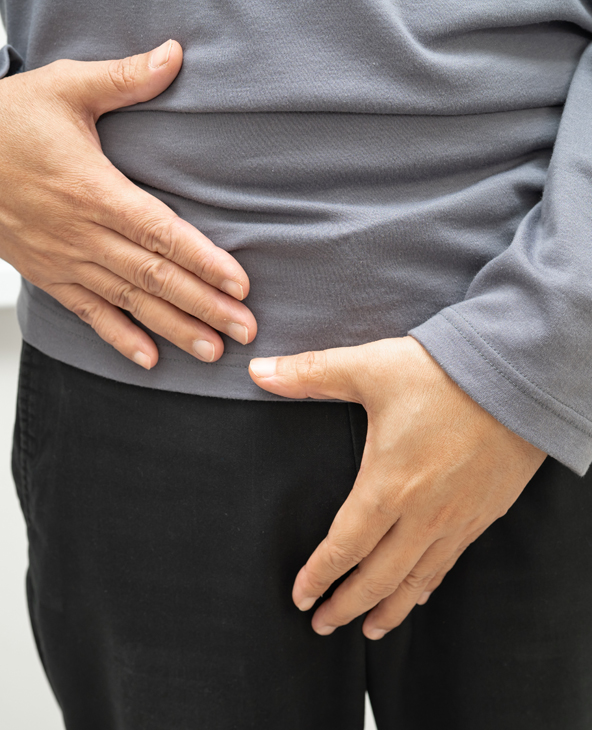
Why is a Herniotomy Recommended?
- Congenital Inguinal Hernia: The most common indication for herniotomy. Surgery is usually recommended because congenital inguinal hernias do not typically resolve on their own and may lead to complications if left untreated.
- Incarcerated Inguinal Hernia: When the hernia becomes trapped and cannot be pushed back into the abdomen, prompt surgical treatment is required to prevent damage to the affected tissues.
- Bilateral Inguinal Hernias: Children with hernias affecting both sides of the groin require surgical repair to address both defects and reduce the risk of future complications.
- Symptomatic Inguinal Hernias: Surgery is recommended when the hernia causes discomfort, irritability, pain, or other symptoms that affect the child's well-being.
- Risk of Hernia Complications: Inguinal herniotomy is advised to help prevent complications such as incarceration or strangulation that can occur if the hernia remains untreated.
Schedule Your Appointment with
Our Expert Doctors
We are dedicated to driving lasting, positive transformation in healthcare management through innovation and patient-centered solutions.
Things to Know Before Undergoing Herniotomy Surgery
Learning that a loved one needs herniotomy surgery can naturally raise questions and concerns. That said, understanding what to expect before the procedure can help patients and their families feel more prepared. Here’s a quick overview of what to expect:
- Medical Evaluation: A detailed medical history and general health assessment are performed to ensure the child is fit for surgery.
- Physical Examination: The surgeon will examine the hernia and assess the child's overall condition before recommending treatment.
- Medication Review: Parents should inform the medical team about any medicines, supplements, or ongoing treatments their child is receiving.
- Anaesthesia Discussion: Herniotomy is usually performed under general anaesthesia. The anaesthesiologist will explain the process and address any concerns before surgery.
- Fasting Instructions: Children are usually required to avoid food and drinks for a specified period before the procedure.
- Pre-Surgical Assessment: Additional blood tests or investigations may be recommended depending on the child's age, medical history, and overall health.
- Hospital Stay Planning: Most children can return home on the next day, although some may require additional observation depending on their condition and recovery.
- Recovery Expectations: The surgical team will explain postoperative care, activity restrictions, follow-up visits, and the expected recovery timeline before the procedure.
Surgical Techniques Used at Graphic Era Hospital
The choice of surgical technique depends on the child's age, the type of inguinal hernia, and the overall clinical condition. At Graphic Era Hospital, our surgeons carefully evaluate each case to determine the most appropriate approach for safe and effective treatment. Surgical techniques used at Graphic Era Hospital include:
- Open Herniotomy: This is the traditional approach used to treat paediatric inguinal hernias. The surgeon makes a small incision in the groin, identifies the hernia sac, and closes it to repair the hernia and reduce the risk of future complications. Open herniotomy is a well-established procedure that provides effective treatment for many children with inguinal hernias.
- Laparoscopic Herniotomy: In selected cases, laparoscopic herniotomy may be performed using small incisions, a camera, and specialised surgical instruments. This minimally invasive approach allows the surgeon to examine and treat the hernia while minimising tissue disruption. The suitability of laparoscopic surgery depends on the child's condition and the surgeon's clinical assessment.
How is the Herniotomy Procedure Performed?
At Graphic Era Hospital, each herniotomy procedure is carefully planned and performed by experienced surgeons to ensure safe and effective treatment. The surgery is typically performed under general anaesthesia and follows a carefully planned surgical approach to ensure safe and effective treatment. Herniotomy surgery generally involves the following steps:
- Anaesthesia Administration: The child is given general anaesthesia to ensure complete comfort and pain control throughout the procedure.
- Surgical Site Preparation: The skin over the treatment area is cleaned thoroughly and prepared using sterile techniques to minimise the risk of infection.
- Incision Placement: The surgeon makes a small incision in the groin near the site of the hernia to access the hernia sac.
- Identification of the Hernia Sac: The hernia sac is carefully identified and separated from the surrounding tissues and structures.
- Hernia Sac Ligation: The surgeon closes and secures the hernia sac to prevent abdominal tissue from passing through the opening in the future.
- Inspection of Surrounding Structures: The surgical area is examined to ensure that nearby tissues and structures remain healthy and unaffected.
- Closure of the Surgical Site: The incision is closed using sutures, and a sterile dressing may be applied to protect the surgical wound.
- Recovery Room Monitoring: After the procedure, the child is observed in the recovery area while the medical team monitors vital signs and overall recovery from anaesthesia before discharge.
Why Choose Graphic Era Hospital for Herniotomy Surgery in Dehradun?
Choosing a hospital for surgery is an important decision, and for many patients and families, it can be accompanied by uncertainty and concern. At Graphic Era Hospital, we understand this concern and leave no stone unturned to ensure every patient receives world class care and the best possible outcome. Here are some of the attributes that make us stand out:

Experienced Paediatric Surgeons : Herniotomy procedures at Graphic Era Hospital are performed by experienced surgeons with expertise in the treatment of paediatric inguinal hernias. Every child undergoes a detailed clinical evaluation to determine whether surgery is the most appropriate treatment option based on their age, symptoms, and overall condition.

Advanced Surgical and Imaging Technology : The hospital is equipped with modern operating theatres, advanced imaging facilities, and specialised surgical equipment to support the diagnosis and treatment of paediatric inguinal hernias. These resources assist in detailed clinical evaluation, treatment planning, and safe surgical care, helping surgeons perform herniotomy surgery with precision and confidence.

Comprehensive Pre- and Postoperative Care : Care at Graphic Era Hospital extends beyond the procedure itself. Parents receive detailed counselling regarding the procedure, expected recovery, and postoperative care before surgery. After treatment, children are closely monitored and provided with personalised recovery guidance. Regular follow-up assessments help support healing and ensure a smooth recovery after herniotomy surgery.
Recovery and Postoperative Care after Herniotomy Surgery
At Graphic Era Hospital, recovery is guided by a personalised care plan based on each child's age, overall health, and postoperative needs. Parents are provided with detailed guidance to help support safe healing and recovery at home. Here’s a quick look at what may follow herniotomy surgery:
- Pain Management: Mild discomfort around the surgical site may occur during the first few days after surgery. Pain-relieving medicines may be prescribed to help keep the child comfortable during recovery.
- Wound Care: The surgical incision usually requires minimal care. Parents are advised to keep the area clean and dry and follow the instructions provided by the healthcare team.
- Activity Restrictions: Running, rough play, heavy lifting, and other strenuous activities should be avoided for a short period, as advised by the surgeon.
- Return to Daily Activities: Most children can gradually return to their usual routine, including school and light activities, once they are comfortable and recovering well.
- Follow-Up Visits: Follow-up appointments are scheduled to assess healing, monitor recovery, and address any questions or concerns after surgery.
- Monitoring for Recovery: Parents should watch for signs such as fever, increasing swelling, redness, or persistent pain and contact their healthcare provider if any concerns arise during recovery.
Benefits and Possible Risks of Herniotomy Surgery
Herniotomy surgery is a well-established treatment for paediatric inguinal hernias that helps prevent complications and supports long-term recovery. Like any surgical procedure, it offers several benefits but also carries certain risks. Understanding both can help parents make informed treatment decisions in consultation with their surgeon.
Benefits of Herniotomy Surgery
- Repairs the hernia and helps prevent recurrence.
- Reduces the risk of complications such as incarceration and strangulation.
- Relieves hernia-related symptoms, including swelling, discomfort, and irritability.
- Usually involves a short hospital stay, with most children returning home on the nextday.
- Allows an early return to normal daily activities following recovery.
- Provides effective long-term treatment for paediatric inguinal hernias.
- Helps prevent future hernia-related problems that may require emergency treatment.
Possible Risks and Complications
- Infection: As with any surgical procedure, there is a small risk of infection at the incision site.
- Bleeding: Minor bleeding or bruising around the surgical area may occur following surgery.
- Swelling or Bruising: Temporary swelling or bruising near the surgical site is common and usually improves during recovery.
- Recurrence of Hernia: Although uncommon, the hernia may recur and require further treatment.
- Injury to Surrounding Structures: Rarely, structures near the hernia sac may be affected during surgery, requiring additional medical attention.
- Anaesthesia-Related Risks: Some children may experience reactions or complications related to general anaesthesia, although these are uncommon.
Patient Stories


Blog






Frequently Asked Questions (FAQs)
At what age can a child undergo herniotomy?
Herniotomy is commonly performed in infants, toddlers, and older children with inguinal hernias. The timing of surgery depends on the child’s condition, symptoms, overall health, and the surgeon’s recommendation. It should be operated within 2-3 weeks of detection due to risk of obstruction and strangulation of bowel .
Is herniotomy surgery painful for children?
The procedure is performed under general anaesthesia, so children do not experience pain during surgery. Mild discomfort after the operation is common and usually improves within a few days. Pain-relieving medicines may be prescribed to help keep the child comfortable during recovery.
How long does a herniotomy procedure take?
The duration of a herniotomy procedure varies depending on the child’s condition and whether one or both sides require treatment.
Can an inguinal hernia come back after surgery?
Recurrence after herniotomy surgery is uncommon, but it may occur in a small number of cases. Factors such as the child’s underlying condition and healing process may influence outcomes. Regular follow-up helps monitor recovery and address any concerns promptly.
How soon can my child return to school after hernia surgery?
Most children can gradually return to school and routine activities within a few days to two weeks, depending on their recovery and the surgeon’s recommendations. Strenuous activities, sports, and rough play may need to be avoided for a longer period.
What is the difference between open and laparoscopic herniotomy?
Open herniotomy is performed through a small groin incision, while laparoscopic herniotomy uses small incisions, a camera, and specialised instruments. The most suitable approach depends on factors such as the child’s condition, hernia characteristics, and clinical assessment.
Are there different types of herniotomy?
Yes. Herniotomy may be performed using open or laparoscopic techniques, depending on the clinical situation. The choice of approach is based on factors such as the child’s age, the type of hernia, and the surgeon’s evaluation.
What should parents watch for after herniotomy surgery?
Parents should monitor the child for fever, increasing redness, excessive local swelling, wound discharge, or persistent pain after surgery. Although complications are uncommon, any concerning symptoms should be reported to the treating surgeon for further evaluation.
Where can I get herniotomy near me in Dehradun or Uttarakhand?
Graphic Era Hospital offers herniotomy in Dehradun for children with inguinal hernias. Our experienced surgical team provides comprehensive evaluation, surgical treatment, and postoperative care to support safe recovery and positive long-term outcomes.
 Emergency 24×7 : 1800 889 7351