Hemorrhoids, commonly called “piles”, are swollen vessels in the anus or lower rectum, which can cause persistent pain, itching, bleeding, and difficulty passing stool. When symptoms become severe or keep returning despite medications, surgical treatment becomes the most reliable way to achieve lasting relief. At Graphic Era Hospital, Dehradun, we provide comprehensive care for all grades of piles, supported by advanced diagnostic evaluation and a full range of minimally invasive and laser-assisted surgical options. Our surgical team follows a structured, patient-centred approach that focuses on accurate assessment, safe intervention, and smooth recovery. With modern technology, skilled specialists, and personalised guidance at every stage of treatment, we, at Graphic Era hospital aim to restore comfort, prevent recurrence, and help patients return to daily life with ease and comfort.
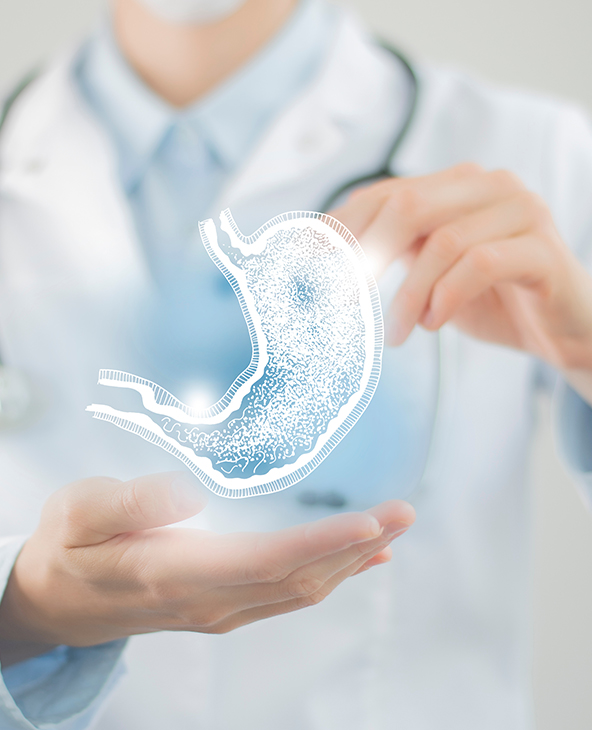
Understanding Piles (Hemorrhoids)
Piles are swollen and inflamed vessels in the lower rectum and anus that develop due to increased pressure in the area. They may be internal, occurring inside the rectum, or external, forming around the anal opening. Symptoms can range from mild discomfort to significant pain, bleeding, itching, and difficulty with bowel movements. While many cases improve with lifestyle changes and medication, surgery becomes necessary when piles cause persistent symptoms, recur frequently, or lead to complications such as severe bleeding or prolapse.
Schedule Your Appointment with
Our Expert Doctors
We are dedicated to driving lasting, positive transformation in healthcare management through innovation and patient-centered solutions.
Types of Piles Surgery Available at Graphic Era Hospital
Piles can vary in size, severity, and symptoms, so the treatment approach must be tailored to each patient’s condition. At Graphic Era Hospital, we offer a full range of surgical and minimally invasive procedures designed to relieve symptoms, prevent recurrence, and promote faster recovery. The main types of piles surgery offered at Graphic Era Hospital include:
- Hemorrhoidectomy: Surgical removal of severe or recurring hemorrhoids, especially when other treatments have not worked.
- Stapled Hemorrhoidopexy: A procedure that repositions and secures prolapsed hemorrhoidal tissue using a circular stapling device, reducing pain and bleeding.
- Rubber Band Ligation: A minimally invasive method where a small band is placed at the base of internal piles to cut off blood supply, causing them to shrink and fall off.
- Sclerotherapy: Injection of a safe solution into internal piles, causing them to shrink by reducing blood flow.
What to Expect Before and During Piles Surgery
Understanding the steps involved before and during piles surgery helps reduce anxiety and prepares patients for a smooth, safe experience. At Graphic Era Hospital, every stage is carefully planned to ensure comfort, clarity, and clinical precision.
Before Piles Surgery
Before the procedure, the surgical team conducts a detailed assessment that may include a physical examination, blood tests, and imaging if needed. Your surgeon will review your medical history, discuss anaesthesia options, and guide you regarding fasting, bowel preparation, or temporary changes to your medications. These steps help lower the risk of complications and ensure that the procedure proceeds safely.
During Piles Surgery
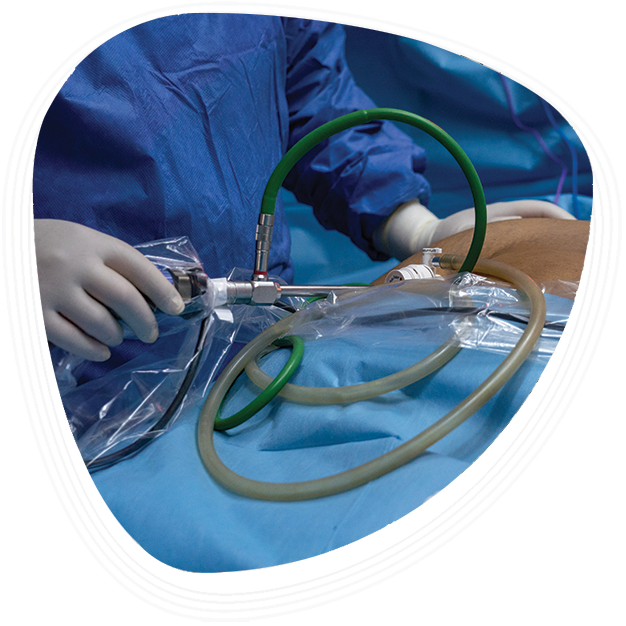
On the day of surgery, anaesthesia is administered to keep you comfortable throughout the procedure. The surgeon then performs the selected technique, such as laser treatment, stapled surgery, or traditional removal, depending on the severity and type of piles. Advanced equipment and sterile techniques are used to ensure accuracy and safety. Most minimally invasive procedures are completed quickly, allowing patients to begin recovery with less pain and minimal bleeding.
Recovery After Piles Surgery at Graphic Era Hospital
Recovery after piles surgery varies depending on the type of procedure performed, but most patients experience steady improvement with the right care and follow-up. At Graphic Era Hospital, our team provides clear guidance to support healing, reduce discomfort, and help patients return to daily activities safely.
Immediately After Surgery
Patients may experience mild pain, swelling, or a feeling of fullness in the anal area, which typically improves within a few days. Pain relievers, stool softeners, and warm sitz baths are commonly recommended to ease discomfort and support healing. Patients may be monitored briefly in the recovery area before being discharged on the same day for minimally invasive procedures.
During the Recovery Period
Most patients can resume light activities within a few days, although complete recovery may take one to two weeks for minimally invasive methods and slightly longer for traditional surgery. It is important to follow dietary advice, maintain good hydration, and avoid straining during bowel movements. Laser piles surgery often offers a quicker recovery time with minimal bleeding and faster symptom relief.
Follow-Up and Long-Term Care
Regular follow-up visits help the surgeon track healing, address any concerns, and guide preventive steps to reduce the chance of recurrence. Long-term care may include dietary adjustments, managing constipation, and maintaining healthy bowel habits to support overall rectal health.
Benefits of Piles Surgery
Surgical treatment for piles offers significant relief when symptoms become severe or persistent. At Graphic Era Hospital, modern techniques and expert surgical care help patients achieve faster healing and long-term improvement. Here are the key benefits of piles surgery:
- Relief from pain, bleeding, and discomfort: Surgery directly addresses the swollen vessels causing symptoms, offering steady and lasting relief.
- Quick symptom resolution: Many patients notice improvement within days, especially after minimally invasive or laser-assisted procedures.
- Long-term relief: Treating the underlying problem reduces the likelihood of recurrent piles and repeated flare-ups.
- Improved quality of life: With reduced discomfort, easier bowel movements, and better daily functioning, patients regain ease and comfort in routine activities.
Risks and Possible Complications
Although piles surgery is generally safe and effective, it is important to understand the potential risks and temporary side effects that may occur during recovery. Being aware of these possibilities helps patients recognise what is normal and when to seek medical attention. Possible complications include:
- Pain or discomfort: Mild to moderate pain is common after surgery and usually improves with prescribed medications.
- Bleeding: Light bleeding may occur during bowel movements in the first few days.
- Infection: Rare but possible, especially if proper hygiene is not maintained.
- Anal stricture: In some cases, scarring can narrow the anal passage, requiring further treatment.
- Recurrence: Although surgery significantly reduces the risk, piles may return in a small number of cases if underlying issues persist.
Most complications are temporary and can be managed with proper post-operative care and timely follow-up.
When to See a Doctor?
Piles can often be managed with home care in the early stages, but certain symptoms indicate the need for timely medical attention. Consulting a doctor early helps prevent complications, eases discomfort, and ensures appropriate treatment. You should seek medical care if you experience:
- Persistent bleeding, especially during or after bowel movements
- Severe pain or swelling that does not improve with basic care
- A lump or prolapse that cannot be pushed back inside the anus
- Signs of infection, such as fever, discharge, or increasing redness
- Difficulty passing stool, particularly if accompanied by pain or bleeding
- Recurrent flare-ups, which may indicate a need for surgical evaluation
Why Choose Graphic Era Hospital for Piles (Hemorrhoids) Surgery in Dehradun?
Choosing the right hospital for piles surgery is essential for safe treatment, faster recovery, and long-term relief. At Graphic Era Hospital, we are committed to providing compassionate care, modern surgical options, and personalised support at every step of the treatment journey. Here is how we ensure the best possible care for patients with hemorrhoids:

Experienced Proctology and General Surgery Specialists : At Graphic Era hospital, our team of highly skilled surgeons have extensive experience in diagnosing and treating all grades of piles. They select the most appropriate surgical or minimally invasive technique based on each patient’s condition, ensuring safe and effective treatment outcomes.

Advanced Technology and Minimally Invasive Procedures : Graphic Era Hospital offers a full range of modern treatment options, including laser-assisted surgery, stapled techniques, and minimally invasive procedures that reduce pain, bleeding, and recovery time. Our advanced diagnostic tools help determine the exact severity of piles and guide precise surgical planning.

Comprehensive Rehabilitation and Personalised Care : Graphic Era Hospital supports patients through every stage of treatment, from pre-surgery preparation to post-operative recovery. Our team provides detailed guidance on wound care, bowel habits, diet, and long-term prevention to reduce recurrence and promote lasting comfort.
Complications of Untreated Piles
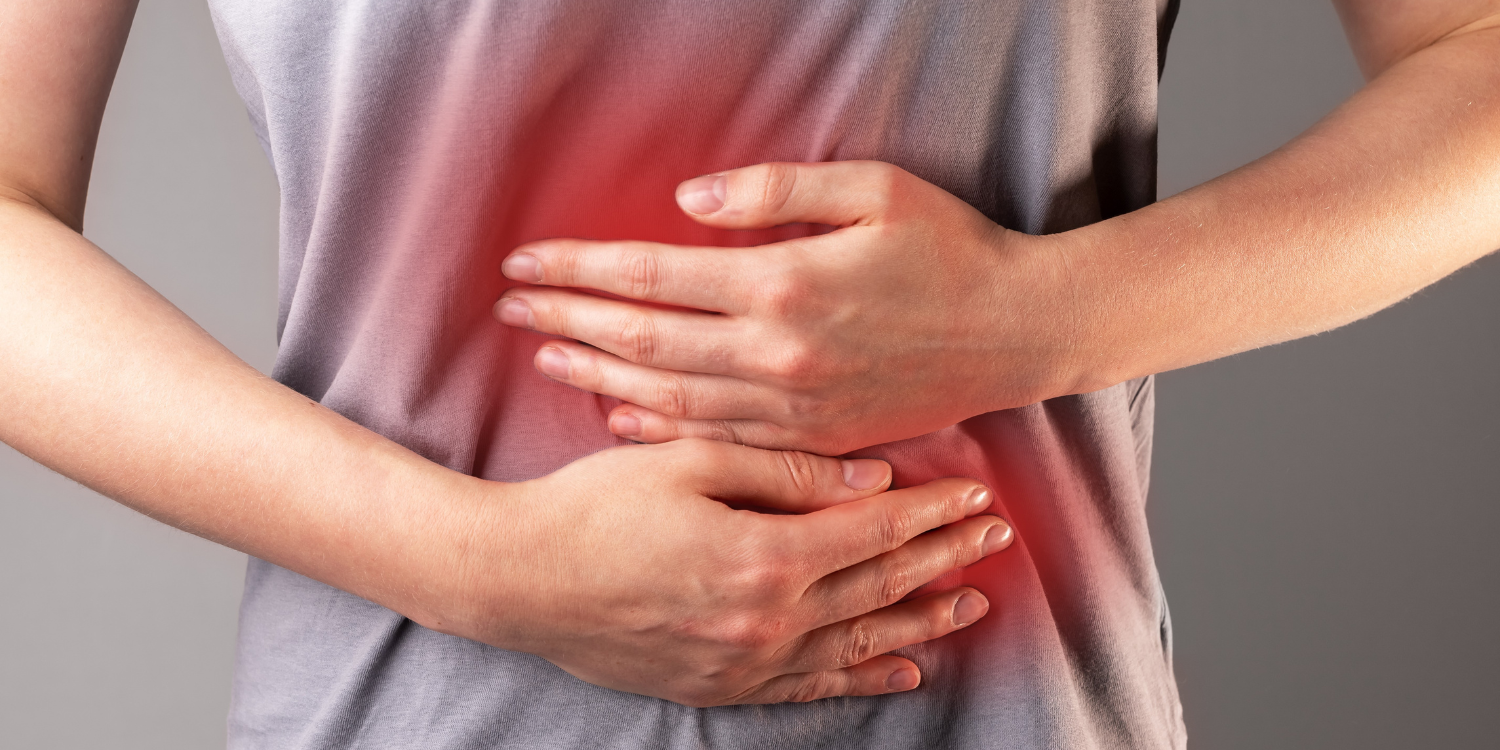
Ignoring piles for too long can lead to worsening symptoms and more serious health problems. Early evaluation and treatment help prevent these issues and improve long-term comfort. Some complications that may occur if piles are left untreated include:
- Severe bleeding: Repeated bleeding during bowel movements may lead to anaemia and fatigue.
- Thrombosed piles: A blood clot can form inside an external pile, causing sudden, intense pain and swelling.
- Chronic prolapse: Internal piles may protrude permanently outside the anus, leading to discomfort and hygiene problems.
- Persistent irritation of the skin: Constant moisture and friction around the anal area can cause itching, inflammation, and infections.
- Increased pain and discomfort: Over time, untreated piles can make sitting, walking, and passing stool increasingly difficult.
Top Piles Surgery Options at Graphic Era Hospital
- Hemorrhoidectomy
- Stapled Hemorrhoidopexy
- Rubber Band Ligation
- Sclerotherapy
- Infrared Coagulation (IRC)
- Laser Surgery for Piles
Patient Stories





Blog






Frequently Asked Questions (FAQs)
When is surgery required for piles?
Surgery is usually recommended when symptoms such as bleeding, pain, or prolapse persist despite medication or lifestyle changes. It is also advised for advanced grades of piles that keep recurring or cause significant discomfort.
Is piles surgery painful?
Some discomfort is expected after surgery, but pain is usually manageable with prescribed medicines, sitz baths, and proper post-operative care. Minimally invasive and laser procedures generally cause less pain and allow quicker recovery.
How long does piles surgery take near me?
Most procedures, including laser and minimally invasive techniques, take between 20 and 45 minutes. The exact duration depends on the type and severity of piles.
Can piles come back after surgery?
While surgery significantly lowers the chance of recurrence, piles can return if underlying factors such as constipation, straining, or chronic diarrhoea are not addressed. Preventive care and healthy bowel habits play a key role in long-term relief.
Is laser surgery for piles better than traditional surgery?
Laser surgery often results in less pain, reduced bleeding, and faster recovery. However, the best option depends on the grade of piles and the patient’s health. A surgeon at Graphic Era Hospital can recommend the most suitable procedure.
When can I return to work or normal activities after piles surgery?
Most patients resume light activities within a few days. Recovery may take one to two weeks depending on the surgery type. Laser procedures often offer quicker recovery.
Will piles surgery affect my bowel movements?
Temporary discomfort or mild difficulty during bowel movements is normal. Stool softeners, hydration, and fibre-rich foods help make bowel movements easier during recovery.
Does piles surgery affect fertility or sexual health?
No. Piles surgery does not affect fertility, sexual function, or reproductive health in men or women.
Is piles surgery a major surgery?
Some procedures, like rubber band ligation or IRC, are minor. Others, such as hemorrhoidectomy or stapled surgery, are more involved. The surgeon chooses the safest and most effective option based on your condition.
How much does a piles operation cost near me?
Costs may vary depending on the type of procedure, hospital stay, and diagnostic tests needed. At Graphic Era Hospital, the care team provides a clear cost estimate after evaluation.
What should I expect during piles surgery near me?
The surgeon will explain the procedure, anaesthesia, and recovery steps beforehand. During surgery, you will be kept comfortable, and the procedure is performed using precise and sterile techniques.
How long is the hospital stay after the piles surgery near me?
Most minimally invasive and laser procedures are done on a day-care basis, meaning patients can go home the same day. More extensive surgeries may require a short hospital stay.
 Emergency 24×7 : 1800 889 7351