Anal fissure is a painful condition marked by a small tear in the lining of the anus, often causing severe discomfort during bowel movements. Anal fissure surgery is a surgical procedure performed to relax the anal sphincter muscle and allow the fissure to heal effectively. At Graphic Era Hospital, anal fissure surgery is recommended for chronic or non-healing fissures that do not respond to medical treatment. The procedure focuses on relieving pain, promoting healing, and preventing recurrence through accurate diagnosis, appropriate surgical technique, and structured post-operative care in Dehradun, Uttarakhand.
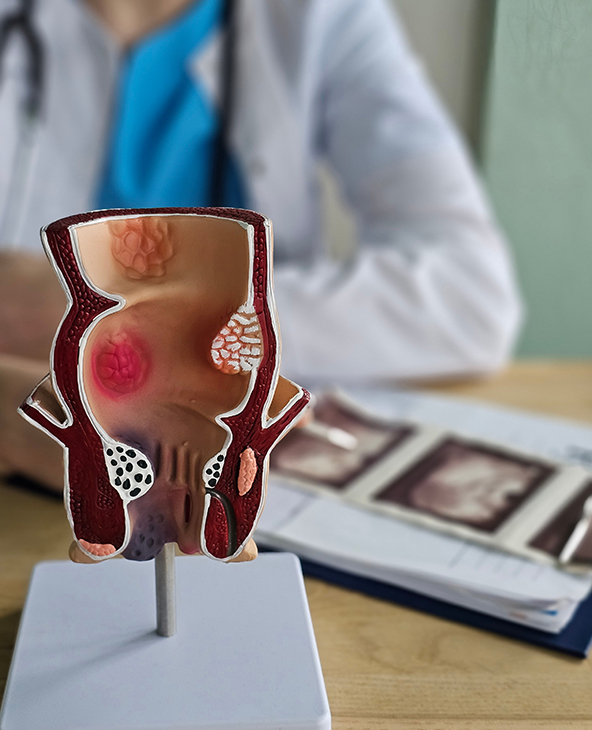
When is Anal Fissure Surgery Recommended?
Anal fissure surgery is usually considered when the fissure does not heal with conservative treatment and continues to cause significant pain or complications. At Graphic Era Hospital, surgery is recommended based on clinical assessment, symptom severity, and response to medical therapy. A surgeon may recommend anal fissure surgery in the following situations:
- Chronic fissure: When the fissure has been present for more than 6–8 weeks and shows no signs of healing despite medicines, ointments, and dietary measures.
- Severe, persistent pain: Ongoing pain during or after bowel movements that affects daily activities and quality of life.
- Failure of medical treatment: Lack of improvement with stool softeners, topical medications, sitz baths, and lifestyle changes.
- Recurrent fissures: Repeated episodes of fissure even after initial healing.
- Associated complications: Presence of sentinel piles, hypertrophied anal papilla, or scar tissue indicating a long-standing fissure.
- Marked sphincter spasm: Increased tightness of the internal anal sphincter causing poor blood flow and preventing natural healing.
Schedule Your Appointment with
Our Expert Doctors
We are dedicated to driving lasting, positive transformation in healthcare management through innovation and patient-centered solutions.
Anal Fissure Surgery: How the Procedure Works
Anal fissure surgery is performed to relieve pain, promote healing, and prevent recurrence when conservative treatments fail. The procedure aims to reduce spasm and pressure in the anal sphincter muscle, which is the main cause of poor blood supply and delayed healing of the fissure. Before the surgery, the patient undergoes a clinical evaluation and, if required, basic investigations. The procedure is usually done under regional or general anaesthesia and is commonly performed as a short hospital stay or day-care surgery.
How the surgery is carried out:
- The surgeon makes a small, controlled cut in a portion of the internal anal sphincter muscle (called Lateral Internal Sphincterotomy or LIS).
- This reduces muscle tightness and improves blood flow to the fissure area.
- In selected cases, laser technology may be used to precisely release the tight muscle and remove unhealthy tissue, causing minimal bleeding and faster recovery.
- The fissure is then allowed to heal naturally once the pressure is relieved.
The procedure typically takes a short time and does not involve large incisions. Most patients experience significant pain relief within a few days, with gradual healing of the fissure over the following weeks. Post-operative care focuses on pain control, maintaining soft stools, and preventing constipation to support smooth recovery.
Types of Anal Fissure Surgery Procedures Available at Graphic Era Hospital
At Graphic Era Hospital, our multidisciplinary colorectal surgery team offers advanced and evidence-based surgical options tailored to the severity of the fissure, patient symptoms, and overall health. We prioritise techniques that reduce pain, promote rapid healing, and minimise the risk of complications. Types of anal fissure procedures offered at the Graphic Era hospital include:
Lateral Internal Sphincterotomy (LIS)
This is the most commonly performed and widely accepted surgical treatment for chronic anal fissures. In this procedure, a small portion of the internal anal sphincter muscle is carefully divided to reduce excessive muscle tone. By lowering resting pressure in the anal canal, blood flow to the fissure improves, which promotes natural healing and provides significant relief from pain and spasm.
Laser Anal Fissure Surgery (Laser Fissurotomy)
Laser-assisted surgery is a minimally invasive option offered for suitable patients. A high-precision laser is used to release the tight sphincter fibres and remove unhealthy tissue around the fissure. This technique allows for minimal bleeding, reduced postoperative discomfort, and faster recovery, making it an attractive option for patients seeking a less invasive approach.
Fissure Excision with Sphincterotomy
In cases where the fissure has developed thickened edges, scar tissue, or associated skin tags, simple sphincter relaxation alone may not be sufficient. The surgeon may excise the chronic fissure tissue and combine it with a controlled sphincterotomy. This helps create a healthier wound bed and improves healing in long-standing or complex fissures.
Botulinum Toxin (Botox) Injection
For selected patients who are not ideal candidates for surgery or prefer a non-cutting option, botulinum toxin may be used to temporarily relax the internal anal sphincter. By reducing muscle spasm, blood flow to the fissure improves, supporting healing. This option is usually considered when medical treatment has failed but surgery is to be deferred or avoided.
Pre-Surgery Evaluation and Preparation
Before anal fissure surgery, a structured pre-operative assessment is carried out to ensure the patient is medically fit and well prepared for the procedure. This stage focuses on confirming the diagnosis, planning the surgery safely, and guiding the patient on necessary precautions. Steps include:
- Consultation and Diagnosis: A detailed clinical examination is performed to confirm the presence of a chronic or non-healing fissure, assess sphincter tightness, and decide the most appropriate surgical technique.
- Pre-Operative Tests and Anaesthesia Fitness: Basic blood tests and an evaluation by the anaesthesia team are done to ensure the patient can safely undergo spinal or general anaesthesia.
- Medication Review: Current medicines are reviewed. Blood thinners and certain supplements may need to be temporarily stopped, while essential medications are adjusted as advised by the doctor.
- Fasting and Bowel Preparation: Patients are instructed to fast for a specified period before surgery. In some cases, mild bowel cleansing or an enema may be advised to keep the anal canal clean.
- Admission Instructions: Guidance is provided regarding hospital admission time, required documents, and expected duration of stay, as the procedure is often planned as day-care surgery.
- Consent and Counselling: The surgeon explains the procedure, expected benefits, possible risks, and recovery process, and obtains informed consent to ensure the patient is comfortable and well informed.
What Happen During Anal Fissure Surgery
Understanding what happens during the procedure helps reduce anxiety and prepares patients for a smooth surgical experience. At Graphic Era Hospital, anal fissure surgery is performed using standard safety protocols and modern surgical techniques. During the procedure, patients can expect the following:
- Administration of Anaesthesia: Regional (spinal) or general anaesthesia is given to ensure the patient is completely pain-free during the procedure.
- Positioning and Preparation: The patient is positioned appropriately, and the surgical area is cleaned and prepared under sterile conditions.
- Surgical Technique: Depending on the planned approach, such as Lateral Internal Sphincterotomy or laser fissure surgery, the surgeon carefully releases the tight internal anal sphincter muscle and treats the fissure tissue.
- Precision and Minimal Tissue Handling: The procedure involves small, controlled incisions or laser application to minimise bleeding and tissue trauma.
- Completion of Surgery: Once adequate muscle relaxation is achieved, the area is inspected for haemostasis and dressed if required.
- Immediate Recovery Monitoring: After the procedure, the patient is shifted to the recovery area, where vital signs are monitored until the effects of anaesthesia wear off and the patient is stable.
Why Choose Graphic Era Hospital for Anal Fissure Surgery?
Anal fissure surgery at Graphic Era Hospital is delivered through a structured, patient-focused approach that combines surgical precision, modern infrastructure, and careful post-operative support to ensure safe outcomes and lasting relief.

Experienced Surgeons : Anal fissure surgery is performed by surgeons with experience in managing both routine and complex anorectal conditions. Each case is evaluated individually to confirm the need for surgery, select the most appropriate technique, and minimise the risk of complications such as persistent pain or recurrence.

Modern Surgical Facilities : The hospital is equipped with well-equipped operation theatres, reliable anaesthesia support, and strict infection control protocols. These facilities enable precise day-care anorectal surgeries, allowing most patients to undergo the procedure safely with minimal hospital stay.

Structured Post-Surgery Care : Recovery does not end with surgery. Patients receive clear guidance on pain management, wound care, diet, and bowel habits, along with scheduled follow-up visits. This structured approach supports smooth healing, early return to daily activities, and long-term prevention of fissure recurrence.
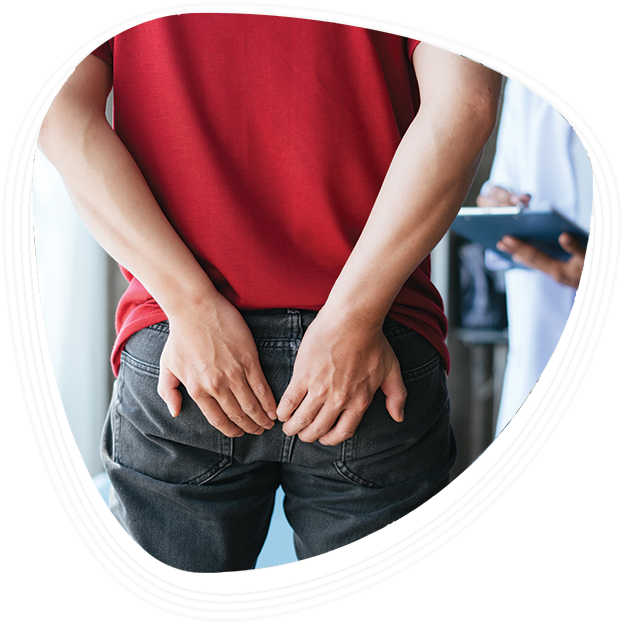
Benefits of Anal Fissure Surgery
Anal fissure surgery offers effective and long-term relief for patients with chronic or non-healing fissures who do not respond to medical treatment. When performed by experienced surgeons at Graphic Era Hospital, the procedure provides several important benefits:
- Relief from Persistent Pain: Reduces sphincter spasm and pressure, which are the main causes of severe anal pain during and after bowel movements.
- Faster Healing of the Fissure: Improved blood flow to the affected area promotes natural tissue healing.
- Prevention of Recurrence: By addressing the underlying muscle tightness, surgery lowers the chances of the fissure returning.
- Improved Bowel Comfort: Makes passing stools easier and less painful, improving daily quality of life.
- High Success Rates: Most patients experience complete or near-complete resolution of symptoms.
- Minimally Invasive Options: Techniques such as laser surgery allow for less bleeding, shorter hospital stay, and quicker recovery in suitable cases.
Risks and Complications of Anal Fissure Surgery
Anal fissure surgery is generally safe and effective when performed by experienced surgeons. However, as with any surgical procedure, a few risks and possible complications may occur. These are usually uncommon and can be managed with timely medical care.
- Pain or Discomfort: Mild to moderate pain in the initial days after surgery, which is usually controlled with medications.
- Bleeding: Minor bleeding from the surgical site may occur, especially during early bowel movements.
- Infection: Rare, but possible if proper hygiene and wound care are not maintained.
- Delayed Wound Healing: More likely in patients with diabetes, poor nutrition, or ongoing constipation.
- Temporary Difficulty in Controlling Gas or Stool: Usually mild and short-term, resolving as the muscle heals.
- Recurrence of Fissure: Uncommon, but may occur if constipation and straining continue after surgery.
At Graphic Era Hospital, careful patient selection, precise surgical technique, and structured post-operative care help minimise these risks and support safe recovery.
Recovery After Anal Fissure Surgery and Return to Daily Activities
Recovery after anal fissure surgery is usually smooth, especially when post-operative instructions are followed carefully. At Graphic Era Hospital, patients receive structured guidance to promote healing, reduce discomfort, and prevent recurrence. Key aspects of recovery and care include:
- Pain Management: Mild to moderate pain is common initially and is managed with prescribed medications.
- Wound Care and Hygiene: Keeping the anal area clean and dry, often with warm sitz baths, to reduce discomfort and support healing.
- Diet and Hydration: A high-fibre diet and adequate fluid intake to keep stools soft and avoid straining during bowel movements.
- Stool Softeners or Laxatives: Medications may be advised temporarily to prevent constipation and protect the surgical site.
- Activity and Rest: Light activities can usually be resumed early, while heavy lifting and strenuous exercise should be avoided for a short period.
- Follow-Up Visits: Scheduled reviews with the surgeon to monitor healing, manage symptoms, and ensure there are no complications.
With proper care, most patients experience significant pain relief within a few days and gradually heal completely over the following weeks.
Top Anal Fissure Surgery Procedures at Graphic Era Hospital
- Lateral Internal Sphincterotomy (LIS)
- Laser Anal Fissure Surgery
- Fissure Excision with Sphincterotomy
- Botulinum Toxin (Botox) Injection
Patient Stories




Blog







Frequently Asked Questions (FAQs)
What conditions does anal fissure surgery treat?
Anal fissure surgery treats chronic or non-healing anal fissures that cause persistent pain, bleeding, or discomfort during bowel movements and do not respond to medicines or topical treatment.
Is anal fissure surgery available near me in Dehradun?
Yes, anal fissure surgery is available at Graphic Era Hospital, Dehradun, where experienced general and colorectal surgeons provide comprehensive evaluation and surgical management of anal fissures. Patients can consult the surgical team for proper diagnosis, assessment of symptom severity, and guidance on whether surgery is required based on clinical findings.
What is fissure in ano?
Fissure in ano, commonly known as anal fissure, is a small tear in the lining of the anus. It often causes sharp pain and bleeding during or after passing stools.
What is the recovery time after anal fissure surgery?
Most patients begin to feel pain relief within a few days. Complete healing usually occurs over a few weeks, depending on bowel habits, diet, and post-surgery care.
When can I go back to work after fissure surgery?
Many patients can return to desk-based or light work within a few days. Jobs involving heavy physical activity may require a slightly longer recovery period.
What is the cost of fissure surgery near me?
The cost of anal fissure surgery can vary depending on the type of procedure, hospital facilities, and length of stay. A surgeon consultation helps provide an accurate estimate.
Is anal fissure surgery a major surgery?
Anal fissure surgery is generally considered a minor procedure. It is usually performed as a day-care surgery and does not require prolonged hospitalisation.
Are emergency anal fissure procedures available near me?
Emergency surgery is rarely required for anal fissures. However, patients with severe pain, infection, or complications should seek immediate medical evaluation.
What is the success rate of anal fissure surgery in Uttarakhand?
Anal fissure surgery generally has a high success rate when performed for the right indications and with proper surgical technique. At centres such as Emergency surgery, where treatment is supported by experienced surgeons and structured post-operative care, most patients experience significant pain relief and good healing when post-surgery advice is carefully followed.
How soon after the diagnosis is fissure surgery performed?
Surgery is usually advised only after conservative treatments fail. Once surgery is recommended, it can often be scheduled within a short time, depending on the patient’s condition and readiness.
How much hospital stay is required after anal fissure surgery?
Most patients are discharged on the same day. Hospital stay may be extended in selected cases based on medical needs.
What is the difference between anal fissure and piles?
An anal fissure is a tear in the anal lining, while piles (haemorrhoids) are swollen blood vessels in or around the anus. Although symptoms may overlap, the conditions and treatments are different.
Is anal fissure surgery painful?
Some discomfort is expected after surgery, but pain is usually much less than the pain caused by a chronic fissure. Pain relief measures are provided to keep patients comfortable.
Do hospitals near me provide laser anal fissure surgery?
Some hospitals offer laser-assisted procedures for anal fissure in selected cases. A surgeon can advise whether this option is suitable.
What lifestyle changes are needed after anal fissure surgery?
Maintaining soft stools is essential. A high-dietary fibre diet, adequate fluid intake, regular bowel habits, and avoiding straining help support healing and prevent recurrence.
 Emergency 24×7 : 1800 889 7351