Persistent joint pain, swelling, stiffness or unexplained fever in a child can be worrying, especially when the symptoms begin affecting movement, school or everyday activities. In some cases, these concerns may be linked to autoimmune or inflammatory diseases that affect the joints, muscles, skin, eyes, blood vessels or other organs. Paediatric rheumatology focuses on diagnosing and managing these conditions in children and adolescents.
At Graphic Era Hospital, our paediatric and rheumatology teams assess conditions such as juvenile idiopathic arthritis, childhood lupus, juvenile dermatomyositis and vasculitis. Supported by diagnostic testing, imaging and rehabilitation services, care is planned around the child’s symptoms, growth, development and individual needs.
What Conditions Does a Paediatric Rheumatologist Treat?
A paediatric rheumatologist diagnoses and manages autoimmune, autoinflammatory and musculoskeletal conditions in children and adolescents. These conditions may affect the joints, muscles, bones, skin, eyes, blood vessels or internal organs. Symptoms and treatment needs can differ considerably from those seen in adults.
Juvenile Idiopathic Arthritis
Juvenile idiopathic arthritis (JIA) is a group of inflammatory joint conditions that begin during childhood. Depending on the type, it may affect one or several joints and sometimes involve the spine, skin, eyes or other parts of the body.
The different types of JIA include:
- Oligoarticular JIA
- Polyarticular JIA
- Systemic JIA
- Enthesitis-related JIA
- Psoriatic JIA
- Undifferentiated JIA
Children may experience persistent joint pain, swelling, morning stiffness, limping or reduced movement. Some forms can also cause fever, skin rashes or inflammation in other parts of the body.
Childhood Lupus and Connective Tissue Diseases
Juvenile systemic lupus erythematosus (jSLE) is an autoimmune condition that may affect the joints and skin as well as the kidneys, heart, lungs, blood cells or nervous system. Other connective tissue diseases can similarly affect several areas of the body at the same time.
Conditions managed include:
- Juvenile systemic lupus erythematosus
- Mixed connective tissue disease
- Juvenile systemic sclerosis or childhood scleroderma
- Undifferentiated connective tissue disease
- Paediatric Sjögren syndrome
- Antiphospholipid syndrome
Juvenile Dermatomyositis and Inflammatory Muscle Disorders
Juvenile dermatomyositis (JDM) is a type of juvenile idiopathic inflammatory myopathy. These conditions cause inflammation that primarily affects the muscles and may also involve the skin or other organs.
Children may experience muscle weakness, fatigue, difficulty climbing stairs, lifting their arms or getting up from the floor. Juvenile dermatomyositis can also cause a distinctive skin rash.
Systemic Vasculitis in Children
Vasculitis refers to inflammation of the blood vessels. The symptoms depend on the blood vessels and organs affected. A child may develop fever, skin rashes, joint pain, abdominal symptoms or changes involving the kidneys, heart or nervous system.
Childhood vasculitic conditions include:
- Kawasaki disease
- IgA vasculitis, previously called Henoch-Schönlein purpura
- Polyarteritis nodosa
- Takayasu arteritis
- ANCA-associated vasculitis
- Behçet disease
- Other systemic vasculitic disorders
Autoinflammatory and Periodic Fever Disorders
Autoinflammatory disorders cause repeated or persistent inflammation without a clear infection. Episodes may involve unexplained fever, joint pain, skin rashes, abdominal symptoms, mouth ulcers or fatigue.
Conditions managed include:
- Systemic JIA
- Familial Mediterranean fever
- PFAPA syndrome
- Other periodic fever syndromes
Enthesitis-Related Disorders and Juvenile Spondyloarthritis
Enthesitis is inflammation where a tendon or ligament attaches to a bone. Enthesitis-related disorders and juvenile spondyloarthritis may affect the joints, lower back, pelvis or tendon attachment points.
This group also includes inflammatory arthritis associated with inflammatory bowel disease. Symptoms may include persistent back or joint pain, morning stiffness, swelling or reduced movement.
Chronic Non-Bacterial Osteomyelitis
Chronic non-bacterial osteomyelitis (CNO), including chronic recurrent multifocal osteomyelitis (CRMO), causes inflammation in one or more bones without a bacterial infection. It may lead to recurring bone pain, tenderness or swelling and can sometimes occur alongside other inflammatory conditions.
Uveitis Associated with Rheumatic Disease
Uveitis is inflammation inside the eye that may occur with childhood rheumatic conditions, particularly juvenile idiopathic arthritis. It does not always cause noticeable symptoms during its early stages. Regular eye examinations may therefore be required as part of the child’s ongoing care.
Paediatric rheumatologists work with ophthalmologists to coordinate the treatment of the rheumatic condition and monitor associated eye inflammation.
Raynaud Phenomenon and Autoimmune Vascular Symptoms
Raynaud phenomenon causes the fingers or toes to change colour, often becoming white, blue and then red, in response to cold temperatures or emotional stress. It may occur independently or alongside lupus, scleroderma or another connective tissue disease.
A paediatric rheumatologist can assess Raynaud phenomenon and other autoimmune conditions affecting blood circulation.
Relapsing Polychondritis
Relapsing polychondritis is a rare inflammatory condition affecting cartilage in areas such as the ears, nose, joints or airways. Children with recurring pain, redness or swelling in these areas may require rheumatological assessment and long-term monitoring.
Other Rheumatic and Musculoskeletal Conditions
A paediatric rheumatologist may also assess children with:
- Unexplained or recurring joint pain and swelling
- Musculoskeletal pain requiring rheumatological evaluation
- Inflammatory joint disorders
- Rheumatic manifestations of other systemic diseases
- Recurring inflammation affecting different parts of the body
- Symptoms suggesting an autoimmune or autoinflammatory condition
When Should You Consult a Paediatric Rheumatologist for Your Child?
Children may occasionally experience aches after play, sports or minor illness. Medical assessment becomes important when pain, stiffness, swelling or unexplained inflammation persists, keeps returning or begins affecting movement, sleep, school or everyday activities. Since rheumatic conditions can also involve the skin, eyes, muscles or other organs, symptoms may not always be limited to the joints.
Parents should consult a paediatric rheumatologist if their child experiences:
- Persistent Joint Pain or Swelling: Joint pain, warmth or swelling that continues for several days, keeps returning or occurs without a clear injury should be assessed.
- Morning Stiffness: Difficulty moving after waking or resting, particularly when it improves gradually with activity, may indicate joint inflammation.
- Limping or Reduced Use of a Limb: A child who begins limping, avoids walking or stops using an arm or leg may have pain or stiffness that needs evaluation.
- Recurrent Unexplained Fever: Repeated fever without a confirmed infection, especially when accompanied by rash, joint pain or fatigue, may be linked to an inflammatory condition.
- Skin Rashes with Joint Symptoms: An unexplained or recurring rash alongside joint swelling, fever, weakness or other symptoms may require rheumatological assessment.
- Persistent Muscle Weakness: Difficulty climbing stairs, getting up from the floor, lifting the arms or keeping up with usual activities may indicate muscle inflammation.
- Back Pain or Stiffness: Ongoing back pain in an older child or adolescent, particularly when worse after rest or accompanied by stiffness, should not be ignored.
- Eye Redness, Pain or Light Sensitivity: Eye inflammation can occur with certain childhood rheumatic conditions. Redness, blurred vision, pain or sensitivity to light requires prompt assessment.
- Unusual Fatigue or Weight Loss: Persistent tiredness, reduced appetite or unexplained weight loss alongside joint, skin or muscle symptoms may suggest a wider inflammatory condition.
- Colour Changes in the Fingers or Toes: Fingers or toes that repeatedly turn white, blue or red in response to cold or stress may require evaluation, particularly when accompanied by pain, numbness or other symptoms.
What Happens During a Paediatric Rheumatology Consultation?
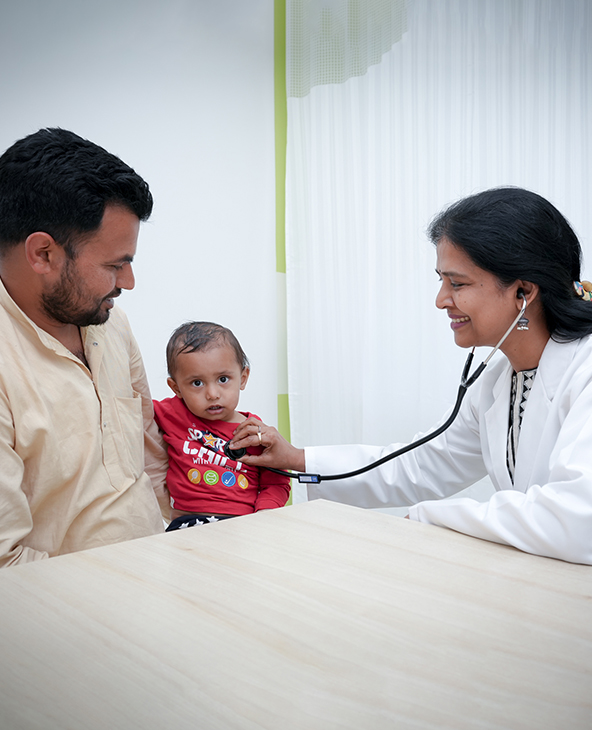
A paediatric rheumatology consultation begins with understanding the child’s symptoms, how long they have been present and whether they affect movement, sleep, school or everyday activities. At Graphic Era Hospital, our paediatric rheumatologist reviews the child’s medical history, examines the affected areas and decides whether further tests are required.
Review of Symptoms and Medical History
Parents may be asked when the symptoms began, whether they are constant or recurring, and if they are worse in the morning or after rest. The rheumatologist may also ask about fever, rashes, recent infections, eye symptoms, fatigue and any family history of autoimmune or inflammatory conditions.
Growth and Development Review
The child’s height, weight, physical development and activity levels may be assessed. Our team also considers whether pain, stiffness or fatigue has affected walking, play, school attendance or participation in sports.
Joint, Muscle and Skin Examination
The examination may include checking the joints for swelling, warmth, tenderness and range of movement. The rheumatologist may also assess muscle strength, walking pattern, posture, skin rashes, nail changes and other physical signs linked to inflammatory conditions.
Review of Previous Reports
Parents should bring earlier blood tests, imaging reports, prescriptions and records of previous consultations wherever available. These documents help our team understand how the symptoms have changed and whether any treatment has already been tried.
Discussion with the Child and Family
The rheumatologist explains the possible causes, whether further investigations are needed and what the next steps may involve. The child is included in the discussion in an age-appropriate way so they feel heard and understand what is happening.
Doctors Available

Prof. Dr. Rupa Dalmia Singh
Senior Consultant & HOD
Paediatrics
Experience: 27 Years
Book An Appointment




Dr. Deep Shikha Baranwal
Consultant
Paediatric, Paediatric Nephrology
Experience: 7 Years
Book An Appointment

Why Choose Graphic Era Hospital for Paediatric Rheumatology?

Expert Specialists : Paediatric rheumatic conditions may affect more than the joints, sometimes involving the muscles, skin, eyes, kidneys or other organs. At Graphic Era Hospital, our paediatricians and rheumatologists work together to assess the child’s symptoms and plan individualised care. Depending on the condition, treatment may also involve ophthalmologists, nephrologists, dermatologists, orthopaedists and rehabilitation professionals.

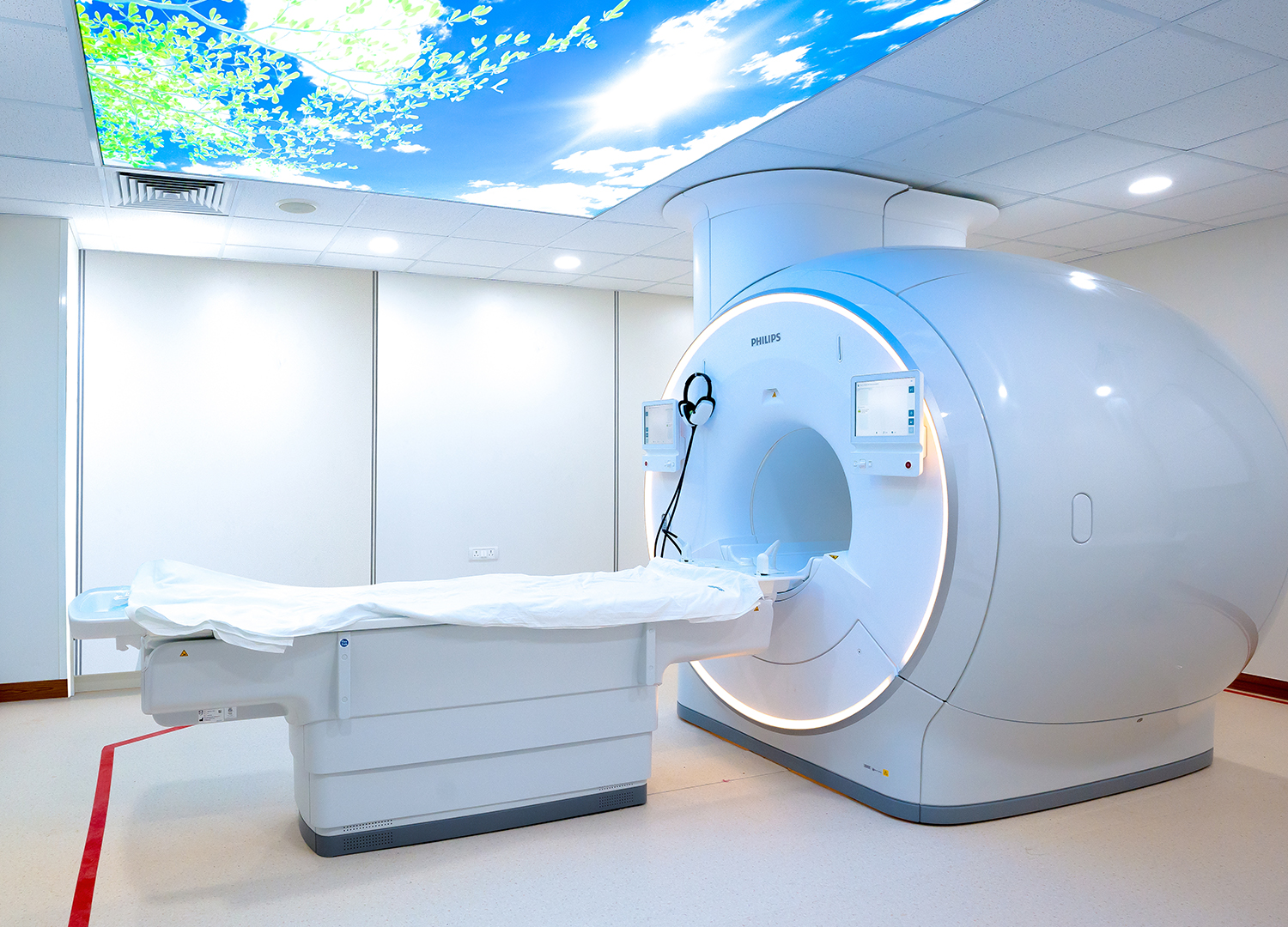
Cutting-Edge Technology : Our clinical team is supported by laboratory and imaging facilities that help investigate joint inflammation, muscle disorders and systemic autoimmune conditions. When clinically required, assessment may include blood tests, digital X-rays, ultrasound or 3 Tesla MRI to examine the joints, bones and surrounding tissues in greater detail.

Patient-Centred Approach : Treatment is planned around the child’s diagnosis, age, growth, symptoms and daily needs. Our team explains the condition and treatment plan clearly to families, involves the child in discussions wherever age-appropriate and reviews their response regularly. Paediatric rehabilitation support may also be included to improve mobility, muscle strength and confidence in everyday activities.
How Paediatric Rheumatological Conditions Are Diagnosed at Graphic Era Hospital
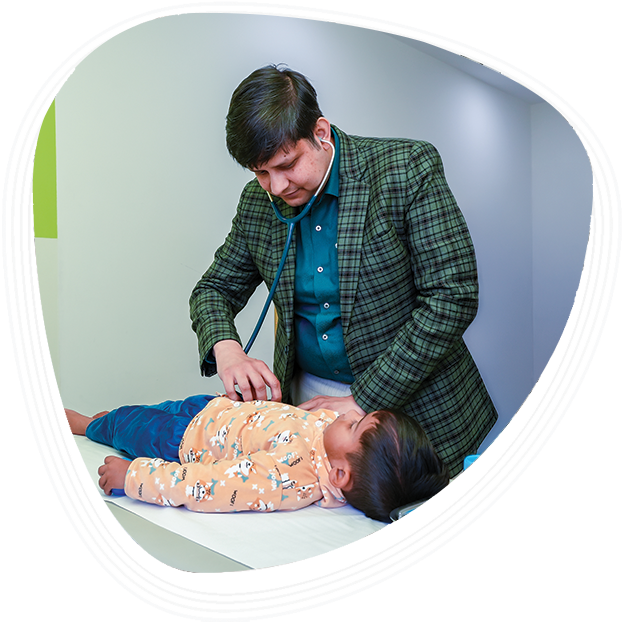
Paediatric rheumatic conditions cannot usually be confirmed through a single test. At Graphic Era Hospital, our paediatric and rheumatology teams consider the child’s symptoms, medical history and physical examination alongside carefully selected blood tests and imaging. This helps rule out infections, injuries and other conditions that may cause similar symptoms.
Medical and Musculoskeletal Assessment
The consultation includes a detailed review of when the symptoms began, how they have changed and whether they affect sleep, movement, school or daily activities. Our team may assess:
- Joint swelling, warmth and tenderness
- Morning stiffness and range of movement
- Muscle strength and walking pattern
- Skin, nail or circulation changes
- Fever, fatigue, rashes and eye symptoms
- Growth and physical development
Blood Tests
Blood tests help assess inflammation, look for features associated with autoimmune conditions and monitor how the illness may be affecting the body. Depending on the suspected condition, tests may include:
- Complete blood count
- Erythrocyte sedimentation rate and C-reactive protein
- Antinuclear antibody testing
- Rheumatoid factor and other condition-specific antibodies
- Liver and kidney function tests
- Muscle enzyme tests
- Tests for infection or genetic markers in selected cases
A positive or negative antibody result does not confirm or rule out every childhood rheumatic condition by itself. Results are interpreted alongside the child’s symptoms and examination findings.
X-Ray, Ultrasound and MRI
Imaging may help our team examine bones, joints and surrounding soft tissues or rule out other causes of pain and swelling. X-rays may identify bone changes or exclude an injury, while ultrasound and MRI can provide a more detailed view of inflammation in the joints and nearby tissues.
Eye Examination
Children with certain forms of juvenile idiopathic arthritis may develop uveitis, an inflammation inside the eye that may not cause noticeable symptoms at first. Regular examination by an ophthalmologist may therefore be recommended even when the child has no eye discomfort.
Other Tests in Selected Cases
Depending on the child’s symptoms, our paediatric rheumatologist may recommend urine tests, joint-fluid analysis, genetic testing or evaluation by another speciality. These investigations help determine whether the condition involves the kidneys, muscles, blood vessels, eyes or other parts of the body and guide the treatment plan.
Helping Your Child Stay Active at Home and School
A paediatric rheumatic condition may sometimes affect a child’s energy, movement, school attendance or confidence. With appropriate treatment and support, many children can continue participating in school, play and age-appropriate physical activities. The right balance between movement and rest depends on the child’s condition, symptoms and response to treatment.
Parents can support their child by:
- Encouraging Regular Movement: Gentle activity can help maintain joint flexibility, muscle strength and overall fitness. The type and intensity of exercise should follow advice from the treating team or physiotherapist.
- Balancing Activity and Rest: Children may need more rest during periods of increased pain, swelling or fatigue. Complete inactivity is usually avoided unless specifically advised.
- Following Physiotherapy Exercises: Exercises recommended by our rehabilitation team should be practised regularly to support movement, posture, strength and physical function.
- Planning School Support: Teachers may need to know about the child’s condition, particularly if they require extra time between classes, modified physical education, seating support or rest breaks.
- Supporting Medicine Adherence: Medicines should be given as prescribed, even when the child feels better, unless the paediatric rheumatologist advises a change.
- Keeping Medical and Eye Appointments: Regular reviews help monitor inflammation, growth, treatment response and complications that may not cause obvious symptoms.
- Listening to the Child: Encourage the child to talk openly about pain, fatigue, school concerns or emotional changes so support can be provided early.
At Graphic Era Hospital, our paediatric rheumatology and rehabilitation teams work with families to help children remain as active, independent and involved in everyday life as their condition allows.
Consult a Paediatric Rheumatologist at Graphic Era Hospital
If your child has persistent joint pain, swelling, morning stiffness, unexplained fever, recurring rashes, muscle weakness or difficulty with movement, consult our paediatric rheumatology team at Graphic Era Hospital, Dehradun. Early assessment can help identify the cause of these symptoms and guide appropriate treatment, monitoring and rehabilitation support.
Book an appointment through the Graphic Era Hospital website or call 1800 889 7351.
Top Paediatric Rheumatology Treatments Available at Graphic Era Hospital
- Juvenile Idiopathic Arthritis Management
- Anti-Inflammatory Medicine Therapy
- Corticosteroid Therapy
- Disease-Modifying Antirheumatic Drug Therapy
- Biologic Therapy
- Intra-Articular Joint Injections
- Childhood Lupus Treatment
- Juvenile Dermatomyositis Treatment
- Childhood Vasculitis Management
- Autoinflammatory Disease Management
- Paediatric Physiotherapy and Rehabilitation
Paediatric Rheumatology Treatments Available at Graphic Era Hospital
At Graphic Era Hospital, our paediatric and rheumatology teams plan treatment according to the child’s diagnosis, severity of inflammation, organs involved and response to earlier care. The aim is to control inflammation, reduce pain and stiffness, preserve movement and help the child remain active at home and school.
Advanced Diagnostics & Technology
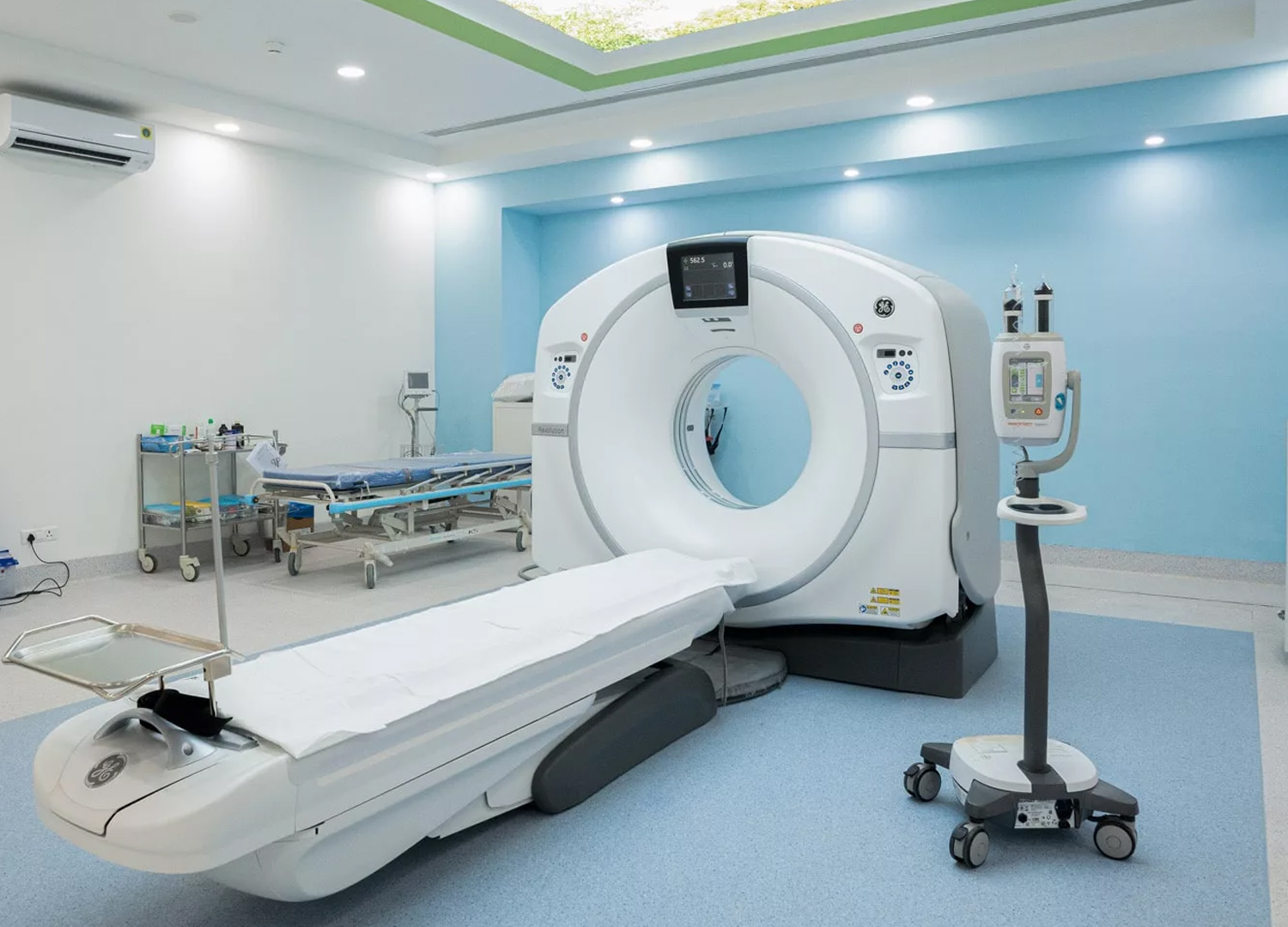
- Offers high-resolution imaging for detailed blood vessel analysis, aiding in accurate diagnosis and treatment planning.
- Delivers advanced imaging with high resolution for clear, detailed views of soft tissues, ensuring precise diagnostics.
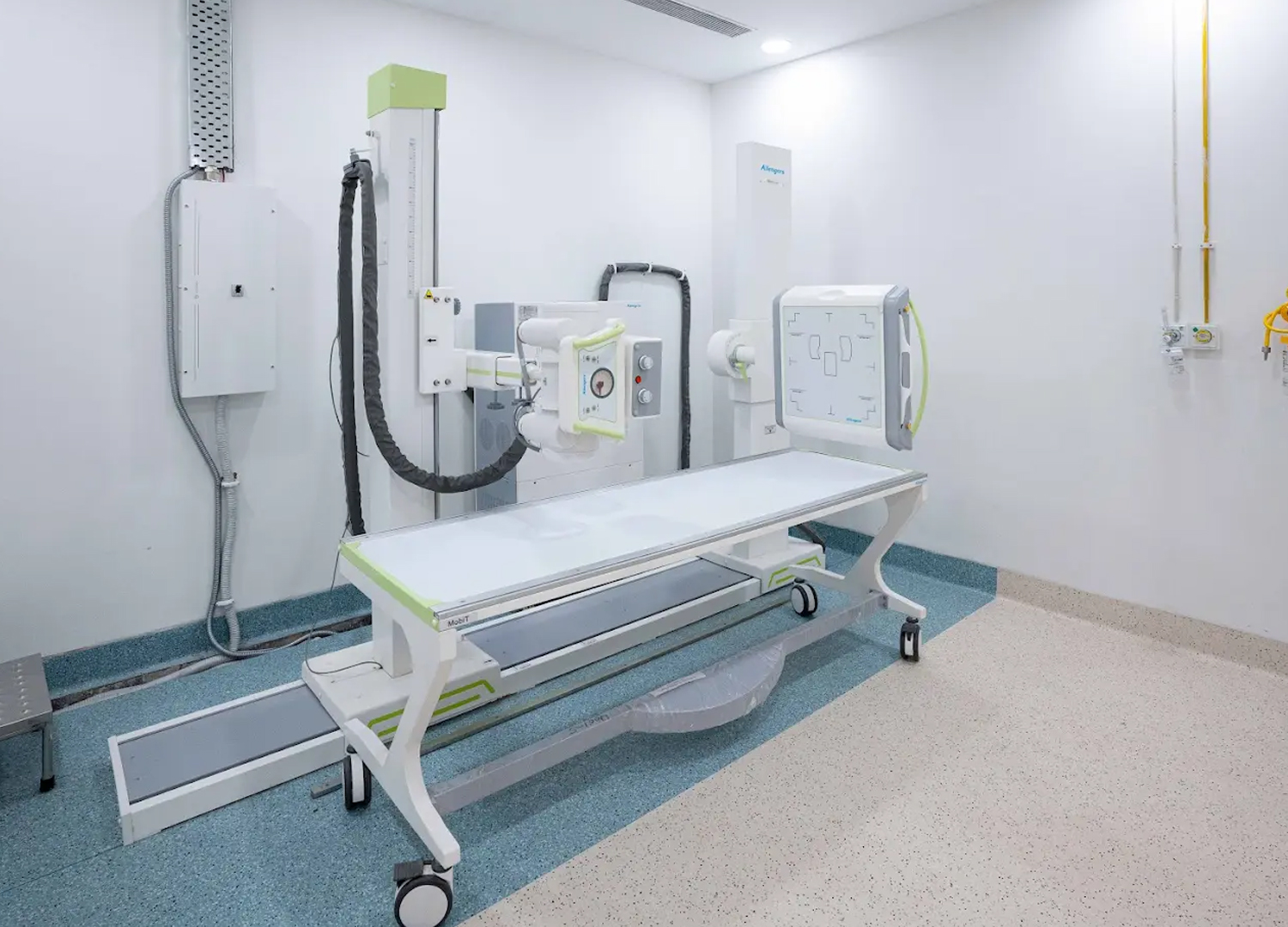
- Provides high-quality, detailed radiographic images for accurate diagnosis with minimal exposure to radiation.
Other Specialities


Patient Stories



Blog





Frequently Asked Questions (FAQs)
How can I tell the difference between growing pains and juvenile arthritis?
Growing pains usually affect both legs, occur later in the day or at night and do not normally cause visible joint swelling, morning stiffness or reduced movement. Juvenile arthritis may cause persistent swelling, warmth, stiffness after waking, limping or reluctance to use a joint. Any recurring or unexplained symptoms should be assessed rather than diagnosed at home.
Can children outgrow juvenile idiopathic arthritis?
Some children achieve remission, meaning they have little or no disease activity or symptoms. Others may continue to require treatment and monitoring into adolescence or adulthood. The outlook depends on the type of juvenile idiopathic arthritis, its severity, the areas affected and the response to treatment.
Can a childhood rheumatic condition affect the eyes or other organs?
Yes. Some paediatric rheumatic conditions can affect areas beyond the joints, including the eyes, skin, muscles, kidneys, heart, lungs or blood vessels. Uveitis associated with juvenile idiopathic arthritis may develop without obvious eye symptoms, which is why regular ophthalmology screening may be recommended.
Can a child receiving treatment for arthritis attend school and play sports?
Many children can continue attending school and participating in suitable physical activities when their condition is well managed. Exercise supports joint movement, muscle strength and overall function, although activities may need to be modified during symptom flares. Teachers may also need to provide practical support such as rest breaks, additional time between classes or adjusted physical education.
How can I book an appointment with a paediatric rheumatologist near me in Dehradun?
Parents looking for paediatric rheumatology care in Dehradun can book an appointment through the Graphic Era Hospital website or call 1800 889 7351. During the consultation, our team will assess the child’s symptoms and advise whether blood tests, imaging, treatment or referral to another paediatric speciality is required.