A cystic hygroma is a rare congenital lymphatic malformation that occurs when parts of the lymphatic system develop abnormally before birth, leading to the formation of fluid-filled cysts. These fluid-filled swellings most commonly occur in the neck and head region, and could be detected during pregnancy, shortly after birth, or during early childhood. At Graphic Era Hospital, Dehradun, cystic hygroma treatment is supported by experienced paediatric surgeons, specialised newborn care, and advanced diagnostic facilities. Through comprehensive evaluation, individualised treatment planning, and coordinated follow-up, our team works closely with families to provide safe, effective care tailored to each child’s needs.
What is Cystic Hygroma?
A cystic hygroma is a benign (non-cancerous) type of congenital lymphatic malformation in which abnormal fluid-filled spaces develop within the lymphatic system before birth. It is also known as a cystic lymphangioma and forms part of a broader group of conditions known as lymphatic malformations.
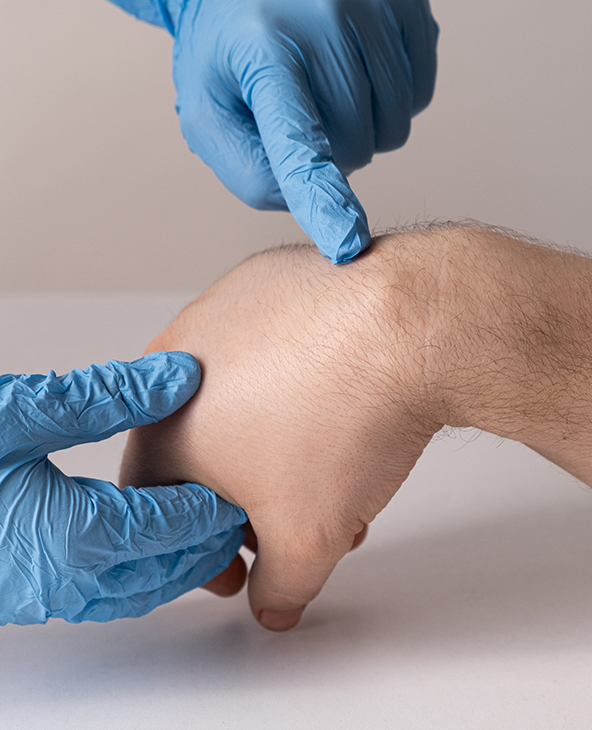
The lymphatic system is a network of vessels and tissues that helps maintain fluid balance in the body and plays an important role in immune function. During normal foetal development, lymphatic vessels form and connect to create channels that allow lymph fluid to circulate properly. In children with cystic hygroma, part of this system does not develop normally, causing lymph fluid to collect within abnormal cyst-like spaces that do not drain normally.
These cysts can vary in size and may consist of a single large cavity or multiple interconnected fluid-filled chambers. Over time, they can enlarge as fluid continues to accumulate within the malformation.
Cystic hygromas most commonly occur in the neck and head region, although they can also develop in other areas of the body. The condition is usually present at birth and is most frequently identified in infants and young children. In rare cases, however, cystic hygroma may be diagnosed later in life, including during adulthood.
Types of Cystic Hygroma
Cystic hygromas are commonly classified according to the size and structure of the abnormal lymphatic spaces within the malformation. The most common types include macrocystic, microcystic, and mixed lymphatic malformations.
- Macrocystic Lymphatic Malformations: Macrocystic lesions are made up predominantly of larger lymph-filled cysts. These cysts are often well-defined and form when lymph fluid collects within enlarged lymphatic spaces. Because the cysts are larger, the swelling may appear as a distinct, soft mass beneath the skin. Many cystic hygromas found in the neck are predominantly macrocystic.
- Microcystic Lymphatic Malformations: Microcystic lesions consist of numerous tiny lymphatic channels and small cyst-like spaces spread throughout the affected tissue. Instead of forming a single large swelling, these malformations tend to involve the surrounding tissues more diffusely and may not have clearly defined boundaries.
- Mixed Lymphatic Malformations: Some children have both large and small cystic components within the same lesion. These are known as mixed lymphatic malformations. In such cases, different areas of the malformation may have different characteristics, reflecting a combination of macrocystic and microcystic changes.
In addition to their classification, cystic hygromas can vary considerably in size and extent. Some remain confined to a small, well-defined area, while others involve deeper tissues or extend across multiple anatomical structures. The size, location, and extent of the lesion are important factors when evaluating the condition and planning lymphatic malformation treatment.
Signs and Symptoms of Cystic Hygroma
Most children with cystic hygroma develop a visible swelling caused by the collection of lymph fluid within the malformation. The appearance and severity of symptoms depend largely on the size of the lesion, its location, and whether it affects nearby tissues or organs.
Common cystic hygroma symptoms include:
- Soft, Painless Swelling:The most common sign of a cystic hygroma is a soft, fluid-filled lump or swelling beneath the skin. The swelling is often painless and may feel compressible when touched.
- Visible Lump at Birth or Early Childhood: Many children are born with a visible lump or develop one during infancy or early childhood. In some cases, the swelling becomes more noticeable as the child grows.
- Neck Swelling in Children: The neck is the most common site for cystic hygroma. As a result, neck swelling in children is one of the most frequently observed signs of the condition.
- Swelling in Other Areas of the Body: Although most commonly found in the neck, cystic hygromas can also occur in the face, armpit, tongue, mouth, or other regions depending on where the lymphatic malformation develops.
- Gradual Enlargement of the Swelling: The size of the lesion can increase over time as lymph fluid continues to accumulate within the abnormal lymphatic spaces.
- Breathing Difficulties: Large cystic hygromas located near the airway can place pressure on surrounding structures and make breathing difficult.
- Swallowing or Feeding Difficulties: When the malformation affects the mouth, tongue, throat, or nearby tissues, children may experience difficulties with feeding or swallowing.
- Recurrent Infection or Inflammation: In some cases, the affected area can become infected or inflamed, leading to increased swelling, tenderness, or discomfort.
Causes and Risk Factors of Cystic Hygroma
A cystic hygroma develops when the lymphatic system does not form normally during foetal development. In many cases, there is no single identifiable reason why this occurs. However, certain genetic conditions and congenital abnormalities are known to be associated with an increased likelihood of cystic hygroma.
Causes of Cystic Hygroma
- Abnormal Development of the Lymphatic System: Cystic hygroma is a congenital lymphatic malformation that develops before birth. It occurs when some lymphatic channels do not connect or drain normally, allowing lymph fluid to collect and form cyst-like spaces.
- Rare Adult Cases: Although cystic hygroma is primarily a condition of infancy and childhood, cystic hygroma in adults can occasionally occur. Some adult cases have been reported following infection or trauma, although the underlying cause is not always apparent.
Risk Factors and Associated Conditions
Certain chromosomal and genetic conditions are more commonly associated with cystic hygroma, particularly when the condition is identified before birth. These include:
- Turner Syndrome
- Down Syndrome (Trisomy 21)
- Trisomy 18 (Edwards Syndrome)
- Trisomy 13 (Patau Syndrome)
- Noonan Syndrome
- Other chromosomal or genetic abnormalities
Many cases of foetal cystic hygroma are first identified during pregnancy on an antenatal ultrasound. When a cystic hygroma is detected before birth, doctors may recommend further evaluation because some cases are associated with chromosomal abnormalities or other congenital conditions. However, not every cystic hygroma identified during pregnancy is linked to an underlying genetic disorder.
In some children, cystic hygroma may also occur alongside congenital abnormalities affecting the heart, kidneys, skeleton, or other organ systems.
Doctors Available

Prof. Dr. Rupa Dalmia Singh
Senior Consultant & HOD
Paediatrics
Experience: 27 Years
Book An Appointment




Dr. Deep Shikha Baranwal
Consultant
Paediatric, Paediatric Nephrology
Experience: 7 Years
Book An Appointment

Why Choose Graphic Era Hospital for Cystic Hygroma Treatment in Dehradun
Choosing the right hospital for the treatment of a congenital condition such as cystic hygroma is important for ensuring accurate diagnosis, appropriate treatment planning, and ongoing care. At Graphic Era Hospital, Dehradun, we combine specialised medical expertise, advanced technology, and patient-centred care to provide comprehensive treatment for children with cystic hygroma. Here are some of the attributes that make us stand out:

Experienced Paediatric Surgeons: Children with cystic hygroma often require careful evaluation and highly individualised treatment planning. At Graphic Era Hospital, our experienced paediatric surgeons work closely with paediatricians, radiologists, and other healthcare professionals to understand each child’s condition and determine the most appropriate course of care. Every treatment plan is tailored to the child’s age, overall health, and specific needs.

Advanced Diagnostic and Imaging Technology: Accurate evaluation plays an important role in understanding the size, location, and extent of a cystic hygroma. Our hospital is equipped with advanced imaging facilities, including high-resolution ultrasound and MRI, which help provide detailed information for diagnosis and treatment planning. These technologies support precise assessment while helping our team make informed treatment decisions.

Comprehensive Treatment and Follow-Up Care: Care at Graphic Era Hospital extends beyond diagnosis and treatment. From initial consultations and treatment planning to recovery monitoring and long-term follow-up, our team supports children and their families at every stage. We believe in maintaining close communication with parents, addressing concerns promptly, and providing ongoing guidance throughout the treatment journey.
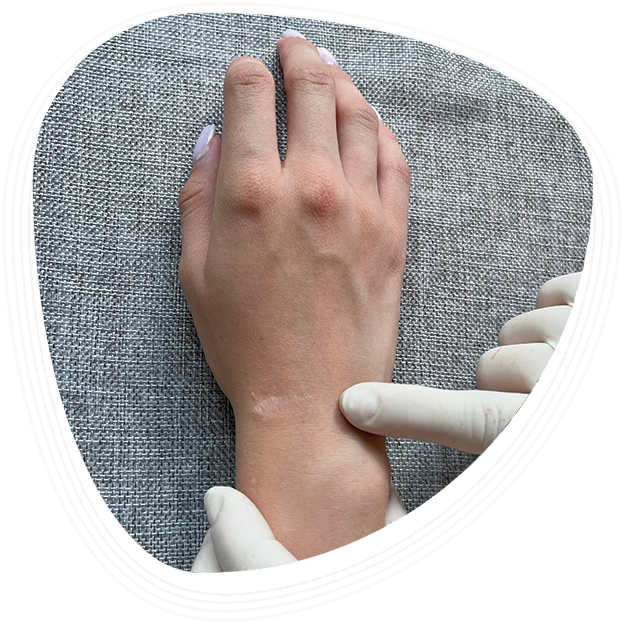
Cystic Hygroma Treatment at Graphic Era Hospital: From Diagnosis to Long-Term Management
Learning that a child has a cystic hygroma can be worrying for any family. At Graphic Era Hospital, treatment is carefully tailored to each child’s condition, taking into account the size, location, and extent of the malformation. From diagnosis and treatment planning to long-term follow-up, our team works closely with families to provide comprehensive, compassionate care at every stage.
Diagnostic Evaluation
Before recommending treatment, we conduct a detailed evaluation to understand the nature of the malformation and assess its effect on nearby structures. Diagnostic assessment may include:
- Physical Examination: A thorough clinical examination helps assess the size, location, and characteristics of the swelling.
- Medical History Review: Our specialists review the child's symptoms, overall health, and relevant prenatal or birth history.
- Ultrasound: Ultrasound imaging helps evaluate the cystic nature of the lesion and provides important information about its structure.
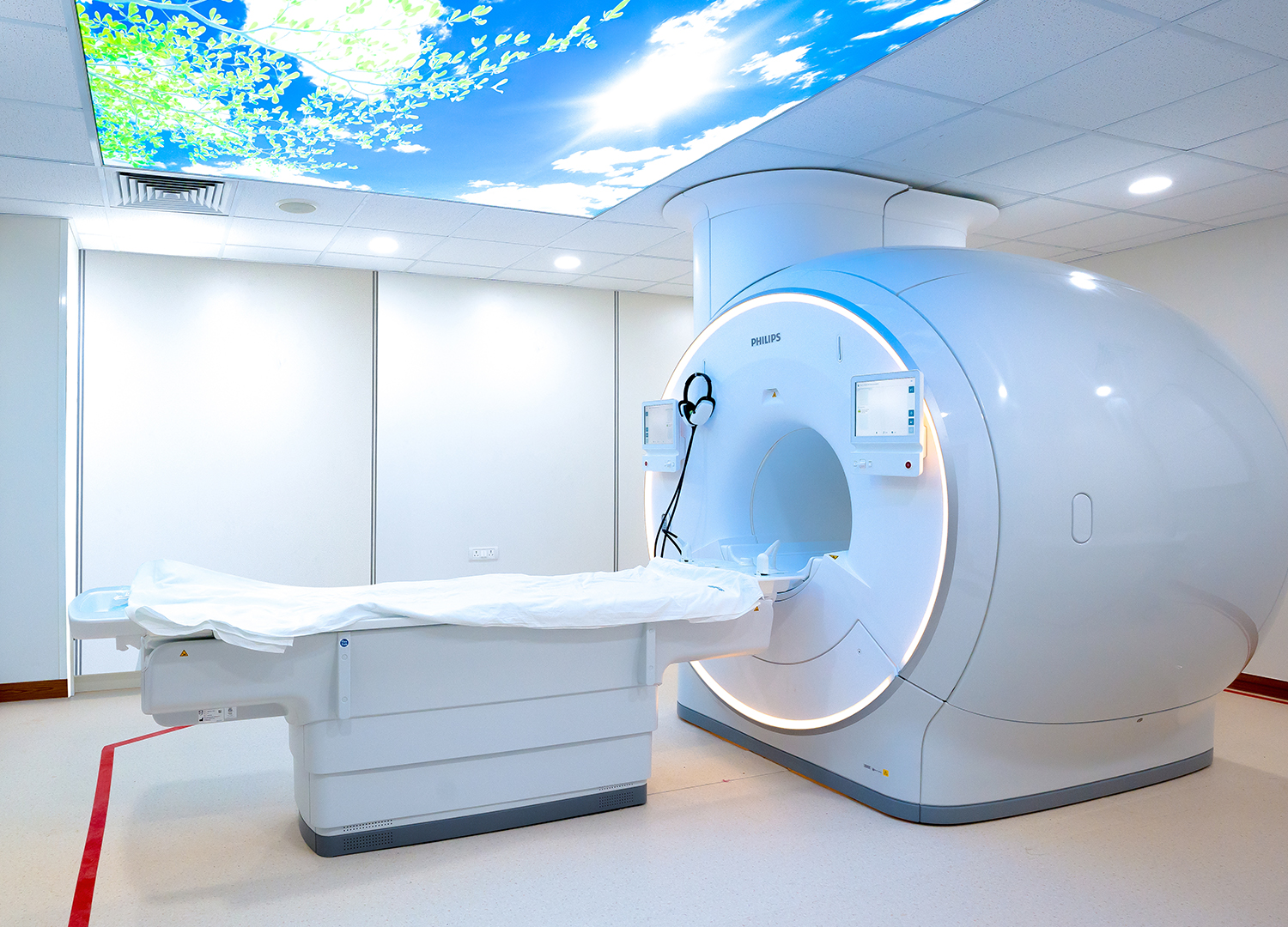
- MRI: MRI is often used to define the full extent of the malformation and assess involvement of surrounding tissues.
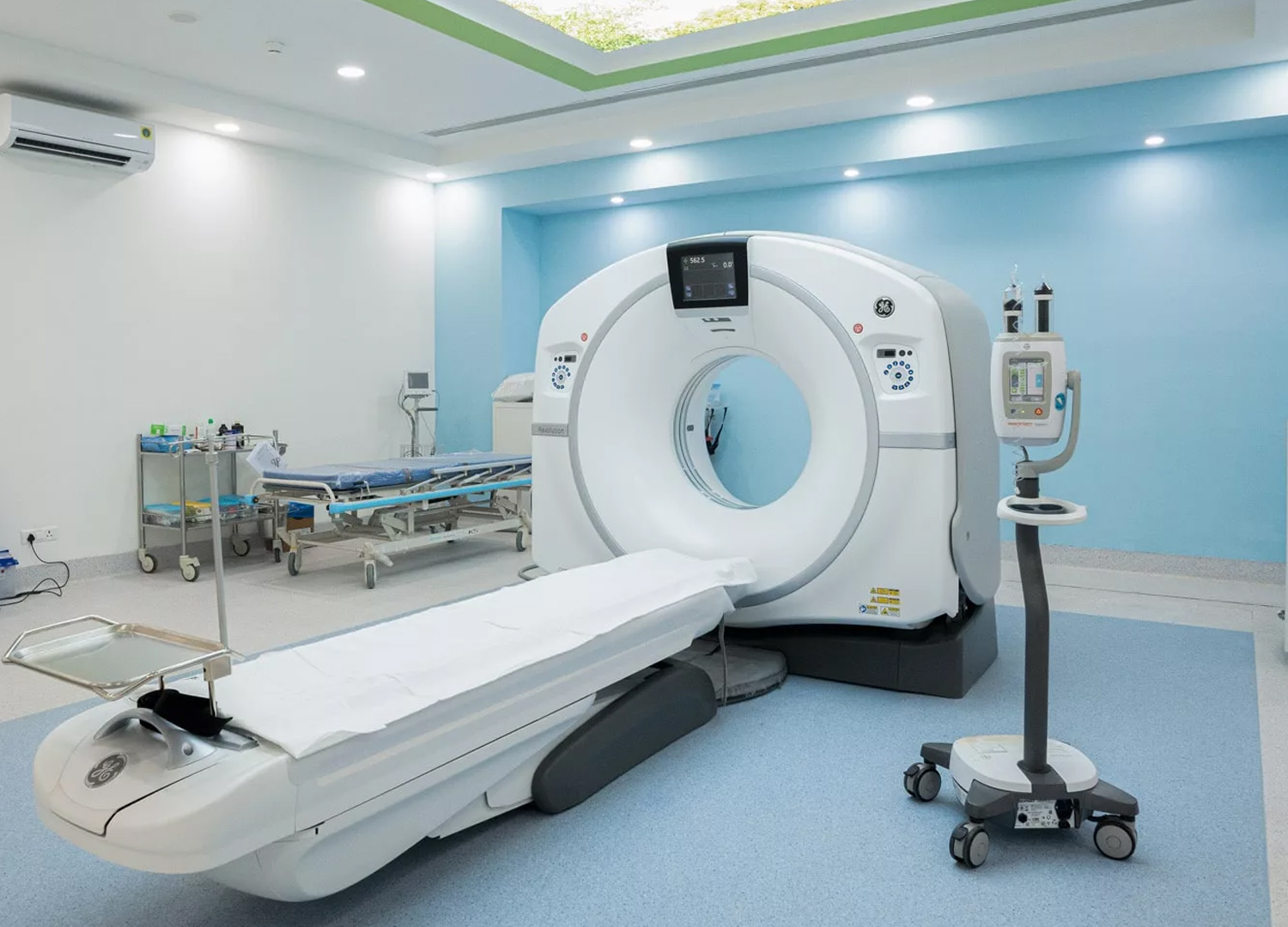
- CT Scan When Required: In selected cases, CT imaging may be recommended to obtain additional anatomical information.
- Assessment of Associated Abnormalities: Further evaluation may be advised when there is concern about associated congenital abnormalities or underlying conditions.
Treatment Options
The most appropriate treatment for cystic hygroma depends on several factors, including the size and location of the malformation, the symptoms it is causing, and its effect on nearby structures. Following a detailed evaluation, our team develops an individualised treatment plan tailored to each child's needs. Treatment options may include:
- Observation and Ongoing Monitoring: Not every cystic hygroma requires immediate treatment. Small lesions that are not causing symptoms or affecting nearby structures may be monitored over time through regular clinical assessments and imaging studies. Ongoing follow-up helps doctors evaluate changes in the malformation and determine whether treatment becomes necessary in the future.
- Sclerotherapy: Sclerotherapy is a minimally invasive treatment commonly used for selected cystic hygromas and lymphatic malformations. The procedure involves injecting a specialised medication into the cystic spaces to help shrink the lesion over time. The suitability of sclerotherapy depends on factors such as the type, size, location, and extent of the malformation.
- Surgical Removal of Cystic Hygroma: Surgery may be recommended when the malformation is causing symptoms, affecting nearby organs or tissues, or is unlikely to respond adequately to non-surgical treatment. The goal of cystic hygroma removal is to address the malformation while preserving the function of nearby tissues and structures. Careful preoperative planning helps guide treatment and protect important nerves, blood vessels, and surrounding tissues.
- Combination Treatment Approaches: Some children benefit from a combination of treatment methods rather than a single intervention alone. Depending on the characteristics of the malformation, treatment may involve both sclerotherapy and surgery as part of a comprehensive management plan. Every child is assessed individually to determine the most appropriate treatment approach.
Post-Treatment Care and Follow-Up
At Graphic Era Hospital, follow-up care is tailored to each child's condition, treatment response, and ongoing healthcare needs. Parents are provided with guidance and support throughout the recovery journey, while regular follow-up assessments help monitor progress and overall wellbeing. Post-treatment care may include:
- Recovery Monitoring: Regular follow-up visits help assess healing, treatment outcomes, and the child's overall progress.
- Imaging Follow-Up: Ultrasound, MRI, or other imaging studies may be recommended when required to evaluate treatment response and monitor the treated area over time.
- Monitoring for Recurrence: As lymphatic malformations can occasionally recur, continued follow-up helps identify any changes at an early stage and allows timely intervention when required.
- Growth and Development Monitoring: Regular assessments help ensure children continue to grow and develop appropriately following treatment.
- Functional Assessment: Depending on the location of the cystic hygroma, follow-up may include assessment of breathing, feeding, swallowing, movement, or other important functions.
- Ongoing Guidance and Support: Our team works closely with families throughout the treatment journey, providing follow-up recommendations, addressing concerns, and supporting long-term care whenever needed.
Risks and Possible Complications of Cystic Hygroma Treatment
Like any medical procedure, treatment for cystic hygroma carries certain risks. The likelihood of these complications varies depending on factors such as the size and location of the malformation, the type of treatment performed, and the child's overall health. At Graphic Era Hospital, every effort is made to minimise risks through careful planning, specialised expertise, and close monitoring.
- Infection: As with many medical and surgical procedures, there is a risk of infection at the treatment site. Prompt evaluation and treatment can help manage infections effectively if they occur.
- Bleeding: Some patients may experience bleeding during or after treatment, particularly when the malformation is located near blood vessels.
- Scarring: Depending on the type of treatment and the location of the lesion, some degree of scarring may occur as part of the healing process.
- Fluid Collection: In some cases, fluid may accumulate in the treated area after treatment and require monitoring or additional management.
- Recurrence of the Malformation: Although many patients respond well to treatment, cystic hygromas can occasionally recur, particularly when complete treatment of the malformation is not possible.
- Injury to Nearby Nerves and Blood Vessels: In some cases, treatment may involve areas close to important nerves or blood vessels, which can increase the risk of unintended injury.
- Anaesthesia-Related Risks: Some children may experience reactions or complications related to general anaesthesia, although these are uncommon.
Most children undergo treatment without experiencing serious complications. Before recommending any procedure, our team discusses the expected benefits, potential risks, and available treatment options with families to support informed decision-making.
Top Procedures
- Prenatal Ultrasound
- Ultrasound Evaluation
- MRI Assessment
- CT Scan (When Required)
- Sclerotherapy
- Image-Guided Sclerotherapy
- Surgical Removal of Cystic Hygroma
- Combination Therapy (Sclerotherapy and Surgery)
Advanced Diagnostics & Technology
- Offers high-resolution imaging for detailed blood vessel analysis, aiding in accurate diagnosis and treatment planning.
- Delivers advanced imaging with high resolution for clear, detailed views of soft tissues, ensuring precise diagnostics.
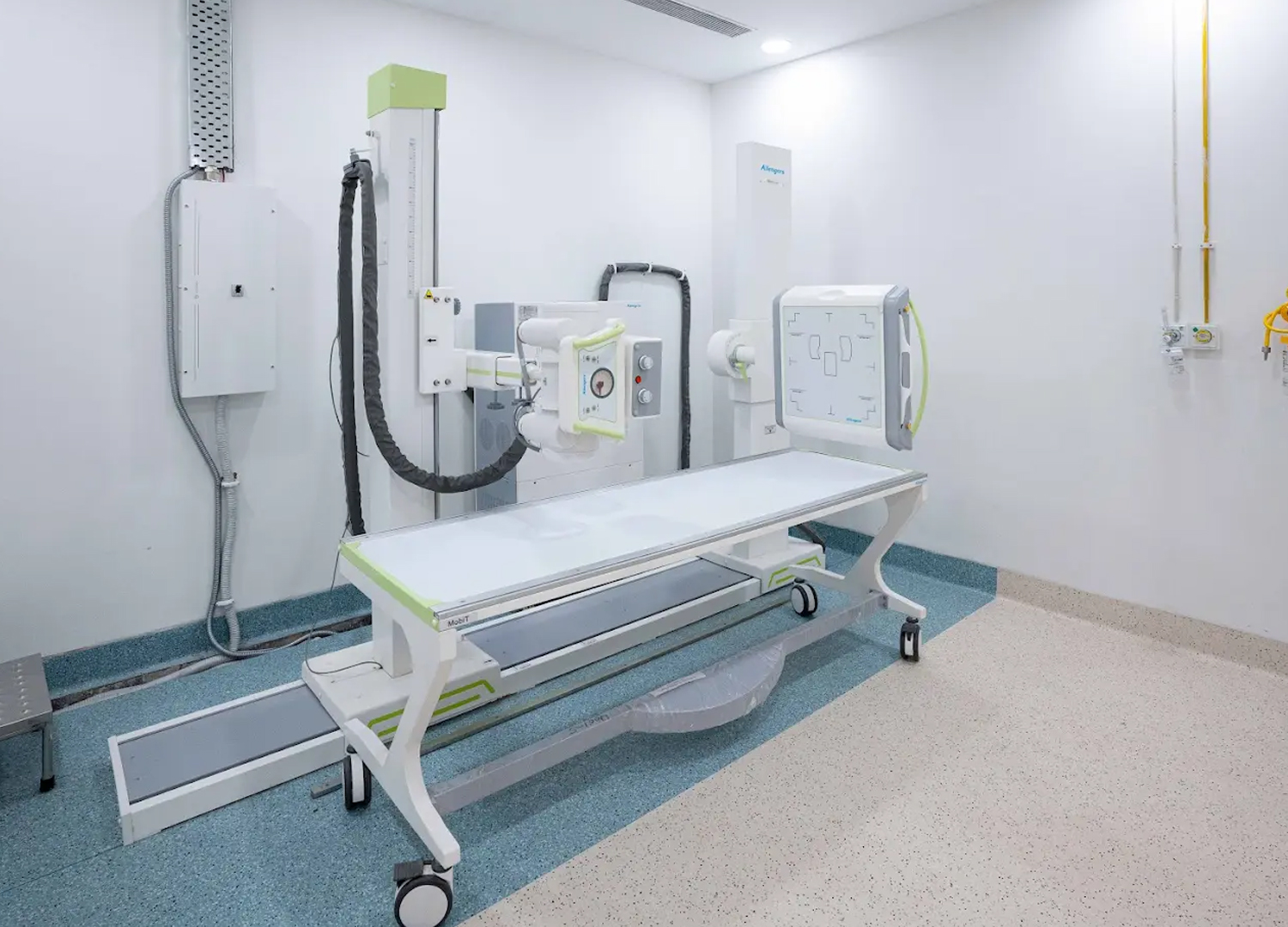
- Provides high-quality, detailed radiographic images for accurate diagnosis with minimal exposure to radiation.
Other Specialities


Patient Stories





Blog










Frequently Asked Questions (FAQs)
Can cystic hygroma be detected before birth?
Yes. Many cases of foetal cystic hygroma are identified during pregnancy through an antenatal ultrasound. The condition often appears as a fluid-filled swelling, most commonly in the neck region. When detected before birth, additional evaluation may be recommended to assess for associated chromosomal abnormalities or other congenital conditions.
Is cystic hygroma cancerous?
No. A cystic hygroma is a benign condition and is not a form of cancer. It is a congenital lymphatic malformation that develops when parts of the lymphatic system do not form normally before birth. Although it is non-cancerous, treatment may be required if it grows, causes symptoms, or affects nearby structures.
Can cystic hygroma disappear on its own?
Some small cystic hygromas may remain stable or occasionally decrease in size over time. However, many persist and require monitoring or treatment depending on their size, location, and associated symptoms. Regular medical evaluation is important to determine the most appropriate approach for each child.
What causes cystic hygroma?
Cystic hygroma develops due to abnormal formation of the lymphatic system during foetal development. The condition may occur on its own or be associated with certain chromosomal and genetic conditions, including Turner syndrome, Down syndrome, Trisomy 18, Trisomy 13, and Noonan syndrome.
Is surgery always required?
No. Surgery is not necessary for every child with cystic hygroma. Treatment depends on factors such as the size and location of the malformation, the symptoms it causes, and its effect on nearby tissues. Some children may be managed through observation, while others may benefit from sclerotherapy, surgery, or a combination of treatment approaches.
Can cystic hygroma recur after treatment?
Yes. Recurrence can occur in some patients, particularly when the malformation involves deeper tissues or cannot be completely treated. The risk varies depending on the size, location, and extent of the lesion, as well as the type of treatment performed. Regular follow-up helps monitor for any recurrence or changes over time.
Can adults develop cystic hygroma?
Although cystic hygroma is most commonly diagnosed in infants and children, cystic hygroma in adults can occur in rare cases. Adults with cystic hygroma typically present with a slowly enlarging swelling and may require evaluation to determine the extent of the malformation and the most appropriate treatment approach.
What complications can occur if cystic hygroma is left untreated?
Potential complications depend largely on the size and location of the malformation. Larger lesions may continue to grow and place pressure on nearby structures, which can lead to breathing difficulties, swallowing problems, feeding challenges, recurrent infections, or cosmetic concerns. Early evaluation helps determine whether treatment is necessary and can reduce the risk of complications.
Where can I get cystic hygroma treatment near me in Dehradun or Uttarakhand?
Graphic Era Hospital provides comprehensive cystic hygroma treatment in Dehradun for infants, children, and adults. Our team includes experienced paediatric surgeons, radiologists, and specialists who work together to provide accurate diagnosis, advanced treatment options, and long-term follow-up tailored to each patient’s needs.