Imperforate anus is a congenital condition in which the anus and rectum do not develop normally before birth, affecting the body’s ability to pass stool. As a type of anorectal malformation, the condition can range from mild anatomical abnormalities to more complex forms that require specialised surgical care. At Graphic Era Hospital, Dehradun, imperforate anus treatment is provided by experienced paediatric surgeons and neonatal specialists supported by advanced diagnostic facilities and specialised newborn care. Through timely diagnosis, individualised treatment planning, and comprehensive continued care, we focus on supporting a safe recovery and favorable outcome for every child.
What is Imperforate Anus?
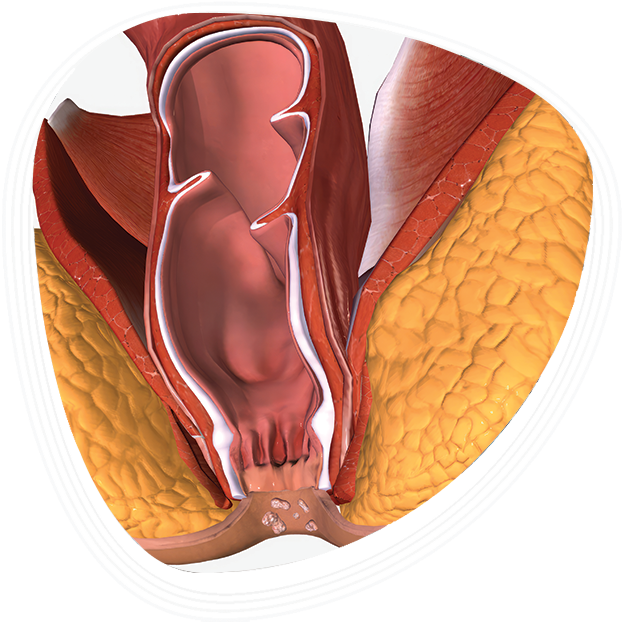
Imperforate anus is a congenital condition in which the anus and rectum do not develop normally before birth. Also known as anorectal malformation, it affects the lower end of the digestive tract and can interfere with the normal passage of stool.

During a normal bowel movement, stool passes from the large intestine into the rectum and then leaves the body through the anus. The muscles and nerves around the anus help control bowel movements and allow stool to pass normally. In children with imperforate anus, parts of this system may not form properly, affecting how stool passes through the body.
The condition may involve abnormalities affecting:
- The anal opening through which stool normally leaves the body
- The rectum, which stores stool before a bowel movement
- The muscles and nerves that help control bowel function
- The connection between the rectum and the anus
As a result, a child may be born with an absent or abnormally positioned anal opening, a rectum that does not connect normally to the anus, or an abnormal connection between the rectum and nearby structures. Imperforate anus in newborns is usually identified shortly after birth during routine physical examination, allowing early evaluation and treatment planning.
Types of Imperforate Anus
The term imperforate anus describes a range of anorectal malformations rather than a single abnormality. The condition can vary from relatively simple defects involving the anal opening to more complex forms affecting the rectum and its connection to nearby structures. The exact type depends on how the lower digestive tract develops before birth.
Common imperforate anus types include:
Low Imperforate Anus
In low malformations, the rectum is positioned closer to the skin surface. A child may have a very small anal opening, an abnormally positioned opening, or a thin membrane covering the opening. These forms generally involve less complex anatomical abnormalities.
Intermediate Imperforate Anus
Intermediate malformations fall between low and high defects. The rectum is located higher than in low malformations, but lower than in more complex high malformations. Additional evaluation is often required to understand the exact structure of the abnormality.
High Imperforate Anus
In high imperforate anus, the rectum ends higher within the pelvis and does not connect normally to the anus. In some children, the rectum may end in a blind pouch without a normal opening through which stool can leave the body.
Imperforate Anus with Fistula
Some children are born with a fistula, which is an abnormal passage connecting the rectum to nearby structures instead of a normal anal opening. Depending on the child's anatomy, the rectum may connect to parts of the urinary or reproductive system.
The location of a fistula can vary depending on a child's anatomy and may differ between boys and girls. In boys, the rectum may connect abnormally to parts of the urinary tract, such as the urethra or bladder, resulting in rectourethral or rectovesical fistulas. In girls, the rectum may open into the vestibule, the area near the vaginal opening, which is known as a rectovestibular fistula. These variations are recognised forms of anorectal malformations and help doctors better understand the child's anatomy before treatment planning.
Signs and Symptoms of Imperforate Anus
The signs and symptoms of imperforate anus are usually recognised shortly after birth. In some babies, the condition is identified during routine newborn examination because the anal opening is missing or located in an abnormal position. In others, concerns may arise when the baby is unable to pass stool normally after birth.
Common imperforate anus symptoms include:
- Missing, Closed, or Abnormally Positioned Anal Opening: The anal opening may be absent, covered by a thin membrane, unusually narrow, or located in an abnormal position.
- Failure to Pass Meconium: Babies with imperforate anus may be unable to pass meconium, the first stool normally passed within the first 24 to 48 hours after birth.
- Abdominal Swelling or Distension: When stool and gas cannot pass normally through the digestive tract, the abdomen may become swollen, firm, or visibly enlarged.
- Vomiting: Some newborns may develop vomiting when stool and gas are unable to move normally through the bowel.
- Stool Passing Through an Abnormal Opening: In children with certain anorectal malformations, stool may pass through an abnormal opening instead of the anus. Depending on the child's anatomy, this may occur through areas connected to the urinary or reproductive system.
- Feeding Difficulties: Some babies may feed poorly, become unsettled during feeds, or have difficulty tolerating normal feeding.
- Irritability or Discomfort: Newborns may appear unusually fussy or uncomfortable because of abdominal distension and difficulty passing stool.
The severity and combination of symptoms can vary depending on the specific type of anorectal malformation and the child's anatomy.
Causes and Risk Factors of Imperforate Anus
The exact imperforate anus causes are not fully understood. The condition develops before birth during foetal growth, when the lower digestive tract is forming. If the rectum, anus, and surrounding structures do not develop normally during this stage, an anorectal malformation may occur.
In many children, imperforate anus occurs as an isolated birth defect without a clearly identifiable cause. However, doctors recognise that the condition can sometimes occur alongside other congenital abnormalities affecting different parts of the body.
Associated Congenital Abnormalities
Some children with imperforate anus may also have abnormalities involving other organ systems, including:
- The heart, such as congenital heart defects
- The kidneys and urinary tract
- The spine and spinal cord
- The oesophagus and digestive tract
- The reproductive system
These structures develop during a similar stage of foetal development, so abnormalities can sometimes occur together rather than in isolation.
One recognised pattern is VACTERL association, a group of congenital abnormalities that may occur in combination. VACTERL stands for:
- V: Vertebral (spinal) abnormalities
- A: Anorectal malformations
- C: Cardiac (heart) defects
- TE: Tracheoesophageal abnormalities
- R: Renal (kidney) abnormalities
- L: Limb abnormalities
Not every child with an imperforate anus has VACTERL association. However, when one of these conditions is identified, doctors may evaluate for abnormalities affecting other organ systems as part of a comprehensive assessment.
Genetic and Chromosomal Factors
Researchers continue to study the role of genetics in anorectal malformations. While most cases occur without a known inherited cause, some may be associated with specific genetic syndromes or chromosomal abnormalities. Current evidence suggests that genetic and developmental factors may both play a role in the formation of the lower digestive tract.
Although the precise cause is often unknown, imperforate anus is a congenital condition and is not caused by anything parents did or did not do during pregnancy.
Doctors Available

Prof. Dr. Rupa Dalmia Singh
Senior Consultant & HOD
Paediatrics
Experience: 27 Years
Book An Appointment




Dr. Deep Shikha Baranwal
Consultant
Paediatric, Paediatric Nephrology
Experience: 7 Years
Book An Appointment

Why Choose Graphic Era Hospital for Imperforate Anus Treatment in Dehradun

Experienced Paediatric Surgeons and Specialised Newborn Care : The treatment of imperforate anus often requires specialised surgical expertise and dedicated newborn support. At Graphic Era Hospital, children are cared for by experienced paediatric surgeons working alongside neonatologists, paediatric anaesthesiologists, and specially trained nursing teams. This collaborative approach helps ensure timely evaluation, careful treatment planning, and comprehensive care from the earliest stages of life.

Comprehensive Multidisciplinary Evaluation and Treatment : Imperforate anus may sometimes occur alongside abnormalities affecting other organ systems, making a thorough assessment essential. Our multidisciplinary team includes paediatricians, paediatric surgeons, radiologists, anaesthesiologists, and other specialists who work together to evaluate each child comprehensively. Supported by advanced diagnostic facilities and imaging capabilities, we focus on developing an accurate understanding of the child’s condition before treatment decisions are made.

Comprehensive Pre- and Post-operative Care : Care for children with imperforate anus extends beyond the procedure itself. From pre-operative evaluation and preparation to postoperative monitoring and ongoing follow-up, our team provides coordinated support at every stage of treatment. This structured approach helps ensure that children receive continuous care tailored to their individual needs while keeping parents informed and involved throughout the treatment journey.
Imperforate Anus Treatment at Graphic Era Hospital: From Diagnosis to Long-Term Management
At Graphic Era Hospital, we understand that receiving a diagnosis of imperforate anus can be overwhelming for parents. Our team provides comprehensive care tailored to each child’s anatomy, overall health, and individual treatment needs. From diagnosis and surgical management to long-term follow-up, we work closely with families to support safe treatment, recovery, and healthy development.
Diagnostic Evaluation
Before recommending treatment, we conduct a detailed evaluation to understand the child's anatomy, confirm the diagnosis, and identify any associated abnormalities. Diagnostic assessment may include:
- Physical Examination: The diagnosis is often suspected shortly after birth through a careful newborn examination, including assessment of the anal opening and bowel function.
- Clinical Assessment: Our specialists review the child's overall health, symptoms, and medical history to gain a complete understanding of the condition.
- Imaging Investigations: Imaging studies help define the anatomy of the rectum, anus, and surrounding structures.
- X-rays: X-rays are used to assess the position of the rectum and evaluate associated abnormalities affecting the spine or other structures.
- Ultrasound: An ultrasound is commonly used to evaluate the kidneys, urinary tract, pelvic structures, and spinal cord for abnormalities that may occur alongside anorectal malformations.
- MRI and Additional Investigations: Further imaging may be recommended in selected cases to provide a more detailed assessment of the pelvic anatomy and associated abnormalities.
- Assessment for Associated Conditions: Additional evaluations may be advised to assess the heart, kidneys, spine, and other organ systems when required.
Initial Stabilisation and Supportive Care
Following diagnosis, the immediate priority is to ensure the child's stability and prepare for definitive treatment. Early care focuses on supporting the newborn's overall health while treatment planning is underway.
- Clinical Assessment After Birth: The child's overall condition is carefully monitored to identify any immediate concerns and guide early management.
- Feeding and Hydration Support: Feeding plans are tailored according to the child's needs, and fluids are provided when required to maintain adequate hydration.
- Supportive Neonatal Care: Newborns receive specialised monitoring and supportive care based on their individual clinical condition.
- Preoperative Evaluation: A detailed assessment helps determine the most appropriate treatment approach and timing of surgery.
Surgical Repair
The goals of imperforate anus treatment are to establish a functional pathway for bowel movements and restore anatomy as effectively as possible. Surgical planning is individualised according to the specific type of anorectal malformation.
- Creation or Reconstruction of a Functional Anal Opening: Surgery aims to create or reconstruct an opening that allows stool to pass through the body as normally as possible.
- Repair Tailored to Individual Anatomy: Surgical planning is based on the location of the rectum, the presence of fistulas, and the overall complexity of the malformation.
- Timing of Surgery: The timing of treatment depends on factors such as the child's condition, age, birth weight, and associated medical concerns.
- Single-Stage or Staged Repair: Some children undergo definitive repair in a single procedure, while others require treatment in stages depending on the complexity of the condition.
Postoperative Care and Monitoring
Following imperforate anus surgery, careful monitoring helps support recovery and identify any early concerns. We work closely with families throughout the hospital stay to ensure a safe recovery process.
- Recovery Monitoring: Children are closely observed to assess healing and overall postoperative progress.
- Pain Management: Appropriate pain-control measures are provided to help keep children comfortable during recovery.
- Feeding Progression: Feeding is gradually introduced and adjusted according to the child's recovery and tolerance.
- Wound Care: The surgical site is monitored carefully to support healing and reduce the risk of complications.
- Monitoring for Early Complications: Our team remains vigilant for signs of infection, narrowing of the surgical site, or other early postoperative concerns.
Long-Term Bowel Management and Follow-Up
At Graphic Era Hospital, long-term follow-up is tailored to each child's needs as they grow and develop. Our team works closely with families to monitor progress, address concerns early, and support children through different stages of growth and development.
- Growth, Nutrition, and Development Monitoring: Regular follow-up visits help assess physical growth, nutritional status, and developmental progress, ensuring that children continue to thrive as they grow.
- Bowel Function and Continence Assessment: Ongoing evaluation focuses on bowel function, bowel control, and any challenges related to constipation. Families also receive guidance and support during toilet training and other important developmental milestones.
- Additional Evaluation and Ongoing Care: Some children require further investigations, procedures, or specialist review as part of their long-term care. Regular follow-up allows the care team to monitor progress closely and provide timely support whenever needed.
Risks and Possible Complications of Imperforate Anus Surgery
Imperforate anus surgery is a well-established treatment that aims to restore bowel function and support healthy development. As with any surgical procedure, there are potential risks and complications. The likelihood of these varies depending on the child's anatomy, overall health, and the complexity of the anorectal malformation.
- Infection: As with any surgical procedure, there is a small risk of infection at the surgical site.
- Bleeding: Minor bleeding can occur during or after surgery and is carefully monitored by the medical team.
- Wound-Related Complications: Some children may experience temporary wound-healing concerns or irritation around the surgical area during recovery.
- Anal Narrowing (Stenosis): In some cases, the reconstructed anal opening may become narrower during healing, which can affect the passage of stool.
- Bowel Control Difficulties: Some children may experience challenges with bowel control as they grow, particularly when the underlying malformation is more complex.
- Constipation: Ongoing difficulty passing stool can occur in some children and may require additional support and management.
- Need for Additional Procedures: Depending on the child's anatomy and recovery, further procedures may occasionally be required to support long-term bowel function.
- Anaesthesia-Related Risks: As with any operation performed under general anaesthesia, there is a small risk of anaesthesia-related complications.
Before surgery, our team discusses the expected benefits and potential risks with parents and develops an individualised treatment plan designed around each child's specific needs.
Top Procedures
Investigations
- Physical Examination
- Abdominal and Pelvic Ultrasound
- Abdominal X-rays
- Cross-Table Lateral X-ray
- Evaluation for Associated Congenital Abnormalities
- Cardiac Evaluation and Echocardiography
Treatments
- Neonatal Stabilisation and Supportive Care
- Imperforate Anus Surgery
- Anorectal Reconstruction
- Posterior Sagittal Anorectoplasty (PSARP)
- Staged Surgical Repair
- Colostomy in Selected Cases
- Long-Term Bowel Management
Advanced Diagnostics & Technology
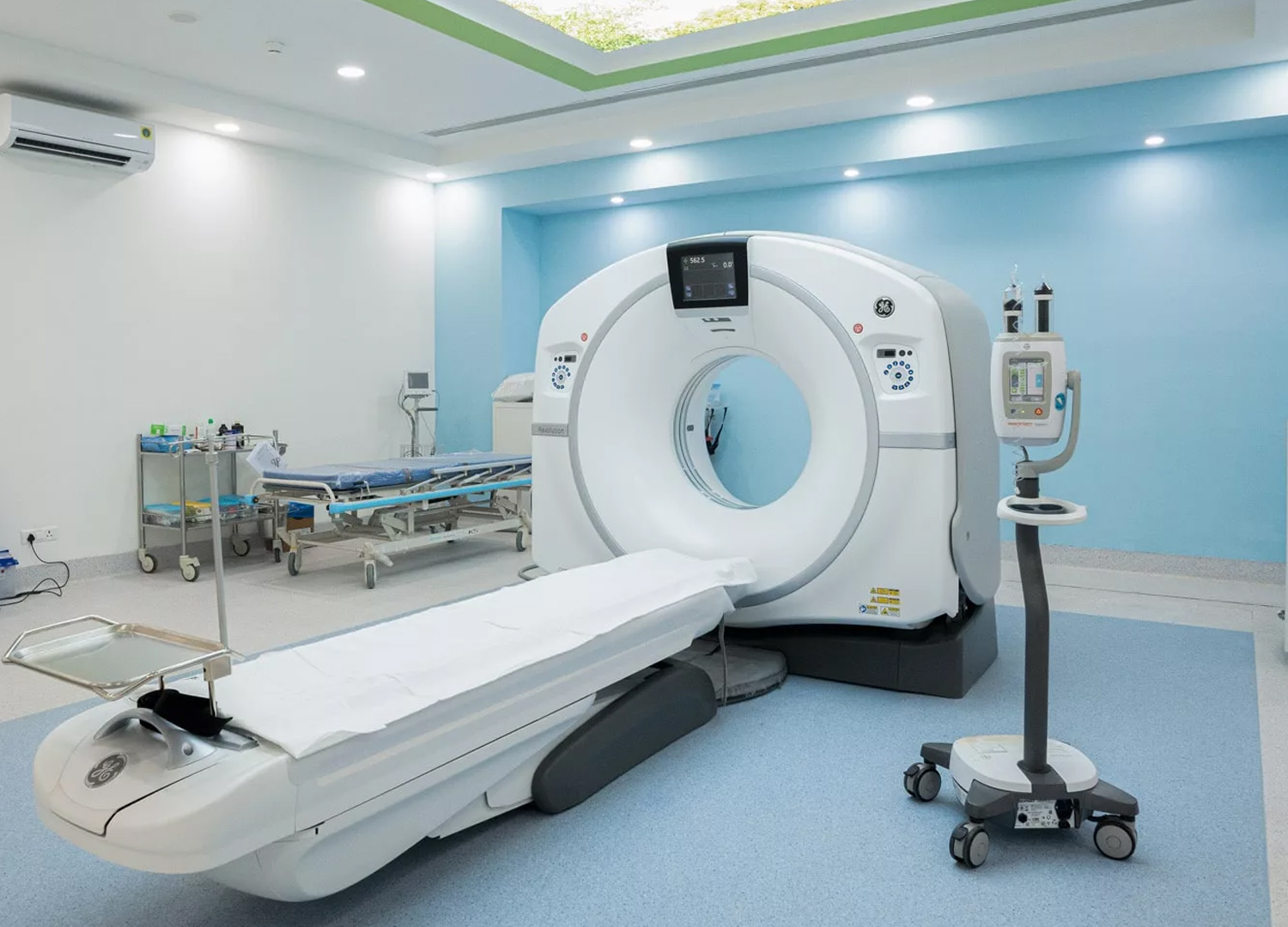
- Offers high-resolution imaging for detailed blood vessel analysis, aiding in accurate diagnosis and treatment planning.
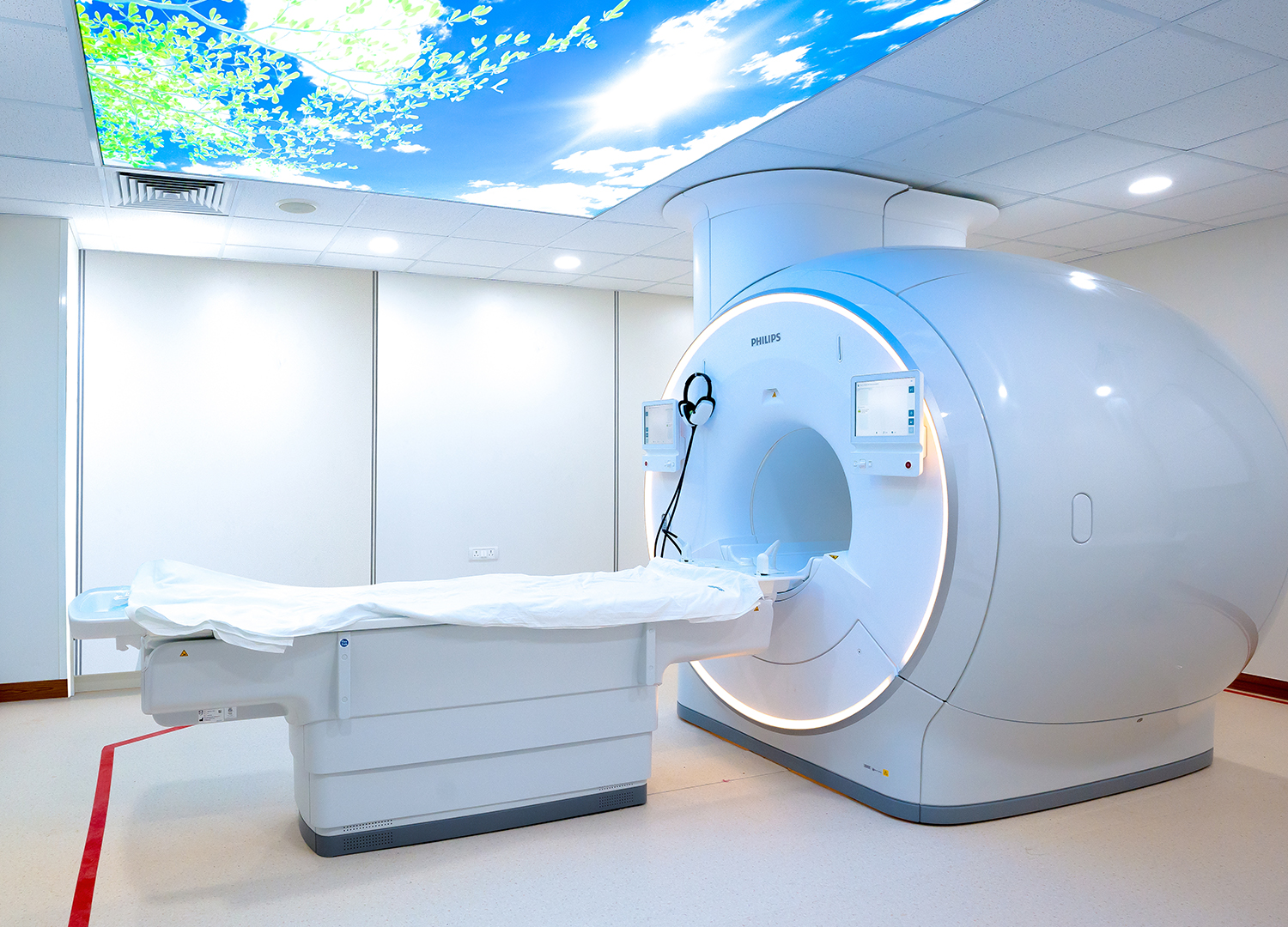
- Delivers advanced imaging with high resolution for clear, detailed views of soft tissues, ensuring precise diagnostics.
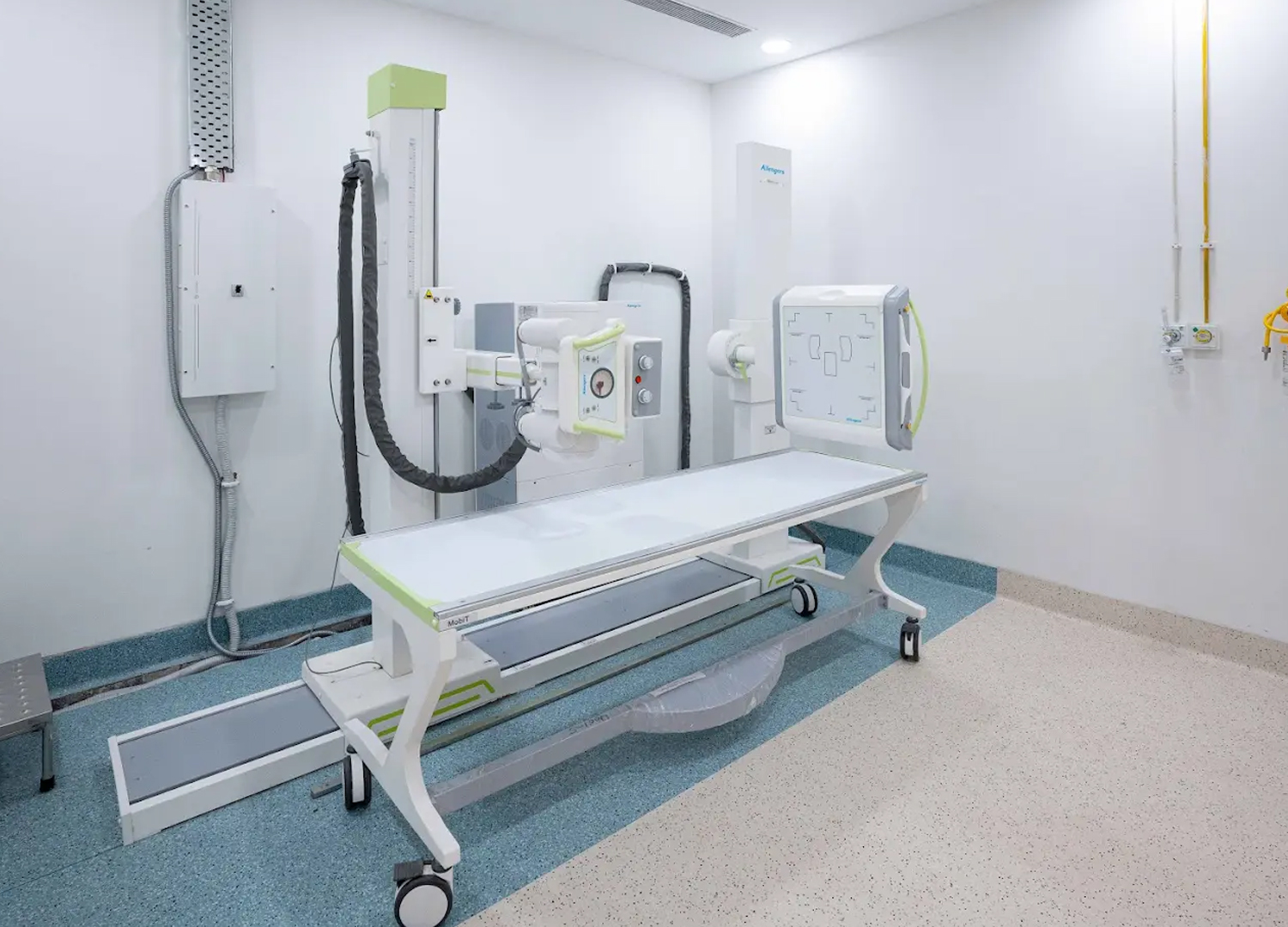
- Provides high-quality, detailed radiographic images for accurate diagnosis with minimal exposure to radiation.
Other Specialities


Patient Stories





Blog









Frequently Asked Questions (FAQs)
Can imperforate anus be detected before birth?
In some cases, signs that suggest anorectal malformation may be identified during routine prenatal ultrasound examinations. However, imperforate anus is often difficult to diagnose before birth and is more commonly detected shortly after delivery during a newborn examination. Additional investigations after birth are usually required to confirm the diagnosis and understand the child’s anatomy.
What causes imperforate anus?
The exact imperforate anus causes are not fully understood. The condition develops during foetal growth when the rectum, anus, and surrounding structures do not form normally. While some children have imperforate anus as an isolated condition, others may have associated congenital abnormalities affecting additional organ systems.
Can a baby pass stool with imperforate anus?
This depends on the type of anorectal malformation. Some babies are unable to pass stool because there is no normal pathway for stool to leave the body. Others may pass stool through an abnormal opening if a fistula is present. The ability to pass stool and the way symptoms appear vary according to the child’s anatomy.
How successful is imperforate anus surgery?
Imperforate anus surgery is a well-established treatment with good outcomes in many children. Success depends on factors such as the type and severity of the malformation, the presence of associated abnormalities, and the child’s overall health. Early diagnosis, appropriate surgical repair, and ongoing follow-up all contribute to achieving the best possible outcomes.
Will my child need more than one surgery?
Some children can be treated with a single operation, while others require staged procedures depending on the complexity of the malformation. The need for additional surgery varies from child to child and is determined by the specific anatomy and treatment requirements.
Can children with imperforate anus lead a normal life?
Many children go on to lead active, healthy lives following treatment. Long-term outcomes vary depending on the type of anorectal malformation and whether other congenital abnormalities are present. Regular follow-up and appropriate bowel management can help support healthy growth, development, and participation in everyday activities.
What is the difference between high and low imperforate anus?
Q: What is the difference between high and low imperforate anus?
The difference relates to the position of the rectum within the pelvis. In high and low imperforate anus, the rectum ends at different levels relative to the muscles involved in bowel control. Low malformations are generally closer to the skin surface, while high malformations involve the rectum ending higher within the pelvis and are often more complex.
Will my child have normal bowel function after treatment?
Many children achieve good bowel function following treatment, although outcomes can vary. Factors such as the type of anorectal malformation, associated spinal abnormalities, and the complexity of the condition can influence long-term bowel control. Some children benefit from ongoing bowel management and follow-up as they grow.
Can imperforate anus affect bladder or urinary function?
In some children, particularly those with associated urinary tract abnormalities or certain types of fistulas, bladder or urinary function may be affected. This is one reason why children diagnosed with imperforate anus often undergo evaluation of the kidneys and urinary system as part of their overall assessment.
Where can I get imperforate anus treatment near me in Dehradun or Uttarakhand?
Graphic Era Hospital provides comprehensive imperforate anus treatment in Dehradun for newborns and children. Our multidisciplinary team includes paediatric surgeons, neonatologists, paediatricians, radiologists, and other specialists who work together to provide diagnosis, surgical treatment, and long-term follow-up tailored to each child’s needs.