Children’s growth, metabolism and development are closely regulated by hormones, and an imbalance may affect their height, weight, energy levels, blood sugar or puberty. Paediatric endocrinology focuses on diagnosing and managing hormonal and metabolic conditions in infants, children and adolescents.
At Graphic Era Hospital, paediatric endocrinology care includes assessment and management of childhood diabetes, thyroid disorders, growth concerns, obesity, adrenal and pituitary disorders, bone and calcium conditions, and early, delayed or atypical puberty. The clinical team also evaluates differences or disorders of sex development where required. Supported by world-class laboratory, imaging and genetic testing facilities, care is coordinated with paediatricians, dietitians and other relevant specialists according to the child’s needs.
What Conditions Does a Paediatric Endocrinologist Treat?
A paediatric endocrinologist diagnoses and manages conditions involving hormones and the glands that produce them. These conditions may affect a child’s blood sugar, growth, weight, thyroid function, bone health or pubertal development. Since children continue to grow and develop, their endocrine care must consider both their present symptoms and changing needs over time.

A paediatric endocrinologist diagnoses and manages conditions involving hormones and the glands that produce them. These conditions may affect a child’s blood sugar, growth, weight, thyroid function, bone health or pubertal development. Since children continue to grow and develop, their endocrine care must consider both their present symptoms and changing needs over time.
Diabetes and Blood Sugar Disorders
Paediatric endocrinologists care for children and adolescents with blood sugar conditions such as:
- Type 1 diabetes
- Type 2 diabetes
- Insulin resistance
- Recurrent or unexplained low blood sugar
Children with diabetes may require continued medical care, blood glucose monitoring and adjustments to their treatment as their diet, activity levels and daily routine change.
Growth and Height Disorders
Children grow at different rates, and being shorter or taller than other children does not always indicate a health condition. An evaluation may be recommended when a child grows unusually slowly, crosses downwards on the growth chart or experiences rapid growth that does not match their age or family pattern.
Conditions assessed may include:
- Short stature
- Poor or slow growth
- Growth hormone deficiency
- Unusually rapid growth
- Growth concerns linked to thyroid, nutritional or chronic medical conditions
Disorders of Puberty and Sexual Development
The timing and progression of puberty may vary among children. However, physical changes that begin considerably earlier or later than expected, do not progress normally or develop in an atypical pattern may require hormonal evaluation.
Conditions and concerns assessed may include:
- Early or precocious puberty
- Delayed puberty
- Incomplete or irregular pubertal development
- Atypical pubertal development
- Hormonal conditions affecting sexual development
- Differences or disorders of sex development
Differences or Disorders of Sex Development
Differences or disorders of sex development (DSD) are conditions in which the development of chromosomes, reproductive organs, hormones or external genitalia differs from typical patterns. Evaluation may be required for atypical genital development, ambiguous genitalia or puberty that does not progress as expected.
These conditions often require coordinated assessment by paediatric endocrinologists and other relevant specialists.
Thyroid Disorders in Children
The adrenal glands produce hormones that regulate blood pressure, metabolism, salt balance, growth, pubertal development and the body’s response to illness or physical stress. Producing too much or too little of these hormones can affect several aspects of a child’s health and development.
Paediatric thyroid conditions may include:
- Hypothyroidism
- Hyperthyroidism
- Thyroid enlargement or goitre
- Thyroid nodules and other thyroid abnormalities
Adrenal and Steroid Disorders
The adrenal glands produce hormones that regulate blood pressure, metabolism, salt balance, growth, pubertal development and the body’s response to illness or physical stress. Producing too much or too little of these hormones can affect several aspects of a child’s health and development.
Conditions assessed may include:
- Congenital adrenal hyperplasia
- Adrenal insufficiency
- Cushing syndrome
- Virilisation
- Other disorders of adrenal hormone production
Pituitary Disorders
The pituitary gland controls several hormones involved in growth, puberty, thyroid function and adrenal function. A pituitary disorder may cause the body to produce too little or too much of one or more hormones.
Conditions may include:
- Pituitary hormone deficiency
- Excess production of certain pituitary hormones
- Multiple hormone deficiencies affecting growth or development
Childhood Obesity and Metabolic Conditions
Childhood obesity is influenced by several biological, behavioural, environmental and social factors. Endocrine assessment may be recommended when excessive weight gain occurs alongside slow growth, unusual physical changes or other symptoms suggesting a hormonal condition.
A paediatric endocrinologist may assess children with:
- Childhood obesity
- Excessive or unexplained weight gain
- Insulin resistance
- Metabolic syndrome
- Abnormal blood glucose
- Abnormal cholesterol or lipid levels
- Other metabolic health concerns
Calcium, Vitamin D and Bone Disorders
Hormones help regulate calcium and vitamin D and support normal bone growth. Assessment may be required when a child has recurrent fractures, persistent bone pain, abnormal calcium levels, poor growth or other signs of a metabolic bone disorder.
Conditions may include:
- Calcium or phosphorus imbalance
- Vitamin D deficiency
- Parathyroid disorders
- Rickets
- Reduced bone strength
- Metabolic bone disease
- Hormonal conditions affecting bone growth
When Should You Consult a Paediatric Endocrinologist for Your Child?
Hormonal conditions in children may develop gradually and sometimes resemble normal changes in growth, weight or puberty. A consultation may be helpful when these changes appear unusually early, occur later than expected or begin affecting the child’s health and daily life. Parents should seek medical advice if their child shows any of the following signs of hormone disorders:
- Slow Growth or Short Stature: The child grows more slowly than expected, remains considerably shorter than other children of the same age or begins falling behind their usual growth pattern.
- Unusually Rapid Growth: A sudden or excessive increase in height may require assessment, particularly when it occurs alongside early pubertal changes or other unusual symptoms.
- Excessive Thirst and Frequent Urination: Drinking much more water than usual, passing urine frequently or beginning to wet the bed again may be symptoms of diabetes in children.
- Unexplained Weight Loss:Weight loss despite eating normally, especially when accompanied by thirst, frequent urination, fatigue or blurred vision, requires timely medical evaluation.
- Persistent or Unusual Weight Gain: Rapid weight gain accompanied by slow growth, tiredness, constipation, menstrual concerns or other physical changes may indicate an underlying hormonal condition.
- Signs of Early Puberty: Breast development, pubic hair, body odour, menstruation or other pubertal changes that begin much earlier than expected should be assessed.
- Delayed or Incomplete Puberty: A lack of expected pubertal development or changes that begin but progress very slowly may require hormonal evaluation.
- Persistent Fatigue or Reduced Energy: Ongoing tiredness, weakness, difficulty concentrating or reduced interest in usual activities may be linked to thyroid, adrenal or blood sugar concerns.
- Neck Swelling or Thyroid Enlargement: A visible swelling at the front of the neck, voice changes, discomfort or difficulty swallowing should be evaluated.
- Darkened or Thickened Skin Around the Neck or Armpits: This change may be associated with insulin resistance, particularly when accompanied by excess weight.
What Happens During a Paediatric Endocrinology Consultation?
A paediatric endocrinology consultation begins with understanding what parents have noticed and how the concern has changed over time. At Graphic Era Hospital, our paediatric endocrinologist reviews the child’s symptoms, growth, development and medical history before deciding whether any tests or further assessment are required.
Review of Medical and Family History
Parents may be asked about the child’s birth history, previous illnesses, hospital admissions, medicines and developmental milestones. A family history of diabetes, thyroid disorders, unusual growth patterns or early or delayed puberty may also provide useful clinical information.
Growth and Development Assessment
The child’s height, weight and body mass index are measured and compared with age-appropriate growth charts. The endocrinologist may also review the child’s growth rate over time and assess whether physical development is appropriate for their age.
Review of Previous Reports
Parents should bring earlier growth records, blood test reports, imaging results and prescriptions wherever available. These records help the clinical team understand whether the concern is recent, longstanding or changing over time.
Physical Examination
The examination may include assessment of growth, thyroid enlargement, skin changes, body proportions and signs of pubertal development. The extent of the examination depends on the child’s symptoms and age.
Discussion with the Child and Family
The paediatric endocrinologist explains the likely causes, whether testing is required and what the next steps may involve. Children are included in the discussion in an age-appropriate manner, helping them understand their condition and feel more comfortable with the consultation.
How Paediatric Endocrine Conditions Are Diagnosed at Graphic Era Hospital
Diagnosing a hormonal condition in a child involves more than interpreting a single test result. At Graphic Era Hospital, our paediatric endocrinologist considers the child’s symptoms, growth pattern, physical development, medical history and family history before recommending relevant investigations. The Paediatric Super Speciality Clinic is supported by advanced laboratory services, imaging and genetic testing for complex childhood conditions.
Growth and Development Assessment
The endocrinologist measures the child’s height, weight and body mass index and compares them with age-appropriate growth charts. Previous records are reviewed to understand whether the child is growing steadily or has moved away from their usual growth pattern. Tracking growth over time is often more informative than relying on one measurement.
Blood Glucose and HbA1c Tests
When diabetes or another blood sugar disorder is suspected, the child may undergo blood glucose and HbA1c testing. Additional tests may be recommended depending on the symptoms and initial results.
Thyroid and Hormone Tests
Blood tests may be used to assess thyroid function and hormones involved in growth, puberty, adrenal function, pituitary function, calcium balance or metabolism. The endocrinologist selects the tests according to the child’s age, symptoms and suspected condition.
Bone-Age X-Ray
A bone-age X-ray of the hand and wrist may be recommended for children with growth or puberty concerns. It helps the clinical team assess skeletal development, compare bone maturity with the child’s age and estimate the remaining period of growth.
Imaging and Specialised Endocrine Tests
Ultrasound, MRI or other imaging may be advised when the endocrinologist needs to examine the thyroid, pituitary gland, adrenal glands or reproductive organs. Stimulation or suppression tests may also be performed in selected cases to understand how a particular gland responds to hormonal signals.
Genetic Testing in Selected Cases
Genetic testing may be considered when a child’s symptoms, physical features or family history suggest an inherited endocrine condition. Test results are interpreted alongside the child’s clinical assessment and other investigations rather than in isolation.
Additional Paediatric Endocrinology Assessments
Some endocrine conditions require more detailed, condition-specific investigations. The paediatric endocrinologist selects these assessments according to the child’s symptoms, age, growth pattern, stage of development and findings from the initial examination.
Assessment of Puberty and Sexual Development
Children with early, delayed or atypical pubertal development may undergo an assessment of their growth pattern and stage of puberty. The paediatric endocrinologist may also recommend tests to measure relevant reproductive and pituitary hormones.
Further investigations may include:
- Bone-age assessment
- Hormonal stimulation tests
- Pelvic or testicular imaging
- Genetic evaluation in selected cases
Not every child requires all these tests. The investigations are selected according to the child’s age, symptoms, physical development and suspected condition.
Assessment of Differences or Disorders of Sex Development
Children with atypical genital development, ambiguous genitalia, delayed or atypical puberty, or a suspected difference or disorder of sex development may require a coordinated evaluation.
Depending on the clinical findings, assessment may include:
- Hormonal testing
- Blood electrolyte tests
- Pelvic or abdominal ultrasound
- Karyotyping to examine chromosomes
- Other genetic tests
- Specialised endocrine investigations
Care may involve a multidisciplinary team comprising paediatric endocrinologists, neonatologists or paediatricians, paediatric surgeons or urologists, geneticists, radiologists and psychologists. The specialists involved depend on the child’s age, symptoms and individual needs.
Adrenal and Steroid Hormone Assessment
Children may undergo adrenal assessment when congenital adrenal hyperplasia, adrenal insufficiency, Cushing syndrome, virilisation or another disorder of adrenal hormone production is suspected.
Depending on the suspected condition, testing may include:
- Cortisol
- Adrenocorticotropic hormone, or ACTH
- 17-hydroxyprogesterone
- Renin and aldosterone
- Adrenal androgens
- Hormonal stimulation or suppression tests
The paediatric endocrinologist interprets these results alongside the child’s symptoms, physical examination, electrolyte levels and other investigations.
Calcium, Vitamin D and Bone Health Assessment
Children with recurrent fractures, persistent bone pain, abnormal calcium levels, rickets, short stature or suspected metabolic bone disease may require a detailed assessment of bone and mineral health.
Tests may include:
- Calcium
- Phosphorus
- Alkaline phosphatase
- Vitamin D
- Parathyroid hormone
- Kidney function tests
The endocrinologist may also recommend imaging or genetic testing when clinically indicated.
Childhood Obesity and Metabolic Assessment
Children with obesity, excessive weight gain or features of metabolic syndrome may undergo assessment of their growth pattern, body mass index trajectory, blood pressure and overall metabolic health.
Depending on the child’s age and clinical findings, investigations may include:
- Blood glucose
- HbA1c
- Lipid profile
- Liver function tests
- Other hormone or metabolic tests where indicated
The assessment helps identify associated health concerns and determine whether the child requires nutritional, medical or multidisciplinary support.
Doctors Available

Prof. Dr. Rupa Dalmia Singh
Senior Consultant & HOD
Paediatrics
Experience: 27 Years
Book An Appointment




Dr. Deep Shikha Baranwal
Consultant
Paediatric, Paediatric Nephrology
Experience: 7 Years
Book An Appointment

Why Choose Graphic Era Hospital for Paediatric Endocrinology?

Expert Specialists : Children with hormonal conditions require care that considers their immediate symptoms as well as their continuing growth and development. At Graphic Era Hospital, our paediatricians and endocrinologists assess childhood diabetes, thyroid disorders, growth concerns, obesity, adrenal and pituitary conditions, bone disorders, and early, delayed or atypical puberty. Children with suspected differences or disorders of sex development may receive coordinated assessment involving paediatric surgery or urology, genetics, radiology, psychology and other relevant departments.

Cutting-Edge Technology : Our paediatric endocrinology team is supported by laboratory and imaging facilities for evaluating blood glucose, thyroid function, hormone levels, growth patterns and bone development. Depending on the child’s symptoms, the endocrinologist may recommend condition-specific blood tests, bone-age imaging or other investigations to support diagnosis and treatment planning.

Patient-Centred Approach : Every child’s treatment plan is developed according to their age, diagnosis, stage of development and individual needs. Our team explains the condition, medicines, home monitoring and lifestyle guidance clearly to parents while involving the child in discussions wherever age-appropriate. Regular follow-up helps us monitor progress and adjust treatment as the child grows.
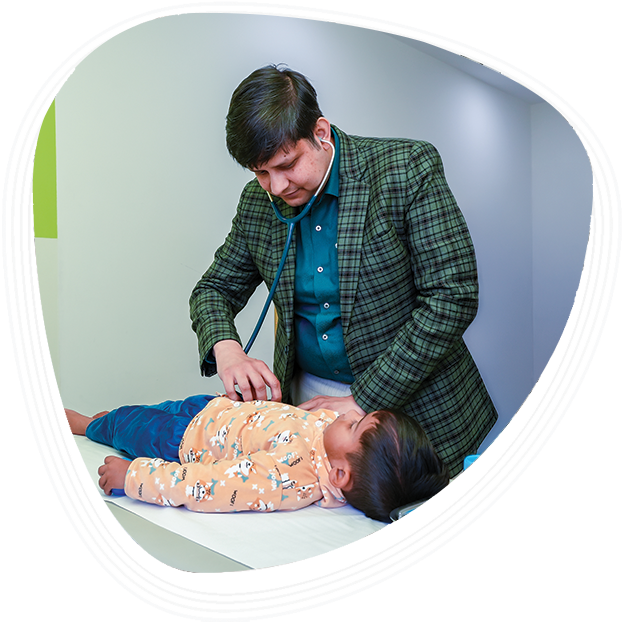
Ongoing Monitoring and Support as Your Child Grows
Many paediatric endocrine conditions require regular follow-up because hormone needs, growth patterns and treatment responses may change throughout childhood and adolescence. At Graphic Era Hospital, our paediatric and endocrinology teams review the child’s progress over time and adjust the care plan according to their age, development, symptoms and test results.
Ongoing follow-up may include:
- Tracking changes in height, weight, body mass index and pubertal development
- Reviewing blood glucose, thyroid function and other hormone test results
- Adjusting insulin, hormone replacement or other prescribed medicines
- Supporting medicine use, blood glucose monitoring and daily care at home or school
- Providing guidance on nutrition, physical activity and emotional wellbeing
- Planning a gradual transition to adult endocrinology care as the child approaches adulthood
Regular monitoring helps ensure that treatment continues to meet the child’s changing healthcare needs. Transition to adult services should also be planned gradually and around the young person’s health and development.
Consult a Paediatric Endocrinologist at Graphic Era Hospital
If you are concerned about your child’s growth, blood sugar, thyroid function, weight or pubertal development, consult the paediatric endocrinology team at Graphic Era Hospital, Dehradun. The clinical team will assess your child’s symptoms, recommend suitable tests and explain the available treatment and follow-up plan clearly.
Book an appointment online or call 1800 889 7351.
Top Paediatric Endocrinology Treatments Available at Graphic Era Hospital
- Childhood Diabetes Management
- Insulin Therapy
- Paediatric Thyroid Disorder Treatment
- Growth Hormone Therapy
- Early Puberty Treatment
- Delayed Puberty Treatment
- Adrenal Hormone Replacement
- Pituitary Hormone Disorder Treatment
- Childhood Obesity and Metabolic Management
- Calcium and Bone Disorder Treatment
Paediatric Endocrinology Treatments Available at Graphic Era Hospital
At Graphic Era Hospital, our paediatric and endocrinology teams plan treatment according to the child’s diagnosis, hormone levels, growth pattern, age and stage of development. Since endocrine needs may change as a child grows, treatment often includes regular monitoring and timely adjustments.
Advanced Diagnostics & Technology
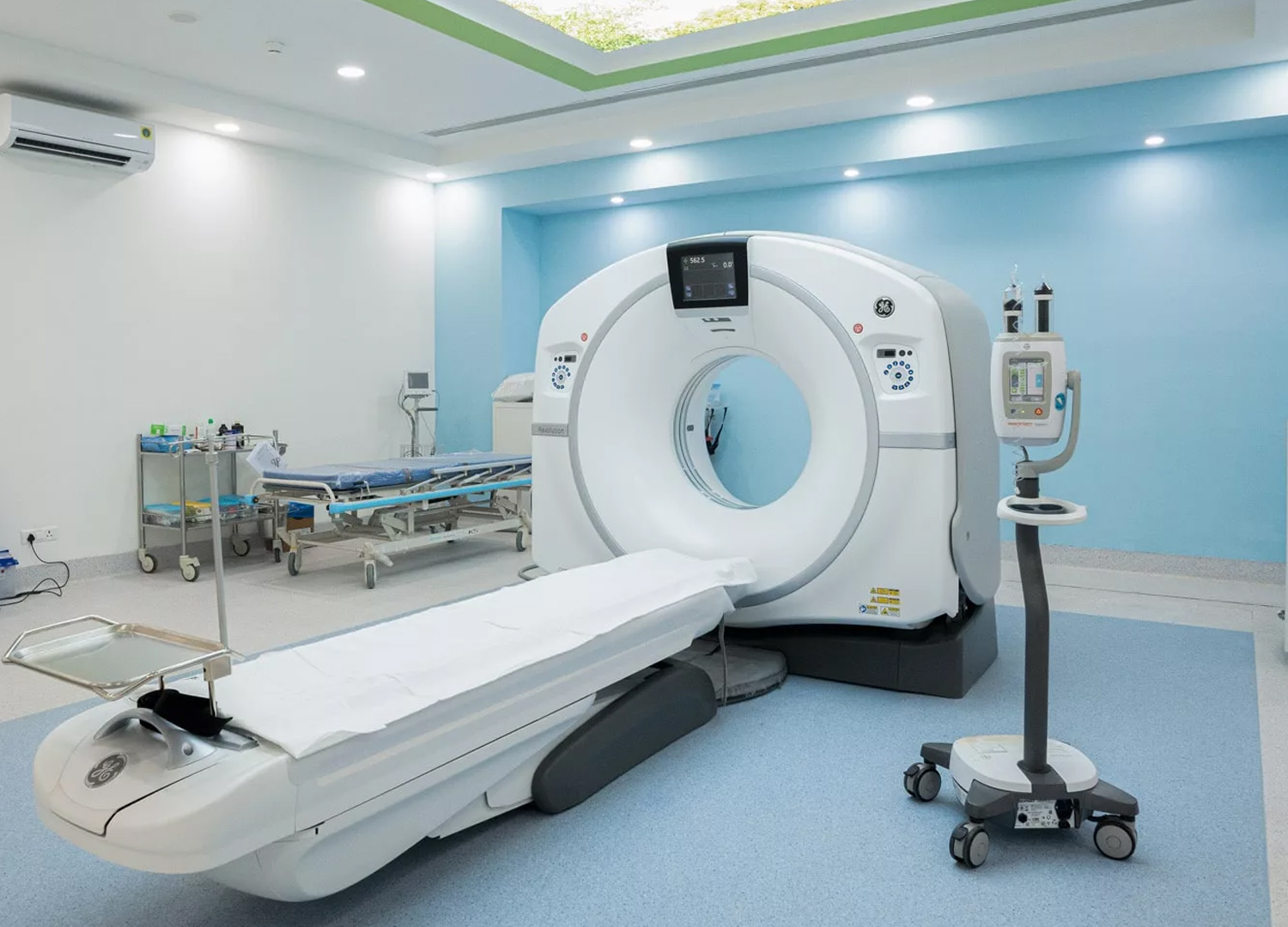
- Offers high-resolution imaging for detailed blood vessel analysis, aiding in accurate diagnosis and treatment planning.
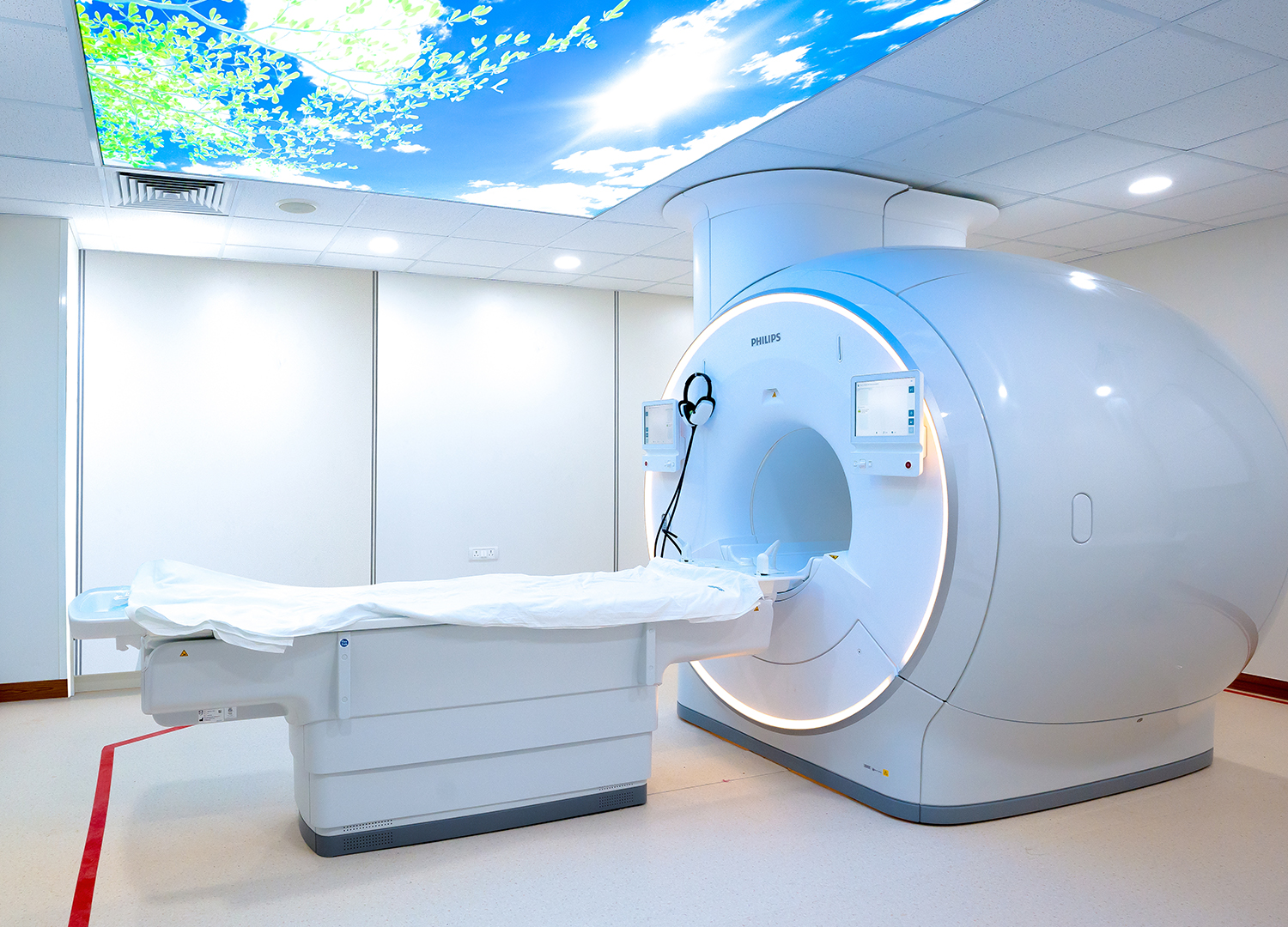
- Delivers advanced imaging with high resolution for clear, detailed views of soft tissues, ensuring precise diagnostics.
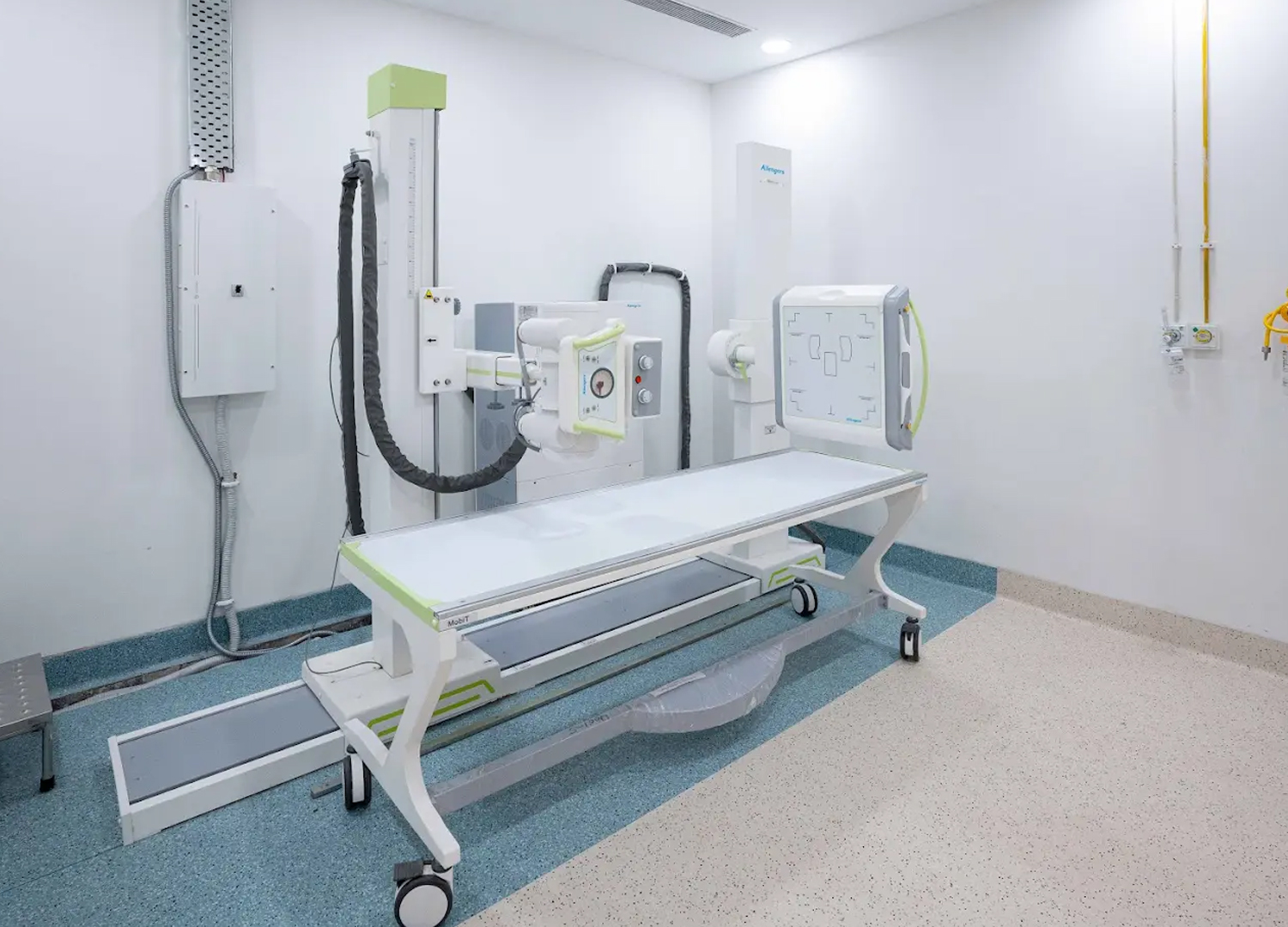
- Provides high-quality, detailed radiographic images for accurate diagnosis with minimal exposure to radiation.
Other Specialities


Patient Stories




Blog






Frequently Asked Questions (FAQs)
What conditions does a paediatric endocrinologist treat?
A paediatric endocrinologist treats hormonal and metabolic conditions affecting infants, children and adolescents. These include Type 1 and Type 2 diabetes, hypoglycaemia, thyroid disorders, short stature, growth hormone deficiency, early or delayed puberty, differences or disorders of sex development, adrenal and pituitary disorders, childhood obesity, calcium imbalance and metabolic bone conditions.
How are hormonal disorders diagnosed in children?
Diagnosis begins with a review of the child’s symptoms, medical history, growth pattern and physical development. Depending on the suspected condition, the paediatric endocrinologist may recommend blood glucose tests, thyroid function tests, condition-specific hormone tests, a bone-age X-ray or other investigations. Results are interpreted alongside the child’s age and stage of development.
Does every child with short stature need growth hormone treatment?
No. Some children are naturally shorter than others, while slow growth may be related to nutrition, family growth patterns, thyroid conditions or another underlying concern. Growth hormone therapy is recommended only when assessment and test results show that it is appropriate for the child.
Can childhood obesity be caused by a hormonal disorder?
Most cases of childhood obesity are influenced by several factors, including nutrition, physical activity, sleep, medicines and family history. In some children, thyroid, adrenal or other endocrine conditions may contribute to weight gain. Medical assessment is particularly important when weight gain is accompanied by slow growth, fatigue, pubertal changes or other unusual symptoms.
How can I find a paediatric endocrinologist near me in Dehradun?
Parents looking for paediatric endocrinology care in Dehradun can consult the paediatric and endocrinology teams at Graphic Era Hospital. The team assesses concerns related to growth, diabetes, thyroid function, weight and pubertal development and recommends appropriate tests, treatment and follow-up. Appointments can be booked through the Graphic Era Hospital website or by calling 1800 889 7351.